

Here’s the truth: you don’t lose weight by starving yourself. You lose weight by eating the right foods that make you feel satisfied so you naturally eat less. I learned this the hard way. Years of cutting calories left me exhausted, irritable, and constantly thinking about food. The moment I shifted to eating more protein, fiber, and whole foods? Everything changed. The hunger actually disappeared.
If you’ve been struggling with weight loss because you’re always hungry, you’re not failing. Your body is just telling you it needs better fuel. The foods in this article are the ones that flip that hunger switch off—so losing weight feels sustainable instead of like punishment. Here’s what you’ll walk away with: the exact 12 foods that keep you full longest, why they work, how to eat them without getting bored, and a real meal plan you can actually follow.
Why Most Weight Loss Fails (And What Actually Works)
Most people try to lose weight like this: eat less, move more, feel bad, quit. The problem? When you cut food, your body fights back. Your hunger gets stronger. That is why crash diets work for three weeks and then fail. The fix is simple. Stop thinking about what you can’t eat. Pick foods that fill you up instead.
Here is what makes a food keep you full:
Protein — Your body uses 20 to 30 of every 100 calories just to break protein down. Eat 100 calories of chicken? Your body burns 20 to 30 of them right away. That kills hunger. Fiber — It does not work like other carbs. It fills your belly and slows digestion. You stay full for hours. Water — Foods with lots of water (like eggs, salmon, veggies) take up space in your gut without adding many calories. Your brain knows you are full based on how much room food takes up. Mix these three things and you get full fast. You eat less without feeling sad.
The 12 Best Foods for Hunger Control and Weight Loss
1. Eggs: The Breakfast That Actually Works
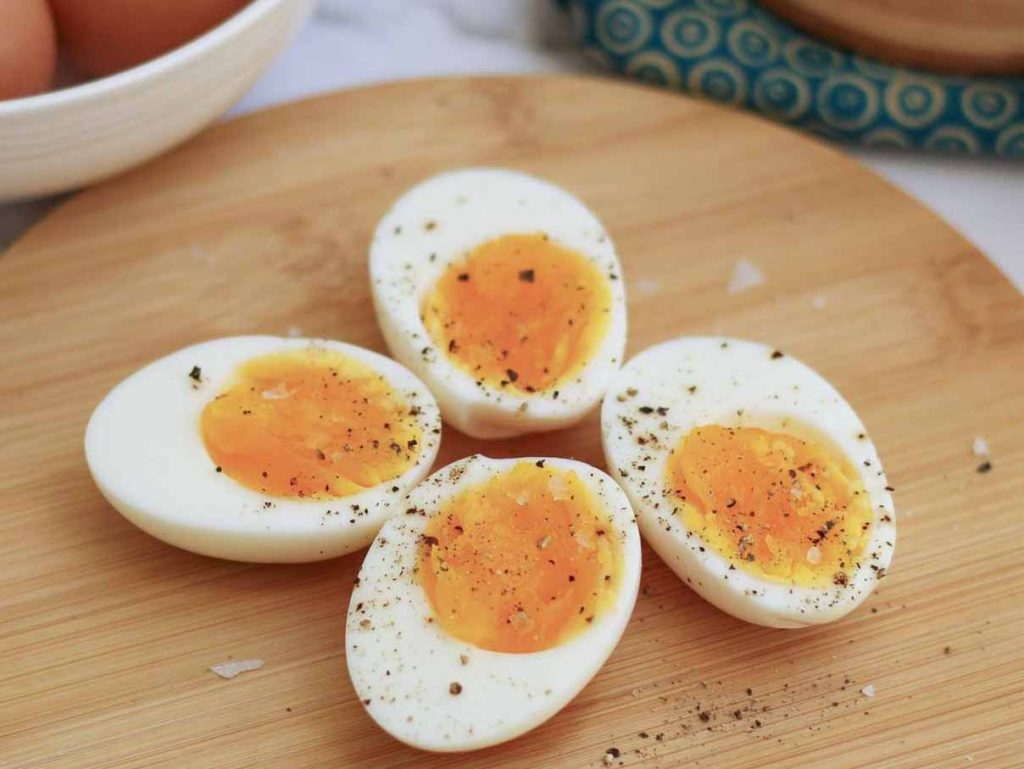
Eggs are not fancy. They just work. One big egg has 6 to 7 grams of protein and only 70 calories. Here is the real trick. Studies show that people who eat eggs for breakfast eat 300 fewer calories the whole day compared to those who eat bagels or cereal. The reason is choline. That is a nutrient in the yolk that helps your brain control hunger. So do not throw the yolk away. That is where the power is.
How to eat them:
- Scrambled with a splash of water (fluffier, fewer calories)
- Hard-boiled for quick snacks on the go
- Poached on whole-grain toast with avocado
Skip: Frying in butter or oil. That adds 80 to 120 extra calories per egg. Poach or scramble in a non-stick pan instead.
2. Greek Yogurt (Plain): The Protein Shortcut
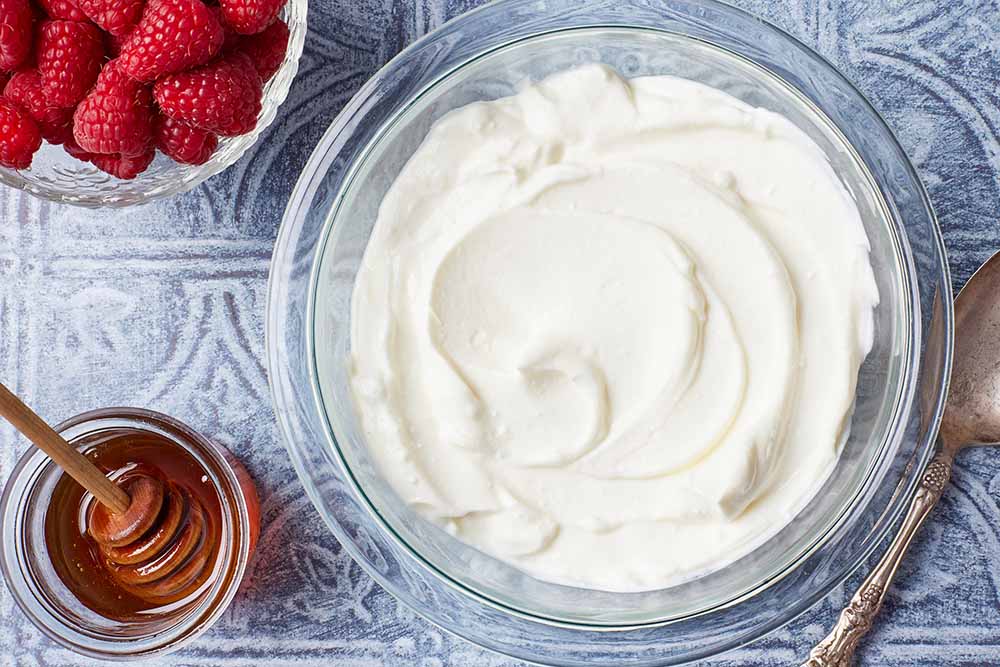
Regular yogurt has about 10 grams of protein per serving. Greek yogurt has almost 20. It also has probiotics. These help your gut and digestion. New science says your gut bugs can change your hunger. Plus, full-fat kinds fill you up more than low-fat ones. They also help you soak up vitamins better. The key word: plain. Flavored yogurt is just dessert with a fake name. One serving can have 20 grams of sugar or more.
How to eat it:
- Plain Greek yogurt + fresh berries + 1 spoon of almond butter
- Mixed with cucumber, dill, and lemon juice as a dip
- Topped with chia seeds and a bit of raw honey
Skip: Anything with “fruit flavor” or added sugar. The sweet taste tricks you. It makes your blood sugar spike and then drop. You will be hungry 90 minutes later.
3. Salmon: The Fat That Burns Fat
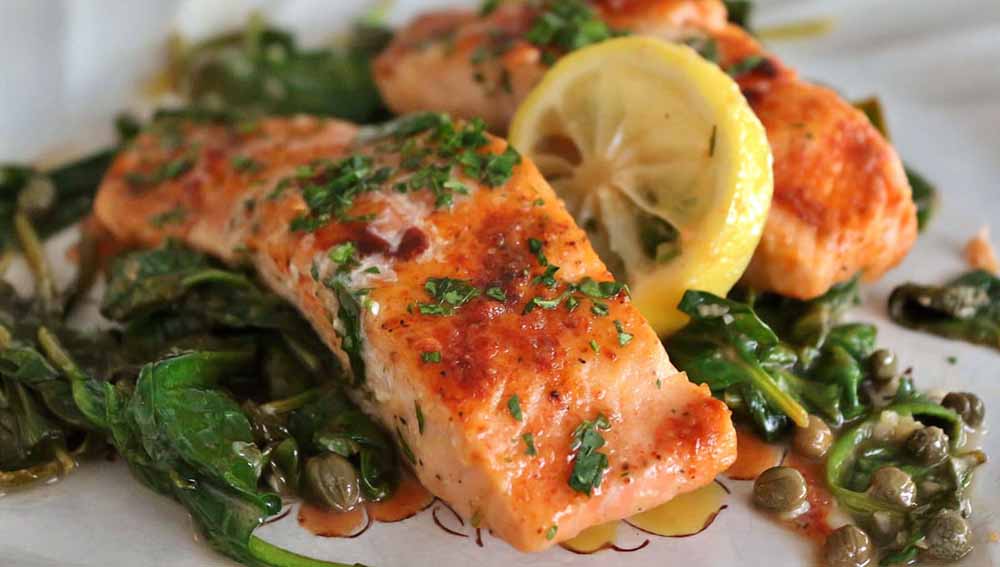
Most people think fat makes you fat. Omega-3 fats do the opposite. Salmon has lots of EPA and DHA. These are omega-3 fats that lower swelling in your body. Long-term swelling makes weight loss hard. It messes with how your body uses insulin. Fix the swelling, and your body can burn fat better. Three to four ounces of salmon also give you a full day of vitamin D. Studies show vitamin D helps with metabolism and hunger control.
How to eat it:
- Grilled with lemon and herbs (easy, 5 minutes)
- In a salad over arugula with olive oil and vinegar
- Baked at 400°F for 12 to 15 minutes until it just starts to flake
Skip: Overcooking. Salmon gets dry fast. Cook it to 125°F inside. It will still be a bit see-through in the middle. That means it is perfect and moist.
4. Avocado: The Creamy Fullness Hack

Avocados get a bad name because they have lots of calories. But they have lots of calories from fat that fills you up. The monounsaturated fats in avocado tell your brain “I am full.” The fiber slows your digestion and keeps your blood sugar steady. So you do not crash at 2 p.m. and reach for snacks. One-third of a medium avocado is about 80 calories. It really does fill you up.
How to eat it:
- Sliced on whole-grain toast with sea salt and red pepper flakes
- In salads (makes them creamy without dressing)
- Blended into smoothies for thickness without sugar
- In a simple bowl with lime juice, cilantro, and a pinch of salt
Skip: Store-bought guacamole. It often has extra oils and stuff that bump up the calories. Make it fresh. It takes three minutes.
5. Beans and Legumes: The Fiber Powerhouses
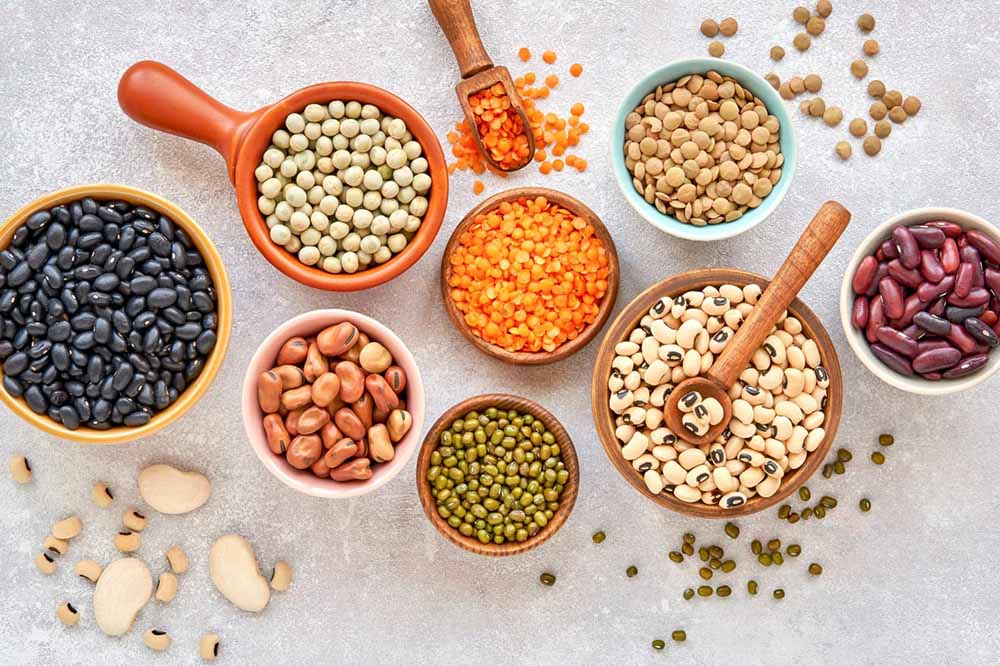
One cup of cooked lentils has 18 grams of protein and 15 grams of fiber. Most protein bars have 20 grams of protein and 1 gram of fiber. Lentils beat them on nutrition and cost way less. The fiber is the magic part. It grows in your belly and keeps you full for hours. Beans also have resistant starch. Your body works on this kind of starch in a different way. It feeds good gut bugs and does not spike your blood sugar.
How to eat them:
- Lentil soup with veggies and broth
- Chickpea “tuna” salad (mashed chickpeas + celery + lemon juice)
- Black bean chili with ground turkey
- Roasted chickpeas as a crunchy snack
Skip: Canned baked beans. They have lots of added sugar. Buy “no added sugar” kinds or cook dry beans yourself. It costs less and tastes better.
6. Chia Seeds: The Expansion Trick
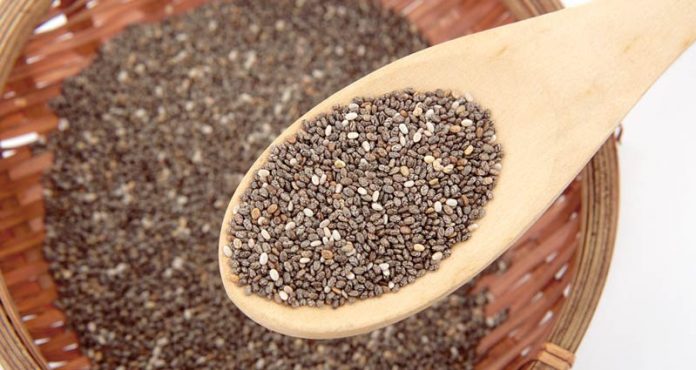
Chia seeds soak up liquid and turn into a gel. When you eat them, they grow in your belly and take up more room. Two spoons of chia seeds have 11 grams of fiber and 3 grams of protein. They also have omega-3 ALA. That is a plant fat that helps your heart. Important: Always soak chia seeds first. Dry seeds can soak up water in your throat. That is not dangerous, but it feels odd. Soaked seeds work the way you want.
How to eat them:
- Chia pudding (soak them in almond milk overnight)
- Sprinkled on Greek yogurt
- Mixed into smoothies
- Added to oatmeal
7. Chicken Breast: The Lean Protein Machine
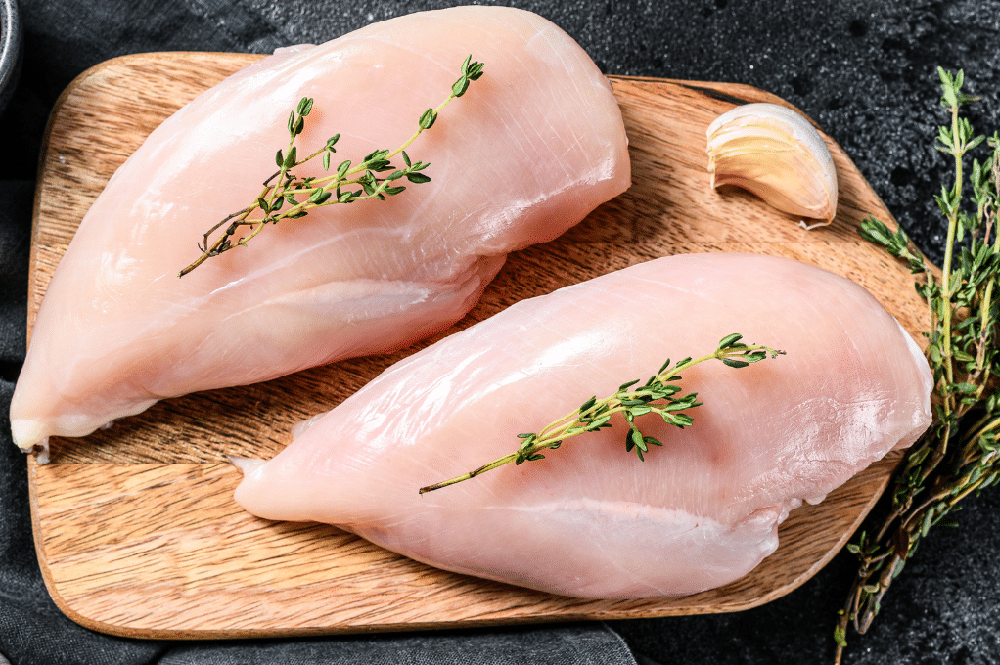
Chicken breast has 31 grams of protein for 165 calories. It is almost pure lean protein with almost no carbs or fat. Your body burns a lot of those calories just breaking the chicken down. Plus, you can cook it so many ways you will never get bored.
How to eat it:
- Grilled and sliced over a salad
- Shredded in a slow cooker (set it in the morning, eat it at dinner)
- Baked with herbs and served with roasted veggies
- Diced into soups and stir-fries
Skip: The skin and dark meat if you want to lose weight. They taste good but add 50-plus calories and 5-plus grams of fat per serving. Once you reach your goal weight, you can eat them again.
8. Cruciferous Vegetables: The Detox Vegetables
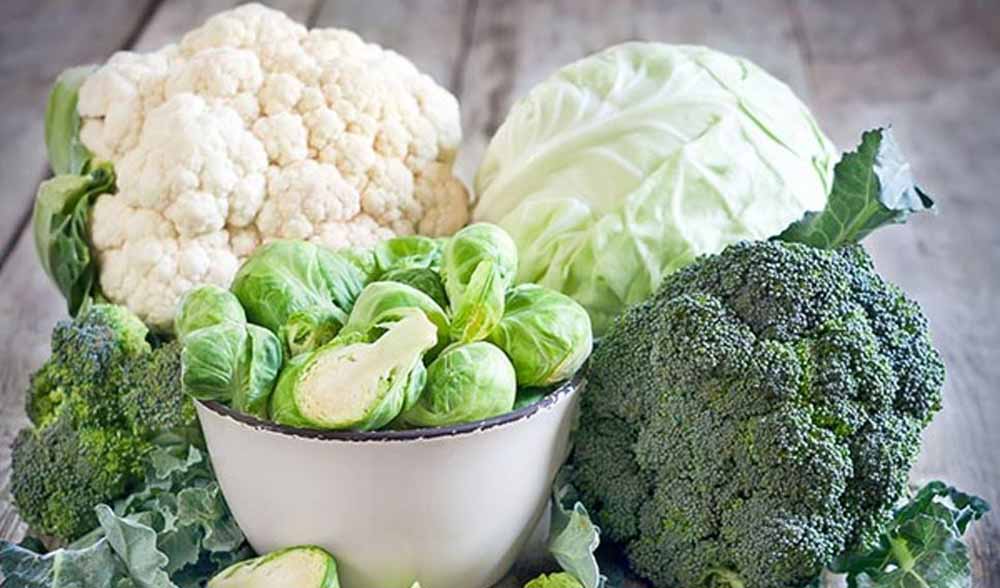
Broccoli, cauliflower, Brussels sprouts, and cabbage have sulforaphane. That is a chemical that helps your liver clean your body. Why does that matter for weight loss? When you lose fat, your body lets go of stored toxins. A liver that works well handles this better. These veggies also have almost no calories (30 per cup of broccoli) but lots of fiber and vitamins.
How to eat them:
- Roasted with olive oil and sea salt until brown
- Steamed with lemon juice
- Raw in a slaw with apple cider vinegar dressing
- In soups and stir-fries
Skip: Boiling. It washes the good stuff out into the water. Roast or steam instead.
9. Berries: The Low-Sugar Fruit
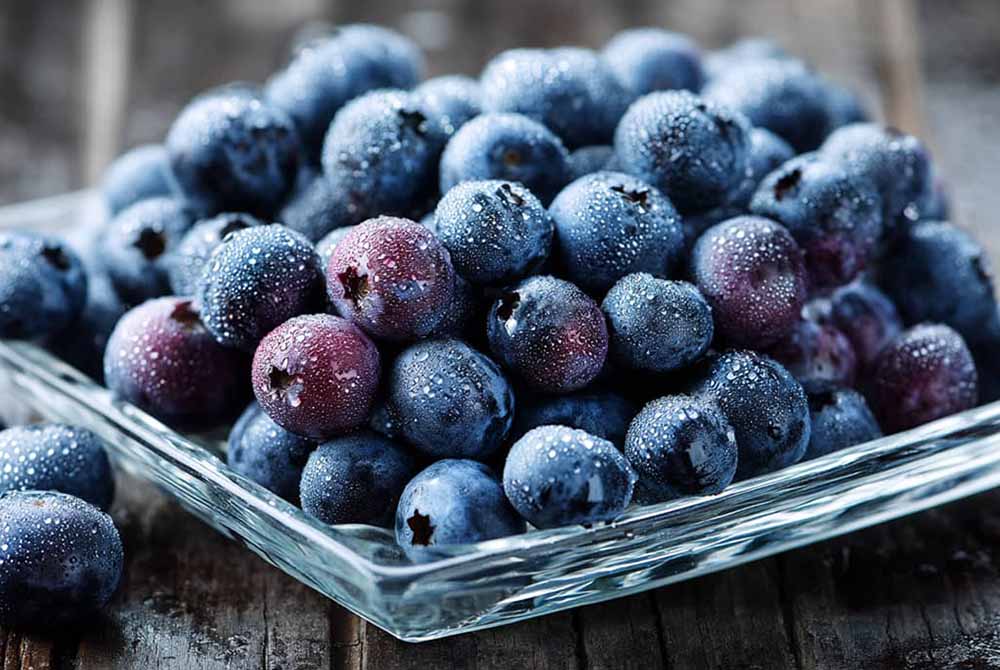
Most fruits have lots of natural sugar (fructose). That can still spike your blood sugar and make you hungry. Berries are different. Raspberries have 8 grams of fiber per cup and only 64 calories. Blueberries have anthocyanins. Those are antioxidants that help your body use insulin better. The sugar load is low. They will not crash your energy or make you crave more.
How to eat them:
- Fresh or frozen in Greek yogurt
- In smoothies with protein powder
- Thawed and mixed into cottage cheese
- As a side with breakfast
Skip: Dried berries and fruit juice. They pack all the sugar in and take the fiber out. Stick with fresh or frozen.
10. Cottage Cheese: The Nighttime Protein
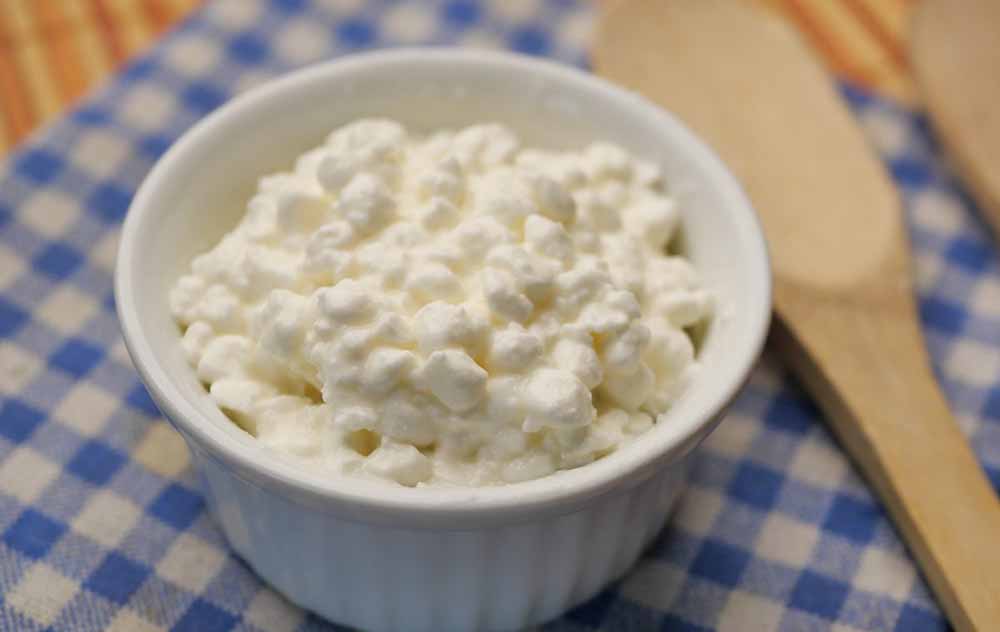
Cottage cheese has casein protein. That is the slow kind. It gives your body amino acids bit by bit over many hours. Eat it before bed. Your body gets a steady stream of protein all night. One amino acid called leucine helps you keep muscle when you cut calories. More muscle means a faster metabolism. One cup of low-fat cottage cheese has 28 grams of protein and only 160 calories.
How to eat it:
- Plain with black pepper and a pinch of sea salt
- Mixed with cucumber and dill
- With berries and a bit of honey
- Topped with everything bagel seasoning for a savory snack
Skip: High-salt kinds. Read the label. Pick brands with under 400mg of sodium per serving.
11. Whole Grains: The Fiber-Rich Carbs
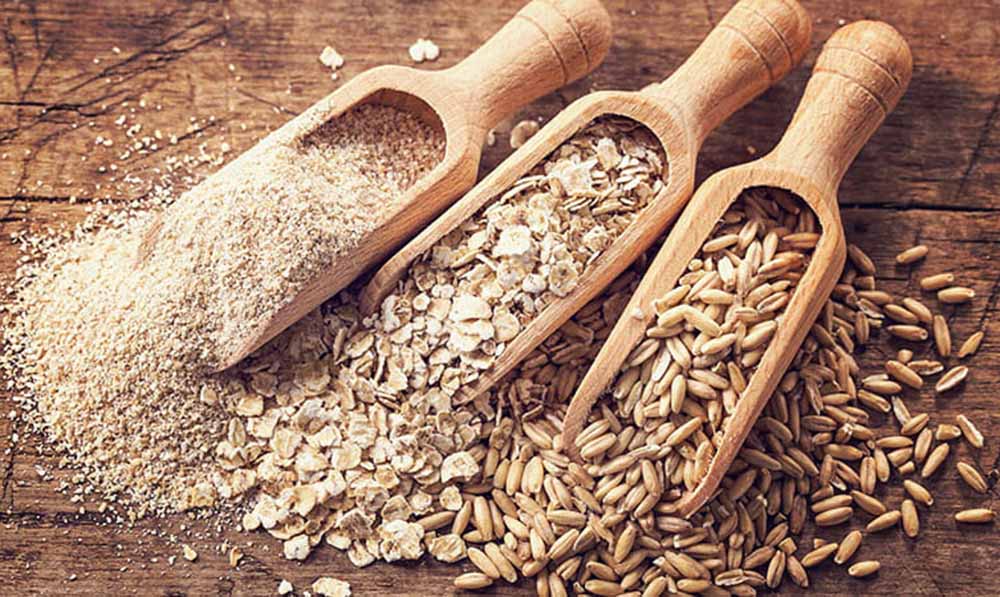
This one shocks people. Carbs are not bad. Refined carbs are. Whole grains (oats, quinoa, brown rice, barley) still have their fiber. That fiber slows digestion, steadies blood sugar, and keeps you full. They also have more vitamins than white flour foods. Watch your portion size. One serving is about 1/2 to 3/4 cup of cooked grain. Not a giant bowl.
How to eat them:
- Steel-cut oats for breakfast (digest slower than rolled oats)
- Quinoa salads with veggies
- Brown rice with beans and vegetables
- Barley in soups
Skip: “Whole grain” bread that lists white flour first. Check the label. Real whole wheat should be the first thing listed.
12. Nuts and Seeds: The Healthy Fat Portion

Almonds, walnuts, and sunflower seeds have lots of calories but fill you up. The fat and protein slow your digestion. The fiber (especially in almonds) adds bulk without spiking blood sugar. One ounce (about 23 almonds) has 6 grams of protein, 3.5 grams of fiber, and keeps hunger away for hours.
How to eat them:
- A small handful as a snack
- Sprinkled on salads
- Mixed into yogurt
- As nut butter (1 to 2 spoons, not straight from the jar)
Skip: Nuts roasted in oil and salt. Buy raw or dry-roasted. And measure your portions. It is easy to eat a whole bag without thinking.
How to Actually Build a Meal Plan With These Foods
Knowing the foods is one thing. Eating them is another. Here is a simple plan:
Breakfast: Protein + fiber + whole grains — Example: 2 eggs + spinach + 1 slice whole-grain toast with avocado. Lunch: Lean protein + veggies + healthy fat — Example: Grilled chicken breast + big salad with mixed greens + olive oil dressing. Snack: Protein + fiber — Example: Greek yogurt with berries and chia seeds. Dinner: Lean protein + cruciferous veggies + whole grain or legume — Example: Baked salmon + roasted broccoli + 1/2 cup brown rice. Before bed (optional): Slow protein — Example: 1/2 cup cottage cheese with a pinch of salt.
This way, every meal has protein (keeps you full), fiber (steadies blood sugar), and whole foods (tasty and good for you).
The One Thing to Remember
Feeling full beats willpower every single time. You can’t white-knuckle your way through weight loss while you are hungry. The moment you eat food that truly fills you up—protein, fiber, whole foods—everything gets easier. You eat less without trying. Cravings fade. The weight comes off without the pain.
5 Questions People Always Ask
Q: Can I eat these foods and still lose weight if I eat too many calories? A: No. Calories still matter. But these foods make it much easier to eat fewer calories because they keep you full. You will eat less without trying.
Q: Should I eat all 12 of these foods every day? A: No. Switch them up. Eat salmon three times a week, eggs three times, and pick different veggies. Variety gives you more nutrients and stops you from getting bored.
Q: What if I do not like some of these foods? A: Pick the ones you like and build meals around them. You need at least 5 or 6 foods you truly enjoy or you will quit. No food is perfect. The best food is the one you will actually eat.
Q: How long until I see results? A: Most people feel less hungry within 3 to 5 days. Visible weight loss usually takes 2 to 3 weeks. Do not stare at the scale. Focus on how you feel.
Q: Can I eat these foods if I am vegetarian or vegan? A: Most of them. Skip the salmon and chicken. Eat more beans, lentils, Greek yogurt (if you eat dairy), nuts, seeds, and whole grains. You will still hit your protein and fiber goals.
The Bottom Line
Weight loss does not have to hurt. It means eating food that really fills you up. The 12 foods in this article are not magic. They are not “fat-burning” or “metabolism-boosting” like clickbait says. They are simply foods with lots of protein, fiber, and nutrients. They fill you up, keep you full, and help you eat fewer calories without the constant hunger.
Start with three foods you like. Build your meals around them. Add the others over time. In a few weeks, you will notice you think about food less. Your energy stays steady. The weight comes off without the emotional roller coaster. That is not a diet. That is just eating better.
References
- Vander Wal, J. S., et al. (2005). “Egg consumption as part of an energy-restricted diet improves weight loss.” Nutrition & Metabolism.
- Astrup, A. (1999). “The satiating power of protein.” Journal of Nutrition.
- Mozaffarian, D., et al. (2011). “Changes in diet and lifestyle and long-term weight gain.” New England Journal of Medicine.
- King, N. A., et al. (2008). “Protein and satiety.” Current Opinion in Clinical Nutrition.
Recommended Article
Hormone Balancing Diet: What It Is, How It Works, and Where to Start
Candida Diet Recipes: How to Follow the Candida Diet as a Complete Beginner
How to Get a Natural Glow While Dieting: What Actually Works