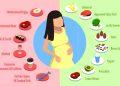


A soft food diet after surgery is a structured eating plan designed to give your body the nutrition it needs while minimizing strain on healing tissues. Whether you have had abdominal, bariatric, dental, or throat surgery, this diet helps protect surgical sites and reduces the risk of complications like tearing or blockage. Most patients move through three phases—clear liquids, full liquids, and soft solids—over a period of two to six weeks, depending on the procedure. Always follow your surgeon’s specific timeline, as these general guidelines are a starting point and not a substitute for medical advice.
What Is a Soft Food Diet After Surgery?
A soft food diet after surgery is a structured eating plan that limits hard, chewy, crunchy, or fibrous foods while healing takes place. It reduces the mechanical stress on surgical sites—whether in the mouth, throat, stomach, or intestines—and lowers the risk of complications like tearing, blockages, or infection during recovery. Surgeons typically prescribe this diet after procedures including abdominal surgery, bariatric (weight loss) surgery, gastrointestinal surgery, dental surgery, tonsillectomy, and esophageal procedures. The exact foods allowed and the length of the diet vary based on the surgery type and how quickly the patient heals (Cleveland Clinic, 2024).
The diet is not about eating less—it is about eating in a way that does not interfere with healing tissue. Protein intake, hydration, and nutrient density all matter during this period. By focusing on gentle, nourishing foods, you can support your body’s recovery without putting unnecessary strain on sensitive areas.
The Three Phases of Post-Surgery Eating
Most post-surgical diets follow a progression from liquids to soft solids, and rushing through these phases is one of the most common mistakes patients make. Moving too fast can cause nausea, pain, vomiting, or damage to the surgical site, so patience is essential. Below is the typical four-phase timeline, which serves as a general guide for recovery.
- Phase 1: Clear Liquids – Days 1-2 post-op; includes broth, water, ice chips, and diluted juice.
- Phase 2: Full Liquids – Days 2-7; includes protein shakes, thinned yogurt, and smooth soups.
- Phase 3: Soft Solids – Week 2-6; includes scrambled eggs, soft fish, and mashed foods.
- Phase 4: Regular Diet – Week 4-8+; surgeon-cleared return to normal eating.
The timeline above is a general guide, but individual recovery varies significantly. Bariatric surgery patients may spend several weeks on each phase, while dental surgery patients may return to soft solids within a few days (Academy of Nutrition and Dietetics, 2023). Always consult your healthcare team before advancing to the next phase.
What to Eat on a Soft Food Diet: A Full Food List
The best soft foods after surgery are easy to chew, easy to swallow, gentle on the stomach, and high in protein and nutrients to support tissue repair. Below is a category-by-category breakdown of recommended foods that align with these criteria. Incorporate these options into your meals to ensure you get balanced nutrition during recovery.
- Dairy: Scrambled eggs, yogurt (plain or Greek), cottage cheese, soft cheeses like ricotta or mozzarella, and milk or cream-based soups.
- Grains: Oatmeal, cream of wheat, soft-cooked pasta, mashed potatoes, and well-cooked rice or quinoa.
- Protein: Soft fish (such as salmon or cod), shredded chicken or turkey, tofu, smooth nut butters, and protein shakes or smoothies.
- Vegetables: Well-cooked carrots, spinach, squash, zucchini, and pureed vegetable soups (like tomato or butternut squash).
- Fruits: Ripe bananas, applesauce, canned or cooked fruits (without skins or seeds), and fruit smoothies.
- Other: Broths, clear soups, gelatin, pudding, custard, and ice cream or sorbet in moderation.
Focus on variety to prevent nutritional deficiencies, and aim for small, frequent meals rather than large portions. Staying hydrated is equally important, so drink plenty of water and clear liquids throughout the day.
Protein sources that work during recovery
Protein is the cornerstone of post-surgical recovery, and several soft options provide this essential nutrient without placing stress on healing tissue. These protein sources require minimal to no chewing and are well tolerated by most patients in the early stages of recovery.
- Scrambled or poached eggs – soft, high in protein, easy to digest, and very well tolerated by most post-surgical patients.
- Soft white fish (tilapia, cod, sole) – flakes apart with no chewing effort and delivers lean protein essential for wound healing.
- Canned tuna or salmon in water – mash with a fork and eat plain or mixed into soft foods like mashed potato.
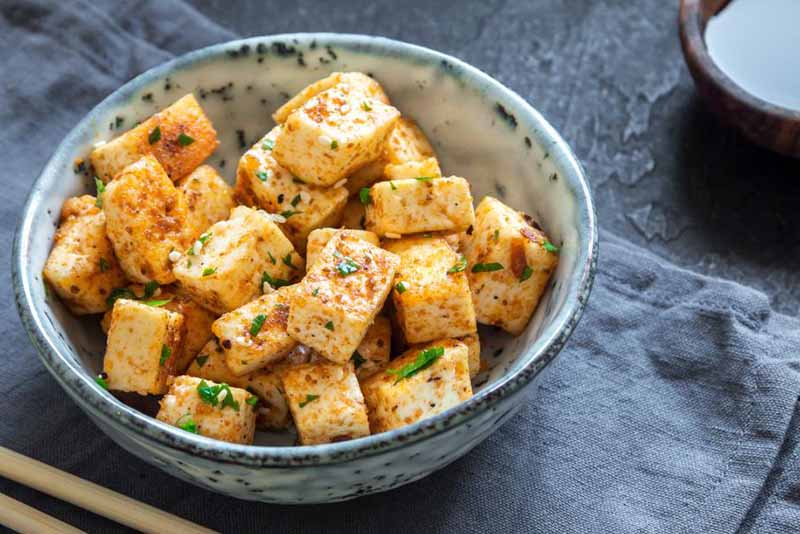
- Tofu (silken or soft) – a plant-based protein that requires no chewing and blends well into soups or smoothies.
- Greek yogurt (plain, no added fruit chunks) – high in protein and probiotics; choose full-fat for more calories if appetite is low.
- Cottage cheese – smooth texture, high protein, and gentle on the digestive tract.
Grains and starches that are safe to eat
Grains and starches provide the energy your body needs to heal while being gentle on the digestive system. The key is to prepare them until they are very soft and easy to swallow without effort.
- Oatmeal (cooked until very soft) – provides fiber and slow-release energy; avoid instant varieties with added sugar.
- Mashed potatoes (no skin, no lumps) – easy to swallow and can be enriched with butter or olive oil for added calories.
- White rice (well-cooked and moist) – bland and easy to digest; avoid brown rice in the early phases due to its tougher texture.
- Cream of wheat or rice porridge – smooth, warm, and easy to swallow even in phase two of recovery.
- Soft pasta (cooked until very tender) – works from week two onward; avoid al dente textures.
Vegetables and fruits that are safe
Fruits and vegetables supply critical vitamins and minerals that support healing, but they must be prepared to a soft consistency. The following options require minimal preparation and are well tolerated during recovery.
- Mashed sweet potato or pumpkin – naturally soft and rich in vitamin A and potassium, both important during recovery.
- Well-cooked carrots, zucchini, or squash – steam or boil until they crush easily between two fingers before serving.
- Avocado – no cooking required; soft, calorie-dense, and full of healthy fats that support recovery.
- Ripe banana – requires no preparation, gentle on the stomach, and provides potassium.
- Canned peaches or pears in juice (not syrup) – soft by nature; drain well and eat without the skin.
- Applesauce (unsweetened) – one of the most tolerated foods across all phases of post-surgical eating.
Liquids and soups that provide nutrition
When solid food intake is limited, liquids and soups can deliver essential nutrients in a form that is easy to consume and digest. These options work especially well during the earliest phases of recovery when chewing is not possible.
- Bone broth or low-sodium chicken broth – provides collagen, electrolytes, and warmth; safe even in phase one.
- Smooth blended soups (butternut squash, tomato, lentil) – blend until completely smooth with no lumps or fibrous pieces.
- Protein shakes or meal replacement shakes – useful when solid food intake is still limited; choose low-sugar options.
- Smoothies made with yogurt, banana, and nut butter – high in protein and calories; avoid seeds and raw leafy greens.
What to Avoid on a Soft Food Diet After Surgery
Foods to avoid are anything that requires significant chewing, puts pressure on healing tissue, irritates the stomach, or creates a blockage risk. The list is longer than most patients expect, and understanding these restrictions is crucial for a safe recovery.
| Food Category | Examples to Avoid | Why It’s a Problem |
|---|---|---|
| Tough meats | Steak, pork chops, chicken breast (dry), jerky | Requires heavy chewing; fibrous strands can irritate surgical sites |
| Raw vegetables | Carrots, celery, broccoli, salad greens | Too hard to chew safely; high-fiber types can cause bloating |
| Bread and doughy foods | Bagels, white bread, rolls, pizza dough | Compresses into a gummy mass that is hard to swallow and digest |
| Nuts and seeds | Almonds, walnuts, chia seeds, sunflower seeds | Small, hard pieces that can lodge in surgical sites or irritate tissue |
| Fried and fatty foods | French fries, fried chicken, chips | Slow gastric emptying; trigger nausea and vomiting in early recovery |
| Spicy foods | Hot sauce, chili, heavily seasoned dishes | Can irritate healing mucosal tissue in the digestive tract |
| Carbonated drinks | Soda, sparkling water, beer | Gas causes bloating and discomfort; pressure can stress abdominal incisions |
| Alcohol | All types | Dehydrates, interferes with medications, and delays wound healing |
| Hard fruits | Apples (raw), pears (raw), pineapple chunks | Hard texture requires chewing that can strain mouth or abdominal wounds |
| Dried fruits | Raisins, dates, prunes | Sticky texture; can adhere to and irritate surgical sites |
If eating causes sharp pain, gagging, inability to swallow, or vomiting, stop immediately and contact your surgical team. These are not normal recovery symptoms.
How to Get Enough Protein After Surgery When Appetite Is Low
Protein is the single most important nutrient for post-surgical healing. It repairs tissue, supports immune function, and prevents muscle loss during a period when activity is limited. Most adults need 60 to 80 grams of protein per day during recovery – and bariatric patients may need up to 100 grams (American Society for Metabolic and Bariatric Surgery, 2023).
The challenge is that appetite often drops significantly after surgery. Here are practical ways to hit protein targets without forcing large meals:
Add unflavored protein powder to soups, mashed potatoes, oatmeal, or smoothies – it dissolves without changing texture or flavor significantly.
Eat protein first at every meal before touching carbohydrates or fats – this ensures the highest-priority nutrient gets in before fullness sets in.
Use Greek yogurt and cottage cheese as snacks between meals rather than saving them for mealtimes only.
Choose high-protein liquids like bone broth or milk-based protein shakes for phase one and two when solid food is not yet possible.
Eat small amounts every 2 to 3 hours rather than three large meals – this is easier on the healing stomach and keeps nutrient intake steady.
Meal Ideas for Each Phase of Recovery
Having ready-made meal ideas removes decision fatigue during a period when energy is limited. These options are structured by recovery phase.
Phase 1 and 2 meal ideas (clear and full liquids)
Warm bone broth with a small amount of dissolved protein powder – simple, savory, and filling for early recovery days.
Thinned Greek yogurt blended with ripe banana and a small amount of nut butter – high in protein and calories in liquid form.
Smooth butternut squash soup blended until completely lump-free – provides vitamins and warmth without any chewing.
Milk-based protein shake with no added seeds, chunks, or fibrous ingredients – aim for 20 to 30 grams of protein per serving.
Phase 3 meal ideas (soft solids, week 2 onward)
Scrambled eggs with soft mashed avocado – a high-protein, high-fat breakfast that requires minimal chewing effort.
Soft white fish (steamed cod or tilapia) with mashed sweet potato – a complete meal with protein, carbohydrates, and micronutrients.
Cottage cheese with ripe banana slices and a drizzle of honey – works as a meal or a snack, no preparation needed.
Well-cooked oatmeal with nut butter stirred in – adds protein and healthy fat to a naturally soft grain.
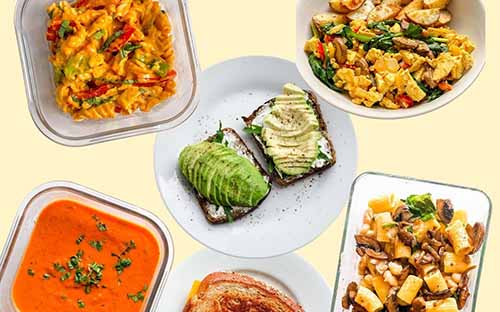
Soft-cooked pasta with a smooth tomato sauce and very finely minced ground turkey – a more substantial meal once soft solids are tolerated.
Common Mistakes Patients Make on a Post-Surgery Soft Diet
These are the errors that most often slow recovery or cause setbacks during the soft food phase.
Moving too fast through phases: eating soft solids before the digestive tract is ready is the most common reason for post-surgical nausea and pain. Follow the surgeon’s timeline, not hunger cues alone.
Skipping protein: many patients default to crackers, soup broth, and applesauce without hitting protein targets. Tissue cannot repair without adequate protein intake.
Eating too much in one sitting: the stomach is often smaller or more sensitive after surgery. Overeating causes vomiting, pain, or discomfort that sets back recovery.
Forgetting hydration: dehydration is common after surgery. Aim for at least 6 to 8 cups of water daily and sip consistently rather than drinking large amounts at once.
Using bread as a soft food: bread feels soft but compresses into a dense, doughy mass that is hard to digest and can cause blockages, especially after gastrointestinal surgery.
Ignoring food temperature: very hot foods can irritate surgical sites in the mouth or esophagus. Stick to warm or room-temperature foods in the early phases.
Frequently Asked Questions About Soft Food Diet After Surgery
What is a soft food diet after surgery?
A soft food diet after surgery is a medically recommended eating plan that eliminates hard, chewy, crunchy, or fibrous foods during the healing period. It protects surgical sites from mechanical stress while ensuring the patient still gets adequate nutrition through easy-to-eat, nutrient-dense foods like eggs, yogurt, mashed vegetables, soft fish, and smooth soups.
How long do you have to eat soft foods after surgery?
The duration depends on the surgery type. After dental surgery, soft foods are typically needed for 3 to 7 days. After abdominal or gastrointestinal surgery, the soft food phase usually lasts 2 to 6 weeks. After bariatric surgery, patients may follow a staged diet for 6 to 8 weeks before returning to normal foods. Your surgeon or dietitian will give you a specific timeline (Cleveland Clinic, 2024).
What soft foods are high in protein after surgery?
The best high-protein soft foods after surgery are scrambled or poached eggs (6 grams of protein each), Greek yogurt (15 to 20 grams per cup), cottage cheese (14 grams per half cup), soft white fish like tilapia or cod (20 grams per 3 oz serving), silken tofu (8 grams per half cup), and protein shakes or powders added to liquids or soft foods.
Can you eat pasta on a soft food diet after surgery?
Yes, but only from week two onward in most cases, and only when cooked until very tender — not al dente. Pasta works best in phase three of the post-surgical diet. Pair it with a smooth sauce and finely minced or pureed protein. Avoid pasta with chunky vegetables, whole herbs, or tough meat pieces.
Is yogurt good to eat after surgery?
Yes. Plain Greek yogurt is one of the best post-surgical foods available. It is soft, high in protein (15 to 20 grams per cup), rich in probiotics that support gut recovery, and very well tolerated by most patients. Choose full-fat plain yogurt without added fruit chunks, granola, or high-sugar flavorings. It works in both the full liquid and soft solid phases.
What foods should you avoid after surgery?
Avoid tough meats, raw vegetables, bread, nuts, seeds, fried foods, spicy foods, carbonated drinks, alcohol, dried fruits, and anything that requires significant chewing. These foods either put mechanical strain on the healing surgical site, irritate tissue, slow digestion, or create a risk of blockage in the gastrointestinal tract.
Can you drink coffee after surgery?
In most cases, black coffee is not recommended in the first 1 to 2 weeks after surgery. Caffeine is a diuretic that increases dehydration risk, and coffee can irritate the stomach lining and slow healing. After the initial recovery phase, many surgeons allow moderate coffee consumption. Always check with your surgical team before reintroducing caffeine.
Recommended Article
Soft Food Diet: What Actually Works (And What Nobody Tells You)
The Complete Low Cholesterol Diet Plan: A 7-Day Heart-Healthy Meal Plan to Lower LDL Naturally