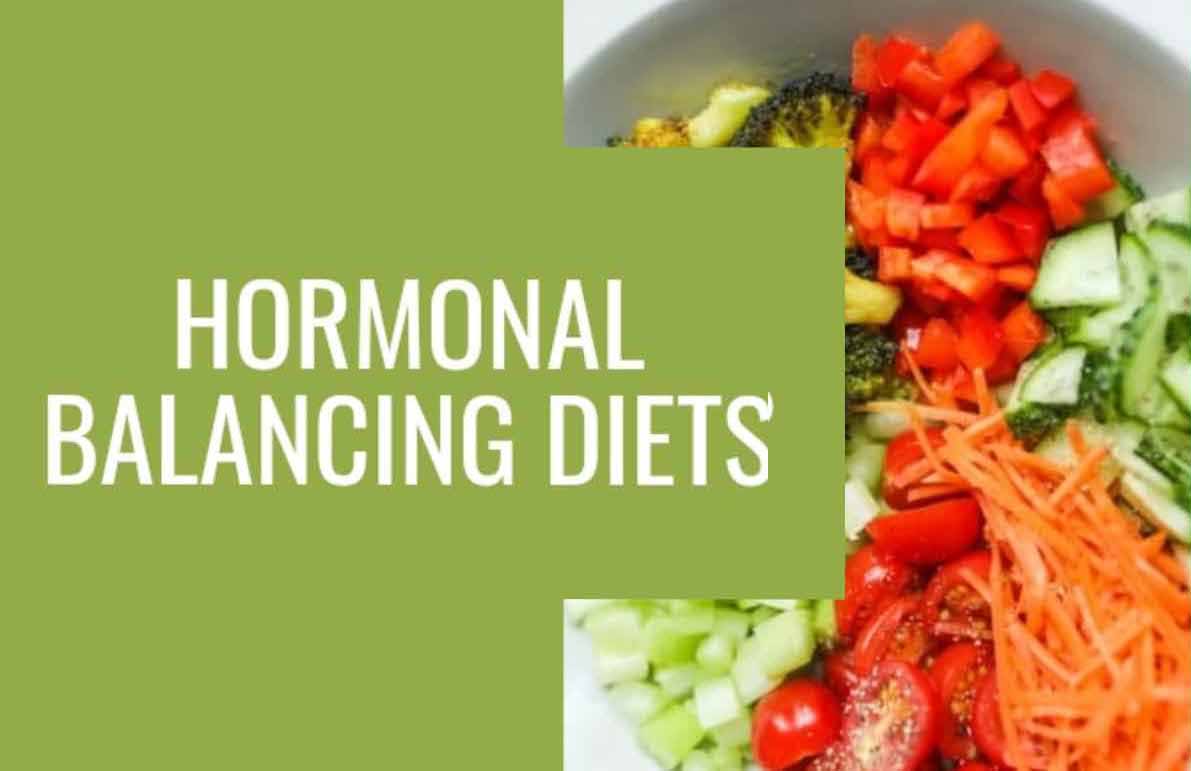
A hormone balancing diet is an eating pattern designed to support your body’s ability to produce, regulate, and eliminate hormones efficiently. Most adults can see measurable improvements in energy, mood, and sleep within 4-6 weeks of consistent dietary changes, according to the Cleveland Clinic (2023). This guide explains what a hormone balancing diet actually is, how food influences your endocrine system, and the three dietary pillars that make the biggest difference.

TL;DR
- A hormone balancing diet is an eating pattern designed to support the body’s ability to produce, regulate, and clear hormones efficiently.
- Blood sugar stability is the single most important dietary factor for hormone health — unstable blood sugar disrupts cortisol, insulin, and sex hormones simultaneously.
- Foods high in fiber, healthy fats, and quality protein are the three pillars of a hormone-supportive diet.
- Ultra-processed foods, excess added sugar, and alcohol are the top dietary triggers for hormonal disruption.
- Most adults can see measurable improvements in energy, mood, and sleep within 4-6 weeks of consistent dietary changes (Cleveland Clinic, 2023).
What Is a Hormone Balancing Diet?
A hormone balancing diet is an eating approach that gives your body the nutrients it needs to produce hormones correctly, use them efficiently, and eliminate excess hormones through the liver and gut. It is not a single named diet or a specific meal plan — it is a set of food principles that support your endocrine system. Your endocrine system produces over 50 hormones, including insulin, cortisol, estrogen, testosterone, and thyroid hormones (NIH, 2022). Each of these requires specific raw materials from food — fats, proteins, vitamins, and minerals — to function properly, and when those materials are missing or when the diet actively interferes with hormone signaling, imbalances develop. The goal is not to “boost” any single hormone; instead, the goal is to remove dietary interference and supply the right building blocks so your body can regulate itself.
Why Food Has Such a Direct Effect on Hormones
Food is one of the strongest hormonal signals your body receives multiple times per day. Every meal triggers an insulin response, every period of undereating raises cortisol, and every gram of dietary fat provides the raw material for steroid hormones like estrogen and testosterone. Hormones are not produced in isolation — they operate in networks where one imbalance cascades into others. For example, chronically high insulin raises androgen levels, which disrupts the menstrual cycle (Harvard T.H. Chan School of Public Health, 2021), while high cortisol from poor diet and stress suppresses thyroid hormone conversion (NIH, 2020). Low dietary fat reduces the production of all steroid hormones, including estrogen and testosterone (Journal of Clinical Endocrinology & Metabolism, 2021), which is why dietary changes tend to produce broad improvements — better sleep, more stable energy, improved mood — rather than fixing one isolated symptom.
The 3 Dietary Pillars That Support Hormone Health
Pillar 1: Blood Sugar Stability
Stable blood sugar is the foundation of hormone balance. When blood sugar spikes sharply after a meal, the pancreas releases a large burst of insulin, and when this happens repeatedly, cells become less responsive to insulin — a condition called insulin resistance — which then drives up androgen production and suppresses ovulation in women, and lowers testosterone in men (Johns Hopkins Medicine, 2023). To stabilize blood sugar, eat protein and fat alongside every carbohydrate source rather than carbohydrates alone, and choose whole food carbohydrates like oats, sweet potato, legumes, and fruit over refined ones such as white bread, crackers, and sugary drinks. Avoid skipping meals for long stretches, which triggers a cortisol spike that further destabilizes blood sugar.
Pillar 2: Adequate Healthy Fats
Cholesterol and fatty acids are the direct precursors to every steroid hormone in the body, and cutting dietary fat too low — below 20% of total calories — measurably reduces estrogen and testosterone levels (Journal of Clinical Endocrinology & Metabolism, 2021). The best fat sources for hormone production include omega-3 fatty acids from salmon, sardines, mackerel, walnuts, and flaxseed, which reduce inflammatory signaling that interferes with hormone receptors, as well as monounsaturated fats from olive oil, avocado, and almonds. Saturated fat in moderate amounts from eggs and full-fat dairy provides cholesterol for steroid hormone synthesis, but the fats to reduce are industrial seed oils (soybean, corn, sunflower oil) consumed in large quantities, as excess omega-6 intake from these sources promotes inflammatory signaling (NIH, 2021).
Pillar 3: High-Fiber Vegetables and Legumes
The liver processes used hormones and sends them to the gut for elimination, but if the gut is slow — due to low fiber intake — those hormones get reabsorbed instead of excreted. This is a primary driver of estrogen excess in both men and women (Harvard T.H. Chan School of Public Health, 2022). To support proper hormone elimination, aim for at least 25-30 grams of fiber daily from a variety of vegetables, fruits, legumes, and whole grains, as this helps maintain regular bowel movements and prevents the reabsorption of used hormones. Fiber also feeds beneficial gut bacteria that play a role in metabolizing estrogen and other hormones, which further supports overall hormonal balance.
Fiber also feeds the gut microbiome. The gut microbiome directly controls a process called the estrobolome — the collection of bacteria that metabolize and eliminate estrogens (NIH, 2019). A low-fiber diet degrades this system.
Target 25-35 grams of fiber per day from:
- Cruciferous vegetables: broccoli, cauliflower, Brussels sprouts, cabbage
- Legumes: lentils, chickpeas, black beans
- Whole grains: oats, quinoa, brown rice
- Fruit with the skin on: apples, pears, berries
Foods That Disrupt Hormones — and What to Replace Them With
| Disruptive Food | Why It Causes Problems | Better Option |
|---|---|---|
| Added sugar and sugary drinks | Triggers insulin spikes, raises androgens | Whole fruit, water, unsweetened drinks |
| Ultra-processed snacks | High in refined carbs and seed oils, drives inflammation | Nuts, seeds, boiled eggs, whole food snacks |
| Alcohol | Impairs liver’s ability to clear estrogen, raises cortisol | Sparkling water, kombucha |
| Soy in large quantities | Contains phytoestrogens that can interfere with estrogen signaling at high intake | Moderate amounts of whole soy (edamame, tofu) are fine |
| Conventional dairy with added hormones | May contribute to androgen load | Organic dairy or plant-based alternatives if sensitive |
One important note: no single food “destroys” your hormones from a single exposure. The problem is consistent, high-volume consumption over weeks and months. Occasional treats do not require correction.
What a Hormone Balancing Day of Eating Looks Like
This is a sample day for a beginner — no supplements, no specialty products required.
Breakfast: Two eggs scrambled in olive oil, one slice of whole grain toast, half an avocado, and a handful of berries.
- Why: Protein and fat blunt the insulin response from the toast. Avocado provides monounsaturated fat for steroid hormone production.
Lunch: Large salad with mixed greens, grilled chicken or chickpeas, cucumber, olive oil and lemon dressing, and a side of lentil soup.
- Why: High fiber from greens and lentils supports estrogen clearance. Protein keeps blood sugar stable through the afternoon.
Dinner: Baked salmon with roasted broccoli and sweet potato.
- Why: Salmon provides omega-3s. Broccoli contains indole-3-carbinol, a compound that supports liver estrogen metabolism (NIH, 2020). Sweet potato provides slow-digesting carbohydrates.
Snack (if needed): A small handful of walnuts and an apple.
- Why: Fat and fiber together prevent blood sugar dips that trigger cortisol.
Common Mistakes Beginners Make with a Hormone Balancing Diet
Cutting fat too aggressively: Many beginners combine hormone balancing with calorie restriction and drop fat too low. This directly reduces sex hormone production. Keep fat at 25-35% of total calories.
Eating “healthy” carbs without protein or fat: A bowl of oats with no protein and no fat still produces a significant insulin response. Always pair carbohydrates with at least one protein or fat source.
Ignoring the gut: Supplements and clean eating have limited effect if the gut cannot eliminate processed hormones efficiently. Prioritize fiber and consider a quality probiotic if gut symptoms are present.
Expecting immediate results: Hormone levels shift slowly. Most adults need 4-8 weeks of consistent eating before noticing measurable changes in energy, skin, sleep, or cycle regularity (Cleveland Clinic, 2023).
Over-relying on supplements before fixing diet: Supplements like DIM, maca, and vitex can support hormone balance but do not fix a poor diet. Food comes first.
Frequently Asked Questions About Hormone Balancing Diet
What is a hormone balancing diet?
A hormone balancing diet is an eating pattern focused on stabilizing blood sugar, supplying adequate healthy fats, and supporting liver and gut function so the body can produce, use, and eliminate hormones efficiently. It is not a single named diet — it is a set of food principles applied consistently.
How long does it take for diet to balance hormones?
Most people notice early changes in energy and sleep within 2-3 weeks. More significant shifts — in menstrual cycle regularity, skin condition, or body composition — typically take 4-8 weeks of consistent eating (Cleveland Clinic, 2023). Hormonal conditions like PCOS or thyroid dysfunction may require longer timelines and medical supervision.
What are the best foods for hormone balance?
The most consistently supported foods are fatty fish (salmon, sardines), cruciferous vegetables (broccoli, cauliflower), legumes, eggs, avocado, and whole grains. These provide omega-3 fats, fiber, and quality protein — the three nutritional pillars most directly linked to hormone regulation.
Does sugar really affect hormones?
Yes. High sugar intake triggers large insulin responses repeatedly throughout the day. Over time, this leads to insulin resistance, which then raises androgen levels and disrupts the balance of other hormones including cortisol and thyroid hormones (Harvard T.H. Chan School of Public Health, 2021).
Do men need a hormone balancing diet too?
Yes. Men produce estrogen, insulin, cortisol, and testosterone – all of which are directly affected by diet. High sugar intake, excess alcohol, and low dietary fat reduce testosterone and raise estrogen in men just as they disrupt hormonal balance in women (Johns Hopkins Medicine, 2023). The same core dietary principles that support female hormonal health apply to men, including stable blood sugar and adequate healthy fat intake.
Is a hormone balancing diet the same as a keto or paleo diet?
No. A hormone balancing diet does not require carbohydrate restriction or the elimination of food groups. It emphasizes food quality, blood sugar stability, fiber intake, and healthy fats. Some people find keto or paleo approaches align with these principles, but neither is required for effective hormone support.
Key Takeaways
- A hormone balancing diet works by stabilizing blood sugar, providing fat for steroid hormone production, and supporting the gut and liver for hormone clearance.
- The three dietary pillars are blood sugar stability, healthy fats, and high-fiber vegetables and legumes.
- The main dietary disruptors are added sugar, ultra-processed foods, and alcohol – consumed in high quantities consistently over time.
- Results take 4-8 weeks. No single meal or supplement replaces consistent, whole-food eating.
- This approach works for both men and women – the same core principles apply across all hormonal systems.
Recommended Article
7 Day Oatmeal Diet Plan: Lose Weight Step by Step in 2025
Soft Food Diet: What Actually Works (And What Nobody Tells You)
The Complete Low Cholesterol Diet Plan: A 7-Day Heart-Healthy Meal Plan to Lower LDL Naturally