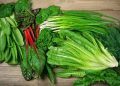



The candida diet removes sugar, gluten, alcohol, and processed foods to stop feeding Candida albicans – the yeast naturally present in your gut, mouth, and skin. Foods you can eat include non-starchy vegetables, lean proteins, healthy fats, low-sugar fruits like berries, and antifungal ingredients like garlic and coconut oil. There is limited clinical evidence that the diet directly treats candida infections, but reducing sugar and processed foods does support overall gut health (Healthline, 2024). Always consult a doctor before starting this diet, especially if you have an active candida infection or take medications.

What Is the Candida Diet and Who Is It For?
The candida diet is a low-sugar, anti-inflammatory eating plan designed to reduce the conditions that allow Candida albicans – a naturally occurring yeast – to overgrow in the body. It removes foods believed to feed yeast while adding foods that support gut balance. Candida albicans is the most common fungal species found in the human body, living in the mouth, gut, skin, and vagina without causing harm in most people (WHO, 2025). Problems begin when it multiplies beyond normal levels, a state called candida overgrowth or candidiasis, with symptoms including bloating, fatigue, brain fog, recurring yeast infections, oral thrush, and skin rashes.
The diet works best as a support strategy for people who have been diagnosed with a candida infection or who experience recurring symptoms. It is not a quick fix – some people notice changes within a few weeks, while others take several months (Healthgrades, 2025). It is important to note that the candida diet is not a replacement for antifungal medication when one is prescribed.
What Candida Eats: Why Food Choices Matter
Before looking at recipes, it helps to understand what you are actually trying to do with food choices. Candida albicans feeds on sugar – when blood sugar rises from refined carbohydrates, sugary drinks, or processed snacks, it gives the yeast the fuel it needs to expand its colonies and form biofilm, a protective layer that shields it from your immune system (The Candida Diet, 2025). This is why the diet targets sugar removal above everything else. Gluten is also removed because research links gluten exposure to higher levels of zonulin, a protein associated with increased gut permeability, commonly called leaky gut (The Candida Diet, 2025). A damaged gut lining makes it easier for Candida to spread beyond the digestive tract, and alcohol is removed for the same reason – it irritates the gut lining and destabilizes blood sugar, creating conditions where Candida can regrow faster than the gut can recover.
The second half of the diet is less about removal and more about addition. Antifungal foods like garlic (which contains allicin), coconut oil (caprylic and lauric acid), and ginger actively work against Candida at the cellular level by disrupting fungal membranes (The Candida Diet, 2025). Probiotic foods like plain unsweetened yogurt, kefir, kimchi, and sauerkraut help restore healthy bacteria that compete with Candida for space and nutrients (Nutranourish, 2026).
Foods You Can Eat on the Candida Diet
Non-Starchy Vegetables: The Base of Every Meal
Non-starchy vegetables form the backbone of the candida diet because they are low in net carbohydrates, high in fiber, and provide the nutrients your gut needs to repair itself. The best options include spinach, kale, arugula, and other leafy greens – eat these freely at every meal. Broccoli, cauliflower, cabbage, Brussels sprouts, and other cruciferous vegetables contain isothiocyanates, compounds that have shown antifungal activity in lab studies (Nutranourish, 2026), while cucumber, zucchini, celery, asparagus, green beans, and bell peppers are also excellent choices. Onions and garlic both have antifungal properties and should be used generously in cooking.
Starchy vegetables like potatoes, corn, beets, yams, and winter squash raise blood sugar faster and should be limited or avoided in the early weeks. However, rutabaga is a useful exception – it behaves like a low-sugar potato and has shown antifungal properties in lab settings (The Candida Diet, 2025).
Proteins: Lean and Clean
Protein is especially important on the candida diet because it replaces the calories you lose by cutting carbohydrates. Choose chicken and turkey (unprocessed, with no added sauces), wild-caught fish like salmon, sardines, and mackerel – salmon is also rich in omega-3 fatty acids, which support gut lining integrity (Amy Myers MD, 2024). Eggs, legumes and lentils in moderation (they contain some carbohydrates), and plain, unsweetened Greek yogurt or kefir (which provides a probiotic benefit) are all excellent protein sources for this diet.
Avoid processed meats, deli cuts with added sugars, and anything breaded or marinated in sugary sauces.
Healthy Fats: Essential, Not Optional
Good fats keep you full, steady your blood sugar, and several have direct antifungal activity. Including them in your daily meals is critical for both satiety and fighting the infection.
- Coconut oil: contains caprylic acid, capric acid, and lauric acid – all three shown to work against Candida albicans in studies (The Candida Diet, 2025). Use it for cooking and baking.
- Extra-virgin olive oil: contains phenolics like oleuropein with antimicrobial properties. Use it for salads and low-heat cooking.
- Avocado and avocado oil: anti-inflammatory and blood-sugar stable.
- Nuts and seeds: almonds, walnuts, flaxseed, chia seeds, and sunflower seeds. Choose raw and unsalted. Avoid peanuts and cashews, which are higher in mold.
Grains and Carbohydrates: Small Amounts Only
Most grains are removed from the candida diet. The few exceptions are pseudo-grains – plants that behave like grains but are not true cereals. These are acceptable in small portions.
- Quinoa
- Buckwheat
- Millet
Use almond flour and coconut flour for baking instead of wheat flour. These alternatives keep your carbohydrate intake low while providing fiber and nutrients.
Antifungal Herbs and Spices: Cook with These Daily
This is where candida diet recipes get their power. The following herbs and spices have documented antifungal properties and should be used generously in your cooking.
| Herb / Spice | Key Compound | What It Does |
|---|---|---|
| Garlic | Allicin | Damages fungal membranes, inhibits Candida biofilm (The Candida Diet, 2025) |
| Oregano | Carvacrol, thymol | Potent antifungal, disrupts Candida cell walls (The Candida Diet, 2025) |
| Ginger | Gingerols | Anti-inflammatory, antifungal activity (Femia Health, 2025) |
| Turmeric | Curcumin | Anti-inflammatory, antifungal (Femia Health, 2025) |
| Cinnamon | Cinnamaldehyde | Antifungal in lab and in vivo studies (The Candida Diet, 2025) |
| Thyme | Thymol | Inhibitory action against Candida species (Nutranourish, 2026) |
Foods to Avoid on the Candida Diet
Removing these foods is non-negotiable in the first four to six weeks. Strict adherence during this initial phase gives your body the best chance to reduce Candida overgrowth and rebalance your gut.
| Category | Specific Foods to Avoid |
|---|---|
| Sugars | All added sugars, honey, maple syrup, agave, corn syrup, fruit juice |
| Refined carbs | White bread, white rice, pasta, crackers, pastries |
| Gluten grains | Wheat, barley, rye, spelt |
| Alcohol | All types – beer, wine, spirits |
| High-sugar fruits | Bananas, grapes, mangoes, dried fruit |
| Certain dairy | Milk, soft cheeses, cream cheese, ice cream |
| Fermented foods (early stage) | Vinegar (except apple cider vinegar), soy sauce, pickles with vinegar |
| Processed foods | Anything with additives, preservatives, or ingredient lists longer than 10 items |
| Caffeine | Coffee and black tea in the first few weeks – transition to herbal tea |
Low-sugar fruits like berries, green apples, lemons, and limes are acceptable in small amounts. Plain, unsweetened dairy like Greek yogurt, kefir, butter, and ghee are also allowed.
7-Day Candida Diet Meal Plan
This plan gives you a repeatable structure for the first week. Portion sizes should match your energy needs – the goal is not calorie restriction but food quality. Focus on whole, unprocessed ingredients and use the herbs and spices listed above to add flavor without sugar or vinegar.
The following meal plan provides structured weekly options that respect the low-sugar, antifungal requirements of the candida diet. Each day includes four meals designed to stabilize blood sugar, support digestion, and gradually reduce candida overgrowth.
| Day | Breakfast | Lunch | Dinner | Snack |
|---|---|---|---|---|
| Monday | Scrambled eggs with garlic, spinach, and coconut oil | Large salad with grilled chicken, cucumber, avocado, olive oil, and lemon | Baked salmon with roasted broccoli and garlic | Handful of almonds + herbal tea |
| Tuesday | Coconut yogurt with chia seeds and a few blueberries | Zucchini noodles with ground turkey, olive oil, garlic, and fresh basil | Chicken breast baked with turmeric and ginger, served with cauliflower rice | Celery sticks with almond butter |
| Wednesday | Buckwheat porridge with cinnamon and flaxseed | Spinach and kale salad with hard-boiled eggs, pumpkin seeds, and ACV dressing | Stir-fried vegetables (broccoli, bok choy, onion) with wild salmon and coconut oil | Walnuts + chamomile tea |
| Thursday | Two eggs any style + sauteed asparagus and garlic | Lettuce wraps with ground chicken, ginger, coconut aminos, and shredded cabbage | Baked chicken thighs with oregano, lemon, and olive oil, served with steamed green beans | Plain Greek yogurt with cinnamon |
| Friday | Green smoothie: unsweetened almond milk, spinach, cucumber, half a green apple, chia seeds | Quinoa bowl with roasted cauliflower, avocado, pumpkin seeds, and tahini-lemon dressing | Pan-seared cod with garlic butter (or ghee), zucchini, and a side of sauerkraut | Sunflower seeds + herbal tea |
| Saturday | Coconut flour pancakes (see recipe below) with a few fresh raspberries | Tuna salad with olive oil, celery, red onion, and lemon on a bed of arugula | Slow-cooked chicken and vegetable soup with garlic, turmeric, and ginger | Sliced cucumber with avocado |
| Sunday | Veggie omelette with mushrooms, spinach, bell pepper, and turmeric | Large Buddha bowl: quinoa, grilled chicken, roasted rutabaga, greens, and ACV dressing | Baked salmon with coconut-lime sauce and roasted broccoli | Almonds + coconut yogurt |
ACV = apple cider vinegar. Use raw, unfiltered ACV like Bragg’s — it is the one vinegar allowed on the candida diet because of its antifungal properties (Amy Myers MD, 2024).
5 Simple Candida Diet Recipes for Beginners
Recipe 1: Garlic and Herb Baked Chicken
This is the most practical recipe to master first. It works for lunch and dinner, reheats well, and uses three antifungal ingredients in one dish.
Ingredients (2 servings):
- 2 chicken breasts
- 3 cloves garlic, minced
- 2 tablespoons olive oil
- Juice of half a lemon
- 1 teaspoon dried oregano
- 1 teaspoon dried thyme
- Salt and black pepper
Method:
- Preheat oven to 200°C (400°F).
- Mix garlic, olive oil, lemon juice, oregano, and thyme in a small bowl.
- Coat chicken breasts in the mixture and place in a baking dish.
- Bake for 22-25 minutes until the internal temperature reaches 74°C (165°F).
- Rest for 5 minutes before slicing.
Serve with steamed broccoli or a green salad.
Recipe 2: Turmeric Cauliflower Rice
Cauliflower rice replaces regular rice on the candida diet. Adding turmeric turns it into an anti-inflammatory, antifungal side dish.
Ingredients (2 servings):
- 1 medium cauliflower head
- 2 tablespoons coconut oil
- 2 cloves garlic, minced
- 1 teaspoon turmeric
- Half a teaspoon ginger powder
- Salt and black pepper
Method:
- Cut cauliflower into florets and pulse in a food processor until it resembles rice. Do not over-process.
- Heat coconut oil in a large pan over medium heat.
- Add garlic and cook for 1 minute.
- Add cauliflower rice, turmeric, and ginger.
- Stir-fry for 5-7 minutes until tender but not mushy.
- Season with salt and pepper.
Recipe 3: Anti-Candida Green Smoothie
Most smoothies are off-limits on the candida diet because of high-sugar fruits. This version stays within the rules while still tasting good.
Ingredients (1 serving):
- 240ml (1 cup) unsweetened almond milk or coconut milk
- 1 large handful of spinach
- Half a cucumber, roughly chopped
- Half a green apple (keeps it low-sugar)
- 1 tablespoon chia seeds
- Half a teaspoon cinnamon
- Half a teaspoon fresh grated ginger
Method:
- Add all ingredients to a blender.
- Blend on high for 45-60 seconds until smooth.
- Drink immediately.
This smoothie provides fiber, antifungal ginger and cinnamon, and omega-3s from chia seeds — all in one glass.
Recipe 4: Coconut Flour Pancakes
Most breakfast options on the candida diet are egg-based. These pancakes give you variety without breaking the rules.
Ingredients (2 servings — 6 small pancakes):
- 4 eggs
- 4 tablespoons coconut flour
- 4 tablespoons unsweetened almond milk
- 1 tablespoon coconut oil (plus more for cooking)
- Half a teaspoon cinnamon
- A pinch of salt
- Stevia to taste (optional)
Whisk eggs, almond milk, and coconut oil together. Add coconut flour, cinnamon, and salt. Stir until combined – the batter will be thicker than standard pancake batter.
- Heat coconut oil in a non-stick pan over low-medium heat.
- Drop 2 tablespoons of batter per pancake into the pan.
- Cook 2-3 minutes per side until set.
- Serve with a few fresh berries.
Recipe 5: Garlic Ginger Salmon with Sauteed Greens
This dinner recipe packs four antifungal ingredients into one plate and takes under 20 minutes.
Ingredients (2 servings):
- 2 wild-caught salmon fillets
- 3 cloves garlic, minced
- 1 tablespoon fresh ginger, grated
- 2 tablespoons coconut oil, divided
- 2 large handfuls of spinach or kale
- Juice of half a lemon
- Salt, black pepper, and a pinch of turmeric
Method:
Season salmon fillets with salt, pepper, and turmeric. Heat 1 tablespoon coconut oil in a pan over medium-high heat.
- Cook salmon skin-side up for 4 minutes, flip, and cook 3 more minutes.
- Remove salmon and set aside.
- In the same pan, add remaining coconut oil, garlic, and ginger. Cook 1 minute.
- Add greens and toss until wilted, about 2 minutes.
- Squeeze lemon over both salmon and greens before serving.
Common Mistakes Beginners Make on the Candida Diet
Cutting too many food groups at once causes intense cravings and die-off symptoms. Start by removing added sugar and alcohol first, then layer in the other restrictions over two weeks.
- Cutting too many food groups at once: Removing sugar, gluten, alcohol, caffeine, and dairy all in week one causes intense cravings and die-off symptoms. Start by removing added sugar and alcohol first, then layer in the other restrictions over two weeks.
- Not eating enough calories: This is not a weight loss diet. When you remove carbohydrates, those calories must come from protein and fat. Eating too little causes fatigue and makes the diet unsustainable.
- Ignoring die-off symptoms: When Candida dies, it releases toxins that can cause temporary headaches, fatigue, and brain fog – a reaction called the Herxheimer response. This is normal in the first one to two weeks and usually passes. Drink extra water and reduce the pace of dietary changes if symptoms are severe.
- Relying on “candida-friendly” packaged foods: Many products marketed for the candida diet still contain sweeteners, starches, or additives that work against your goals. Cooking from whole ingredients is safer than trusting labels.
- Skipping probiotics: The diet removes Candida’s food source, but it does not rebuild the healthy bacteria that should take its place. Unsweetened yogurt, kefir, kimchi, or a probiotic supplement fills this gap.
Frequently Asked Questions About Candida Diet Recipes
What is the candida diet and how does it work?
The candida diet is a low-sugar, anti-inflammatory eating plan that removes foods believed to feed Candida yeast – primarily sugar, refined carbohydrates, gluten, and alcohol. It adds antifungal foods like garlic, coconut oil, and ginger, along with probiotic foods that restore healthy gut bacteria. The goal is to change the gut environment so that Candida cannot grow out of control.
What foods are not allowed on the candida diet?
The main foods removed are all added sugars, refined carbohydrates, gluten-containing grains (wheat, barley, rye), alcohol, high-sugar fruits (bananas, grapes, dried fruit), most vinegars, processed foods, and caffeine. Certain dairy products like milk, soft cheeses, and ice cream are also excluded, though plain Greek yogurt, kefir, butter, and ghee are allowed.
How long does it take to see results on the candida diet?
Results vary. Some people notice reduced bloating and improved energy within two to three weeks. Others take two to three months to notice significant changes. There is no set timeframe, and the diet’s effectiveness has not been confirmed in controlled clinical trials (Healthline, 2024). Consult your doctor if symptoms persist or worsen.
Can I eat fruit on the candida diet?
Yes, but only low-sugar fruits in small portions. Berries (blueberries, raspberries, strawberries), green apples, lemons, and limes are acceptable. High-sugar fruits like bananas, mangoes, grapes, pineapple, and all dried fruits should be avoided, especially in the first four to six weeks.
Is the candida diet safe for long-term use?
The core principles of the candida diet – eliminating sugar and processed foods while eating more vegetables, lean proteins, and healthy fats – are safe and beneficial long-term (Healthgrades, 2025). However, extremely strict versions that eliminate most carbohydrates for months can lead to nutrient gaps. Work with a registered dietitian if you plan to follow the diet for more than three months.
Do I need supplements on the candida diet?
Supplements are optional but often recommended alongside the diet. Probiotics help restore gut bacteria. Caprylic acid (found in coconut oil) is a common antifungal supplement. Speak with a healthcare provider before adding any supplement, especially if you take prescription medication.
What can I drink on the candida diet?
Herbal teas such as peppermint, ginger, and chamomile are excellent choices, as are filtered water and water infused with lemon or lime. Chicory root coffee, unsweetened almond milk, and unsweetened coconut milk are also suitable options for staying hydrated and enjoying variety. However, you should avoid alcohol, fruit juice, sodas, and caffeinated drinks, as these can feed the yeast or disrupt your progress. Plain green tea in small amounts is acceptable for most people after the initial weeks, but it is best introduced slowly to gauge your tolerance.
Key Takeaways
The candida diet is built on a clear foundation: removing sugar, gluten, alcohol, and processed foods eliminates the primary fuel sources for Candida albicans. By doing so, you create an environment where the yeast cannot thrive, which can help reduce overgrowth and its associated symptoms.
Non-starchy vegetables, lean proteins, healthy fats, antifungal herbs, and probiotic foods form the core of every meal, ensuring you receive balanced nutrition while actively fighting the infection. This combination supports both detoxification and the repopulation of beneficial gut bacteria.
Antifungal ingredients like garlic, coconut oil, ginger, turmeric, and oregano should be used daily in cooking to enhance the diet’s effectiveness. These foods offer natural antimicrobial properties that can help suppress Candida without relying on pharmaceutical interventions alone.
The 7-day meal plan and five recipes above give you a working structure for the first week without complicated preparation. Following this framework simplifies grocery shopping and meal prep, making it easier to stick with the diet during the initial adjustment period.
The diet has limited direct clinical evidence behind it, but its emphasis on whole foods and reduced sugar supports gut health broadly. Because individual responses can vary, it is important to consult your doctor before starting, especially if you have underlying health conditions or are taking medications.
Recommended Article
7 Day Oatmeal Diet Plan: Lose Weight Step by Step in 2025
Soft Food Diet: What Actually Works (And What Nobody Tells You)
The Complete Low Cholesterol Diet Plan: A 7-Day Heart-Healthy Meal Plan to Lower LDL Naturally