Cutting sugar feels impossible when snacks and drinks are designed to bait you, but you can make steady, measurable change without going cold turkey. If you searched how to cut sugar out of your diet beginners, this guide lays out realistic steps, safety checks, and real numbers so you know exactly what to change first.
In our research, standard public health targets help set clear limits: the American Heart Association recommends women aim for no more than 25 grams of added sugar per day, and men 36 grams per day. As of 2026 those targets remain the most widely cited quick checks for adults, and the next section gives three starter goals you can pick from depending on your health and routine.
How to Cut Sugar Out of Your Diet Beginners: Expert Picks
Quick answer — three realistic starter goals for beginners
Goal 1, gradual reduction: cut added sugar intake by 25 percent over four weeks, then reassess. This is the least disruptive path, good if you rely on sugar for energy, take glucose-lowering medication, or have a busy social life.
Goal 2, targeted swaps: eliminate sugar in beverages and breakfast within two weeks, keep other items steady. This often cuts 50 percent or more of added sugars because drinks and breakfast items are common concentrated sources.
Goal 3, strict limit: move to less than 25 grams of added sugar per day within four weeks, following AHA guidance. This is best if you want faster metabolic benefits and can commit to label-reading, meal planning, and checking with a clinician if you take insulin or sulfonylureas.
Choose based on rule-of-thumb if/then logic
- If you take glucose-lowering medication, choose gradual reduction and tell your clinician, you may need dose changes.
- If you drink one or more sugary beverages daily, choose the targeted swaps path first, you’ll get a big win fast.
- If you want weight loss and can grocery-plan, choose the strict limit and use a food log to stay under 25 grams per day.
Quick implementation checklist
- Start a 7-day food log, track added sugar grams and servings.
- Empty one sugary item from your daily routine, swap it for water or a low-sugar alternative.
- Review medications with a clinician if you have diabetes or take hypoglycemia-causing drugs.
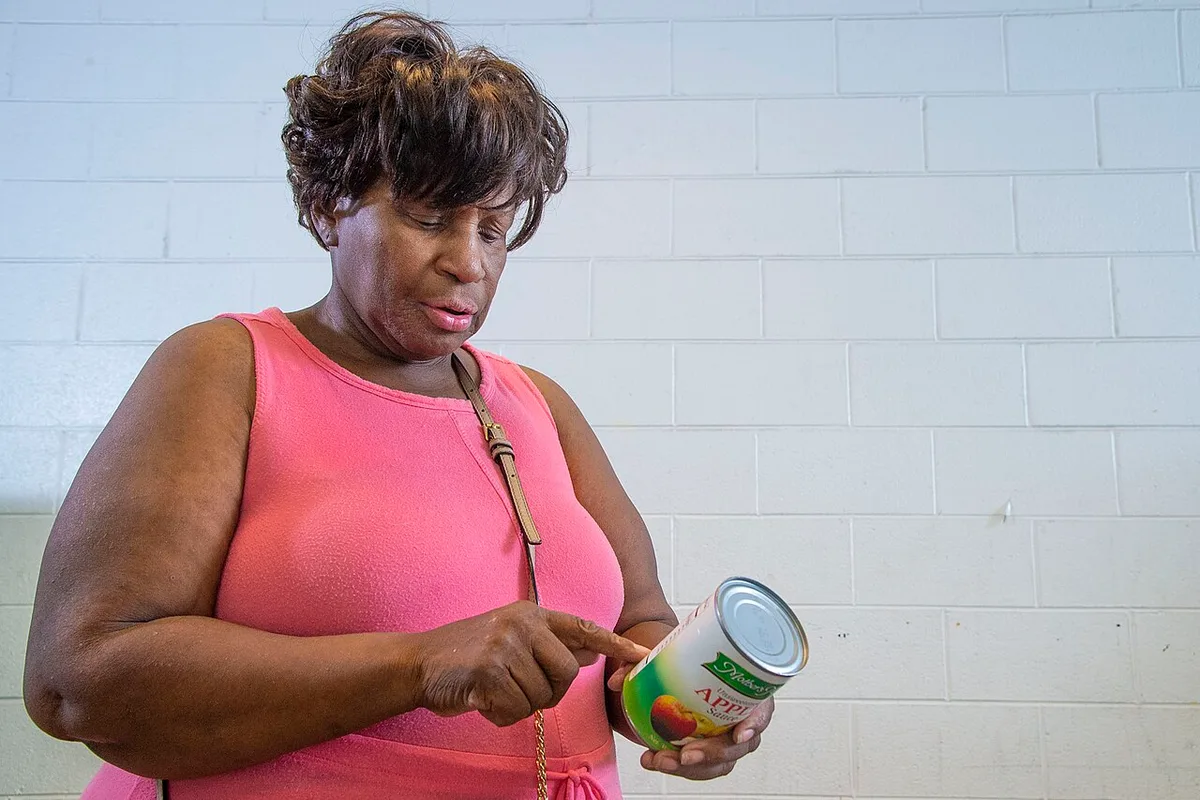
How added sugars affect your body, energy, and weight
Added sugars are monosaccharides and disaccharides placed into foods and drinks during manufacturing or preparation, distinct from intrinsic sugars in whole fruit and milk. When you eat added sugar, blood glucose rises quickly, insulin spikes follow, and typical short-term results include a surge of energy followed by a crash.
Frequent large glucose swings raise average blood glucose and can push A1c higher over months, researchers have found in cohort studies. Over time excess added sugar contributes to higher triglycerides, increases in visceral fat, and fatty liver markers, and aggregate reviews as of 2026 link high free sugar intake to greater cardiometabolic risk.
Practical consequences you will notice
- Energy roller coaster, especially midafternoon, which encourages more quick sugar snacks.
- Weight gain from excess calories, sugar provides 4 kilocalories per gram.
- Dental decay risk rises because fermentable sugars feed oral bacteria that produce acids.
How this informs choices
- Prioritize cutting sources that cause fast sugar spikes, such as sodas, sweet coffee drinks, and fruit juices.
- Pair carbohydrates with protein or fat to blunt post-meal glucose rises, for example, fruit with nut butter or yogurt.
- Track not just total sugar but timing and context, meaning when and with what you eat sugar matters for energy and long-term markers.
Hidden sugars and label traps that derail beginners
Many packaged foods with savory flavor contain added sugars to improve texture and shelf life, and manufacturers use many names for sugar to avoid obvious labeling. Common disguise terms include maltodextrin, dextrose, evaporated cane juice, and high-fructose corn syrup, all of which add grams of sugar and calories.
Three label traps to watch for
- Serving size illusion, where a package contains multiple servings and sugar grams listed per serving understate the real intake.
- Ingredient order confusion, where sugar may appear under alternate names and buried mid-list, yet still contribute significant grams.
- “No added sugar” or “reduced sugar” claims that do not mean zero sugar, they can still include natural sugars or sugar alcohols.
Simple checks you can run in a grocery aisle
- Look at “Added Sugars” on the Nutrition Facts label, check grams per serving, then multiply by how much you realistically eat.
- Scan the ingredient list for any of the 20-plus sugar aliases, if you see multiple sugars in the list expect high total sugar.
- If a product is labeled “low fat” and tastes sweet, expect added sugar to replace mouthfeel lost from fat removal.
Common surprise foods that often contain added sugars
- Canned tomato products and pasta sauces.
- Flavored yogurts and milk alternatives.
- Condiments like ketchup, barbecue sauce, and some salad dressings.
- Breakfast cereals, granola bars, and instant oatmeal packets.
Reading labels: added sugars, serving size, and ingredient order
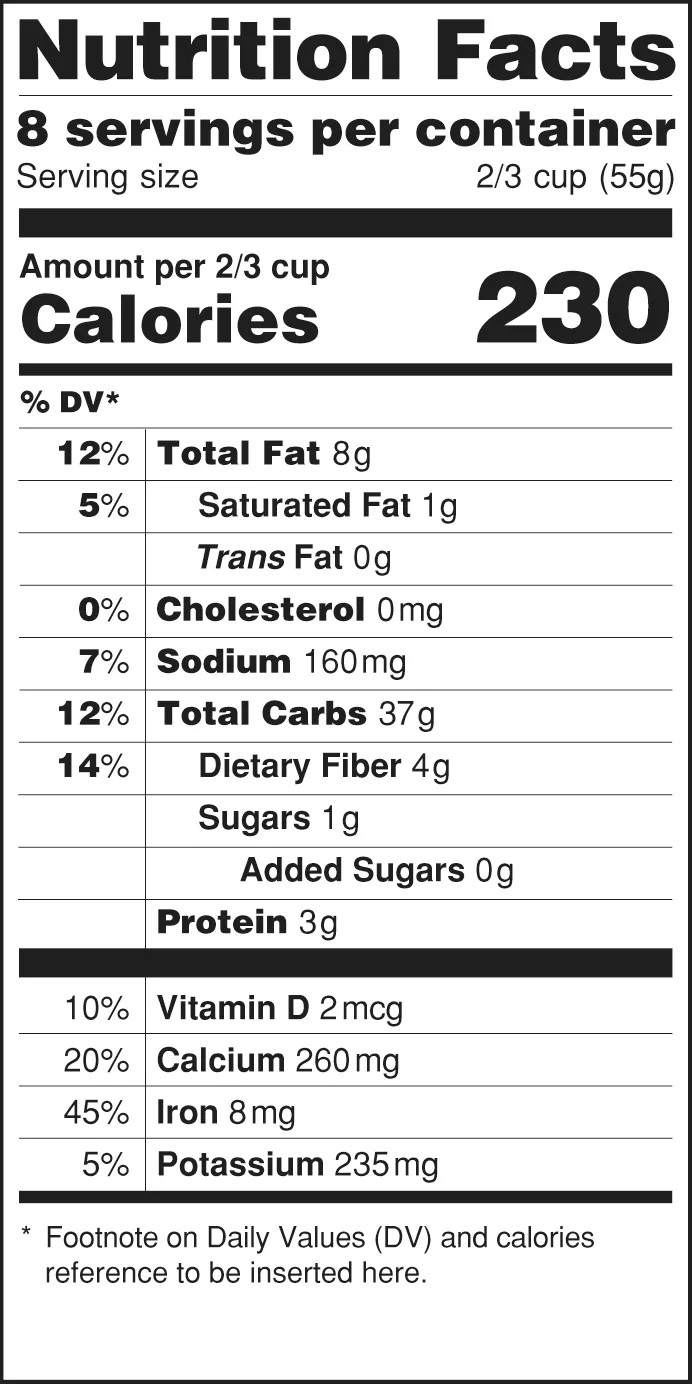
Read the Nutrition Facts label step by step, check serving size first, then look at the line for Added Sugars in grams, and lastly review the ingredient list for sugar names. If a product lists 12 grams of added sugar per serving and you eat two servings, your real intake is 24 grams, which could already meet an adult woman's daily AHA limit.
What the label lines mean, quick table
| Label item | What to check | Why it matters | | Added Sugars (g) | Grams per serving | Gives direct measure of sugar you can log | | Serving Size | Amount in common units, cups or pieces | Multiply to reflect real portions | | Total Carbohydrate (g) | Includes fiber and sugars | Useful if you track glycemic load | | Ingredient List | Ingredients ordered by weight | Early sugar names mean higher sugar content |
How to spot sugar aliases, practical list
- Common names: sucrose, glucose, fructose, dextrose, maltose, lactose.
- Industrial names: high-fructose corn syrup, corn syrup, maltodextrin, invert sugar.
- Natural-sounding names: evaporated cane juice, fruit juice concentrate, honey, agave nectar, these still add sugar grams.
Label-reading routine you can use in-store
- Look at serving size and picture on front, set a realistic portion in your head.
- Check Added Sugars grams, multiply by your portion.
- Scan ingredient list for any type of sugar near the top.
- Put it back if added sugars push your daily target over your chosen limit.
Insert a real visual to help beginners learn where to look on a label, this photo shows the Added Sugars line location on the Nutrition Facts panel.
Baseline check and SMART goal setup (how to assess where you are)
Start with a practical baseline that captures what you actually eat, not what you think you eat. A baseline combines a 7-day food log, a quick pantry audit, and one or two measurements tied to your goals, for example weekly weight or fasting glucose if relevant.
Step 1, 7-day food log method
- Use a phone note, paper diary, or a nutrition app, and record everything you eat and drink for seven days, include estimated portions.
- For each item, jot the added sugar grams from the Nutrition Facts when possible, or use app lookup to estimate.
- At the end of seven days, total added sugar grams and calculate a daily average.
Step 2, pantry audit checklist
- Pull foods from your main storage areas and group them: drinks, breakfast items, snacks, condiments.
- Mark items with added sugars, note the serving size and added sugar grams, then decide which three items to replace first.
- Throw out or donate at-risk items you know you will binge on, or re-home them where they are less visible.
Step 3, quick medical checks to consider
- If you have diabetes or take glucose-lowering drugs, check fasting blood glucose and share the 7-day log with your clinician before making big cuts.
- If you have no diabetes but want metabolic markers, a baseline A1c every three months gives a longer-term picture, and a weight measurement can be a proximate outcome.
- For dental concerns, note frequency of sugar consumption rather than total grams, because frequent snacking raises cavity risk.
SMART goal examples based on baseline
- Specific, Measurable, Achievable, Relevant, Time-bound example 1: “Reduce daily added sugar from 60 grams to 45 grams within four weeks by switching soda to sparkling water.”
- Example 2: “Eliminate added sugar in breakfast within two weeks by replacing sweetened cereal with plain oats plus cinnamon, monitor weight weekly.”
- Example 3 for those on medication: “Cut sugary drinks by 75 percent in four weeks, consult clinician week two for possible medication review.”
Tracking tools and cadence
- Daily food log for two weeks, then shift to three-times-per-week checks after habits form.
- Weigh-in once per week at the same time, if weight is a goal.
- If diabetic, fingerstick glucose as advised by clinician, and A1c every three months for long-term progress.
Practical tip box
- Start small, pick the swap that removes the most added sugar first.
- Use habit stacking, for example after brushing teeth in the morning, decide your drink for the day that has no added sugar.
- Schedule a clinician or dietitian review if you have medication, pregnancy, or significant metabolic disease.
A practical 4-week starter plan to cut sugar (step-by-step)
This plan builds on your baseline, and focuses on one change each week so habits stick. Each week has specific actions, a simple swap list, and troubleshooting notes for common setbacks.
Week 1: swap sugary drinks and breakfast
Action, replace all sugar-sweetened beverages with water, sparkling water, or unsweetened tea or coffee. Replace sweetened breakfast cereals and flavored yogurts with plain oats, plain yogurt, or eggs plus fruit, which typically cuts 30 to 50 percent of a typical adult’s added sugars.
Practical swaps
- Soda or sweetened iced tea, replace with sparkling water and a lemon wedge.
- Flavored yogurt, replace with plain Greek yogurt plus fresh berries and a teaspoon of chopped nuts.
- Sweetened cereal, replace with rolled oats topped with cinnamon and banana slices.
Troubleshooting, cravings and energy dips
- If you feel foggy midday, add a small protein snack like a hard-boiled egg or a handful of nuts to blunt afternoon cravings.
- If you miss milkshakes or sweet coffee, try iced black coffee with a splash of milk and cinnamon, then reduce the splash over two weeks.
Week 2: reduce packaged snacks and sauces
Action, remove one category of packaged snacks, and swap high-sugar sauces with low-sugar condiments. Concentrated sources like granola bars and bottled sauces often contain many hidden grams of added sugar.
Simple swaps
- Granola bar, replace with a homemade trail mix of raw nuts, seeds, and a few dried cranberries.
- Ketchup or barbecue sauce, pick no-sugar-added options or use mustard and vinegar based dressings in smaller amounts.
- Instant oatmeal packets with flavoring, swap for plain oats, add cinnamon and a diced apple.
Troubleshooting, convenience vs prep time
- Batch-prep snacks on a Sunday, portion into single-serve containers so convenience does not drive you back to packaged sweets.
- When eating out, ask for sauces on the side and sample a small amount first to control total added sugar.
Week 3: retrain taste and build low-sugar meals
Action, reduce sugar in recipes and retrain your palate toward lower sweetness by using spices and acid for flavor. Taste adaptation often starts after two weeks and becomes noticeable by week three.
Techniques that help
- Use cinnamon, vanilla, lemon, ginger, and citrus zest to impart sweetness without added sugars.
- Pair carbs with protein and fat to lower the glycemic impact, for example chicken with a vegetable stir fry and brown rice.
- Gradually reduce sugar amounts in recipes by 25 percent each week until you are satisfied with the natural flavors.
Troubleshooting, social situations
- At restaurants, request plain sides and dressings on the side, and choose whole fruit instead of dessert when possible.
- If hosts offer sweets, bring a low-sugar snack to share so you have a safe option.
Week 4: refine, social plan, and maintenance habits
Action, lock in two to three maintenance habits: daily water first thing, sugar-free beverages as default, and a weekly meal-prep session. These small routines keep you from slipping back when life gets busy.
Maintenance checklist
- Meal-prep two breakfasts and three lunches each weekend.
- Keep a one-page swap cheat sheet on your phone for quick grocery decisions.
- Plan for one social treat per week, track it, and return to baseline the next day.
Troubleshooting, relapse handling
- If you have a slip day, reset without guilt, review what triggered it, and swap one additional item the following week.
- If cravings persist despite changes, check overall calorie and protein intake, low intake can drive sugar-seeking behavior.
Sweetener options compared: natural sweeteners, sugar alcohols, and non‑nutritive sweeteners
Here is a practical comparison so you can pick the right sweetener based on blood glucose effect, calories, taste, and side effects.
| Sweetener type | Examples | Calories per gram | Blood glucose impact | Pros | Cons | Best for | | Natural nutritive | Honey, maple syrup, agave | ~3 to 4 kcal/g | Raises glucose, similar to sugar | Familiar taste, minimally processed options | Still adds calories and sugar grams | People who prefer whole food sweeteners, use sparingly | | Sugar alcohols (polyols) | Erythritol, xylitol, sorbitol, maltitol | 0.2 to 3 kcal/g depending on type | Low to modest effect, erythritol negligible | Lower calorie, tooth friendly | Can cause gas, bloating, laxative effects; xylitol toxic to dogs | People avoiding high glycemic spikes, but test tolerance first | | Non-nutritive sweeteners | Aspartame, sucralose, stevia, monk fruit | Zero or near-zero | No direct glucose rise | Zero calories, strong sweetness potency | Taste differences, some people notice aftertaste | Those needing zero-calorie sweetening, monitor appetite compensation |
Key regulatory and safety notes
- FDA has granted GRAS status or approval to several non-nutritive sweeteners, and EFSA provides detailed safety evaluations for the EU market.
- Sugar alcohols often have digestive tolerance limits; erythritol generally causes fewer issues while maltitol and sorbitol cause more.
- For pregnancy, manufacturer guidance and clinician advice matter; some sweeteners are recommended while others are used cautiously.
How to choose, if/then logic
- If you have diabetes and need to avoid glucose spikes, non-nutritive sweeteners or erythritol are usually better choices, discuss with your clinician.
- If you are cutting calories but want a “natural” label, use small amounts of honey or maple syrup while accounting for grams in your daily total.
- If you have GI sensitivity, avoid maltitol and sorbitol, test erythritol in small amounts first.
Practical guidance on use
- Track any sweetener changes in your 7-day log to watch for compensatory eating, some people consume more calories overall when they use very sweet substitutes.
- Use sweeteners to transition to less sweet foods, then taper frequency so your palate adapts.
- Avoid “health halo” thinking where a diet-labeled product leads to larger portions, read added sugars and total carbohydrate.
Practical swaps, simple recipes, and grocery list for low-sugar shopping
This section gives hands-on swaps, two quick recipes you can use right away, and a compact grocery list grouped by category.
High-impact swaps list
- Soda, sports drinks, fruit drinks, replace with water, sparkling water, or unsweetened herbal tea.
- Fruit juice, replace with whole fruit to keep fiber that slows sugar absorption.
- Flavored yogurt and milk, replace with plain yogurt, plain milk, or unsweetened plant milk and add berries.
- Granola bars and candy, replace with raw nuts, seeds, and a single small piece of dark chocolate if desired.
Two quick, low-sugar recipes
- Berry cinnamon overnight oats, serves 1
- 1/2 cup rolled oats, 3/4 cup plain milk or unsweetened plant milk, 1/3 cup mixed berries, 1 teaspoon cinnamon, 1 tablespoon chopped walnuts.
- Mix in a jar, refrigerate overnight, top with berries in the morning. No added sugar, about 6 to 8 grams natural sugar from fruit.
- Savory yogurt dip and crudites, serves 4
- 1 cup plain Greek yogurt, 1 tablespoon lemon juice, 1 teaspoon Dijon mustard, 1 garlic clove minced, salt and pepper to taste.
- Use as a dip for sliced cucumber, bell peppers, and celery. Zero added sugar and high protein.
Compact grocery list table
| Category | Items to keep | Items to avoid | | Produce | Apples, berries, leafy greens, citrus | Bottled fruit cups in syrup, fruit juice | | Protein | Eggs, canned tuna, chicken, Greek yogurt plain | Sweetened deli salads, honey-coated meats | | Pantry | Rolled oats, brown rice, beans, canned tomatoes no sugar | Flavored granola, sweetened sauces | | Snacks | Raw nuts, seeds, hummus, dark chocolate 70%+ | Candy, granola bars high in added sugar | | Drinks | Sparkling water, unsweetened tea, coffee | Soda, sweetened iced coffee, energy drinks |
Shopping tips
- Buy plain staples and small quantities of flavoring ingredients like cinnamon, citrus, vinegar, and whole spices to make food interesting.
- When trying a new “no sugar added” product, buy one package first and log it for a week to see if you tolerate the taste and portion.
Common mistakes beginners make and how to fix them
Here are the predictable missteps and exact fixes, so you don’t sabotage progress with avoidable choices.
Mistake, treating all sweeteners as equal
- Fix, understand the difference between nutritive and non-nutritive sweeteners, and pick what fits your metabolic and GI tolerance.
- If you are using lots of artificial sweeteners and not losing weight, log total calories and check for compensatory eating.
Mistake, ignoring serving size and packaging tricks
- Fix, always multiply Added Sugars grams by realistic portions, and consider buying single-serve items when portion control is a problem.
Mistake, swapping sugar for ultra-processed low-calorie products
- Fix, favor whole foods for satiety and nutrition. If you use a low-sugar processed bar, pair it with a piece of fruit or some nuts to increase satiety.
Mistake, not adjusting medications or notifying clinicians
- Fix, for anyone on insulin or sulfonylureas, consult your clinician before aggressive carbohydrate cutting, you may need dose adjustments to prevent low blood sugar.
Mistake, expecting immediate taste preference change
- Fix, give your taste buds 2 to 12 weeks to adapt. Reduce sweetness gradually, not abruptly, unless you choose the cold turkey method intentionally.
Social and emotional pitfalls
- Fix, prepare an “eat out” plan, for example pick grilled items with vegetables and ask for sauces on the side. Bring a low-sugar dessert to share when appropriate.
How to measure progress: tracking sugar grams, weight, glucose, and timelines
Measure what matters, so you can confirm progress and adjust safely. Use simple tracking that answers three questions, are you eating less added sugar, are your markers moving the right way, and do you feel better.
Core metrics to track
- Daily added sugar grams, use the Nutrition Facts Added Sugars line or app entries, then compute a 7-day average.
- Body weight, weekly at the same time of day, as one proximate outcome for calorie reduction.
- Blood glucose measures, as needed for people with diabetes: daily fingerstick checks or CGM metrics, and A1c every three months for long-term average.
Target numbers to aim for
- AHA limits: women 25 grams per day, men 36 grams per day for added sugars.
- WHO guidance: under 10 percent of daily energy from free sugars, and a conditional recommendation toward under 5 percent for additional benefits, approximately 25 grams for a 2,000 kcal diet.
- Sugar provides 4 kilocalories per gram, use that to calculate calorie reduction from sugar cuts.
How to set up a simple tracking sheet
- Column 1 date, column 2 total added sugar grams, column 3 weight, column 4 notes on cravings, column 5 glucose readings if applicable.
- Review weekly averages and make one targeted change each week if progress stalls.
When to seek medical help
- If you are on insulin or other glucose-lowering medication and you experience repeated low blood sugar readings after cutting sugars, contact your clinician immediately so medication can be adjusted.
- If you have pregnancy, significant kidney disease, or complex metabolic illness, schedule a clinician or registered dietitian visit before major changes.
Progress timelines and expectations
- Taste and cravings often show measurable improvement in 2 to 4 weeks, energy stabilization in 2 to 8 weeks, and metabolic markers like A1c in roughly 8 to 12 weeks after sustained change.
- Weight loss timelines depend on total calorie change, but reducing 50 grams of added sugar per day equals roughly 200 kilocalories, which can contribute to gradual weight loss when paired with stable activity levels.
Practical monitoring tools
- Use a simple food log app with an Added Sugars readout, or a paper tracker if you prefer low-tech.
- For people with diabetes, continuous glucose monitors provide fine-grained feedback on how specific foods affect post-meal glucose, discuss CGM use with your clinician.
If you hit a plateau, here are next steps
- Recalculate total daily calories and protein, if protein is low increase portions to reduce sugar cravings.
- Revisit your swap list and replace another high-sugar staple, for example switch from flavored salad dressings to homemade vinaigrette.
- If progress stalls despite reasonable adherence, consult a registered dietitian to personalize macronutrient balance.
Who this plan is best for — and when to involve a clinician or dietitian
This plan fits adults who want lower added sugar, modest weight loss, or steadier daily energy and who can do gradual, practical swaps. It also works for caregivers planning lower-sugar meals for children and for people focused on dental health, because reducing frequent sugar exposure cuts cavity risk.
Involve a clinician or registered dietitian before you start if any of these apply, you take insulin, sulfonylureas, or other glucose-lowering medications, you are pregnant or breastfeeding, you have advanced kidney or liver disease, or you have a diagnosed eating disorder. Per clinical guidance, medication adjustments are a safety step, not optional, when carbohydrate intake changes substantially.
Who benefits most from each starter goal
- Gradual reduction goal, best for people on medication or with busy social lives who need gentle change and clinical oversight.
- Targeted swaps goal, best for people who drink sugary beverages daily and want large early wins with low disruption.
- Strict limit goal, best for people prepared to plan meals, track labels, and who want faster metabolic improvements with clinician support if needed.
How a dietitian can help
- Translate your baseline log into a tailored meal plan with appropriate calories, protein, and fiber.
- Advise on sweetener selection, gastrointestinal tolerance, and child-appropriate swaps.
- Coordinate with your clinician for safe medication adjustments and monitoring plans.
Safety essentials: medication adjustments, hypoglycemia risk, pregnancy, and labeling rules
If you take insulin or insulin secretagogues, cutting carbs and added sugars can lower your glucose and create hypoglycemia risk, you must tell your clinician before major changes. Clinicians may advise more frequent fingerstick checks or temporarily reduce doses while you shift intake, and CGM data can speed safe adjustments.
Basic hypoglycemia guidance for people on glucose-lowering drugs
- Watch for shakiness, sweatiness, confusion, or dizziness; these are common low blood glucose symptoms.
- If you have low readings confirm per your clinician’s plan, follow their stepwise instructions for treatment and dose changes.
- Keep a source of fast carbohydrate ready only if advised by your clinician, and document episodes so medication can be reviewed.
Pregnancy and breastfeeding considerations
- Pregnancy changes glucose needs and alters what is safe for the fetus, consult your obstetric clinician before strict sugar or sweetener changes.
- Some non-nutritive sweeteners have limited pregnancy data; follow clinician guidance and manufacturer specifications when applicable.
- For gestational diabetes, work with a diabetes care team to set targets and adjust therapy promptly.
Labeling and regulatory notes that matter
- The FDA requires Added Sugars to be declared on the Nutrition Facts panel in the United States, use this line for accurate logging.
- “No added sugar” does not mean zero sugar, and ingredient lists include aliases like maltodextrin and syrups that add grams.
- For any new product if you have allergies, pregnancy, or chronic disease, consult manufacturer specs and ask your clinician when in doubt.
Quick decision guide: when to tighten up, pause, or seek medical help
If you notice frequent low blood glucose readings after reducing carbohydrates, pause further reductions and contact your clinician for medication review. Rapid declines in intake used without clinical oversight can be dangerous when medications are in play.
A brief if/then roadmap you can use
- If you take insulin or sulfonylureas, then consult your clinician before cutting carbs heavily, increase glucose checks for the first two weeks, and report any lows.
- If you drink two or more sugary beverages daily, then switch those first because that change often cuts most added sugars with low clinical risk.
- If you are pregnant, breastfeeding, or have advanced organ disease, then seek clinician or dietitian guidance before major changes.
- If you have severe cravings that cause bingeing, then pause strict limits, raise protein and fiber, and involve a dietitian to balance intake without triggering disordered eating patterns.
When to tighten up your plan
- If your 7-day average added sugar is consistently above your target and you tolerate prior reductions, adopt the next stricter goal and re-evaluate in four weeks.
- Tighten if your fasting glucose, triglycerides, or waist circumference are not improving after eight to 12 weeks and you want faster metabolic change, consult a clinician.
When to pause or slow down
- Pause if you experience frequent low glucose, marked fatigue despite adequate calories, or if mental health symptoms worsen with dietary restriction.
- Slow the pace if social or cultural eating patterns make immediate cuts unsustainable, aim for swaps that preserve participation while lowering sugar.
FAQs beginners ask (fruit, coffee, cravings, sweeteners, kids)
Is fruit okay if I'm cutting sugar?
Yes, whole fruit is okay, whole fruit contains intrinsic sugars plus fiber that slows absorption and reduces rapid glucose spikes. Whole fruit portions still count toward total carbohydrate tracking for people monitoring glucose, and juice should be limited because it lacks fiber.
Can I drink coffee with sweetener or milk?
Yes, coffee can fit into a low-sugar plan, choose unsweetened coffee or coffee with a small amount of plain milk and avoid high-sugar syrups. If you use non-nutritive sweeteners, track whether they prompt extra calorie intake or cravings in practice.
How long do cravings last when you cut sugar?
Cravings typically decrease within two to four weeks, many people notice meaningful reduction by week three, and further adaptation continues up to 12 weeks. If cravings persist, check total calories, protein, sleep, and stress which all influence sugar-seeking behavior.
Are artificial sweeteners safe long term?
Many non-nutritive sweeteners have regulatory approval and are considered safe within acceptable daily intakes, check FDA or EFSA statements for specifics. Remember long-term effects on appetite and compensation vary between people, track your overall calorie intake and how sweeteners affect your eating pattern.
What about sugar for kids and fruit juice limits?
Limit fruit juice for young children, pediatric guidance suggests avoiding juice under 1 year and keeping portion sizes small for toddlers and young children. Parents should prioritize whole fruit, snacks with protein and fat, and treat-containing rules that match family values.
Is honey or maple syrup better than table sugar?
Honey and maple syrup are still added sugars and contribute similar calories and glycemic effects per gram, use them sparingly and count grams toward your daily target. They offer slightly different flavor profiles and minor micronutrients but do not eliminate metabolic effects.
Can I quit counting grams and still succeed?
Yes, many people transition from gram counting to habit rules like avoiding sweetened drinks, choosing plain yogurt, and making swaps that remove obvious sources of added sugars. For medical monitoring and precise targets, short-term counting helps set accurate baselines and guide clinician decisions.
Final recommendation, practical next steps, and decision checklist
Pick the starter goal that fits your health status, and commit to one clear first swap, it creates momentum and measurable progress. If you take glucose-lowering medication, get clinician approval and set a monitoring plan before making big changes, that single safety step prevents hypoglycemia and supports lasting success.
Three actionable next steps you can take today
- Start a 7-day food log and identify the top three highest added-sugar items you consume, then plan to replace one this week.
- Schedule a brief check-in with your clinician if you are on insulin or sulfonylureas, bring your baseline log and ask about monitoring and dose adjustments.
- Create a one-page cheat sheet of swaps from the Practical swaps section and keep it on your phone for grocery decisions.
Decision checklist before moving from beginner to maintenance
- Baseline logged for seven days and daily average calculated.
- Clinician or dietitian consulted if on relevant medications or pregnancy is a factor.
- Two to four sustainable habits established, such as water-first, no sugary beverages, and one planned weekly treat.
Follow these steps, measure progress with simple metrics, and adjust based on how you feel and what the data shows, one steady change at a time.