

Embarking on a weight loss journey with a vegetarian diet can feel overwhelming, but with the right structure, it becomes a straightforward and highly effective process. This step-by-step guide is designed specifically for beginners who want to lose weight safely and sustainably without sacrificing nutrition or energy. By following a clear 1500-calorie plan, you will learn how to build balanced meals, choose the right protein sources, and avoid the common pitfalls that often stall progress.
A 1500-calorie vegetarian diet creates a moderate calorie deficit, which is the most reliable method for steady fat loss according to Harvard Health (2023). This plan works across all vegetarian types including plant-based, lacto-vegetarian, and lacto-ovo vegetarian, making it accessible regardless of your specific dietary preferences. Protein is the most important nutrient to track on a vegetarian fat loss diet, so you should aim for 0.7-1g per pound of body weight daily as recommended by Healthline (2023). This guide provides a day-by-day meal structure, a complete food list, and the most common beginner mistakes to avoid, and most beginners see measurable results in 3-4 weeks when they follow a consistent calorie deficit.
What You Need Before You Start
Before building your meals, it is essential to set up three key tools to ensure your success from day one. A free calorie-tracking app such as MyFitnessPal or Cronometer will help you log your intake accurately, while a basic food scale eliminates the guesswork from portion sizes since eyeballing portions is the most common reason beginners stall. Your daily calorie target for this plan is built around 1500 calories per day, which creates a deficit of roughly 300-500 calories for most adults, though if you are very active and training 4+ days per week, you should add 150-200 calories to each day’s total.
Step 1: Understand Why 1500 Calories Works for Fat Loss
A vegetarian diet at 1500 calories per day puts most adults in a calorie deficit without being so restrictive that energy crashes and hunger make it unsustainable. A safe, steady rate of fat loss is 0.5-1 pound per week, which requires a daily deficit of 250-500 calories according to the WHO (2023), and at 1500 calories, most adults with a sedentary to moderately active lifestyle hit that range without extreme restriction. Plant-based foods are also naturally high in fiber, which slows digestion and keeps you full longer, and adults eating high-fiber diets report lower daily calorie intake overall (Harvard Health, 2022).
Step 2: Build Every Meal Around This Simple Formula
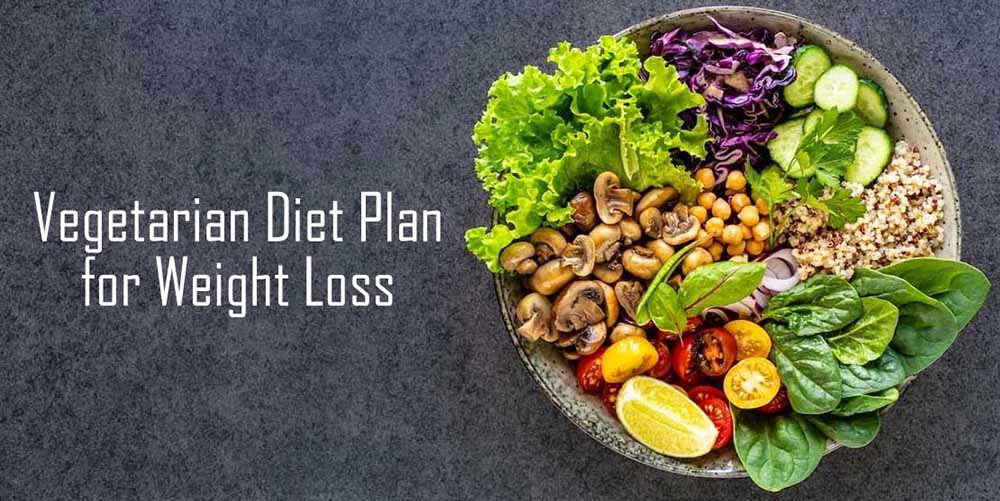
Every meal in this plan follows the same ratio, ensuring you get the right balance of nutrients for sustained energy and fat loss regardless of the specific ingredients you choose. The formula breaks down your plate into four sections: 40% non-starchy vegetables for high volume and low calories, 30% protein source to keep you full and protect muscle, 20% complex carbohydrates for sustained energy without blood sugar spikes, and 10% healthy fat for hormone function and nutrient absorption. This formula works whether you are plant-based, lacto-vegetarian, or lacto-ovo vegetarian because you simply swap the protein source based on what you eat.
Step 3: Pick Your Protein Sources by Diet Type
Protein is the hardest macronutrient to hit on a vegetarian diet, and most beginners under-eat protein, which causes muscle loss alongside fat loss — not what you want. You should aim for 90-110g of protein per day on a 1500-calorie vegetarian plan, and your specific sources will depend on your dietary preferences. If you eat eggs and dairy as a lacto-ovo vegetarian, excellent choices include eggs at 6g protein per egg, Greek yogurt at 15-17g per 100g serving, cottage cheese at 11g per 100g, and low-fat paneer or tofu at 7-10g per 100g. If you eat dairy but not eggs as a lacto-vegetarian, focus on Greek yogurt, cottage cheese, low-fat milk, lentils and chickpeas at 9g per 100g cooked, plus tofu and tempeh at 8-19g per 100g. If you are strictly plant-based, choose tempeh at 19g per 100g as the highest plant protein source, along with edamame at 11g per 100g, lentils, black beans, chickpeas at 8-9g per 100g cooked, and seitan at 25g per 100g if you tolerate gluten.
Step 4: Follow This 1500-Calorie Meal Structure Daily
Use this as your daily template and swap foods within the same category to avoid eating the same meals every day. The plan includes three meals with options for each diet type, keeping you within the 1500-calorie target while providing variety and satisfaction.
Breakfast – 350-400 Calories
Your breakfast options are designed to be quick, filling, and adaptable to your specific vegetarian preference. For a lacto-ovo option, try 2 scrambled eggs with 1 slice whole grain toast and 1 cup spinach sautéed in half a teaspoon of olive oil. For a lacto-vegetarian option, combine 150g Greek yogurt with half a cup of oats and a handful of berries. For a plant-based option, cook half a cup of oats in unsweetened oat milk and top with 2 tablespoons of chia seeds and half a banana.
Lunch – 450-500 Calories
Lunch options provide a balance of protein, fiber, and healthy fats to keep your energy steady through the afternoon. For a lacto-ovo option, prepare a large salad with 2 boiled eggs, mixed greens, cucumber, cherry tomatoes, and 2 tablespoons of olive oil and lemon dressing. For a lacto-vegetarian option, combine 150g cottage cheese with half a cup of cooked quinoa and roasted vegetables such as zucchini, bell pepper, and broccoli.
Option C (plant-based): 1 cup cooked lentils + half a cup of brown rice + steamed broccoli and carrots
Snack – 150-200 Calories
Choose one snack from the following options to maintain steady energy between meals and keep hunger at bay.
- 1 apple + 1 tablespoon almond butter
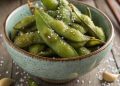
- 100g edamame with a pinch of sea salt
- 150g low-fat Greek yogurt (lacto/lacto-ovo only)
Dinner – 400-450 Calories
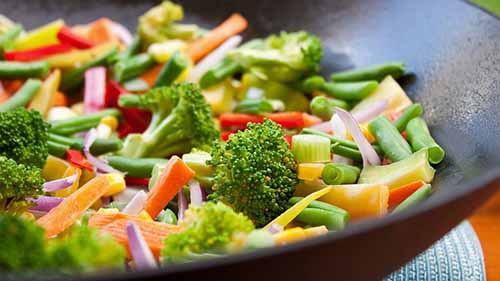
Option A (lacto-ovo): Stir-fried tofu (150g) with mixed vegetables + half a cup of brown rice
Option B (lacto-vegetarian): 1 cup chickpea curry (cooked with tomatoes, onion, and spices) + 1 small whole wheat roti or half a cup of rice
Option C (plant-based): Black bean tacos in 2 small corn tortillas + shredded cabbage, salsa, and sliced avocado (one quarter)
Step 5: Foods to Eat More Of and Foods to Limit
Eat More Of These
Focus on incorporating nutrient-dense, low-calorie and high-fiber foods into your daily meals to support satiety and fat loss.
- Leafy greens: spinach, kale, arugula – high volume, almost zero calories
- Legumes: lentils, chickpeas, black beans – fiber and protein combined
- Cruciferous vegetables: broccoli, cauliflower, Brussels sprouts – filling and anti-inflammatory
- Berries: low sugar, high fiber, high antioxidants
- Tempeh and tofu: the most protein-dense plant foods available
Limit These (They Stall Fat Loss Fast)
While some of these foods can be part of a balanced diet, they are easy to overconsume and can significantly slow your progress when eaten in large amounts.
- Refined carbohydrates: white bread, white rice in large portions, pastries
- Full-fat dairy in large amounts: a small portion is fine, but 200g of paneer at every meal adds up quickly
- Fruit juices: even 100% juice removes fiber and spikes blood sugar – eat whole fruit instead
- “Healthy” snack bars: most contain 200-300 calories with little protein or fiber
- Cooking oils in excess: one tablespoon of oil is 120 calories – measure it, do not pour freely
Common Mistakes Beginners Make on a Vegetarian Fat Loss Diet
Many beginners stumble when starting a vegetarian weight loss plan. Awareness of the most frequent errors can help you avoid them from day one. Under-eating protein is the most critical mistake. Most beginners hit their calorie target but only get 40-50g of protein. At that level, your body breaks down muscle for energy. Track protein as your first priority, then fit calories around it. Another common error is eating too many “healthy” calorie-dense foods. Nuts, avocado, olive oil, and full-fat dairy are healthy — but they are also very calorie-dense. A 30g handful of almonds is 170 calories. Portions matter even with whole foods. Additionally, skipping meals to save calories is counterproductive. Skipping breakfast or lunch causes intense hunger later and almost always leads to overeating at dinner. Eat all three meals. Finally, not drinking enough water is a frequent oversight. Thirst is frequently misread as hunger. Drink 2-2.5 liters of water per day. This single habit reduces unnecessary snacking significantly (Healthline, 2023).
Frequently Asked Questions About Vegetarian Diet Plans for Weight Loss
What is the best vegetarian diet plan for weight loss?
The best vegetarian diet plan for weight loss is one built around a moderate calorie deficit (300-500 calories below your maintenance level), high protein intake from legumes and dairy or eggs, and meals centered on vegetables, whole grains, and fiber. A 1500-calorie structure works for most beginner adults with a sedentary to moderately active lifestyle.
How much protein do I need on a vegetarian weight loss diet?
Aim for 0.7-1g of protein per pound of body weight per day. For a 150-pound adult, that is 105-150g of protein daily. Prioritize tempeh, lentils, Greek yogurt, eggs, and cottage cheese to hit this target on a vegetarian diet (Healthline, 2023).
Can I lose weight on a vegetarian diet without counting calories?
Yes, but it is slower and less predictable. People who track calories lose weight twice as fast as those who do not, according to a review in the American Journal of Preventive Medicine (2021). Even tracking for the first 2-3 weeks builds enough awareness to estimate portions accurately without an app.
Is 1500 calories too low for a vegetarian diet?
For most adults with a sedentary to lightly active lifestyle, 1500 calories is a moderate, sustainable deficit – not a crash diet. If you feel dizzy, extremely fatigued, or unable to function, increase to 1600-1700 calories. Always consult a doctor before starting any diet if you have underlying health conditions.
What vegetarian foods are highest in protein for weight loss?
The five highest-protein vegetarian foods are: tempeh (19g per 100g), seitan (25g per 100g), Greek yogurt (17g per 100g), cottage cheese (11g per 100g), and lentils (9g per 100g cooked). Including at least two of these in every main meal makes hitting your protein target straightforward.
Summary
To begin, set your daily target at 1500 calories and track with a reliable app for the first 2-3 weeks to build awareness of portion sizes and nutrient intake. This initial tracking period will help you understand how different foods fit into your caloric budget without guesswork.
Next, build every meal using the 40/30/20/10 plate formula, which allocates 40% vegetables, 30% protein, 20% carbohydrates, and 10% fat. This structured approach ensures balanced nutrition while naturally controlling calorie density.
Choose protein sources based on your diet type: eggs and dairy, dairy only, or fully plant-based, tailoring your intake to your preferences or ethical choices. Regardless of your selection, prioritize legumes, tofu, tempeh, and Greek yogurt to hit 90-110g of protein per day for muscle preservation and satiety.
Avoid refined carbs, excess cooking oil, and fruit juices, as these are the most common calorie leaks on a vegetarian plan. By eliminating these concentrated sources of empty calories, you can redirect your budget toward nutrient-dense whole foods.
Recommended Article
Hormone Balancing Diet: What It Is, How It Works, and Where to Start
Candida Diet Recipes: How to Follow the Candida Diet as a Complete Beginner
How to Get a Natural Glow While Dieting: What Actually Works