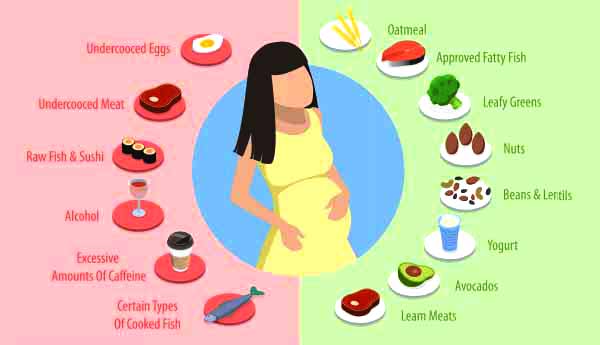
Yes, you need to eat more during pregnancy. But “eating for two” is actually bad advice that can leave you depleted, exhausted, and struggling through postpartum recovery. I remember sitting in my first prenatal appointment, being told I could just eat an extra snack a day and call it good; that felt wrong, so I started digging into the actual science, and what I found changed everything about how I approached my pregnancy diet.
If you’re pregnant right now, you’ve probably heard conflicting advice—eat more, don’t eat too much, avoid this, that’s fine in moderation—and it’s maddening. Here’s what actually matters: your body is in a nutrient-partitioning state, meaning it’s literally sacrificing its own stores to feed your baby. Without a strategic plan, you’ll lose hair, feel constantly exhausted, and spend months recovering after birth. But with the right approach, you can have energy, support your baby’s development perfectly, and actually feel good. By the end of this guide, you’ll understand exactly what to eat in each trimester, why cravings happen (and what they’re really telling you), and how to set yourself up for a strong postpartum recovery.
The Real Goal: Nutrient Partitioning, Not Just Calories
Your pregnancy isn’t about eating two full meals—it’s about preventing your body from cannibalizing itself while your baby grows. Here’s what’s actually happening biochemically: the placenta prioritizes your baby’s needs first, pulling nutrients from your blood and tissues sometimes ahead of your own needs. Hormones like human placental lactogen (hPL) shift your metabolism, gradually increasing insulin resistance to ensure more glucose goes to your baby, while you’re running a 24/7 nutrient deficit as your baby demands calcium, iron, choline, and DHA constantly—regardless of whether you’re eating enough.
Without strategic nutrition, this manifests as severe fatigue, hair loss, tooth decay, brain fog, postpartum depression (linked to nutrient depletion), and months of recovery instead of weeks. The fix isn’t calories—it’s the right nutrients at the right times.
First Trimester: Managing Nausea & Stabilizing Blood Sugar
The first 12 weeks are survival mode, with nausea, fatigue, and food aversions making eating feel impossible. But this is when your baby’s brain and nervous system are forming, so the strategy is to stabilize blood sugar to control nausea, then layer in the nutrients that matter most.
The 15g Protein Breakfast Rule
Most pregnancy advice says eat crackers to manage morning sickness—I tried it, and it didn’t work because crackers alone cause blood sugar crashes that trigger nausea. A high-protein breakfast stops this cycle: think eggs (6g protein per egg), Greek yogurt (15g protein per cup), collagen smoothies with spinach and almond butter, or cottage cheese with berries. Why this works: protein stabilizes blood glucose, preventing the hypoglycemic dips that trigger nausea, and it raises cortisol just enough to counteract the “sick” feeling that comes from low blood sugar.
Aim for at least 15g of protein within 30 minutes of waking; don’t skip breakfast because you feel nauseous—the nausea often occurs because you skipped breakfast. On days you can’t stomach solid food, a smoothie with 20g of protein powder, spinach, almond butter, and ice works—it’s quick, cold, and easier to digest than eggs.
The “Safe” Carb Protocol for Brain Development
Your baby’s brain is developing at warp speed right now and needs glucose—but the wrong kind will crash your energy and worsen nausea. Prioritize these carbs: sweet potatoes (complex carbs, nutrient-dense), oats (soluble fiber, stable energy), whole grain bread (B vitamins for energy), and lentils and beans (carbs + protein + folate). The pairing rule is crucial: never eat carbs alone—always combine with protein or fat—such as oatmeal with almond butter and berries, sweet potato with eggs, or whole grain toast with avocado. This slows glucose absorption, preventing energy crashes and the nausea that follows.
The Supplement Stack (It’s Not Just Folate)
Your prenatal vitamin is a baseline, not a complete strategy. The first trimester is when your baby’s neural tube forms, so supplementation matters more than any other time. Essential first-trimester supplements include methylfolate (400–800 mcg, especially if you have the MTHFR mutation—regular folic acid won’t convert properly in your body), choline (450 mg daily to support fetal brain development; most prenatals don’t include enough), iodine (150 mcg for thyroid and brain development), B6 (25–50 mg to reduce nausea), and iron (27 mg daily from prenatal or separate if your prenatal doesn’t include it).
Timing matters: Take iron with vitamin C (orange juice) for better absorption, but separate it from calcium by at least 2 hours; take it in the evening if it causes nausea.
Second Trimester: Real Hunger Kicks In & Managing Cravings
By week 13, the nausea usually lifts and your appetite roars back as real fetal growth accelerates—your baby gains most of their body weight now. This is not the time to restrict calories; it’s the time to make every calorie count.
Understanding Cravings: The Nutrient Decoder
Cravings aren’t random—your body is signaling nutrient needs. For example, red meat may indicate iron deficiency (swap for grass-fed beef, spinach, lentils), ice cream may signal calcium plus fat deficiency (swap for full-fat yogurt with honey), pickles may point to electrolyte imbalance (try salty snacks like olives or miso soup), chocolate may mean magnesium deficiency (choose dark chocolate, almonds, pumpkin seeds), and citrus may indicate vitamin C or emotional need (opt for oranges, kiwis, strawberries). This isn’t permission to eat unlimited ice cream—it’s permission to eat more and to choose foods that actually satisfy the craving while delivering nutrition. Honestly, once you start treating cravings as nutritional signals instead of weakness, your entire relationship with food shifts; you’ll eat more, feel better, and not gain excessive weight.
The 340-Calorie Surplus: What “Extra” Actually Means
Pregnancy doesn’t mean eating a full extra meal—the ACOG guideline is simple: an extra 340 calories per day in the second trimester. That’s not a full lunch, a large burger, or a piece of cake. Instead, think Greek yogurt (150 cal) plus almonds (100 cal) plus fruit (90 cal) equals 340 cal, or avocado toast (200 cal) plus an apple (100 cal) plus nut butter (40 cal). The key is that these calories should come from nutrient-dense foods, not empty carbs—this is where most pregnant women go wrong, eating extra calories from sugar and processed carbs leading to excessive weight gain and gestational diabetes risk.
The Gestational Diabetes Shield: Preventing Blood Sugar Problems
One in five pregnant women develop gestational diabetes, and it’s not about your weight—it’s about insulin resistance from pregnancy hormones combined with poor blood sugar management. The prevention strategy is simple: eat fiber first (when you eat vegetables before carbs, you lower the meal’s glycemic impact by 30–40%), always pair carbs with protein or fat (oatmeal plus almonds, not oatmeal alone), limit fruit juice and smoothies (too concentrated in sugar without the whole fruit’s fiber), and choose lower-glycemic carbs like sweet potatoes, lentils, and steel-cut oats over white bread and refined pasta. One small study showed that simply eating salad before the main course lowered blood sugar response significantly—it’s a tiny change with measurable results.
Third Trimester: Digestion Crashes & Preparing for Labor
By week 28, progesterone levels skyrocket, wreaking havoc on your digestion—constipation becomes serious, gas and bloating spike, and your stomach moves food along 30% slower than before pregnancy. This is also when you’re preparing your body for labor and setting up your nutrient reserves for postpartum recovery.
The Anti-Constipation Five
Forget stool softeners—these foods actually work: chia seeds (1 tbsp provides 10g fiber and absorbs water to soften stool), ground flax (1 tbsp of soluble fiber is gentle on digestion), kiwis (2 per day contain enzymes that stimulate gut movement), magnesium citrate (200–400 mg draws water into the intestines naturally), and proper hydration timing (sip water throughout the day instead of all at once to prevent dehydration-related constipation). Add these slowly—adding too much fiber at once makes bloating worse, not better.
Understanding Fiber: Soluble vs. Insoluble
This matters more than most people realize: soluble fiber (found in oats, chia, flax, and apples) dissolves into a gel, feeds good gut bacteria, and is easier on a sensitive third-trimester gut. Insoluble fiber (found in bran, seeds, and whole grains) doesn’t dissolve, bulks stool, and can worsen bloating if you’re already constipated. In the third trimester, lean toward soluble fiber—it works with your slowed digestion instead of fighting it.
“Natural Induction” Foods: What Actually Works
You’ll hear about dates, red raspberry leaf tea, and spicy food—here’s what the evidence actually shows. Dates (especially from week 37 onward) are supported by some studies suggesting they may reduce labor time, but they’re only safe after 37 weeks since their mild uterotonic properties could theoretically trigger early labor; a reasonable approach is eating 6 per day if you want to, but don’t expect miracles. Red raspberry leaf tea (from week 32 onward) may help tone the uterus for labor and is generally considered safe in the third trimester with a mild, pleasant flavor. Spicy food won’t induce labor (it’s a myth) and can trigger heartburn in the third trimester, so avoid it. What actually matters is being at full term (37+ weeks) before trying any of this—before 37 weeks, eat normally and focus on nutrition.
Food Safety: The Real Risks
Pregnancy doesn’t mean you can’t eat good food—it means being strategic about which foods carry actual risks versus which ones are just overcautious myths.
The Mercury & DHA Fish Chart
You need omega-3 fatty acids for your baby’s brain, but some fish carry mercury—the fix is to eat fish strategically. Best choices (low mercury, high DHA) include wild salmon (1–2 servings per week), sardines, anchovies, and trout. Fish to limit include shark, swordfish, king mackerel, tilefish, and bigeye tuna due to high mercury levels. If you don’t eat fish, algae-based DHA supplements work well (vegetarian, no mercury risk)—aim for 200–300 mg DHA daily.
The Listeria & Toxoplasmosis Rules (Actually Worth Following)
These aren’t overcautious—they’re real risks. Listeria risks (which can cause miscarriage) include deli meats (unless heated until steaming), unpasteurized soft cheeses like feta, brie, and queso fresco, unpasteurized milk, and unwashed produce. Toxoplasmosis risk (mostly from cat feces) means having someone else clean the litter box, washing hands after gardening since soil can carry it, and cooking meat thoroughly because heat kills it while freezing doesn’t. The placenta filters a lot, but it can’t filter everything—these precautions matter.
Minimizing Xenoestrogens (Chemicals That Mimic Hormones)
BPA and phthalates are endocrine disruptors that can affect fetal development. Simple swaps include using glass containers instead of plastic for leftovers, buying frozen vegetables instead of canned (since canned linings contain BPA), choosing organic for high-pesticide produce like berries, spinach, and apples, and avoiding plastic wrap by using beeswax wraps or glass covers. This doesn’t mean obsessing, but if you’re heating food, use glass—it’s a simple 30-second change with no downside.
Building Your Postpartum Recovery Foundation Now
Your third trimester diet sets your nutrient baseline for the fourth trimester (postpartum). If you deplete your stores during pregnancy, recovery will be brutal.
The Postpartum Prep Pantry
Stock these now: bone broth (homemade or high-quality store-bought for collagen, iron, and amino acids for wound healing), lentils and beans (canned is fine for folate, iron, and plant protein), grass-fed beef (frozen for iron, B12, and creatine for energy), eggs (lots, for complete protein and choline for brain recovery), wild salmon (frozen for omega-3s and DHA for mood support), leafy greens like frozen spinach and kale (for iron and folate with no prep needed postpartum), sweet potatoes (frozen or fresh for complex carbs and vitamin A for healing), and nuts and seeds like almonds, pumpkin seeds, and tahini (for magnesium and minerals for mood and energy). Having nutrient-dense foods ready means you actually eat them postpartum instead of defaulting to takeout or processed snacks.
The Blood Sugar Stability Rule That Changes Everything
Postpartum hormones crash overnight—if your blood sugar isn’t stable, you’ll experience mood swings, severe fatigue, and intense anxiety. Start practicing balanced meals now with the plate formula: protein (1/4 plate: eggs, fish, beef, yogurt, beans), healthy fat (1/4 plate: avocado, olive oil, nuts, seeds), complex carbs (1/4 plate: sweet potato, oats, whole grain), and vegetables (1/4 plate: whatever you like). Every single meal should follow this pattern—even snacks like apple with almond butter, not apple alone. This isn’t a diet; it’s a system that keeps your brain chemistry stable when everything else is chaotic.
FAQ
Q: Can I eat sushi during pregnancy? Yes, as long as the fish is sushi-grade (frozen to kill parasites). Cooked sushi rolls are always safe. The risk is bacterial contamination from improper handling, not the raw fish itself.
Q: Should I take extra iron supplements? Most prenatals include 27 mg. If you’re tired or have low hemoglobin (checked at your prenatal visits), your doctor might recommend separate iron. Always take it with vitamin C and away from calcium.
Q: Is it okay to eat deli meat if I heat it until steaming? Yes. Listeria dies at 165°F. If you microwave deli meat until it’s hot, the risk drops significantly. But fresh-cooked turkey from the deli is safer than deli meat.
Q: How much weight should I gain? It depends on your pre-pregnancy BMI, but the general range is 25–35 pounds for normal weight. About 25% of that is baby, placenta, and fluids—the rest is blood volume, breast tissue, and some fat (which is normal and needed for milk supply).
Q: Can I diet or restrict calories during pregnancy? No. Calorie restriction during pregnancy is linked to low birth weight and developmental issues. Eat more—just make it count nutritionally.
The One Thing to Remember
Your pregnancy diet isn’t about willpower or restriction. It’s about feeding yourself and your baby so well that you have energy now and recovery later. The 340 extra calories, the protein at breakfast, and the chia seeds in the third trimester—these aren’t indulgences. They’re the difference between a pregnancy where you feel terrible and one where you feel capable.
Conclusion
By now, you understand that “eating for two” is oversimplified and sometimes harmful advice. What actually matters is strategic nutrient partitioning—eating the right foods at the right times to keep yourself healthy while your baby develops. In the first trimester, stabilize your blood sugar to manage nausea and support early brain development; in the second, honor your increased hunger and use cravings as nutritional signals; in the third, focus on digestion, food safety, and building your postpartum reserves.
The work you do in your pregnancy diet isn’t just about your baby’s birth weight or IQ (though it affects both)—it’s about your energy right now, your hair and teeth, your mental health, and whether you spend the first three months postpartum recovering or thriving. Start with one change this week: add the 15g protein breakfast or stock your pantry with one postpartum recovery food. Small changes compound. Your body is doing something extraordinary—feed it like it is.
Recommended Article
How to Get a Natural Glow While Dieting: What Actually Works