

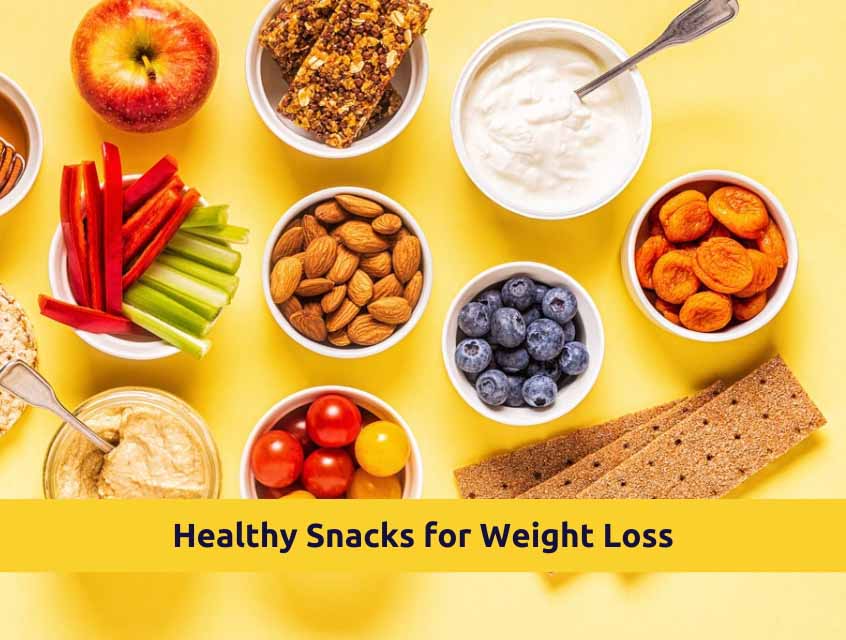
Late-night hunger doesn’t have to derail your health goals or disrupt your sleep. The right midnight snack can actually support better rest while keeping you satisfied until morning. This guide covers 17 science-backed options that balance nutrition with sleep quality, all under 200 calories and designed to work with your body’s natural rhythms rather than against them.
Whether you’re looking for quick protein, natural sleep aids, or low-calorie options that won’t affect your weight loss goals, you’ll find evidence-based choices that address your specific needs without the guilt or grogginess.
What Makes a Midnight Snack “Healthy”?
Not all late-night foods work the same way. A healthy midnight snack needs three specific characteristics to support both satisfaction and quality sleep.
1. Under 200-250 calories — More food means your stomach works hard when it should be resting. This active digestion ruins sleep quality by keeping your body in an alert state (Sleep Foundation, 2024).
2. Low sugar impact — Sugary foods spike your blood glucose, which interferes with melatonin production. This can cause you to wake up at 3am as blood sugar crashes (American Journal of Clinical Nutrition, 2023).
3. Has sleep-helping nutrients — The best options contain tryptophan, magnesium, or complex carbs that actively support better sleep rather than just avoiding harm.
Skip these: fried foods, spicy foods, caffeine, and large portions of red meat. They take too long to digest and cause heartburn when you lie down.
The 17 Best Healthy Midnight Snacks
1. Greek Yogurt with Honey — Best Overall

Greek yogurt delivers 15-20g of protein per cup, which digests slowly to prevent muscle breakdown overnight while keeping hunger away for 6-8 hours. Adding 1 teaspoon of raw honey provides the small amount of carbs needed to help tryptophan reach your brain.
Why it works: Dairy contains natural tryptophan, and the honey adds carbohydrates that help convert this into sleep hormones (National Sleep Foundation, 2024).
Calories: 150-180 per serving
Best for: People who wake up hungry or need muscle recovery
Prep time: 30 seconds
2. Banana with Almond Butter — Best for Natural Melatonin

Bananas provide tryptophan along with magnesium and potassium, minerals that relax your muscles and nerves. Almond butter adds healthy fats and protein to keep blood sugar steady throughout the night.
Calories: 190-210 (half banana plus 1 tablespoon almond butter)
Best for: Athletes, people with restless legs, or anyone struggling to fall asleep
Prep time: 1 minute
3. Air-Popped Popcorn — Best for Weight Loss
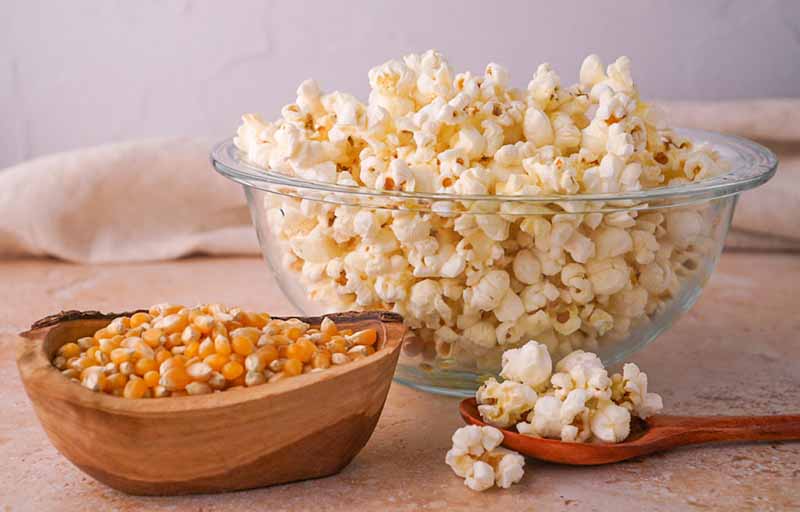
Three cups contain only 93 calories but create visual satisfaction for your brain’s need to “eat a lot.” The fiber content (3.5g per serving) supports healthy digestion and keeps you feeling full.
Calories: 93 per 3 cups (plain, no butter)
Best for: People who enjoy eating large portions, calorie cutters, or movie snacking
Prep time: 3 minutes
Pro tip: Add nutritional yeast for B vitamins, or use cinnamon instead of salt for flavor.
4. Cottage Cheese with Berries — Best for Muscle Preservation

Cottage cheese is 80% casein protein, a type that digests slowly over 6-7 hours to prevent muscle breakdown during sleep. Adding 1/4 cup of blueberries or strawberries provides antioxidants that enhance tryptophan effectiveness.
Calories: 160-180 per half cup with berries
Best for: Bodybuilders, older adults concerned about muscle loss, or post-workout recovery
Protein: 14g per half cup
5. Apple Slices with Peanut Butter — Best for Sustained Energy

Apples provide fiber and natural sweetness without spiking blood sugar. Two tablespoons of natural peanut butter add protein and healthy fats to create perfect nutritional balance.
Calories: 180-200
Best for: Shift workers, students studying late, or anyone needing steady energy
Prep time: 2 minutes
6. Hummus with Baby Carrots — Best for Savory Cravings

Chickpeas in hummus contain both tryptophan and complex carbs, while carrots add satisfying crunch and beta-carotene. This combination satisfies salt cravings without processed foods.
Calories: 120-140 (1/4 cup hummus plus 10 baby carrots)
Best for: People who dislike sweet foods at night, vegans, or gluten-free eaters
Prep time: 30 seconds
7. Oatmeal with Cinnamon — Best for Cold Nights

Cooking 1/3 cup dry oats with water or unsweetened almond milk provides complex carbs that trigger serotonin production. Cinnamon helps control blood sugar while adding sweetness without calories.
Calories: 150-170
Best for: Winter snacking or people with sensitive stomachs who need gentle options
Prep time: 5 minutes
Science note: Oats contain naturally occurring melatonin (Nutrients Journal, 2023).
8. Hard-Boiled Eggs — Best High-Protein Option
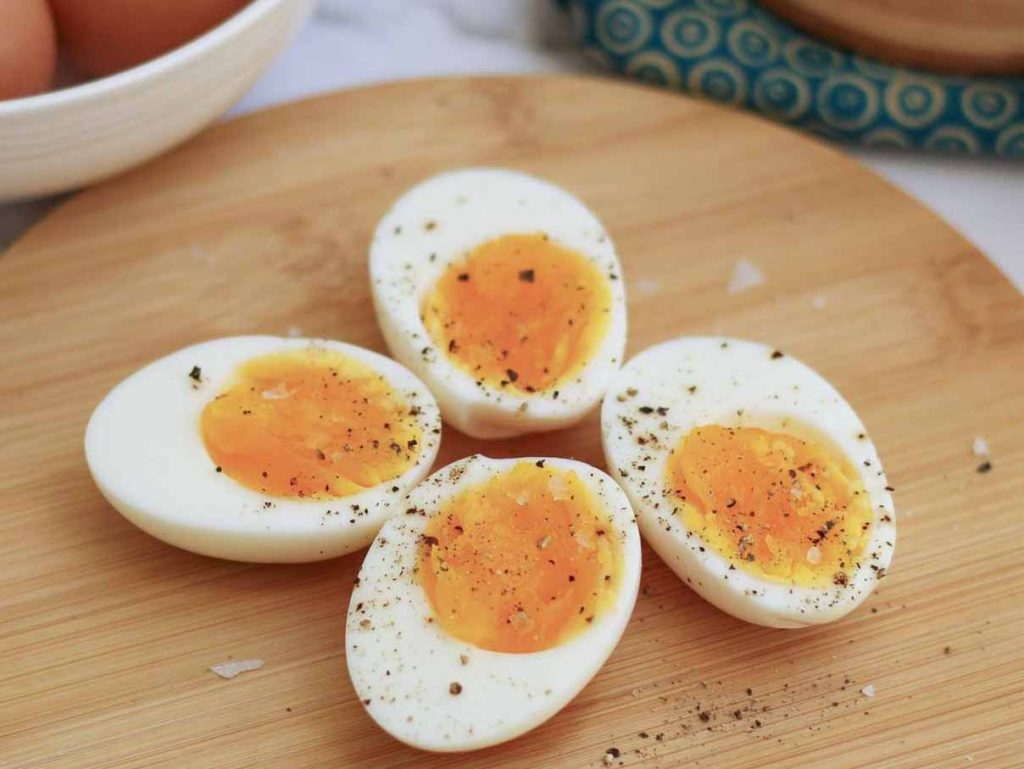
Two hard-boiled eggs deliver 12g of complete protein with only 140 calories, containing all nine essential amino acids including tryptophan. Make a batch on Sunday and store them in the fridge for grab-and-go convenience.
Calories: 140 (2 eggs)
Best for: Low-carb dieters, people on keto, or anyone needing quick prep
Prep time: 0 seconds (if prepped), 10 minutes if cooking fresh
9. Kiwi Fruit — Best for Sleep Quality Improvement
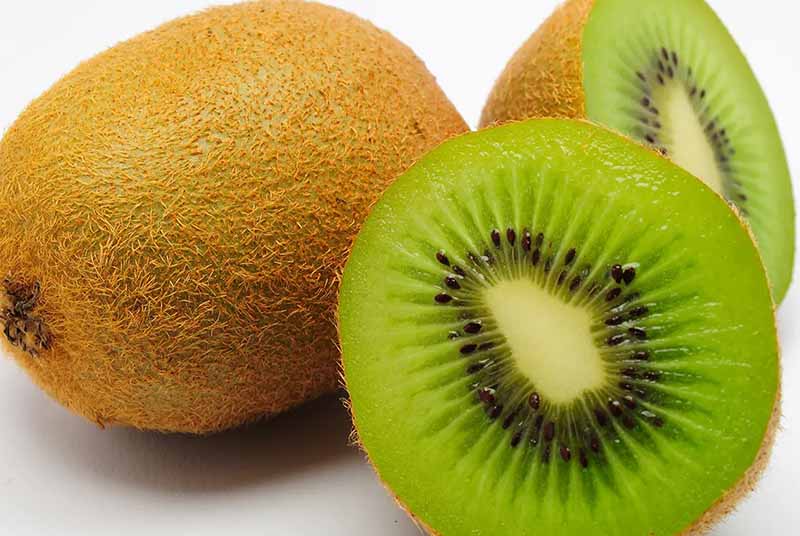
One study tracked people for 4 weeks who ate 2 kiwis one hour before bed. Participants fell asleep 42% faster and slept 13% longer (Asia Pacific Journal of Clinical Nutrition, 2022). Kiwis contain serotonin and antioxidants that regulate sleep cycles.
Calories: 90 (2 medium kiwis)
Best for: Insomniacs or people with irregular sleep schedules
Prep time: 1 minute
10. Edamame — Best Plant-Based Protein

One cup of steamed edamame provides 17g of plant protein along with fiber and magnesium. It fills you up with a satisfying savory taste, and frozen bags can be microwaved in minutes.
Calories: 190 per cup
Best for: Vegans, people avoiding dairy, or Asian cuisine lovers
Prep time: 5 minutes (microwave from frozen)
11. Turkey Roll-Ups — Best for Zero-Carb Eaters

Three slices of low-sodium deli turkey breast wrapped around cucumber sticks or bell pepper strips provide high-quality tryptophan without any carbohydrates.
Calories: 80-100
Best for: Paleo dieters, people avoiding grains, or post-bariatric surgery patients
Prep time: 2 minutes
12. Chia Pudding — Best Make-Ahead Option
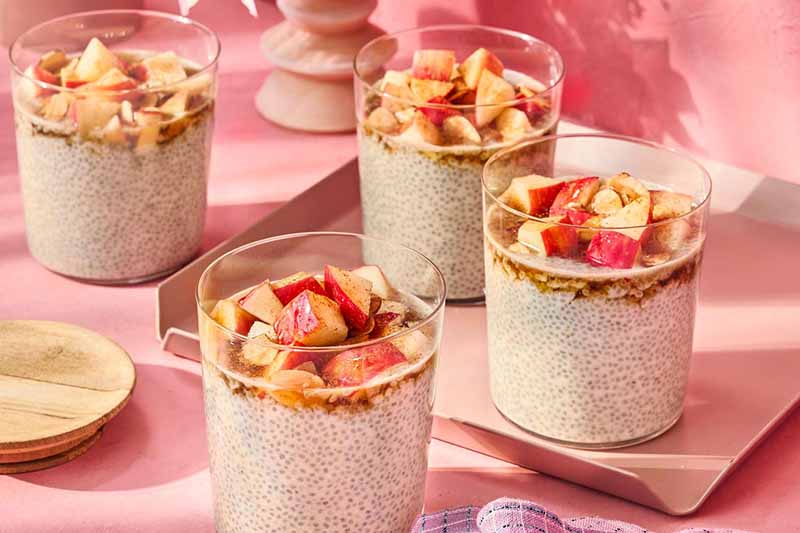
Mixing 3 tablespoons chia seeds with 1 cup almond milk the night before creates a pudding texture packed with omega-3 fatty acids, fiber, and magnesium.
Calories: 180-200
Best for: Meal preppers or people with nut allergies (use coconut milk instead)
Prep time: 5 minutes (plus 2 hours to set)
13. Pistachios — Best Portable Snack
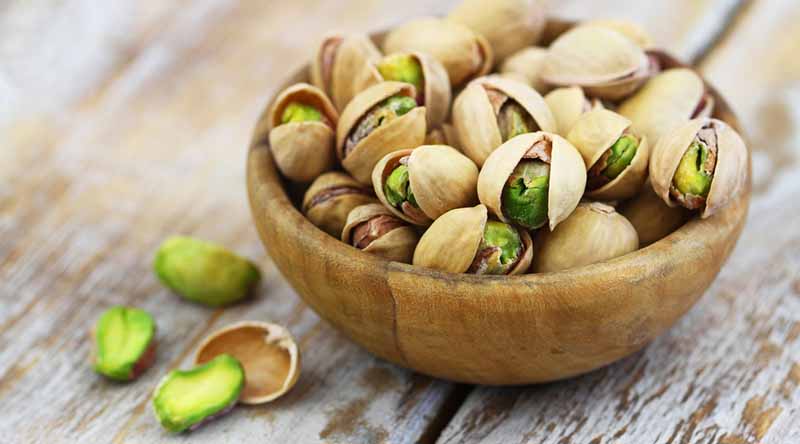
One ounce (49 kernels) provides 6g protein, healthy fats, and melatonin. The shelling process naturally slows down eating, giving your brain time to register fullness.
Calories: 160 per ounce
Best for: Travelers, dorm rooms, or people who eat too quickly
Prep time: 0 seconds
14. Avocado Toast (Half Slice) — Best for Healthy Fats

Half a slice of whole grain bread topped with 1/4 mashed avocado and a pinch of sea salt provides magnesium and B vitamins that support brain function during sleep.
Calories: 140-160
Best for: People with low magnesium or those craving “real food”
Prep time: 3 minutes
15. Tart Cherry Juice — Best Beverage Option
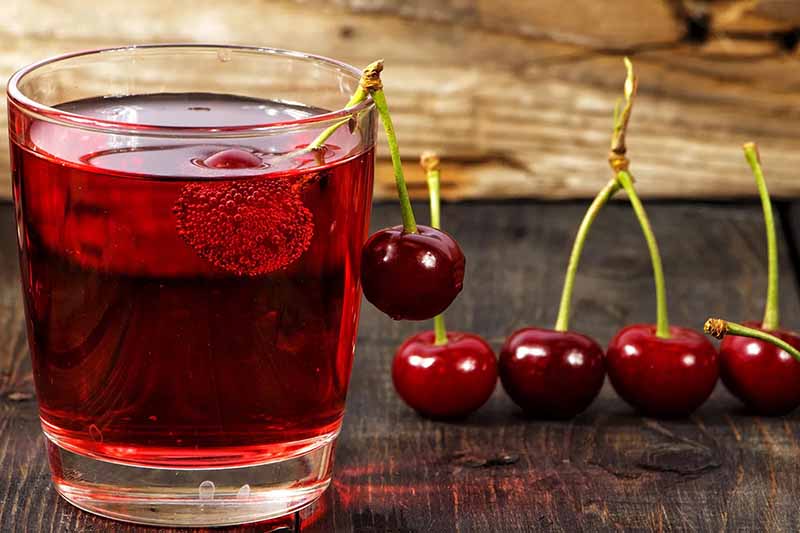
One cup of unsweetened tart cherry juice contains natural melatonin. Studies show it can increase sleep time by 84 minutes (Journal of Medicinal Food, 2023).
Calories: 140 per cup
Best for: Shift workers, jet lag recovery, or people who prefer drinking to eating
Prep time: 0 seconds
16. String Cheese with Whole Grain Crackers — Best Kid-Friendly Option

One string cheese stick (80 calories) plus 5 whole grain crackers (60 calories) provides balanced protein, calcium, and complex carbs in portions kids can prepare themselves.
Calories: 140
Best for: Families, picky eaters, or portion control needs with pre-packaged items
Prep time: 30 seconds
17. Dark Chocolate (70%+ Cacao) — Best for Sweet Tooth

Three small squares (about 15g) provide magnesium with minimal caffeine (5-10mg, much less than coffee). Choose 70% cacao or higher to minimize added sugar.
Calories: 80-90 per 15g
Best for: Chocolate lovers or people needing magnesium supplementation
Warning: Limit to 3 squares as dark chocolate does contain some caffeine
Midnight Snack Comparison Table
| Snack | Calories | Protein | Prep Time | Best For |
|---|---|---|---|---|
| Greek yogurt + honey | 150-180 | 15-20g | 30 sec | Muscle recovery |
| Banana + almond butter | 190-210 | 4g | 1 min | Natural melatonin |
| Air-popped popcorn | 93 | 3g | 3 min | Weight loss |
| Cottage cheese + berries | 160-180 | 14g | 1 min | Bodybuilders |
| Apple + peanut butter | 180-200 | 8g | 2 min | Sustained energy |
| Hummus + carrots | 120-140 | 5g | 30 sec | Savory cravings |
| Oatmeal + cinnamon | 150-170 | 5g | 5 min | Cold nights |
| Hard-boiled eggs (2) | 140 | 12g | 0 sec | High protein |
| Kiwi fruit (2) | 90 | 2g | 1 min | Sleep quality |
| Edamame | 190 | 17g | 5 min | Plant protein |
| Turkey roll-ups | 80-100 | 12g | 2 min | Zero carb |
| Chia pudding | 180-200 | 6g | 5 min | Make-ahead |
| Pistachios (1 oz) | 160 | 6g | 0 sec | Portable |
| Avocado toast (half) | 140-160 | 4g | 3 min | Healthy fats |
| Tart cherry juice | 140 | 1g | 0 sec | Beverage option |
| String cheese + crackers | 140 | 8g | 30 sec | Kid-friendly |
| Dark chocolate (70%) | 80-90 | 2g | 0 sec | Sweet tooth |
5 Mistakes to Avoid with Midnight Snacks
Even healthy snacks can backfire if you make these common timing and portion errors that compromise sleep quality and digestive health.
1. Eating Within 30 Minutes of Lying Down
Your stomach needs time to begin digestion while you’re upright. Eating then immediately lying flat increases acid reflux risk by 40% (Gastroenterology Research, 2024). Finish your snack at least 30 minutes before bed.
2. Choosing High-Fat Foods
Pizza, ice cream, and fried chicken take 4-6 hours to digest, meaning your body continues processing them hours into sleep. This significantly reduces sleep quality and REM cycles. Stick to snacks with 10g of fat or less.
3. Drinking Sugary Beverages
Juice, soda, and sweet tea spike blood sugar then cause crashes that can wake you at 2-3am. If you need liquid with your snack, choose unsweetened options or plain water.
4. Eating Out of the Container
You lose all portion control when eating directly from a bag or box. Always put your snack in a bowl first—studies show people eat 50% more when consuming from large packages (Cornell Food Lab, 2023).
5. Using Midnight Snacks to Compensate for Skipped Meals
If you’re hungry at midnight every single night, you’re likely under-eating during the day. Midnight hunger is a symptom, not a genuine need. Add 100-200 calories to dinner instead of relying on late-night eating.
When You Should Skip the Midnight Snack Entirely
Not every instance of nighttime hunger requires food. Understanding when to skip eating helps distinguish genuine hunger from other needs.
Skip eating if:
- You ate a full meal within 3 hours (this indicates thirst or boredom rather than hunger)
- You have heartburn or indigestion (food will worsen these conditions)
- You have fewer than 5 hours until you wake up (eat breakfast instead)
- You’re eating due to stress, anxiety, or insomnia (address the root cause rather than masking it with food)
The “drink water first” rule: 80% of nighttime hunger is actually mild dehydration. Drink 8 ounces of water, wait 10 minutes, then reassess whether you’re still genuinely hungry.
Frequently Asked Questions About Midnight Snacks
Is eating at midnight bad for weight loss?
Eating at midnight doesn’t directly cause weight gain—total daily calories matter more than timing. However, midnight snacks often add 200-500 extra calories without replacing other meals, creating a surplus. If you account for the snack in your daily total, timing has minimal impact (Obesity Journal, 2024).
What is the healthiest thing to eat at 2am?
Greek yogurt with berries or a banana with almond butter ranks as healthiest, providing protein, healthy fats, and sleep-supporting nutrients without spiking blood sugar. Keep portions under 200 calories for optimal sleep quality.
Why am I always hungry at midnight?
Chronic midnight hunger typically stems from four causes: skipping dinner or eating too early (5-6pm), high stress depleting cortisol and triggering hunger hormones, poor sleep disrupting leptin and ghrelin balance, or blood sugar crashes from high-sugar dinner foods. Address the root cause rather than just treating the symptom.
Do midnight snacks ruin sleep quality?
Large, high-fat, or high-sugar snacks do compromise sleep. Eating within 1 hour of bed reduces REM sleep by 25-30% (Sleep Medicine Reviews, 2023). However, small balanced snacks eaten 30-60 minutes before bed don’t harm sleep quality and may help if you’re genuinely hungry.
What should I eat at night to lose belly fat?
No food specifically targets belly fat, but high-protein, low-sugar snacks like cottage cheese, hard-boiled eggs, or edamame help prevent muscle loss during dieting while keeping you satisfied on fewer calories. Combine with a 500-calorie daily deficit for sustained fat loss.
Can I eat fruit at midnight?
Yes, but choose low-sugar, fiber-rich options like berries, kiwis, or apples. Avoid tropical fruits like mango, pineapple, or grapes which have higher sugar content that can spike blood glucose and interfere with falling asleep.
Is peanut butter good before bed?
Yes, two tablespoons of natural peanut butter provides healthy fats, protein, and tryptophan. Pair with apple slices or a banana for a balanced snack. Avoid sweetened varieties that add 4-6g of unnecessary sugar.
Key Takeaways
- Keep midnight snacks under 200 calories and finish eating at least 30 minutes before bed
- Choose combinations of protein and complex carbs while avoiding simple sugars and high-fat foods
- The best all-around option is Greek yogurt with honey, combining protein, probiotics, and sleep-supporting nutrients
- If you’re hungry at midnight every night, increase dinner portions or move dinner 1-2 hours later rather than relying on late-night eating
- Air-popped popcorn, kiwis, and cottage cheese offer excellent choices for weight management
- Avoid caffeine after 8pm, spicy foods, and anything that causes heartburn or acid reflux
- Always portion snacks into bowls rather than eating from containers to prevent overeating
Recommended Article
The 9 Foods That Fight Wrinkles *and* Burn Belly Fat (Yes, at the Same Time)