


Achieving radiant, glowing skin isn’t just about expensive serums and complicated routines—what you put on your plate matters just as much as what you put on your face. Science has shown that specific nutrients found in whole foods can directly impact your skin’s hydration, elasticity, and overall appearance. In this article, we break down the 12 best foods for glowing skin, each backed by scientific research and chosen based on their proven ability to nourish your complexion from within.
The best overall food for glowing skin is fatty fish, as it delivers omega-3 fatty acids that directly reduce skin inflammation and lock in moisture. Avocados, sweet potatoes, and bell peppers are the top plant-based picks for skin radiance, while vitamin C-rich foods like citrus and broccoli boost collagen production—the protein that keeps skin firm and smooth. Antioxidant-heavy foods like green tea, dark chocolate, and blueberries protect skin from UV-related damage. No single food transforms your skin overnight, so consistent daily intake over 4-8 weeks is when visible changes typically begin (Harvard Health, 2024).
What Makes a Food Good for Glowing Skin
Not every “healthy” food improves skin appearance, so the foods on this list were selected based on four specific criteria that directly affect skin health and radiance. These criteria include antioxidant content to neutralize free radicals, omega-3 fatty acids to maintain the skin’s lipid barrier, vitamin C levels required for collagen synthesis, and hydration support from foods with high water content or electrolytes. Understanding these factors helps you make informed choices about which nutrient-packed foods will truly deliver visible results for your complexion.
| Criterion | Why It Matters |
|---|---|
| Antioxidant content | Neutralizes free radicals that break down collagen and dull skin tone |
| Omega-3 fatty acids | Maintain the skin’s lipid barrier, reducing dryness and redness |
| Vitamin C levels | Required for collagen synthesis – without it, skin loses firmness |
| Hydration support | Foods with high water content or electrolytes keep skin plump and clear |
1. Fatty Fish – Best Overall Food for Glowing Skin
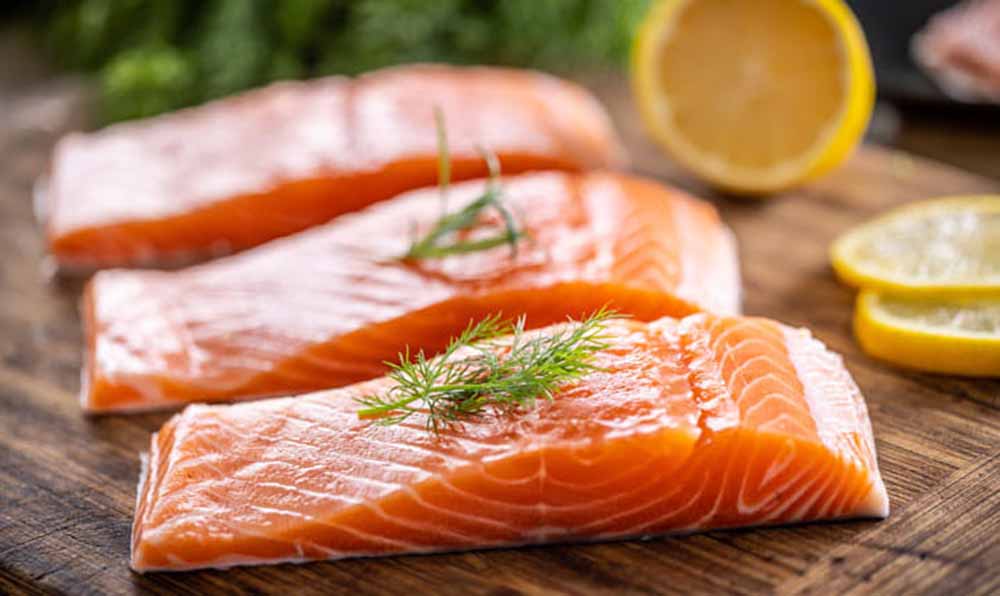
Fatty fish is the single most effective food category for skin health, and salmon, mackerel, and sardines are loaded with omega-3 fatty acids that maintain the skin’s moisture barrier. These essential fats reduce inflammatory skin conditions like acne and eczema, according to the Journal of Lipid Research (2021), while also providing vitamin E and high-quality protein that supports collagen and elastin production. To see results, aim for two 3-oz servings per week, which meets the omega-3 threshold shown to improve skin hydration (American Journal of Clinical Nutrition, 2022). This food is best for anyone dealing with dry, inflamed, or dull skin.
- Omega-3 fatty acids (EPA and DHA) reduce skin redness and swelling
- Vitamin E acts as an antioxidant, protecting skin cells from oxidative damage
- High-quality protein supports collagen and elastin production
2. Avocados – Best for Deep Skin Hydration

Avocados deliver healthy monounsaturated fats and vitamin E, two nutrients that work together to keep skin soft, supple, and resistant to UV damage. One study found that women who ate avocado daily showed measurably higher skin elasticity and firmness compared to those who did not (UCLA Center for Human Nutrition, 2022), and the combination of vitamin E with vitamin C provides powerful protection against oxidative stress. Eating half an avocado daily is enough to see a difference in skin texture within 6-8 weeks, making this food best for dry or mature skin that needs elasticity support.
- Monounsaturated fats maintain the skin’s outer lipid layer
- Vitamin E and vitamin C together protect against oxidative stress
- Biotin supports overall skin cell regeneration
3. Sweet Potatoes – Best for Even Skin Tone
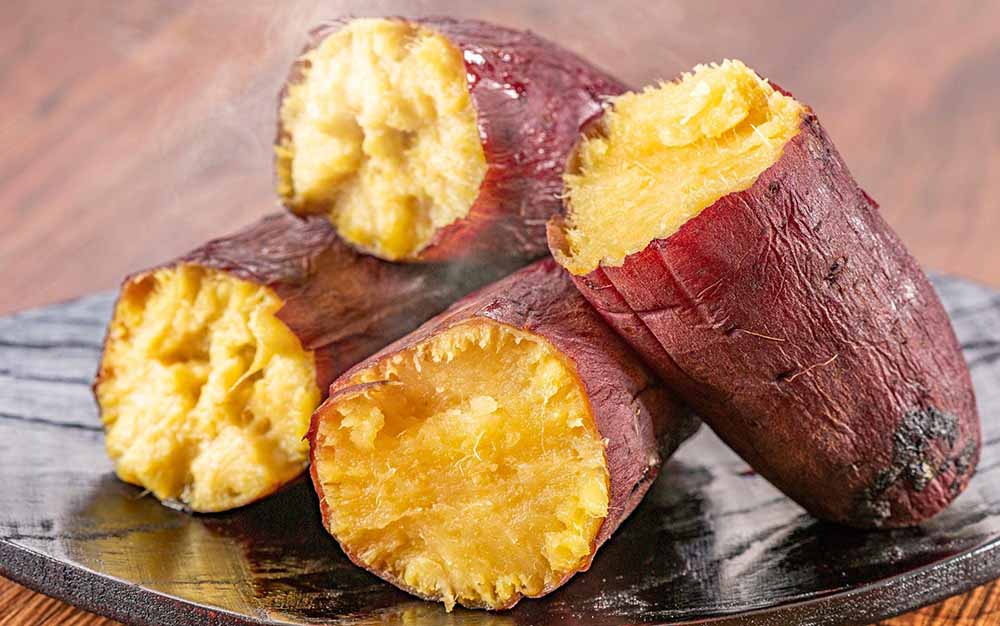
Sweet potatoes are one of the richest sources of beta-carotene, an antioxidant your body converts into vitamin A that regulates skin cell turnover. This process replaces dull, dead cells with fresh ones, giving skin a natural, warm glow according to Dermatology Research and Practice (2020), while the vitamin C and potassium content further support collagen synthesis and cellular hydration. One medium sweet potato (about 150g) provides over 100% of your daily vitamin A requirement, making it ideal for uneven skin tone, dull complexion, or skin that looks tired.
- Beta-carotene converts to vitamin A, speeding up cell renewal
- Vitamin C supports collagen synthesis
- Potassium helps maintain skin hydration at a cellular level
4. Bell Peppers – Best Plant-Based Source of Vitamin C

Bell peppers—especially red ones—contain more vitamin C per gram than oranges, with one cup of chopped red bell pepper delivering 190mg of vitamin C compared to 70mg in a medium orange (USDA FoodData Central, 2023). Vitamin C is essential for collagen production, the structural protein that keeps skin firm and wrinkle-resistant, while beta-carotene and quercetin provide secondary antioxidant protection and reduce histamine-driven skin inflammation. Half a cup of raw red bell pepper daily covers your full vitamin C requirement for skin collagen support, making this food best for anyone focused on anti-aging, firmness, and preventing fine lines.
- Vitamin C triggers collagen synthesis at the cellular level
- Beta-carotene adds secondary antioxidant protection
- Quercetin reduces histamine-driven skin inflammation
5. Blueberries – Best Antioxidant Concentration per Calorie
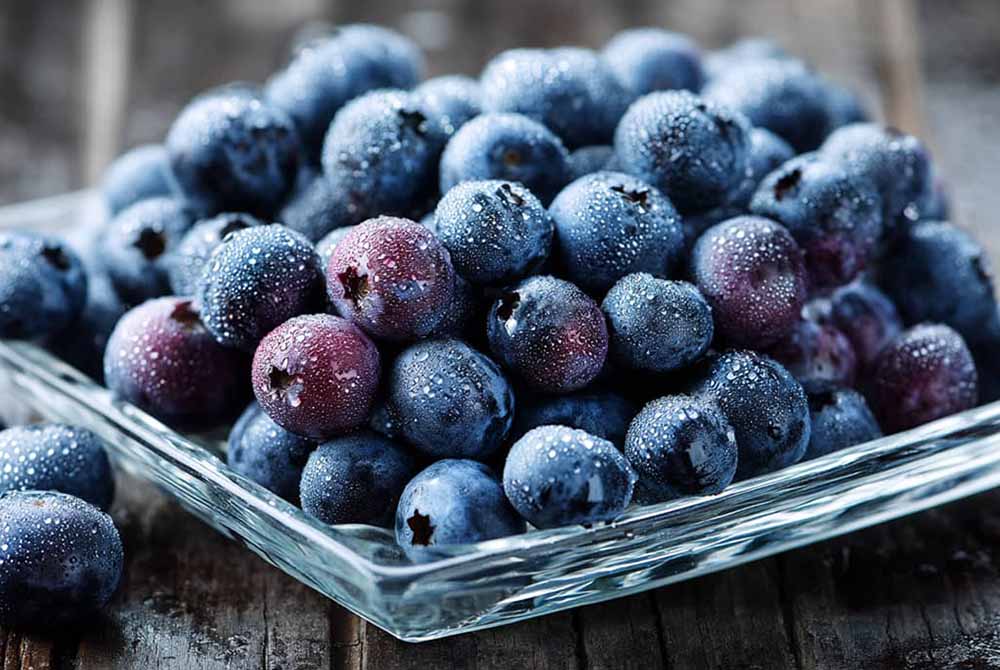
Blueberries have one of the highest antioxidant densities of any fruit. Their anthocyanins – the pigments that make them blue – neutralize free radicals that damage collagen and accelerate visible aging, according to research in Antioxidants Journal, 2023. A single cup provides around 9,000 ORAC units (Oxygen Radical Absorbance Capacity), a measure of antioxidant strength.
Key nutrients:
- Anthocyanins protect collagen from breaking down.
- Vitamin C and vitamin E work together to repair skin at the cellular level.
- Fiber helps clear skin indirectly by supporting gut health and reducing systemic inflammation.
How much to eat: Half a cup to one cup daily, fresh or frozen – freezing preserves anthocyanin content.
Best for: Protecting skin from environmental damage, pollution, and sun exposure.
6. Walnuts – Best Nut for Skin Repair

Walnuts are the only common nut with a meaningful amount of plant-based omega-3s (ALA – alpha-linolenic acid). They also contain zinc, a mineral that regulates oil production and helps heal skin damage. Low zinc levels are directly linked to acne severity, as noted in the Journal of the American Academy of Dermatology, 2021.
Key nutrients:
- ALA omega-3s reduce skin inflammation from the inside out.
- Zinc controls sebum production and supports wound healing.
- Vitamin E and selenium protect against free radical damage.
How much to eat: A small handful (about 28g or 7 whole walnuts) daily provides your full plant-based omega-3 requirement.
Best for: Oily or acne-prone skin, and anyone looking to repair and strengthen their skin barrier.
7. Green Tea – Best Drink for Skin Protection

Green tea contains catechins – a group of antioxidants that improve skin hydration, reduce redness, and protect against UV-induced skin damage. A 12-week study found that women who drank green tea daily had significantly less skin roughness and better moisture retention than the control group, published in the Journal of Nutrition, 2022.
Key nutrients:
- Epigallocatechin gallate (EGCG) is the primary catechin – it reduces inflammation and protects collagen.
- L-theanine reduces cortisol, which when elevated breaks down collagen over time.
- Polyphenols improve blood flow to skin, enhancing that “glow” effect.
How much to drink: 2-3 cups per day. Brew at 70-80°C (not boiling) to preserve catechin content.
Best for: Daily skin protection, especially for people in high-pollution environments.
8. Tomatoes – Best Food for Sun Damage Prevention
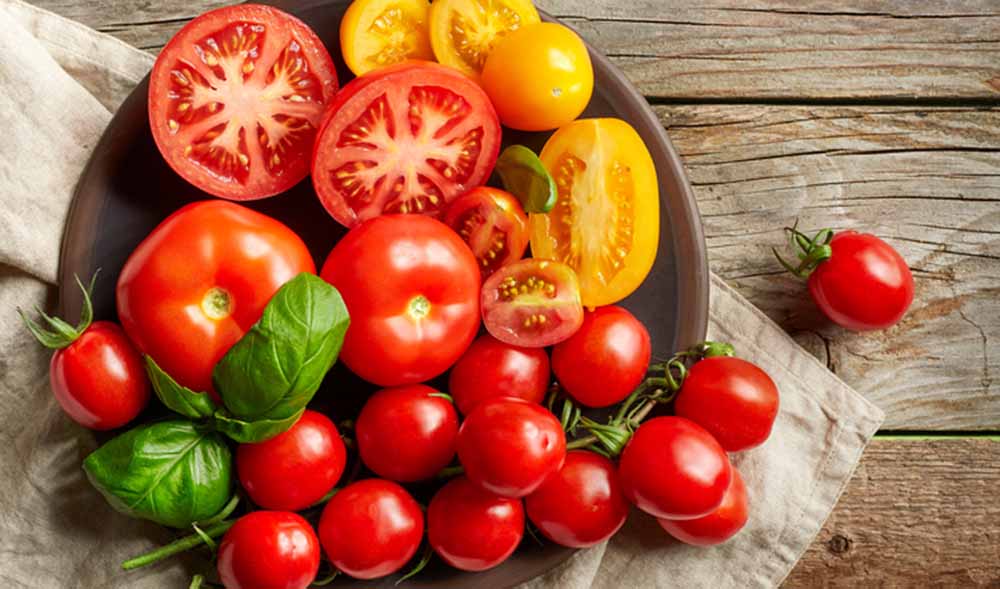
Tomatoes are the richest dietary source of lycopene, a carotenoid antioxidant that absorbs UV light and reduces the skin damage it causes. Cooked tomatoes deliver more lycopene than raw ones because heat breaks down the cell walls and improves absorption, according to the European Journal of Clinical Nutrition, 2020.
Key nutrients:
- Lycopene reduces UV-induced skin damage and redness.
- Vitamin C supports collagen structure.
- Potassium keeps skin hydrated and reduces puffiness.
How much to eat: Two tablespoons of cooked tomato paste or half a cup of cooked tomatoes daily achieves the lycopene levels linked to UV protection in clinical studies.
Best for: People with sun-sensitive skin or those who spend significant time outdoors.
9. Dark Chocolate – Best Treat for Skin Radiance

Dark chocolate with 70% cocoa or higher is a legitimate skin food, not just a guilty pleasure. The flavanols in cocoa improve blood flow to the skin, increase skin density, and reduce sensitivity to UV radiation, as reported in the Journal of Nutrition, 2023. This improved circulation is a direct driver of the “glow” effect.
Key nutrients:
- Flavanols increase skin hydration and surface texture.
- Copper supports melanin production and skin repair.
- Magnesium reduces the stress-driven cortisol that degrades skin over time.
How much to eat: 20-30g (one small square) of 70%+ dark chocolate daily. More than 40g daily adds sugar and calories that can offset the skin benefits.
Best for: Anyone who wants a skin-friendly daily treat that actually delivers measurable results.
10. Broccoli – Best Vegetable for All-Round Skin Health
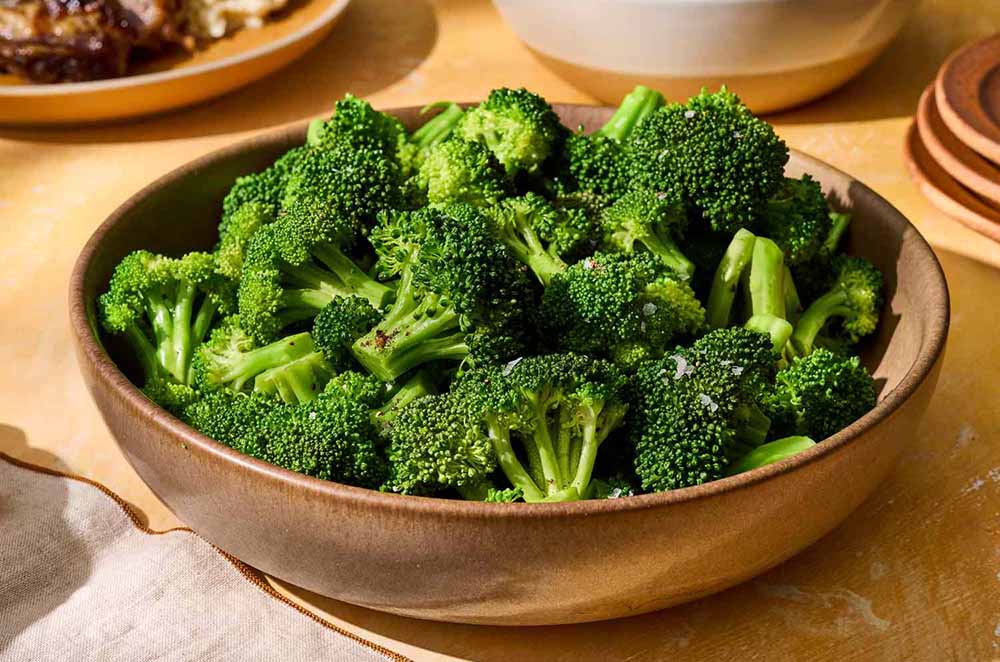
Broccoli covers more nutritional bases for skin health than almost any other vegetable. It provides vitamin C, vitamin A, zinc, and sulforaphane – a compound that activates the skin’s natural protective response against UV damage, according to Cancer Prevention Research Journal, 2021.
Key nutrients:
- Sulforaphane reduces UV-triggered inflammation and may lower long-term skin cancer risk.
- Vitamin C triggers collagen production.
- Lutein protects skin from oxidative damage, similar to beta-carotene.
How much to eat: Half a cup of steamed broccoli three to four times per week. Steaming preserves more sulforaphane than boiling.
Best for: Anyone who wants a single vegetable that addresses multiple skin concerns at once.
11. Sunflower Seeds – Best Snack for Skin Barrier Strength
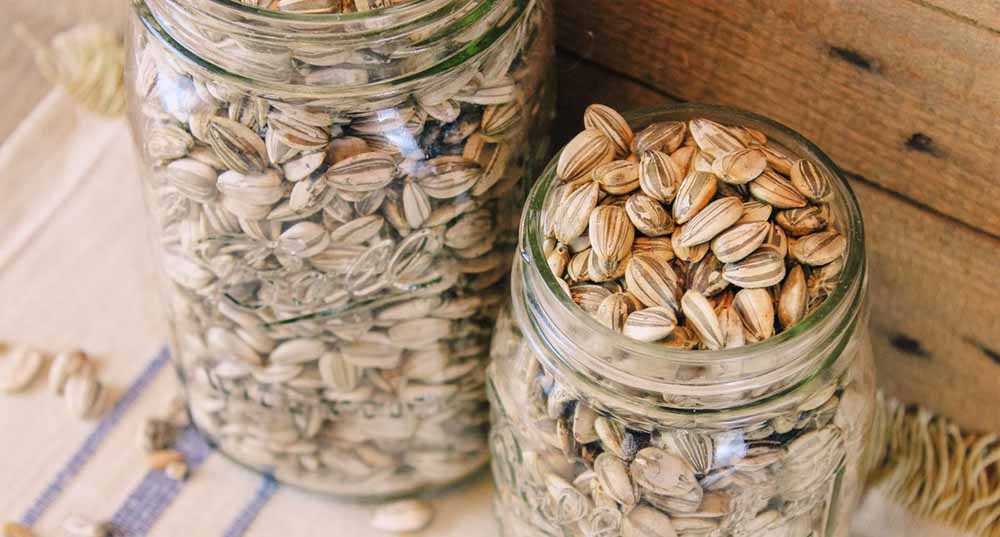
Sunflower seeds are one of the most concentrated food sources of vitamin E available. A single ounce (28g) provides 7.4mg of vitamin E — almost 50% of the daily recommended intake (USDA FoodData Central, 2023). Vitamin E is the primary fat-soluble antioxidant in skin cells, directly protecting the lipid barrier that keeps skin moisturized and resilient.
Key nutrients:
- Vitamin E protects cell membranes from oxidative breakdown.
- Linoleic acid (an omega-6 fatty acid) reinforces the skin barrier and reduces water loss.
- Selenium supports the skin’s repair cycle and reduces inflammation.
How much to eat: One ounce daily as a snack or sprinkled on salads covers your vitamin E baseline for skin protection.
Best for: People with a compromised skin barrier — flaky, easily irritated, or persistently dry skin.
12. Soy — Best Food for Reducing Visible Signs of Aging
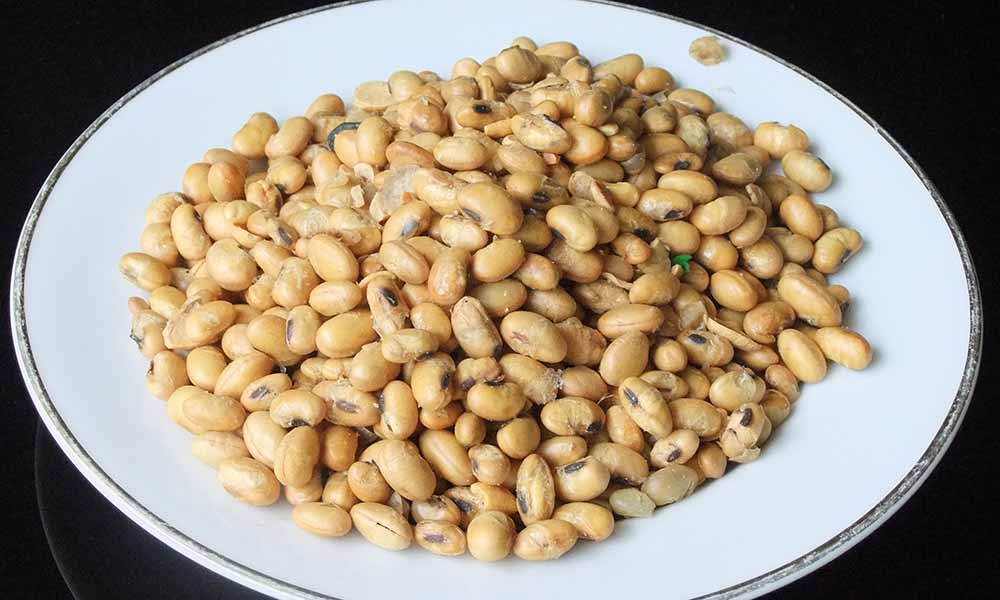
Soy contains isoflavones — plant-based compounds that mimic estrogen in the body and have a measurable effect on skin aging. Studies show that post-menopausal women who consumed soy isoflavones daily for 12 weeks had significantly improved skin elasticity and reduced wrinkle depth compared to a placebo group (British Journal of Dermatology, 2021).
Key nutrients:
- Isoflavones bind to estrogen receptors in skin cells, stimulating collagen production.
- Protein from edamame and tofu directly supplies the amino acids needed for skin repair.
- Antioxidants in soy reduce oxidative stress linked to early skin aging.
How much to eat: 25g of soy protein daily — roughly one cup of edamame or 100g of firm tofu.
Best for: Women over 35 looking to address early signs of aging, loss of elasticity, or hormonal skin changes.
Comparison Table: 12 Best Foods for Glowing Skin at a Glance
| Food | Best For | Top Nutrient | Daily Amount |
|---|---|---|---|
| Fatty Fish | Inflammation, dryness | Omega-3 (EPA/DHA) | 2 servings/week |
| Avocado | Hydration, elasticity | Monounsaturated fats | Half per day |
| Sweet Potato | Even tone, cell renewal | Beta-carotene | 1 medium |
| Bell Pepper | Firmness, collagen | Vitamin C | Half cup raw |
| Blueberries | Antioxidant protection | Anthocyanins | Half to 1 cup |
| Walnuts | Acne, skin repair | ALA omega-3, Zinc | 28g (7 walnuts) |
| Green Tea | UV protection, hydration | EGCG (catechins) | 2-3 cups |
| Tomatoes | Sun damage prevention | Lycopene | 2 tbsp paste |
| Dark Chocolate | Radiance, circulation | Flavanols | 20-30g (70%+ cocoa) |
| Broccoli | All-round skin health | Sulforaphane | Half cup steamed |
| Sunflower Seeds | Skin barrier strength | Vitamin E | 28g |
| Soy | Anti-aging, elasticity | Isoflavones | 25g soy protein |
Frequently Asked Questions About Foods for Glowing Skin
What are the best foods for glowing skin?
Fatty fish, avocados, and bell peppers are the top three foods for glowing skin. Fatty fish delivers omega-3 fatty acids that reduce inflammation and lock in moisture. Avocados supply vitamin E and healthy fats that maintain skin elasticity. Bell peppers provide more vitamin C per gram than oranges, directly fueling collagen production.
How long does it take for food to improve skin?
Most people see a noticeable change in skin texture and tone within 4-8 weeks of consistent dietary changes. Cell turnover — the process where your body replaces old skin cells with new ones — takes about 28-40 days (American Academy of Dermatology, 2023). Foods like green tea and fatty fish can reduce skin redness and dryness faster, sometimes within 2-3 weeks of daily intake.
Can eating certain foods actually make your skin glow?
Yes, and this is supported by clinical evidence. Several studies show that nutrients like beta-carotene, omega-3 fatty acids, and vitamin C produce measurable improvements in skin hydration, elasticity, and surface tone when consumed consistently. Beta-carotene in particular is directly linked to improved skin color and a warmer, healthier complexion (British Journal of Nutrition, 2022).
What foods should I avoid for better skin?
Foods that consistently worsen skin health include high-glycemic foods (white bread, sugary drinks), which spike insulin and trigger acne-causing inflammation (Journal of the Academy of Nutrition and Dietetics, 2020). Excess dairy is linked to acne in some people due to hormone content in milk. Alcohol dehydrates skin and disrupts sleep, both of which dull skin appearance.
Do I need supplements if I eat these foods regularly?
For most healthy adults eating a varied diet that includes the foods on this list, supplements are not necessary. However, people who avoid fish entirely may benefit from an algae-based omega-3 supplement. Those with low sun exposure may need vitamin D supplementation, which also affects skin health (National Institutes of Health, 2023). Always check with a doctor before adding supplements.
Is there a difference between eating for skin health vs. using skincare products?
Both work through different pathways and complement each other. Skincare products work topically – on the surface layer. Food-based nutrition works from the inside out, affecting skin cell structure, collagen density, and inflammatory response at the cellular level. Neither replaces the other. The most visible results come from combining a consistent diet rich in skin-supporting nutrients with a basic topical skincare routine.
Final Verdict: The Best Foods for Glowing Skin in 2026
Top overall pick: Fatty fish (salmon, mackerel, sardines). No other single food delivers the combination of omega-3s, vitamin E, and protein that directly addresses moisture, inflammation, and collagen in one serving.
Best plant-based pick: Sweet potatoes for skin tone improvement, or avocados if hydration and elasticity are the main concern.
Easiest daily habit: Add half a cup of blueberries to your morning and switch to green tea as your afternoon drink. These two changes alone cover antioxidant protection and UV defense without changing your main meals.
The real result comes from consistency. Eating three or four of these foods regularly – not all twelve perfectly – is more effective than any one food eaten occasionally.
Recommended Article
Vitamin E for Skin: What It Does, How to Use It, and DIY Methods That Actually Work
12 Low-Calorie Foods That Actually Keep You Full (Not Just Less Hungry)
The 9 Foods That Fight Wrinkles *and* Burn Belly Fat (Yes, at the Same Time)