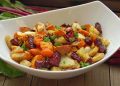



The Korean diet meal plan is a whole-food eating pattern built around rice, vegetables, fermented sides, and moderate portions of fish, tofu, or meat. It is not a calorie-restriction diet but rather a traditional way of eating that has been linked to lower rates of obesity and chronic disease in South Korea. The plan is structured around one staple, usually steamed white or brown rice, one main protein dish, and two to four side dishes called banchan.

TL;DR
The Korean diet meal plan centers on vegetables, fermented foods, rice, and lean proteins with very little processed food or added sugar. A typical day on the Korean diet runs between 1,500 and 1,800 calories, depending on portion sizes and protein choices. Fermented staples like kimchi deliver probiotics that support gut health and digestion, and the 7-day plan below uses common Korean dishes you can prepare at home. This plan suits health-conscious adults who want a sustainable, whole-food eating pattern, not a crash diet.
What Is the Korean Diet Meal Plan?
The Korean diet meal plan is a whole-food eating pattern built around rice, vegetables, fermented sides, and moderate portions of fish, tofu, or meat. It is not a calorie-restriction diet because it is a traditional way of eating that has been linked to lower rates of obesity and chronic disease in South Korea, where the adult obesity rate sits at around 6% compared to 42% in the United States (OECD Health Statistics, 2023). The plan is structured around one staple, usually steamed white or brown rice, one main protein dish, and two to four side dishes called banchan, which are small plates of seasoned or fermented vegetables served at every meal.
How the Korean Diet Works: 4 Core Principles
The Korean diet follows four patterns that make it effective for long-term health. First, vegetables appear at every meal because banchan side dishes are almost always plant-based, which increases fiber intake without requiring deliberate calorie counting. Second, fermented foods like kimchi, doenjang, and ganjang appear in nearly every Korean meal and introduce live bacteria that support gut microbiome diversity (Nature Medicine, 2021).
Third, Korean meals feature small portions of protein rather than large cuts, with protein distributed across multiple small dishes like grilled fish, braised tofu, or thin slices of beef, which naturally moderates calorie density. Fourth, the diet uses minimal processed food and added sugar because traditional Korean cooking uses natural seasonings such as garlic, ginger, sesame oil, gochugaru, and doenjang, with packaged snacks and refined sugar playing almost no role in the traditional pattern.
Core Foods in a Korean Diet Meal Plan
Understanding the core foods in a Korean diet meal plan helps you build balanced meals that follow traditional patterns. Grains like steamed white rice, brown rice, and barley rice form the base of every meal, while fermented foods such as kimchi, doenjang, and ganjang provide gut health benefits, flavor, and probiotics. Vegetables including spinach, bean sprouts, zucchini, radish, and cabbage are typically served as banchan side dishes, and lean protein sources like grilled fish, tofu, chicken, and occasional pork belly serve as the main protein. Soups and stews like doenjang jjigae, miyeok-guk, and sundubu jjigae provide hydration, warmth, and satiety, while condiments such as gochujang, sesame oil, garlic, and ginger add flavor without processed additives.
| Food Category | Examples | Role in the Diet |
|---|---|---|
| Grains | Steamed white rice, brown rice, barley rice | Base of every meal |
| Fermented foods | Kimchi, doenjang, ganjang | Gut health, flavor, probiotics |
| Vegetables | Spinach, bean sprouts, zucchini, radish, cabbage | Banchan side dishes |
| Lean protein | Grilled fish, tofu, chicken, pork belly (occasional) | Main protein source |
| Soups and stews | Doenjang jjigae, miyeok-guk, sundubu jjigae | Hydration, warmth, satiety |
| Condiments | Gochujang, sesame oil, garlic, ginger | Flavor without processed additives |
7-Day Korean Diet Meal Plan with Calorie Estimates
Each day in this 7-day Korean diet meal plan targets 1,500 to 1,800 calories, with calorie counts that are approximate and based on standard serving sizes for each dish (Korean Nutrition Society, 2022). This weekly plan uses common Korean dishes you can prepare at home with ingredients available at most Asian grocery stores.
Day 1 – ~1,600 calories
For breakfast on day one, enjoy juk, which is rice porridge with sliced scallions and a soft-boiled egg, providing approximately 350 calories. Lunch features bibimbap, a mixed rice bowl with vegetables, gochujang, and a fried egg at around 520 calories, while dinner consists of grilled mackerel, steamed rice, kimchi, and spinach namul for about 620 calories. A simple snack of sliced cucumber with doenjang dip adds roughly 110 calories to complete the day.
- Breakfast: Juk (rice porridge) with sliced scallions and a soft-boiled egg – ~350 cal
- Lunch: Bibimbap (mixed rice bowl with vegetables, gochujang, and a fried egg) – ~520 cal
- Dinner: Grilled mackerel, steamed rice, kimchi, and spinach namul (seasoned spinach) – ~620 cal
- Snack: Sliced cucumber with doenjang dip – ~110 cal
Day 2 – ~1,550 calories
Day two starts with steamed rice served alongside doenjang jjigae, a soybean paste stew with tofu and zucchini, totaling roughly 380 calories for breakfast. Lunch is japchae, glass noodles stir-fried with vegetables and beef, providing about 490 calories, and dinner features sundubu jjigae, a soft tofu stew served with steamed rice and two banchan sides for approximately 570 calories. A handful of roasted seaweed snacks makes for a light 110-calorie snack.
- Breakfast: Steamed rice with doenjang jjigae (soybean paste stew with tofu and zucchini) – ~380 cal
- Lunch: Japchae (glass noodles stir-fried with vegetables and beef) – ~490 cal
- Dinner: Sundubu jjigae (soft tofu stew), steamed rice, and two banchan sides – ~570 cal
- Snack: A handful of roasted seaweed snacks – ~110 cal
Day 3 – ~1,620 calories
Breakfast on day three is gyeran-bap, which is egg over rice with sesame oil and soy sauce, coming in at around 360 calories. For lunch, enjoy tteokguk, a rice cake soup with egg and scallions that provides approximately 430 calories, while dinner features samgyeopsal, which includes grilled pork belly with lettuce wraps, garlic, and kimchi for about 700 calories. A sliced apple with a small handful of walnuts adds roughly 130 calories as a satisfying snack.
- Breakfast: Gyeran-bap (egg over rice with sesame oil and soy sauce) – ~360 cal
- Lunch: Tteokguk (rice cake soup with egg and scallions) – ~430 cal
- Dinner: Samgyeopsal (grilled pork belly, lettuce wraps, garlic, kimchi) – ~700 cal
- Snack: Sliced apple with a small handful of walnuts – ~130 cal
Day 4 — ~1,500 calories
Breakfast begins with a warm and nourishing bowl of miyeok-guk, a traditional seaweed soup often eaten to support recovery. Paired with steamed rice, this meal provides essential minerals and a gentle start to the day at around 310 calories.
- Breakfast: Miyeok-guk (seaweed soup) with steamed rice — ~310 cal
Lunch takes a packed meal approach with a dosirak-style bento box, offering a balanced mix of protein, vegetables, and rice. The combination of bulgogi, kimchi, and pickled radish creates a satisfying and portable midday meal.
- Lunch: Dosirak-style bento with rice, bulgogi (marinated beef), kimchi, and pickled radish — ~550 cal
Dinner features lean grilled chicken served alongside kongnamul, a seasoned bean sprout side dish that adds crunch and fiber. Accompanied by kimchi and steamed rice, this meal keeps the evening light yet filling.
- Dinner: Grilled chicken with kongnamul (seasoned bean sprouts), kimchi, and steamed rice — ~530 cal
A simple banana serves as the day’s snack, offering natural sweetness and potassium without breaking the calorie budget.
- Snack: Banana — ~110 cal
Day 5 — ~1,680 calories
Breakfast takes a sweeter turn with hotteok, a beloved Korean street food pancake filled with brown sugar and nuts. Served with barley tea, this morning meal provides quick energy and a touch of indulgence.
- Breakfast: Hotteok (sweet pancake filled with brown sugar and nuts) and barley tea — ~380 cal
Lunch transforms leftover rice into a savory kimchi fried rice, topped with a perfectly fried egg. This dish is a classic example of using simple ingredients to create a deeply flavorful and satisfying meal.
- Lunch: Kimchi fried rice with a fried egg on top — ~520 cal
Dinner features haemul-tang, a spicy seafood stew loaded with shrimp, mussels, and vegetables. Served with steamed rice and two banchan sides, it delivers a generous portion of protein and warmth.
- Dinner: Haemul-tang (spicy seafood stew) with steamed rice and two banchan — ~670 cal
A handful of roasted chestnuts provides a warm, slightly sweet snack that feels seasonal and satisfying without added sugar.
- Snack: Roasted chestnuts — ~110 cal
Day 6 — ~1,570 calories
Breakfast brings a simple, comforting combination of steamed rice topped with soft scrambled eggs and a side of pickled radish. This light, protein-rich meal takes only minutes to prepare and keeps the morning calm.
- Breakfast: Steamed rice with soft scrambled eggs and pickled radish (danmuji) — ~340 cal
Lunch is gimbap, a portable roll of rice, vegetables, and protein wrapped in seaweed. Unlike sushi, gimbap uses seasoned rice and cooked fillings, making it an approachable and practical midday option.
- Lunch: Gimbap (rice and vegetable rolls, similar to sushi without raw fish) — ~490 cal
Dinner focuses on dakgalbi, a spicy stir-fried chicken dish with cabbage and sweet potato. Served with a portion of rice, it balances heat, sweetness, and heartiness in one pan.
- Dinner: Dakgalbi (spicy stir-fried chicken with cabbage and sweet potato) and rice — ~630 cal
For a snack, sliced pear offers a crisp, hydrating finish to the day, adding natural sweetness and fiber.
- Snack: Sliced pear — ~110 cal
Day 7 — ~1,600 calories
Breakfast features doenjang jjigae, a fermented soybean paste stew that is both deeply savory and probiotic-rich. Served with steamed rice and a side of kimchi, this meal embodies the Korean breakfast tradition of starting the day with soup.
- Breakfast: Doenjang jjigae with steamed rice and kimchi — ~380 cal
Lunch is naengmyeon, a cold noodle dish perfect for a lighter midday meal. Buckwheat noodles are served in a chilled broth topped with cucumber, pear slices, and a boiled egg, creating a refreshing contrast to the rest of the week’s meals.
- Lunch: Naengmyeon (cold buckwheat noodles with cucumber, pear, and a boiled egg) — ~470 cal
Dinner ends the week on a communal note with a bulgogi hot pot, where thinly sliced beef simmers with vegetables in a savory broth. Served with rice and two banchan sides, this meal encourages shared eating and slow enjoyment.
- Dinner: Bulgogi hot pot with vegetables, rice, and two banchan sides — ~640 cal
A small bowl of barley tea paired with a handful of mixed nuts provides a quiet, low-calorie finish to the day’s eating.
- Snack: A small bowl of barley tea and a handful of mixed nuts — ~110 cal
3 Mistakes to Avoid on the Korean Diet
Even the healthiest eating pattern can be undermined by common oversights. These three mistakes are the most frequent pitfalls people encounter when adopting a Korean diet, and avoiding them ensures you stay within your goals while preserving the nutritional integrity of each meal.
- Over-eating gochujang and sauces: Gochujang and ssamjang add sodium quickly. Use them as accents, not as the base of every dish. Limit combined sauce portions to one to two tablespoons per meal.
- Skipping banchan and eating rice alone: Rice without vegetable sides removes the fiber and micronutrient density that makes the Korean diet work. Always pair your rice with at least two vegetable-based side dishes.
- Using instant Korean products as substitutes: Instant ramyeon and packaged tteokbokki sauce are not part of the traditional Korean eating pattern. They are high in sodium and preservatives. Stick to whole-food versions of each dish.
Frequently Asked Questions About the Korean Diet Meal Plan
What is a Korean diet meal plan?
A Korean diet meal plan is a structured eating pattern based on traditional Korean cuisine — steamed rice, fermented side dishes like kimchi, vegetable banchan, soups, and lean proteins. A standard day includes three meals, each built around a grain base with multiple small sides, and runs between 1,500 and 1,800 calories.
Does the Korean diet help with weight loss?
It can. The Korean diet is naturally lower in processed food, saturated fat, and added sugar than most Western diets. A 2020 study published in the Journal of Ethnic Foods found that adherence to traditional Korean dietary patterns was associated with lower body mass index (BMI) in Korean adults. The high vegetable content also supports satiety on fewer calories.
Is kimchi necessary for the Korean diet?
Kimchi is not mandatory, but it is the most efficient way to add fermented food and fiber to every meal. If you cannot tolerate spicy food, doenjang (fermented soybean paste) or kkakdugi (mild radish kimchi) are lower-heat alternatives that provide similar probiotic benefits.
Can I follow a Korean diet meal plan without cooking Korean food daily?
Yes. The principles — whole grains, vegetables at every meal, fermented foods, and small protein portions — can be applied with non-Korean ingredients. The 7-day plan above is designed to be followed as written, but you can substitute similar whole-food equivalents if specific ingredients are unavailable.
How much does it cost to follow a Korean diet meal plan?
The core ingredients — rice, cabbage, tofu, eggs, and seasonal vegetables — are among the lowest-cost foods available. A week of Korean-style eating for one person typically costs between $40 and $65 USD depending on region, protein choices, and whether kimchi is homemade or store-bought.
What is the difference between the Korean diet and the Japanese diet?
Both diets emphasize rice, vegetables, and fish, but the Korean diet uses more fermented foods, spicier seasonings, and red pepper-based condiments. The Japanese diet relies more on raw fish, dashi-based broths, and pickled vegetables. Both patterns are associated with lower rates of obesity compared to Western diets (OECD Health Statistics, 2023).
Key Takeaways
- The Korean diet meal plan is built on rice, fermented vegetables, lean protein, and soup — eaten in moderate, balanced portions at every meal.
- A standard week runs 1,500 to 1,800 calories per day without deliberate restriction.
- Kimchi and doenjang are the two highest-impact foods to add first if you are adopting this pattern gradually.
- The plan works best when you treat banchan as non-optional — vegetables at every meal are what separates the Korean diet from a plain rice-and-meat pattern.
Recommended Article
Hormone Balancing Diet: What It Is, How It Works, and Where to Start
Candida Diet Recipes: How to Follow the Candida Diet as a Complete Beginner
How to Get a Natural Glow While Dieting: What Actually Works