

Starting a zero sugar diet can feel overwhelming at first, especially when you realize how many everyday foods contain hidden added sugars. The truth is that a zero sugar diet doesn’t mean eating nothing but celery and water — it means knowing which foods are naturally free of added sugars and which ones you need to avoid. This complete zero sugar diet food list covers everything you can eat freely, what to limit, and how to structure your meals for lasting success. Let’s break it down so you can start with confidence and clarity.
What Is a Zero Sugar Diet?
A zero sugar diet removes added sugars from everything you eat and drink, but it does not require eliminating every gram of natural sugar found in whole foods like vegetables or plain dairy. The focus is on added sugars — the ones manufacturers put into products during processing — rather than the naturally occurring sugars in nutrient-dense foods. The average American adult consumes 77 grams of added sugar per day according to the American Heart Association (2023), while the recommended daily limit is 25 grams for women and 36 grams for men, so a zero sugar diet brings that number as close to zero as possible. This is not the same as a no-carb or ketogenic diet, as you can follow a zero sugar diet and still eat fruit, legumes, and whole grains as long as they contain no added sugar.
Zero Sugar Diet Food List: What You Can Eat Freely
These foods contain no added sugar and are safe to eat on a zero sugar diet without strict portion limits. They form the foundation of your meals and snacks and should make up the majority of what you eat each day. The key is choosing plain, unprocessed versions of each food group and avoiding anything that comes pre-seasoned, marinated, or flavored.
Meat and Protein
All plain, unprocessed meat is naturally zero sugar, but the key word is “plain” — marinades, glazes, and pre-seasoned meats often contain added sugar that can derail your efforts. Stick with fresh or frozen cuts that have no ingredient list beyond the meat itself, and avoid anything labeled as honey-glazed, teriyaki, or pre-marinated.
- Chicken breast, thighs, and drumsticks (unseasoned)
- Beef – ground beef, steak, roast cuts
- Pork chops and tenderloin (not pre-marinated)
- Lamb
- Turkey (not deli-sliced – deli meats often contain sugar)
- Eggs – all forms, no added ingredients
Fish and Seafood
Fresh and frozen plain fish contain zero sugar, making them excellent protein sources for your diet. The main trap to watch for is breaded, glazed, or pre-sauced varieties that add sugar during processing. Canned fish is also fine as long as you choose water-packed versions without added flavorings or preservatives.
- Salmon
- Tuna (fresh or canned in water, not brine with additives)
- Cod, tilapia, mahi-mahi
- Shrimp, scallops, crab (plain, not pre-seasoned)
- Sardines in olive oil
Non-Starchy Vegetables
Non-starchy vegetables are the foundation of a zero sugar diet because they are low in natural sugar and contain no added sugar whatsoever. They provide volume, fiber, and essential nutrients without spiking your blood sugar or triggering cravings. Here is a quick reference table for the best options:
| Vegetable | Notes |
|---|---|
| Spinach | Raw or cooked, no additives |
| Broccoli | One of the best options |
| Cauliflower | Great as a rice or mash substitute |
| Zucchini | Versatile and filling |
| Cucumber | Good raw snack |
| Bell peppers | Slightly sweet but low sugar |
| Kale | High nutrient density |
| Asparagus | Zero sugar, high fiber |
| Green beans | Whole or cut, plain only |
| Mushrooms | Any variety |
| Celery | High water content |
| Lettuce and leafy greens | All varieties |
Nuts and Seeds
Plain, unsalted, and unflavored nuts and seeds are naturally zero added sugar, making them perfect for snacks and meal additions. The danger comes from flavored varieties like honey-roasted, chocolate-covered, or spicy mixes that almost always contain added sugar. Stick with raw or dry-roasted options and check the ingredient list to be safe.
- Almonds
- Walnuts
- Pecans
- Macadamia nuts
- Sunflower seeds
- Pumpkin seeds (pepitas)
- Flaxseeds and chia seeds
- Hemp seeds
Plain Dairy
Plain dairy products are acceptable in moderate amounts, but you must avoid flavored versions that almost always contain added sugar. Greek yogurt is a common trap — many brands add sugar even to products labeled as “plain” or “natural,” so always read the nutrition label carefully before purchasing.
- Plain full-fat Greek yogurt (check labels – many brands add sugar)
- Cheddar, mozzarella, and hard cheeses
- Butter and ghee
- Heavy cream (plain)
- Unsweetened almond milk, oat milk, or coconut milk
Healthy Fats and Oils
Healthy fats and oils contain zero sugar and are essential for flavor and satiety on this diet. They help you absorb fat-soluble vitamins and make vegetables more satisfying to eat. Just be sure to choose pure oils without added flavorings or sugar-based preservatives.
- Olive oil
- Avocado oil
- Coconut oil
- Avocados
- Olives
Drinks
Most people consume far more added sugar through drinks than through food, so choosing the right beverages is critical. Stick with zero-sugar options and avoid anything labeled as “juice,” “sports drink,” or “enhanced water” as these almost always contain added sugar.
- Water (still and sparkling)
- Black coffee
- Plain tea – green, black, herbal
- Sparkling water with no added flavoring
Foods to Eat in Limited Amounts on a Zero Sugar Diet
These foods contain natural sugars but no added sugars, so they are not banned — but portion size matters significantly. Understanding the difference between natural and added sugars helps you make informed choices without feeling deprived. The key is to treat these foods as occasional additions rather than daily staples.
Fruit
Whole fruit contains fructose, which is a natural sugar, but it also contains fiber that slows sugar absorption and prevents blood sugar spikes. Fruit is not the enemy on a zero sugar diet, but quantity matters because even natural sugars can add up quickly. Stick with lower-sugar options like berries and limit higher-sugar fruits like bananas, grapes, and mangoes to occasional treats.
- Berries (strawberries, blueberries, raspberries, blackberries) – lowest sugar fruit
- Green apples and Granny Smith apples
- Citrus fruits (oranges, grapefruit, lemons, limes)
- Kiwi
- Watermelon and cantaloupe (in moderation)
- Plums and peaches (fresh, not canned in syrup)
Dried fruit is a different story entirely and should be avoided on a zero sugar diet. The drying process concentrates sugar dramatically, and many dried fruits also have added sugar. A single handful of dried raisins contains as much sugar as several whole grapes, and the fiber content is much lower after drying.
Lower-sugar choices (eat freely in small portions):
Berries are the best option on a zero sugar diet because they offer natural sweetness without high sugar content. These fruits provide fiber and antioxidants while keeping sugar intake low. Strawberries contain 7g of sugar per cup, raspberries have 5g per cup, and blackberries also have 7g per cup. Blueberries are slightly higher at 15g per cup, so enjoy them in moderation.
- Strawberries – 7g sugar per cup
- Raspberries – 5g sugar per cup
- Blackberries – 7g sugar per cup
- Blueberries – 15g sugar per cup (moderate)
Higher-sugar fruits to limit:
These fruits contain substantial natural sugar and should be eaten sparingly or avoided during a strict zero sugar diet. A single cup of mango or grapes provides 23g of sugar, while one medium banana contains 14g and a cup of pineapple has 16g. If you choose to include them, keep portions very small and treat them as an occasional addition to meals.
- Mango – 23g sugar per cup
- Grapes – 23g sugar per cup
- Bananas – 14g sugar per medium fruit
- Pineapple – 16g sugar per cup
One serving of low-sugar fruit per day is a reasonable starting point.
Starchy Vegetables
These vegetables contain more natural sugar than their non-starchy counterparts but are still whole, nutrient-dense foods. They provide vitamins and fiber that processed foods lack, so they can be included with mindful portion control. Sweet potatoes should be limited to half a medium potato per meal, while beets contain natural sugars and should be eaten in small portions. Carrots are slightly sweet but fine in normal serving sizes, and corn is higher in natural sugar, so stick to one small portion per day.
- Sweet potato – limit to half a medium potato per meal
- Beets – contain natural sugars, small portions
- Carrots – slightly sweet, fine in normal serving sizes
- Corn – higher in natural sugar, one small portion per day
Legumes
Lentils, chickpeas, black beans, and kidney beans contain natural carbohydrates including some sugar, but they are high in fiber and protein, which offsets the sugar impact on blood glucose. These foods are considered safe on a zero sugar diet when eaten in appropriate portions. One half-cup serving per meal is a reasonable guide for incorporating legumes into your meals.
What to Avoid: High-Sugar Foods That Derail a Zero Sugar Diet
These foods either contain high amounts of added sugar or are common hidden sugar sources that can undermine your progress. Understanding what to avoid is just as important as knowing what to eat.
Obvious High-Sugar Foods
These items are clearly high in added sugar and should be eliminated completely on a zero sugar diet. Candy, chocolate bars, sodas, fruit juices, ice cream, and frozen desserts are among the most concentrated sources. Cakes, cookies, and pastries also fall into this category, as do breakfast cereals, most of which contain 8-20g of added sugar per serving according to the Environmental Working Group (2023). Flavored yogurts are another surprise offender, with some containing as much sugar as a candy bar.
- Candy, chocolate bars, and sweets
- Sodas and fruit juices
- Ice cream and frozen desserts
- Cakes, cookies, and pastries
- Breakfast cereals – most contain 8-20g added sugar per serving (Environmental Working Group, 2023)
- Flavored yogurts – some contain as much sugar as a candy bar
Hidden Sugar Sources (The Ones People Miss)
This is where most people fail on a zero sugar diet. Added sugar hides in products that don’t taste sweet, including condiments, sauces, and packaged foods you might consider healthy. The table below shows common sources and their sugar content per serving.
| Product | Why It Contains Sugar |
|---|---|
| Ketchup | 4g added sugar per tablespoon |
| Pasta sauce (jarred) | 6-12g per half-cup serving |
| Salad dressings | 5-8g per 2 tablespoons |
| Bread (commercial) | 2-4g per slice |
| Protein bars | 10-20g added sugar in most brands |
| Flavored oatmeal packets | 12-16g added sugar |
| Barbecue sauce | 15g per 2 tablespoons |
| Sports drinks | 21-34g per bottle |
| “Low-fat” products | Fat is replaced with sugar |
| Peanut butter (commercial) | 3-5g added sugar per serving |
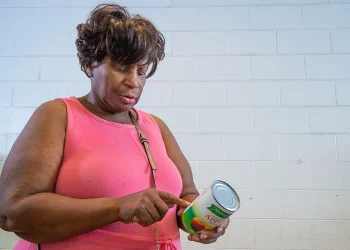
Rule: Check the “Added Sugars” line on the Nutrition Facts label – not just “Total Sugars.” The FDA required this separate listing starting in 2020.
How to Read Labels for Hidden Sugar on a Zero Sugar Diet
The ingredient list tells you more than the nutrition panel alone. Added sugar appears under over 60 different names on food labels, as noted by the FDA in 2023. Learning these names is essential for avoiding hidden sugar in packaged foods.
The most common hidden sugar names:
- High-fructose corn syrup
- Cane juice or evaporated cane juice
- Dextrose, maltose, sucrose
- Agave nectar
- Rice syrup or brown rice syrup
- Coconut sugar
- Molasses
- Fruit juice concentrate
Any ingredient ending in “-ose” is a sugar. If sugar (by any name) appears in the first three ingredients, the product is high in added sugar and should be avoided.
How to Start a Zero Sugar Diet: A Practical 3-Step Approach
Step 1: Audit Your Current Pantry
Go through your kitchen and identify products with added sugar in the first three ingredients. Common offenders include sauces, dressings, bread, cereals, flavored drinks, and snack bars. You can set them aside or finish them before starting your diet, but removing temptation makes success much easier.
Step 2: Build Meals Around Zero Sugar Anchor Foods
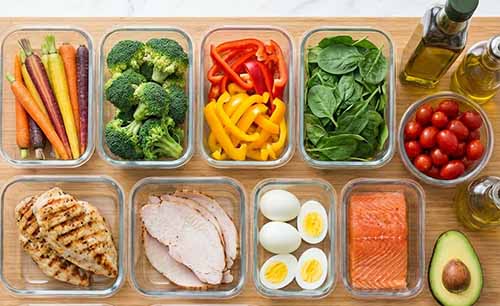
Each meal should have one protein source, one non-starchy vegetable, and one fat source. This means choosing meat, fish, or eggs paired with leafy greens, broccoli, or peppers and cooking with olive oil, avocado, or nuts. This structure eliminates most added sugar by default because whole proteins and plain vegetables contain none.
Step 3: Replace, Don’t Just Remove
Removing sugar without a replacement plan leads to cravings and failure within days. Instead of going cold turkey, swap high-sugar items for zero sugar alternatives. Replace soda with sparkling water and a slice of lemon, flavored yogurt with plain Greek yogurt and a handful of berries, bottled dressing with olive oil and vinegar, and sweetened peanut butter with a brand that contains only peanuts.
- Soda – for sparkling water with a slice of lemon
- Flavored yogurt – for plain Greek yogurt with a handful of berries
- Bottled dressing – for olive oil and vinegar
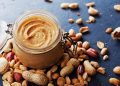
- Sweetened peanut butter – for a brand with one ingredient: peanuts
Frequently Asked Questions About Zero Sugar Diet Food List
What is a zero sugar diet food list?
A zero sugar diet food list is a guide to foods with no added sugars. It includes plain meats, fish, eggs, non-starchy vegetables, nuts, seeds, plain dairy, and healthy oils. These foods are safe to eat without restriction on a zero sugar diet.
Can I eat fruit on a zero sugar diet?
Yes. Whole fruit contains natural sugar, not added sugar. Berries are the best choice because they are lowest in sugar – about 5-7 grams per cup. Limit high-sugar fruits like mango and grapes to small portions.
How long does it take to see results on a zero sugar diet?
Most people notice reduced cravings and more stable energy within 7-14 days. A study from the University of California (2016) found that taste preferences shifted noticeably after two weeks without added sugar. Weight changes vary depending on overall calorie intake.
Is honey allowed on a zero sugar diet?
No. Honey is a natural product, but it is still a form of added sugar. One tablespoon contains 17 grams of sugar. It raises blood sugar the same way white table sugar does and does not belong on a zero sugar diet.
What drinks are allowed on a zero sugar diet?
Water, black coffee, plain tea, and unsweetened sparkling water are the safest choices. Avoid fruit juice (even 100% juice contains high natural sugar without fiber), flavored waters with added sweeteners, and all sodas including diet sodas, which can maintain sugar cravings (Harvard T.H. Chan School of Public Health, 2021).
Are artificial sweeteners allowed on a zero sugar diet?
This depends on your goal. Artificial sweeteners like stevia, erythritol, and monk fruit contain zero added sugar and won’t spike blood glucose. However, research from Harvard T.H. Chan School of Public Health (2021) suggests they may maintain sweet cravings rather than reducing them. Most strict zero sugar approaches recommend eliminating them for at least the first two weeks.
What is the difference between zero sugar and no sugar added?
“Zero sugar” on a food label means the product contains less than 0.5g of sugar per serving. “No sugar added” means no sugar was added during manufacturing, but the food may still contain natural sugars from its ingredients. For a zero sugar diet, both labels are generally acceptable – but always check the full ingredient list.
Key Takeaways
- Build every meal around plain protein, non-starchy vegetables, and healthy fats – this removes added sugar by default.
- The biggest source of hidden sugar is not candy – it is condiments, sauces, bread, and “healthy” packaged foods.
- Read labels for “Added Sugars” specifically, not just total sugars.
- Berries are the best fruit option – low in sugar, high in fiber.
- Replace high-sugar items rather than just removing them to avoid cravings in the first two weeks.
Recommended Article
7 Day Oatmeal Diet Plan: Lose Weight Step by Step in 2025
Soft Food Diet: What Actually Works (And What Nobody Tells You)
The Complete Low Cholesterol Diet Plan: A 7-Day Heart-Healthy Meal Plan to Lower LDL Naturally