


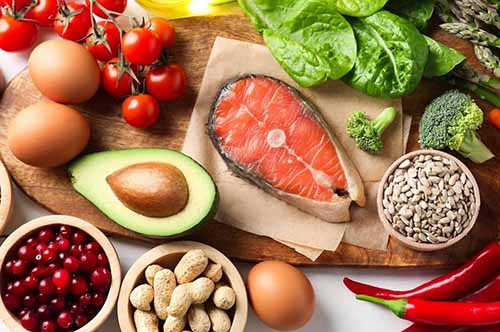
Starting a raw food diet can feel overwhelming, but it doesn’t have to be. This eating pattern focuses on whole, unprocessed foods that have not been heated above 118°F, preserving more of their natural nutrients. Whether you want to go 100% raw or simply add more raw meals to your week, this guide will walk you through everything you need to know to get started safely and sustainably.
What Is a Raw Food Diet?
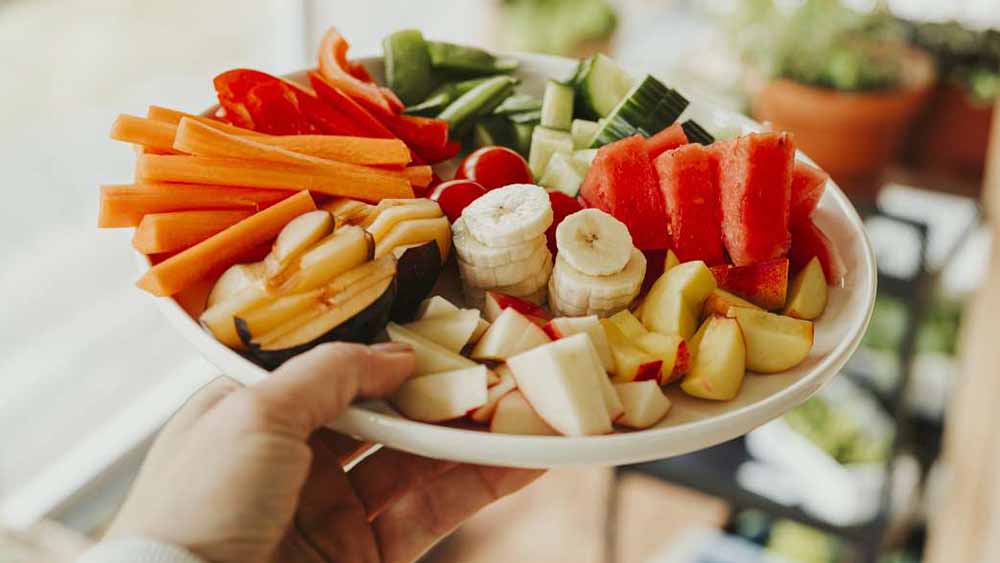
A raw food diet is an eating pattern built around whole, unprocessed foods that have not been cooked above 118°F (48°C). The idea is that heat destroys natural enzymes and some nutrients in food, so keeping food raw preserves more of its nutritional value. Most raw food diets are plant-based, with core foods including fresh fruits, vegetables, nuts, seeds, sprouted grains, and cold-pressed oils.
Some versions also include raw dairy, raw fish (such as sushi-grade), or raw eggs, but these carry higher food safety risks and are less common among beginners. The diet is not one fixed rulebook — some people eat 100% raw while others aim for 70-80% raw and allow cooked whole foods for the remaining meals, and both approaches fall under the “raw food diet” label.
Why People Try a Raw Food Diet
People start raw food diets for different reasons, and the evidence behind those reasons varies. Some potential benefits that have research support include higher fruit and vegetable intake, which is associated with lower risk of heart disease and type 2 diabetes according to the American Heart Association (2024). Increased dietary fiber from raw foods supports healthy digestion and regular bowel movements, while the lower calorie density in most raw meals can be helpful for weight management.
Other claims have weaker or mixed evidence. For example, while proponents say “raw food preserves all enzymes,” the digestive system breaks down food enzymes in the stomach regardless of whether they were cooked — your body produces its own digestive enzymes according to the National Institutes of Health (2022). Similarly, while some believe cooking destroys all nutrients, research from the Journal of Agricultural and Food Chemistry (2021) shows that nutrients like lycopene in tomatoes and beta-carotene in carrots actually become more available after cooking. Understanding the real evidence helps you make better decisions about how far to take the diet.
What You Can and Cannot Eat on a Raw Food Diet
Knowing exactly which foods are allowed and which are not is essential before you start shopping and meal prepping. Below is a breakdown of what fits into a raw food diet and what you will need to avoid.
Foods You Can Eat
| Category | Examples |
|---|---|
| Fresh fruits | Apples, bananas, mangoes, berries, citrus, dates |
| Raw vegetables | Spinach, kale, cucumbers, bell peppers, carrots, tomatoes |
| Nuts and seeds | Almonds, walnuts, sunflower seeds, chia seeds, flaxseeds |
| Sprouted grains and legumes | Sprouted lentils, mung beans, buckwheat, quinoa sprouts |
| Cold-pressed oils | Olive oil, coconut oil, flaxseed oil |
| Fermented foods | Raw sauerkraut, kimchi (unpasteurized), raw apple cider vinegar |
| Raw nut milks and cheeses | Homemade almond milk, cashew cheese |
Foods That Are Off the Table
- All cooked, baked, fried, or roasted foods
- Pasteurized dairy and juice
- Refined sugar, white flour, and processed snacks
- Canned or jarred foods (pasteurization applies heat)
- Alcohol
- Coffee and most teas (hot water counts as cooking)
How to Start a Raw Food Diet: Step by Step
Transitioning to a raw food diet does not have to happen overnight. Following a step-by-step approach makes the process manageable and helps you build lasting habits that work for your lifestyle.
Step 1: Assess Your Current Diet and Set a Clear Goal
Before changing what you eat, write down what you currently eat for three days to establish a baseline. Then decide what “raw food diet” means for you — whether that is 100% raw, 80% raw, or simply adding more raw meals to your week. Setting a specific target makes the transition easier to follow and evaluate, so “I want to eat raw for breakfast and lunch every weekday” is a much better goal than “I want to eat more raw food.”
Step 2: Clear Out and Restock Your Kitchen
You do not need expensive equipment to start, but a few tools make raw food preparation much easier. A blender is essential for smoothies, raw soups, and sauces, while a food processor helps with raw energy balls, dips, and crusts. You will also use a sharp knife and cutting board constantly, and a spiralizer is optional but useful for turning zucchini or carrots into noodle shapes. A dehydrator is also optional, but it allows you to make raw crackers, dried fruit, and other “cooked-style” textures without heating food above 118°F.
Stock up on the basics: leafy greens, a variety of fresh fruits, raw nuts and seeds, avocados, lemons, and dates. These form the base of most raw meals.
Step 3: Start with One Raw Meal Per Day
Going 100% raw overnight leads to cravings, energy crashes, and giving up. Start with one fully raw meal per day – breakfast is usually the easiest entry point.
A simple raw breakfast: a large smoothie made with banana, spinach, frozen berries, chia seeds, and water. It takes five minutes and covers a wide range of nutrients.
After two weeks, if you feel comfortable, add a second raw meal. Build gradually.
Step 4: Learn Five Core Raw Recipes
Variety is the biggest problem beginners face. Eating the same salad every day gets old fast. Before you commit further, learn five recipes you genuinely enjoy:
- Green smoothie – fruit, leafy greens, water or nut milk
- Raw salad with tahini dressing – mixed greens, cucumber, tomato, hemp seeds, lemon-tahini dressing
- Raw zucchini noodles with marinara – spiralized zucchini, blended tomatoes, garlic, basil, olive oil
- Overnight chia pudding – chia seeds soaked in almond milk overnight, topped with fruit
- Raw energy balls – blended dates, oats (sprouted), nut butter, cacao powder
Having five reliable meals you enjoy removes the daily decision fatigue that kills most diet changes.
Step 5: Plan for Nutrient Gaps
This is the step most beginners skip – and the one that matters most for long-term health. A raw vegan diet can fall short in several nutrients.
| Nutrient | Why It’s at Risk | How to Address It |
|---|---|---|
| Vitamin B12 | Found almost exclusively in animal products | Supplement – this is non-negotiable on a plant-based raw diet |
| Vitamin D | Limited food sources; sunlight is the main source | Supplement if you live in low-sun regions |
| Omega-3 fatty acids | ALA from flax is available, but EPA/DHA conversion is low | Add algae-based omega-3 supplement |
| Calcium | Dairy is removed; plant sources are less absorbable | Eat raw kale, bok choy, almonds, tahini daily |
| Iron | Plant iron (non-heme) absorbs poorly | Pair iron-rich foods with vitamin C sources |
| Zinc | Found in seeds and sprouted grains but absorption is lower | Soak and sprout nuts/seeds to increase bioavailability |
Talk to a doctor about getting baseline blood work done before you start and again after three to six months. This tells you whether the diet is working for your body specifically.
Step 6: Handle Social Situations in Advance
Raw food diets are easy at home and harder everywhere else. Think through the common situations before they happen:
- Restaurants: Most can make a large salad or a fruit plate. Call ahead if you are unsure. Thai, Japanese, and Mediterranean restaurants tend to have the most raw-friendly options.
- Family meals: Bring a raw dish to share so you always have something to eat and you do not have to explain the diet defensively.
- Travel: Pack raw nuts, dried fruit, and nut butter packets. Airports are not raw-food-friendly.
Solving these situations in advance prevents the “I had no choice” moments that break most dietary changes.
Step 7: Track How You Feel – Not Just What You Eat
Keep a short daily log for the first 30 days. Note your energy levels, digestion, sleep, and mood. This gives you real data about how the diet is affecting your body.
Some people feel significantly better within two to three weeks. Others feel tired or bloated initially as the body adjusts to higher fiber intake. Both responses are normal.
If you feel persistently fatigued after four weeks, get blood work done. Low B12 or iron shows up fast on a raw diet without supplementation.
Common Mistakes Beginners Make on a Raw Food Diet
Common Pitfalls to Avoid
Even with the best intentions, certain mistakes can derail your progress on a raw food diet. Being aware of these common pitfalls will help you navigate the transition more smoothly and maintain your health.
- Not eating enough calories: Raw foods are low in calorie density. You need to eat a larger volume of food than you are used to. Undereating is the most common reason people feel weak on a raw diet.
- Skipping protein sources: Nuts, seeds, sprouted legumes, and hemp seeds are your main protein sources. If you are not eating these at every meal, your protein intake will likely drop below healthy levels.
- Going 100% raw too fast: The digestive system needs time to adjust to dramatically higher fiber intake. A gradual transition reduces bloating and discomfort.
- Not supplementing B12: There is no reliable plant-based raw source of vitamin B12. This is not optional. Deficiency causes nerve damage and anemia over time (Mayo Clinic, 2023).
- Eating the same few foods: Nutritional diversity matters. Rotating your fruits, vegetables, and seeds gives you a broader range of micronutrients.
Frequently Asked Questions About Starting a Raw Food Diet
What is a raw food diet for beginners?
A raw food diet for beginners means eating mostly uncooked, unprocessed plant foods – fruits, vegetables, nuts, seeds, and sprouted grains. Most beginners start by adding one raw meal per day rather than switching entirely at once.
How much of my diet needs to be raw to see benefits?
There is no fixed percentage. Many people follow an 80/20 approach – 80% raw foods, 20% cooked whole foods – and report improvements in digestion and energy. The benefits come from eating more whole plant foods, not from a specific raw percentage.
Is a raw food diet safe long-term?
A raw food diet can be safe long-term if you supplement key nutrients, particularly vitamin B12, and monitor your intake of protein, calcium, and iron. Without supplementation and planning, long-term deficiencies are a real risk (Academy of Nutrition and Dietetics, 2022).
What do you eat for protein on a raw food diet?
Main protein sources on a raw food diet include hemp seeds (10g protein per 3 tablespoons), almonds, pumpkin seeds, sprouted lentils, and spirulina. Eating a wide variety of these throughout the day covers most protein needs for sedentary adults.
Can you lose weight on a raw food diet?
Weight loss is common on a raw food diet because most raw foods are high in fiber and water, and lower in calorie density than processed foods. However, the weight loss comes from lower calorie intake overall, not from the raw nature of the food specifically.
Do I need a dehydrator to eat raw food?
No. A dehydrator is useful for making raw crackers, dried fruit, and textured foods, but it is not required to start. A blender and a good knife handle the majority of raw food preparation.
Is raw meat part of a raw food diet?
Most raw food diets are plant-based and do not include raw meat. Some versions include raw fish (such as sushi-grade) or raw dairy, but these carry food safety risks that plant-based raw foods do not. Beginners are generally advised to keep the diet plant-based.
Key Takeaways
Starting a raw food diet requires thoughtful planning and a gradual approach. Keep these essential points in mind as you begin your journey.
- Start with one raw meal per day – usually breakfast – and build from there over two to four weeks.
- Stock five reliable raw recipes you enjoy before committing further. Variety prevents early burnout.
- Supplement vitamin B12 from day one if you are following a plant-based raw diet. This is not optional.
- Track your energy, digestion, and mood for the first 30 days. Get blood work done before you start and again after three to six months.
- An 80/20 approach – mostly raw, some cooked whole foods – works for most people and is easier to sustain long-term than 100% raw.
Recommended Article
Hormone Balancing Diet: What It Is, How It Works, and Where to Start
Zero Sugar Diet Food List: What to Eat, What to Skip, and How to Start
The Complete Low Cholesterol Diet Plan: A 7-Day Heart-Healthy Meal Plan to Lower LDL Naturally