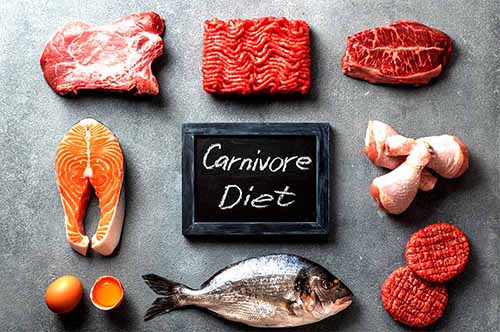
If you are a woman ready to start the carnivore diet but have no prior diet experience, this guide is built specifically for you. The carnivore diet is an all-animal-food approach that eliminates all plant-based foods, and the first week often determines whether beginners stick with it or quit. This step-by-step plan covers everything from clearing your kitchen to building a simple 30-day protocol, so you can start with clarity and confidence.
What You Need Before You Start
Before jumping into the carnivore diet, take a moment to set yourself up for success by gathering a few essentials. A 30-day commitment window with no major travel or events planned is ideal because the first two weeks can include an adjustment phase that is easier to manage at home. You will also need access to a butcher or grocery store with quality beef, lamb, or pork, along with a basic food scale that is optional but useful for tracking protein in week one. A notebook or free app like Cronometer to log how you feel daily is highly recommended, and a doctor’s visit is essential if you have any existing thyroid, kidney, or cardiovascular conditions.
What the Carnivore Diet Actually Is
The carnivore diet is a way of eating that includes only animal-sourced foods — meat, fish, eggs, and some dairy — and removes all plant foods entirely, including vegetables, fruits, grains, legumes, and seed oils. For women who have never followed a structured diet, this approach feels extreme at first, but the core logic is simple: animal foods provide every essential nutrient the human body needs, including protein, fat, B12, iron, zinc, and omega-3 fatty acids. The argument is that removing plants also removes antinutrients like oxalates and lectins that some people react to poorly. This is not a calorie-counting diet either — you eat until you are full, stop when satisfied, and repeat as needed.
Step 1: Clear Your Kitchen and Stock the Right Foods
Start by removing all plant-based foods from your immediate reach, not necessarily throwing them out but placing them out of sight, so your fridge and counter only hold foods you can eat. The foundation of your shopping list should focus on fatty cuts of meat and simple whole-animal foods that are easy to prepare. Below is a table of the essential foods to stock for week one and why each one matters for your success.
| Food | Why It Matters |
|---|---|
| Fatty beef (ribeye, ground beef 80/20) | Primary fat and protein source |
| Eggs | Fast, cheap, complete nutrition |
| Butter or beef tallow | Cooking fat and extra calories |
| Bacon (no sugar added) | Easy meal option, high fat |
| Salt | Electrolyte support — critical in week one |
| Water | Your only drink for the first 30 days |
Fatty cuts matter more than lean cuts on this diet, and women especially those starting from a standard diet often under-eat fat in week one and feel miserable as a result. Ribeye and 80/20 ground beef are the easiest starting points because they provide enough energy to keep your body satisfied and reduce cravings. Avoid lean meats like chicken breast or 93/7 ground beef during the first week since they lack the fat your body needs to transition smoothly.
Step 2: Plan Your First 7 Days of Meals
Do not wing your first week because decision fatigue is the most common reason beginners quit by day four, and a simple repeating meal plan removes that friction entirely. The sample plan below is designed for women who want a no-fuss approach with just two meals per day — this naturally aligns with how appetite changes during the first few days. Here is a sample 7-day beginner meal plan to follow.
| Day | Meal 1 | Meal 2 |
|---|---|---|
| Day 1-3 | 3 scrambled eggs in butter | 200g ground beef patties + salt |
| Day 4-5 | Ribeye steak + 2 fried eggs | Ground beef with butter |
| Day 6-7 | Bacon + 3 eggs | Lamb chops or pork belly |
Eat two meals per day, and most women find that appetite naturally drops within 3-5 days as fat adaptation begins, so do not force three meals if you are not hungry. This diet naturally shifts most people toward two meals or even one larger meal per day over time, so listen to your body. Drink water throughout the day and add a pinch of salt to your water or meals if you feel dizzy or develop a headache — this is usually an electrolyte issue, not illness, and it resolves quickly with proper salt intake.
Step 3: Get Through the First Week Adjustment Phase
The first 5-10 days are the hardest part of the carnivore diet for beginners because your body is shifting from burning glucose to burning fat for energy, a transition period called carbohydrate withdrawal. This adjustment phase can include symptoms that feel alarming at first, but they are normal and temporary for most women. Below are common first-week symptoms and what they mean so you can stay on track without panicking.
- Fatigue and low energy: Your body is learning to use fat for fuel instead of glucose, and this usually improves by day 7-10 as fat adaptation progresses.
- Headaches and dizziness: These are typically electrolyte-related due to lower insulin levels causing your kidneys to flush out sodium and water — adding more salt to meals or water fixes this quickly.
- Digestive changes: Some women experience loose stools or constipation as the gut microbiome adjusts to the absence of plant fiber — this usually stabilizes within two weeks.
- Increased thirst and urination: Glycogen stores deplete and release bound water, so you may feel thirstier and use the bathroom more often in the first few days — this is normal and temporary.
- Carb cravings: Hunger for bread, pasta, or sweets can feel intense, but eating enough fat at each meal reduces these cravings significantly by day 4-5.
Most women find that these symptoms peak around day 3-4 and begin to fade by the end of week one, provided they stay consistent with eating enough fat and salt. If symptoms persist beyond 14 days or worsen, it is important to check in with a healthcare provider to rule out any underlying issues. Remember that this phase is temporary, and the majority of women who push through the first week report feeling more stable energy, clearer thinking, and reduced hunger by day 10.
These symptoms are temporary. Research from Revero Health (2024) tracking over 2,000 carnivore diet users found that 78% reported symptom resolution within 14 days of starting. Do not quit during this window. The way you feel on day 5 is not how you will feel on day 15.
Step 4: Understand What Women Experience Differently
Women’s bodies respond to the carnivore diet differently than men’s in a few specific ways, and knowing this in advance prevents unnecessary panic. The most common differences involve menstrual cycle changes, iron needs, and energy patterns.
Menstrual cycle changes: Many women report cycle irregularities in months one and two. This happens because rapid dietary change affects cortisol and leptin, which interact with reproductive hormones. Most women report their cycles normalizing by month three (Harvard T.H. Chan School of Public Health, 2023).
Iron needs: Women of reproductive age need roughly 18mg of iron per day (NIH, 2024). Red meat — particularly beef and lamb — contains heme iron, which absorbs at 15-35% efficiency compared to 2-20% for plant-based iron. Eating red meat daily on this diet typically meets iron needs well.
Energy dips in week two: Many women feel great in week one, then hit a low-energy patch around day 10-14. This is normal. It reflects deeper hormonal and metabolic adaptation, not failure. Stay the course and increase fat intake slightly if energy drops noticeably. Track three things daily in a notebook: energy level (1-10), hunger level (1-10), and any noticeable physical symptoms. This data will show you your personal adaptation timeline clearly.
Step 5: Add Variety After Your First 30 Days
The first 30 days should be plain and simple — beef, eggs, butter, salt, water. After that, you can expand your food list gradually. This gradual approach allows your digestive system to adapt to new foods without causing unnecessary discomfort.
Foods to add in month two:
- Organ meats (beef liver is the most nutrient-dense food you can eat — 3oz covers your entire daily vitamin A, B12, and copper needs)
- Cheese and full-fat dairy (if tolerated)
- Seafood — salmon, sardines, shrimp
- Pork ribs, chicken thighs with skin
- Bone broth (for electrolytes and collagen)
Add one new food at a time and wait 3-4 days before adding another. This way, if something causes digestive trouble or bloating, you know exactly what caused it. Do not rush this phase. A wide variety of animal foods makes the diet more sustainable long-term, but that variety has no value if your gut is not yet ready for it.
Step 6: Handle Social Situations and Eating Out
Eating out on the carnivore diet is possible at almost any restaurant. Order a plain steak, burger patty without the bun, eggs, or grilled salmon. Ask for butter instead of sauce. Skip the side salad and ask for extra meat. For social situations — dinners, parties, events — eat a full meal before you arrive. You can always find something carnivore-compatible at most restaurants, but arriving hungry makes it harder to stick to the plan when everyone around you is eating bread and pasta.
One clear, low-drama phrase that works: “I’m following a specific diet for health reasons — steak or eggs work great.” Most hosts and servers will accommodate this without further questions.
Common Mistakes to Avoid on the Carnivore Diet as a Beginner Woman
Beginning the carnivore diet can be confusing, and certain common mistakes can derail progress. Avoid these pitfalls to stay on track and see the best results.
Common Mistake 1: Eating too little fat. Many newcomers — especially women — instinctively avoid fat because of years of low-fat diet messaging. On this diet, fat is your primary fuel source. If you consistently choose lean meat, you will feel hungry, tired, and may experience more cravings. Make sure your cooked meat has visible fat, and add butter or tallow to meals as needed.
Common Mistake 2: Not salting your food enough. On a low-carbohydrate diet, your body excretes more sodium through urine. If you do not replace it, you risk headaches, fatigue, and muscle cramps. Salt your food generously to taste, and consider adding a pinch of salt to your drinking water during the first two weeks.
Common Mistake 3: Giving up during the adaptation phase. Days 3 through 10 are the hardest for most women. The “keto flu” symptoms — fatigue, headache, irritability — peak during this window. Remember that this is temporary and a sign your body is shifting fuel sources. Pushing through this phase is what separates those who succeed from those who quit before seeing results.
Common Mistake 4: Overcomplicating meals. The carnivore diet is intentionally simple. You do not need elaborate recipes or expensive specialty foods. Meat, eggs, salt, and water are sufficient, especially in the first 30 days. Overthinking and trying to recreate old meals with carnivore substitutes often leads to frustration and abandonment of the diet.
Common Mistake 5: Ignoring hunger signals. Some women try to eat only one meal per day immediately. While intermittent fasting works for some eventually, forcing fasting during the first few weeks creates unnecessary stress on your body, raises cortisol, and can crash your energy. Eat when hungry, especially in the beginning. Your appetite will naturally adjust over time.
Eating too lean in week one leads to hunger, fatigue, and a higher likelihood of quitting. Prioritize fatty cuts like ribeye and 80/20 ground beef from day one instead of lean chicken breast without added fat.
- Not salting enough: Your kidneys excrete more sodium on a low-carb diet. Under-salting is the primary cause of headaches and fatigue in week one. Salt your food generously and add a pinch to your water bottle.
- Quitting during the adaptation window: Days 5-12 feel rough for most beginners. This is the window where most people give up — and also the window right before energy improves dramatically. Committing through day 14 before judging the diet is important.
- Comparing results to men: Men typically lose weight faster in the first 30 days due to hormonal differences. Women’s results often show more clearly between weeks 4 and 8. Week-one comparisons are not a useful signal.
- Eating too much dairy too soon: Full-fat dairy is technically carnivore, but it causes digestive issues and stalls weight loss for many women in the early phase. Hold it off until week five or six.
Frequently Asked Questions About the Carnivore Diet for Beginners Women
What is the carnivore diet for women?
The carnivore diet for women is a way of eating that includes only animal-sourced foods — primarily meat, eggs, fish, and sometimes dairy — while cutting all plant foods. Women follow the same core protocol as men but may experience different hormonal and cycle-related adjustments in the first 4-8 weeks.
How long does it take for women to see results on the carnivore diet?
Most women notice changes in energy and bloating within 1-2 weeks. Weight loss results typically become visible between weeks 3 and 6, after the initial water weight drop and fat adaptation period settle in. Hormonal and skin changes often take 60-90 days to show clearly.
What do women eat on the carnivore diet?
Beginners should eat fatty beef, eggs, butter, bacon, and lamb as their base foods. After 30 days, they can add organ meats, seafood, pork, and full-fat dairy. The only drink for the first 30 days should be water, with added salt for electrolytes.
Is the carnivore diet safe for women?
The carnivore diet is considered safe for most healthy women. Women with thyroid conditions, kidney disease, or cardiovascular issues should speak to a doctor before starting. Pregnant or breastfeeding women should not follow a strict elimination diet without medical supervision.
Will the carnivore diet affect my menstrual cycle?
Yes, temporarily. Many women report irregular cycles or a missed period in months one and two. This is a hormonal response to rapid dietary change and typically resolves by month three as the body adapts. Tracking your cycle during this period helps you identify what is a normal transition versus something that needs medical attention.
Can women do the carnivore diet without eating red meat?
Red meat is the most practical foundation of the carnivore diet because of its fat content and nutrient density. Women who cannot eat red meat can build a protocol around eggs, fatty fish like salmon and sardines, and pork. Results may vary since beef liver and ribeye cover nutrient needs more completely than leaner alternatives.
Summary
- Clear your kitchen and stock fatty beef, eggs, butter, bacon, and salt before day one.
- Follow a simple two-meal-per-day plan for the first 30 days — no variety needed yet.
- Expect 5-14 days of adjustment symptoms — salt your food generously and rest more during this window.
- Women may see cycle changes and energy dips in weeks 1-4 — this is normal adaptation, not a sign the diet is failing.
- Expand your food list gradually after 30 days, adding organ meats, seafood, and dairy one item at a time.
Recommended Article
Hormone Balancing Diet: What It Is, How It Works, and Where to Start
Zero Sugar Diet Food List: What to Eat, What to Skip, and How to Start
The Complete Low Cholesterol Diet Plan: A 7-Day Heart-Healthy Meal Plan to Lower LDL Naturally