

- A salad diet for weight loss is an eating approach where one or more daily meals are replaced with or built around large, nutrient-dense salads to reduce calorie intake.
- Salads high in fiber and protein keep you full longer, which helps cut overall daily calories without strict portion counting (Harvard T.H. Chan School of Public Health, 2023).
- The biggest mistake beginners make is eating low-calorie but low-protein salads – these cause hunger within two hours and lead to overeating later.
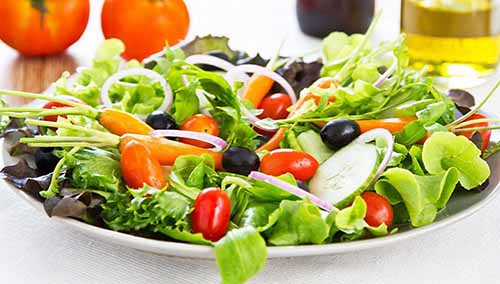
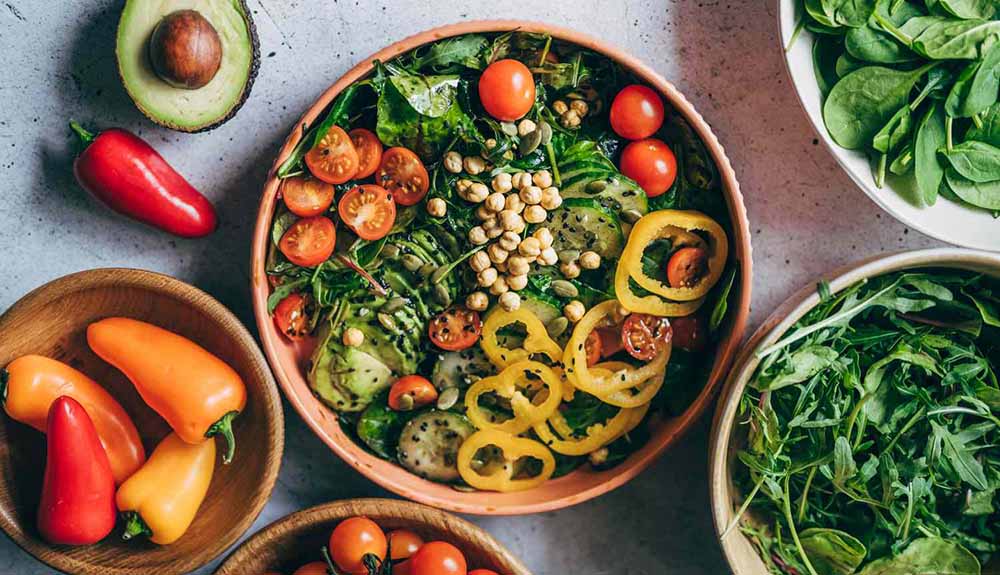
- A well-built weight loss salad includes a leafy base, a lean protein, a healthy fat source, fiber-rich vegetables, and a low-calorie dressing.
- Most people see measurable results in 4-6 weeks when salads consistently replace one high-calorie meal per day (Mayo Clinic, 2024).
What Is a Salad Diet for Weight Loss?
A salad diet for weight loss is a structured eating pattern where salads – built with specific ingredients – replace one or more high-calorie meals each day to create a consistent calorie deficit. It is not a crash diet or a one-food cleanse. It is a practical, flexible eating strategy that works by swapping calorie-dense meals with large, filling, nutrient-rich plates.
The core idea is simple. Most salads made with vegetables, lean protein, and healthy fats contain 300-500 calories per serving. A typical lunch of a sandwich, chips, and a drink can easily reach 800-1,000 calories. Replacing that one meal daily creates a 300-500 calorie daily deficit – enough to lose roughly 0.5-1 pound per week without changing anything else (CDC, 2023). This approach works for beginners because it does not require calorie counting, meal prepping complex recipes, or cutting out entire food groups. You build a better plate around one proven framework.
Why Salads Work for Weight Loss: The Science Behind It
Salads support weight loss through three proven mechanisms – high fiber content, high water volume, and controlled calorie density. Fiber slows digestion, as leafy greens, raw vegetables, and legumes are high in dietary fiber that slows the rate food moves through your digestive system, keeping you full for longer after eating. Adults who eat 30 grams of fiber daily lose significantly more weight than those following complex calorie-restriction diets (Annals of Internal Medicine, 2022).
Water volume fills your stomach because vegetables are 85-95% water by weight. A large bowl of salad fills your stomach physically, which signals fullness to your brain before you consume many calories. This is called volumetric eating, and it is one of the most research-backed approaches to reducing total daily food intake (Barbara Rolls, Penn State University, 2021). Low calorie density means more food for fewer calories, measuring how many calories are packed into each gram of food. Raw vegetables have a calorie density of roughly 0.2-0.5 calories per gram, while processed snacks average 4-5 calories per gram, meaning you can eat a 500-gram salad for the same calories as a 100-gram chocolate bar but feel far more satisfied.
How to Build a Weight Loss Salad That Actually Keeps You Full
The reason most salad diets fail is not the concept – it is the execution. A bowl of iceberg lettuce and cucumber with fat-free dressing is not a weight loss salad; it is a low-calorie, low-protein, low-fat plate that will leave you hungry in 90 minutes. A proper weight loss salad has five components that each play a specific role.
| Component | Purpose | Examples |
|---|---|---|
| Leafy base | Volume, fiber, micronutrients | Spinach, romaine, arugula, kale |
| Lean protein | Satiety, muscle preservation | Grilled chicken, tuna, boiled eggs, chickpeas, tofu |
| Healthy fat | Hormone function, fat-soluble vitamins | Avocado, olive oil, nuts, seeds |
| Fiber-rich vegetables | Fullness, gut health | Broccoli, cucumber, bell pepper, carrots |
| Low-calorie dressing | Flavor without excess calories | Lemon juice + olive oil, apple cider vinegar, tahini (small amount) |
Remove the protein and you get hungry fast. Remove the fat and your body cannot absorb fat-soluble vitamins A, D, E, and K from the vegetables. Remove the fiber-rich vegetables and the meal lacks bulk. A complete weight loss salad built on this framework typically comes in at 350-500 calories – filling, balanced, and effective.
The 3 Most Effective Salad Diet Approaches for Beginners
Not every salad diet looks the same. Three approaches work well for people starting out, each with a different level of commitment.
Replace One Meal Per Day
This is the lowest-commitment entry point. You replace one meal – usually lunch – with a properly built salad. Everything else in your diet stays the same initially. This single change creates a daily calorie deficit of 300-600 calories depending on what the salad replaces. Over 30 days, that adds up to a 9,000-18,000 calorie reduction – the equivalent of 2.5-5 pounds of fat loss (NIH, 2023).
This approach works because it builds the habit without overwhelming your routine. Most beginners who start here naturally improve their other meals over time as the pattern becomes familiar.
The Two-Salad Day
You eat a salad for both lunch and dinner, keeping breakfast flexible. This approach creates a larger daily calorie deficit and is appropriate once you are comfortable building balanced salads. The risk here is protein deficiency if both salads are built poorly. Each salad in a two-salad day must contain at least 20-25 grams of protein to prevent muscle loss and constant hunger.
Salad as the Main Meal with Planned Sides
Rather than eating only salad, you use a large salad as the centerpiece of a meal and add small, planned sides – a boiled egg, a slice of whole grain bread, a cup of lentil soup. This approach is sustainable long-term because it does not feel restrictive. It fits family meals, restaurant settings, and social situations.
Foods That Belong in a Weight Loss Salad vs. Foods That Sabotage It
Salads can quietly become high-calorie meals when the wrong ingredients are added. Understanding what to include and what to limit is the most practical skill in a salad diet.
Build Your Salad With These
Choose leafy greens as your base for volume and low calories. Spinach, kale, romaine, arugula, and mixed greens are all under 25 calories per cup and packed with vitamins. Add lean proteins such as grilled chicken breast (165 calories per 100g), canned tuna in water (110 calories per 100g), boiled eggs (78 calories each), or chickpeas (164 calories per half cup). Include non-starchy vegetables like cucumber, tomatoes, bell peppers, red onion, radishes, and celery – all are high-volume, low-calorie additions. Use healthy fats in measured amounts, such as one quarter of an avocado (60 calories), one tablespoon of olive oil (120 calories), or one tablespoon of sunflower seeds (50 calories).
Use These Sparingly
Limit croutons, as a small handful adds 100-150 empty calories with no nutritional payoff. Replace them with pumpkin seeds for crunch and protein. Shredded cheese should be used sparingly – one quarter cup of cheddar adds 110 calories, so a smaller amount of feta (lower calorie, stronger flavor) achieves the same effect for less. Creamy dressings are calorie-heavy, with two tablespoons of Caesar or ranch dressing adding 150-180 calories. A dressing made from lemon juice, olive oil, garlic, and salt achieves better flavor at 60-80 calories. Dried fruit like raisins and dried cranberries are calorie-dense and high in sugar, so opt for fresh berries or sliced apple for sweetness at half the calories.
How Many Calories Should a Weight Loss Salad Have?
A weight loss salad should contain 350-500 calories when used as a main meal replacement. This range is specific and intentional.
Below 300 calories, the meal is too low in protein and fat to keep you full for more than 1-2 hours. You will compensate with snacking. Above 600 calories, the salad starts competing with the calorie targets of a regular meal and loses its weight loss advantage.
The 350-500 calorie range breaks down like this for a standard lunch salad:
- Leafy base (2 cups spinach + 1 cup romaine): 20 calories
- Grilled chicken breast (120g): 198 calories
- Half avocado: 120 calories
- Cucumber, tomatoes, bell pepper (1 cup total): 40 calories
- Dressing (1 tbsp olive oil + lemon juice): 120 calories
- Total: approximately 498 calories
This plate contains roughly 35 grams of protein, 20 grams of healthy fat, and 8 grams of fiber – enough to keep most adults full for 4-5 hours.
Common Mistakes That Stop a Salad Diet From Working
Eating Only Greens With No Protein
A salad with no protein source is a recipe for hunger within the hour. Protein takes longer to digest than carbohydrates and triggers the release of satiety hormones that tell your brain the meal is complete. Every weight loss salad needs at least 20 grams of protein.
Using Too Much Dressing
Dressing is where most salad diets quietly fail. A store-bought Caesar dressing can add 300+ calories to a salad before you notice. Always measure dressing – one to two tablespoons is the target – or make your own with olive oil, lemon juice, and vinegar.
Eating the Same Salad Every Day
Variety prevents nutritional gaps and boredom. Rotate your greens, proteins, and toppings weekly to ensure you get a wide range of vitamins and minerals. This also keeps the diet interesting, making it easier to stick with long-term.
Dietary monotony is one of the top reasons people abandon healthy eating patterns (Journal of the Academy of Nutrition and Dietetics, 2022). To keep your diet interesting and sustainable, you should rotate your protein sources, swap your greens, and try different dressings. Variety keeps the habit sustainable.
Skipping Healthy Fats Entirely
Fat-free salads became popular in the 1990s as part of low-fat diet culture. The problem is that fat-soluble vitamins — A, D, E, and K — require dietary fat to be absorbed. A salad with no fat source actually reduces how many nutrients your body absorbs from the vegetables. To avoid this mistake, include a small amount of healthy fat in every salad.
A Simple 7-Day Salad Diet Meal Plan for Beginners
This plan replaces lunch with a salad each day. Breakfast and dinner remain flexible but should avoid processed foods and excess sugar.
| Day | Salad | Estimated Calories |
|---|---|---|
| Monday | Spinach + grilled chicken + avocado + lemon dressing | 480 cal |
| Tuesday | Romaine + canned tuna + boiled egg + olive oil dressing | 420 cal |
| Wednesday | Arugula + chickpeas + feta + cucumber + apple cider vinegar | 390 cal |
| Thursday | Mixed greens + grilled salmon + cherry tomatoes + tahini dressing | 510 cal |
| Friday | Kale + tofu + shredded carrots + sesame oil + lime | 400 cal |
| Saturday | Romaine + turkey strips + bell pepper + mustard vinaigrette | 430 cal |
| Sunday | Spinach + boiled eggs + avocado + sunflower seeds + lemon olive oil | 490 cal |
Rotate this plan or swap proteins based on your preference. The goal is consistency, not perfection.
Frequently Asked Questions About Salad Diet for Weight Loss
What is a salad diet for weight loss?
A salad diet for weight loss is an eating strategy where one or more daily meals are replaced with large, nutrient-dense salads to reduce total calorie intake. It works by using high-fiber, high-water vegetables to create filling, low-calorie meals that support a sustained calorie deficit over time.
How much weight can you lose on a salad diet?
Most people lose 0.5-1 pound per week when replacing one meal per day with a properly built salad, assuming other meals stay roughly the same. Over 4-8 weeks, that amounts to 2-8 pounds of fat loss depending on starting weight, activity level, and overall diet quality (CDC, 2023).
Can you eat salad every day and lose weight?
Yes, eating a properly built salad every day as a meal replacement is an effective and sustainable weight loss strategy. The key word is “properly built” — a salad with lean protein, healthy fats, fiber-rich vegetables, and a low-calorie dressing supports weight loss. A salad of only lettuce and low-fat dressing does not.
What is the best protein to put in a weight loss salad?
Grilled chicken breast, canned tuna, boiled eggs, chickpeas, and tofu are the most practical options for beginners. Grilled chicken breast offers the best protein-to-calorie ratio at approximately 31 grams of protein per 100 grams at 165 calories.
Are store-bought salad dressings bad for weight loss?
Most store-bought dressings add 120-200 calories per two-tablespoon serving, and most people use more than two tablespoons. Caesar, ranch, and honey mustard dressings are the highest calorie options. A simple homemade dressing of olive oil, lemon juice, garlic, and salt keeps dressing calories under 80 per serving and avoids added sugars.
How long does it take to see results on a salad diet?
Most beginners notice reduced bloating and lighter energy within the first 1-2 weeks from eating more vegetables and less processed food. Measurable weight loss — visible on a scale — typically appears in weeks 3-6 when the daily calorie deficit has accumulated enough to reduce body fat (Mayo Clinic, 2024).
Is a salad diet safe for long-term use?
A salad diet built on the five-component framework — base, protein, fat, fiber vegetables, and dressing — is nutritionally complete and safe for long-term use. A salad diet that relies only on greens with no protein or fat is not sustainable and can lead to nutrient deficiencies over time.
Key Takeaways
A salad diet for weight loss works by replacing high-calorie meals with large, filling, low-calorie plates built around vegetables, lean protein, and healthy fats. This approach naturally reduces your total daily calorie intake while keeping you satisfied, making it easier to sustain over time.
The five-component framework is the difference between a salad that keeps you full and one that leaves you hungry. You need a leafy base, lean protein, healthy fat, fiber-rich vegetables, and a low-calorie dressing to create a balanced meal that supports your goals.
Replacing one meal per day with a structured salad creates a 300-500 calorie daily deficit. This is enough for 0.5-1 pound of weekly fat loss without strict dieting or feeling deprived.
The most common failure points are no protein, too much dressing, and no dietary fat. All of these are easy to fix once you know the framework, so you can avoid the pitfalls that cause people to abandon the approach.
Variety across the week is what makes this approach stick long-term. Rotating your greens, proteins, vegetables, and dressings prevents boredom and ensures you get a wide range of nutrients to support overall health.
Recommended Article
Hormone Balancing Diet: What It Is, How It Works, and Where to Start
Candida Diet Recipes: How to Follow the Candida Diet as a Complete Beginner
How to Get a Natural Glow While Dieting: What Actually Works