

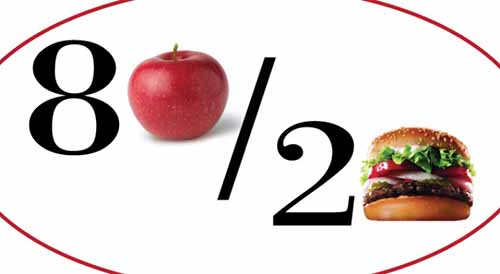
The 80/20 diet rule offers a balanced approach to healthy eating that doesn’t require counting calories, following strict meal plans, or eliminating any food groups. Instead, it focuses on eating nutritious whole foods 80% of the time while allowing flexibility and enjoyment for the remaining 20%. This beginner’s guide will walk you through exactly how the 80/20 rule works, how to calculate your personal split, and what foods to focus on for each category.
What Is the 80/20 Diet Rule?
The 80/20 diet means eating nutritious, minimally processed foods for 80% of your meals while leaving 20% open for enjoyment without guilt. You do not track calories, follow a meal plan, or cut out entire food groups. Think of it like a household budget where you cover your essentials with 80% of your income and spend the remaining 20% on whatever you enjoy. The foundation remains solid even when you treat yourself, which makes this approach sustainable for the long term.
The 80/20 diet is a specific type of flexible dieting that recommends eating “healthy” for 80% of total weekly meals and allowing reasonable indulgences for the remaining 20%. The term “flexible dieting” covers several approaches, but 80/20 is the most practical version for beginners because it uses a simple ratio rather than calorie targets or food elimination. This straightforward framework removes the all-or-nothing thinking that causes most traditional diets to fail.
Where the 80/20 Rule Comes From
The 80/20 rule did not start as a diet concept, but was introduced in 1906 by Italian economist Vilfredo Pareto. He observed that only 20% of the pea pods in his garden produced 80% of the peas, a principle he then applied to macroeconomics. The phrase was later applied to weight loss with a different meaning: the idea that 80% of weight loss results come from diet and 20% from exercise.
Over time, a second interpretation became more popular – eating well 80% of the time and allowing indulgence 20% of the time. This guide covers that second version, which is the one most commonly called the “80/20 diet.” The approach was formally popularized in a 2012 book by Australian chef Teresa Cutter, whose advice was simply to eat well 80% of the time and enjoy a little indulgence the remaining 20%. Research published in the Journal of the International Society of Sports Nutrition in 2021 found that flexible dieting produced comparable weight loss to rigid dieting, with fewer psychological downsides.
How to Calculate Your 80/20 Split
The most common way to apply the 80/20 split is by counting weekly meals rather than daily ones, which gives you more flexibility in how you use your indulgences. Here is how the numbers break down based on your typical meal frequency:
| Meals Per Day | Weekly Total | 80% (Healthy) | 20% (Flexible) |
|---|---|---|---|
| 2 meals/day | 14 meals/week | 11 meals | 3 meals |
| 3 meals/day | 21 meals/week | 17 meals | 4 meals |
| 4 meals/day | 28 meals/week | 22 meals | 6 meals |
A person eating three meals a day gets roughly 4 flexible meals per week, which could be one restaurant meal on Friday night, a Saturday brunch, and two snacks across the week. One important note: most people who say they follow the 80/20 rule significantly underestimate how often they veer off their healthy eating plan. Research shows that people routinely underreport their actual calorie intake and overestimate their physical activity levels, so being honest with your count matters more than being perfect.
What to Eat During Your 80% Meals
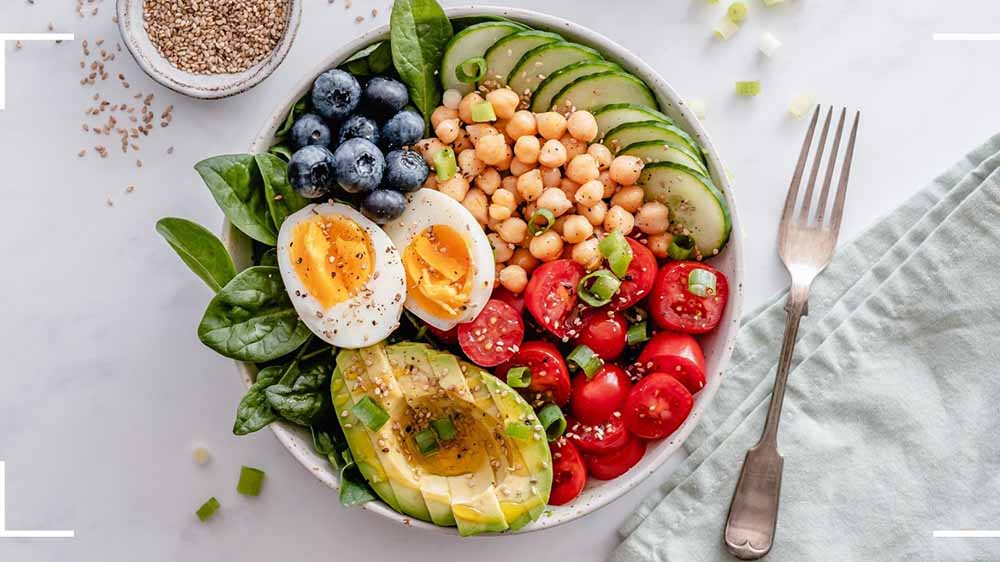
Your 80% meals are built around whole, minimally processed foods that provide essential nutrients without excessive additives or empty calories. You do not need to follow a specific plan, but you should focus on including foods from each of these categories at every meal:
- Proteins: Chicken, fish, eggs, legumes (beans and lentils), tofu, low-fat dairy.
- Complex carbohydrates: Brown rice, oats, sweet potato, whole grain bread, quinoa.
- Fats: Avocado, olive oil, nuts, seeds, fatty fish like salmon.
- Vegetables and fruit: Fill at least half your plate with a variety of colors. No vegetable is off-limits.
- Water and unsweetened drinks: Water, black coffee, plain tea.
A simple rule for building an 80% meal is to include one palm-sized portion of protein, one fist of complex carbs, as many vegetables as you want, and a thumb-sized amount of healthy fat. No food is permanently banned, but during your 80% meals, keep away from ultra-processed snacks, sugary drinks, fast food, and foods with long ingredient lists. Focusing on whole foods rather than restriction makes this approach sustainable for the long term.
What Counts as a 20% Meal
Your 20% meals are not cheat meals – that word implies guilt, which defeats the purpose of this approach. They are planned, guilt-free flexible meals that allow you to enjoy foods you love without compromising your overall progress. The key difference is intentionality: you plan for these meals rather than falling into them impulsively. A 20% meal might be a slice of cake at a birthday party, a dinner out with friends, or simply a more indulgent version of your usual breakfast. The goal is to satisfy cravings and maintain social connections without derailing your healthy eating habits for the rest of the week.
Common 20% Choices Include:
Your flexible meals should be foods you genuinely enjoy and look forward to. The purpose of the 20% is satisfaction, not mindless eating.
- A restaurant meal with a burger, fries, or pizza
- A dessert like ice cream or cake at a social event
- A few drinks at a dinner out
- A takeaway meal when you are tired and do not want to cook
The key rule is to enjoy it fully, then return to your 80% pattern at the next meal. One flexible meal does not undo a week of solid eating. The 80/20 approach helps people avoid the “all-or-nothing” mentality that leads to yo-yo dieting — the cycle where one bad meal triggers days of poor eating.
Step-by-Step: How to Start the 80/20 Diet This Week
Step 1: Count How Many Meals You Eat Per Week
Write down every meal you eat in a typical week — breakfast, lunch, dinner, and any snacks that function as meals. Do not change anything yet. You are just getting a baseline. If you eat 21 meals a week, your target is 17 healthy meals and 4 flexible ones.
Step 2: Plan Your 20% Meals in Advance
Decide ahead of time which meals will be your flexible ones. Do not leave it to chance or hunger. Most beginners do well with this structure:
- Friday dinner: flexible
- Saturday lunch or dinner: flexible
- One additional flexible meal during the week
Planning removes the decision in the moment, which is when most people abandon their intentions.
Step 3: Build a Simple Shopping List for Your 80% Meals
Stock your kitchen with the basics from the 80% food list above. You do not need a complex meal plan. Three or four go-to meals you enjoy is enough to start. Example weekly staples include oats, eggs, chicken breast or thighs, brown rice, mixed vegetables, olive oil, canned beans, and fruit.
Step 4: Eat Slowly and Stop at 80% Full
This applies to both your 80% and 20% meals. Most people eat past fullness because they are eating too quickly for their brain to register satisfaction — it takes roughly 20 minutes for fullness signals to reach the brain (Harvard Health, 2018). Slow down. Put the fork down between bites. Stop when you feel satisfied, not stuffed.
Step 5: Track Your Pattern – Not Your Calories
At the end of each day, note whether each meal was a healthy 80% meal or a flexible 20% meal. That is the only tracking you need. After two weeks, review your log. Most beginners find they were having 6-8 flexible meals per week without realising it, not the intended 4. Seeing the pattern in writing helps you adjust without shame.
The Most Common Mistakes Beginners Make
Understanding what can go wrong helps you stay on track. These are the pitfalls that most often derail beginners.
- Treating the 20% as a full cheat day: One flexible meal is not a free pass for the rest of the day. Turning Friday dinner into a full weekend of eating whatever you want shifts your real ratio to closer to 60/40.
- Not planning the 20% in advance: When flexible meals are unplanned, they happen more often and with larger portions. Scheduling them gives you something to look forward to and a clear stopping point.
- Eating processed foods during the 80%: A granola bar or flavoured yogurt with 20 ingredients is not an 80% food. If the ingredient list is long and includes added sugar in the first five items, it belongs in your 20%.
- Skipping meals to “save” the 20%: This leads to extreme hunger, which makes the 20% meal far larger than intended — and triggers more eating afterward.
- Giving up after one bad week: The 80/20 rule is a long-term pattern, not a weekly test. One difficult week does not mean the approach is not working.
Does the 80/20 Diet Actually Work?
The evidence for flexible eating over rigid restriction is consistent. A study published in PubMed found that encouraging a flexible approach to eating behavior and discouraging rigid adherence to a diet led to better intentional weight loss outcomes. A separate randomized controlled trial published in the Journal of the International Society of Sports Nutrition (2021) found that an emerging body of evidence suggests adherence to a diet — regardless of the type of diet — is an important factor in weight loss success. Flexible dieting works largely because people actually stick to it.
The honest caveat is that there is no strong evidence that 80/20 is a precisely optimal ratio. It is possible that 75/25 or 85/15 would produce similar results. The principle of eating well most of the time is sound — the exact number is a helpful guideline, not a scientific law.
Frequently Asked Questions About the 80/20 Diet
Here are answers to the most common questions people have when starting the 80/20 approach. These clarifications address concerns about flexibility, weight loss, and long-term sustainability.
What is the 80/20 diet rule for beginners?
The 80/20 diet rule means eating whole, nutritious foods for 80% of your weekly meals and allowing yourself to eat freely for the remaining 20%. For someone eating three meals a day, that is roughly 17 healthy meals and 4 flexible meals per week. No calorie counting is required.
How do I count my 80/20 split?
Multiply your daily meals by 7 to get your weekly total. Then calculate 80% of that number — those are your healthy meal targets. The remaining 20% are your flexible meals. Plan which meals will be flexible at the start of the week rather than deciding in the moment.
What foods should I eat during my 80% meals?
Focus on lean proteins (chicken, fish, eggs, beans), complex carbohydrates (brown rice, oats, sweet potato), vegetables, fruit, and healthy fats (olive oil, avocado, nuts). Avoid ultra-processed foods, sugary drinks, and fast food during these meals.
Is the 80/20 diet good for weight loss?
Yes, for most beginners it supports steady weight loss because it creates a consistent calorie reduction without the psychological pressure of strict diets. Research supports flexible eating over rigid restriction for long-term adherence, which is the main driver of weight loss outcomes (Journal of the International Society of Sports Nutrition, 2021).
What is the difference between the 80/20 diet and a cheat day?
A cheat day is an unplanned, unlimited break from a strict diet — usually tied to guilt and the idea that you “earned” it. The 20% in the 80/20 approach is planned, portion-normal, and guilt-free. It is built into the system as a regular feature, not a reward.
Can I eat fast food during my 20% meals?
Yes. The 20% covers any food you enjoy, including fast food. The goal is to enjoy it without guilt and return to your regular 80% eating at the next meal. Turning one fast food meal into a full weekend of fast food breaks the ratio.
How long does it take to see results on the 80/20 diet?
Most beginners notice changes in energy levels and hunger patterns within 2-3 weeks. Visible weight changes typically appear within 4-6 weeks, depending on starting point and how well the 80% meals are maintained. Consistency over months matters more than short-term perfection.
Key Takeaways
The 80/20 diet provides a clear, flexible framework for sustainable eating habits. Here are the most important points to remember as you get started:
- The 80/20 diet gives you a clear, flexible framework: 80% whole foods, 20% anything you enjoy.
- For three meals a day, that works out to 17 healthy meals and 4 flexible meals each week.
- Plan your 20% meals in advance to avoid the ratio drifting toward 60/40 without you noticing.
- Flexible dieting is backed by research as more sustainable than rigid restriction — adherence is the real driver of results.
- Start simple: stock your kitchen with 80% staples, pick your 4 flexible meals for the week, and track the pattern (not the calories).
Recommended Article
7 Day Oatmeal Diet Plan: Lose Weight Step by Step in 2025
Zero Sugar Diet Food List: What to Eat, What to Skip, and How to Start
Korean Diet Meal Plan: What to Eat, How It Works, and a Full 7-Day Guide