

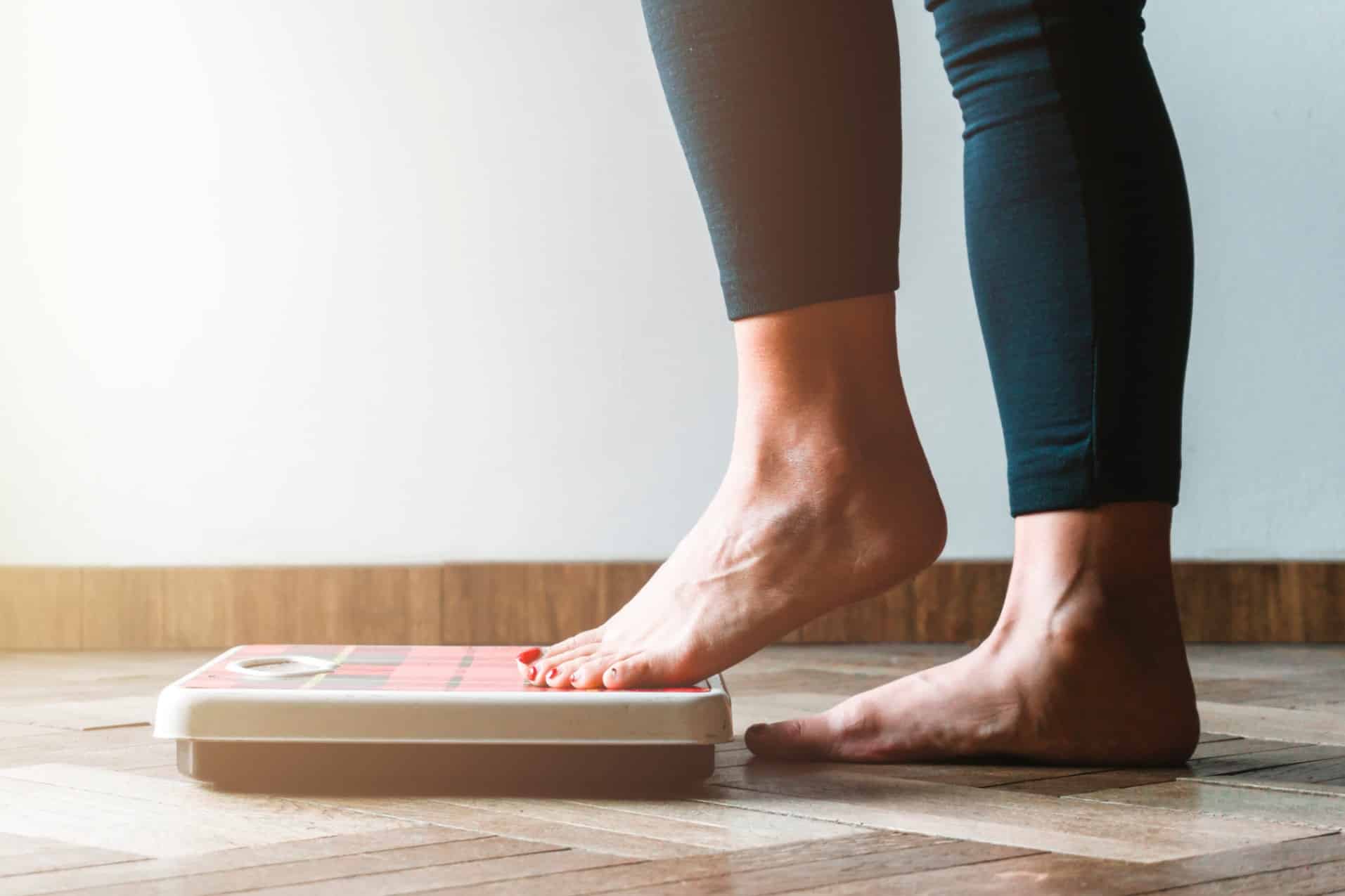
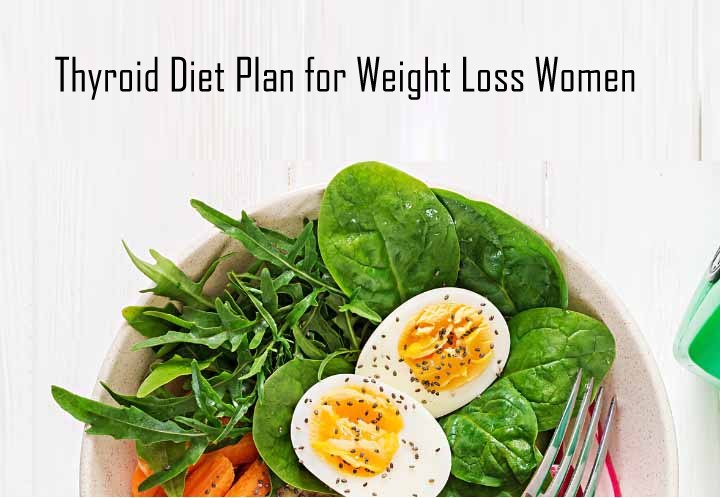
Women with hypothyroidism face unique challenges when it comes to weight loss, primarily because a sluggish thyroid significantly lowers the body’s resting metabolic rate. While diet alone cannot cure the condition, consuming the right foods directly supports thyroid hormone production and can make weight management more achievable. This guide provides a comprehensive thyroid diet plan for weight loss women, covering essential nutrients, foods to prioritize and avoid, and a sample meal plan to get started.
Women with hypothyroidism gain weight because a slow thyroid reduces the body’s resting metabolic rate, but diet alone does not fix this issue. However, the right foods directly support thyroid hormone production, and key nutrients such as iodine, selenium, and zinc are most tied to thyroid function. It is important to get these from food rather than guessing at supplements, as food sources are more reliable and safer. Goitrogenic foods like raw kale, broccoli, and soy do not need to be eliminated entirely; cooking them can reduce their thyroid-blocking effect by up to 30% according to Harvard Health 2023. A 7-day sample meal plan is included below to take the guesswork out of day one, and you should always run dietary changes past your endocrinologist, especially if you are on levothyroxine, since food timing affects medication absorption.
What Is a Thyroid Diet Plan and Why Women with Hypothyroidism Need a Different Approach
A thyroid diet plan is an eating strategy that prioritizes nutrients required for thyroid hormone production while avoiding foods that interfere with thyroid function or medication absorption. Women with hypothyroidism need this specific approach because a sluggish thyroid lowers resting metabolic rate by 15-40% compared to women without the condition, according to the American Thyroid Association 2024. Standard calorie-cutting advice does not account for that gap, making it ineffective and often frustrating for those with thyroid issues.
Hypothyroidism affects roughly 1 in 8 women over their lifetime (ATA 2024). The most common form, Hashimoto’s thyroiditis, is an autoimmune condition where the immune system attacks thyroid tissue. For these women, the goal of diet is not just weight loss; it is reducing inflammation, protecting remaining thyroid tissue, and making the most of whatever thyroid function remains. Weight loss with hypothyroidism is slower than average, so expecting the same results as a woman without thyroid disease in the same timeframe sets up frustration. A realistic target is 0.5-1 lb per week once thyroid hormone levels are medicated and stable, as noted by the Mayo Clinic in 2024.
How Hypothyroidism Causes Weight Gain in Women
The thyroid gland produces two hormones: triiodothyronine (T3) and thyroxine (T4). T3 is the active form, and it controls how fast your cells burn energy. When the thyroid is underactive, T3 production drops, and the body shifts into a conservation mode that leads to slower digestion, lower body temperature, reduced fat burning, and increased water retention. Three main mechanisms drive the weight gain women experience with hypothyroidism.
- Metabolic slowdown. Reduced T3 means cells burn fewer calories at rest, with studies showing a drop in resting metabolic rate of 15-40% in untreated hypothyroid patients (Journal of Clinical Endocrinology & Metabolism, 2022).
- Water and salt retention. Low thyroid hormone causes the kidneys to retain more sodium, which pulls water into tissues, meaning much of the initial weight gain is fluid, not fat.
- Increased appetite and fatigue. Low T3 affects leptin signaling, the hormone that tells you you’re full, while combined with fatigue that reduces activity levels, calorie intake tends to rise while output falls.
It is crucial to understand that diet cannot replace thyroid hormone medication. What it can do is give the thyroid the raw materials it needs to produce as much hormone as possible and reduce the inflammation that interferes with that process. Focusing on nutrient-dense foods supports this goal without replacing medical treatment.
The 5 Nutrients That Directly Support Thyroid Function
These five nutrients have the strongest research backing for thyroid hormone production and conversion. Getting them consistently through food is the foundation of any thyroid diet plan for women, as supplements can sometimes cause imbalances or side effects. Below is a table outlining their roles and best food sources.
| Nutrient | Role in Thyroid Function | Best Food Sources |
|---|---|---|
| Iodine | Required to make T3 and T4 | Seaweed, cod, dairy, eggs |
| Selenium | Converts T4 to active T3 | Brazil nuts, tuna, sardines, turkey |
| Zinc | Activates thyroid hormone receptors | Beef, pumpkin seeds, chickpeas, oysters |
| Iron | Required for thyroid peroxidase enzyme | Red meat, lentils, spinach, fortified cereals |
| Vitamin D | Low levels linked to Hashimoto’s flares | Fatty fish, egg yolks, fortified milk |
Iodine gets the most attention, and for good reason, as the thyroid uses it as a building block for both T3 and T4. Most women in developed countries get enough through iodized salt and dairy, so deficiency is more of a concern in areas without iodized salt programs. Too much iodine from supplements can actually worsen Hashimoto’s in some women, which is why food sources are preferable (NIH 2023). Selenium is the most underrated nutrient for thyroid health; a 2021 meta-analysis in Thyroid journal found that adequate selenium intake was associated with lower thyroid antibody levels in women with Hashimoto’s. Just one Brazil nut per day provides the recommended daily amount of 55 mcg, making it an easy addition to any diet plan.
Zinc deficiency is common in women with hypothyroidism and directly impairs the conversion of T4 to active T3. A 2020 study in the Journal of Trace Elements in Medicine and Biology found zinc supplementation improved T3 levels in hypothyroid women with confirmed zinc deficiency.
Foods to Eat on a Thyroid Diet Plan for Weight Loss
The best foods for women with hypothyroidism fall into four categories: thyroid-supportive, anti-inflammatory, blood sugar stabilizing, and gut-supporting.
Thyroid-Supportive Foods to Prioritize
These foods provide the specific nutrients your thyroid needs to produce and convert hormones effectively. Incorporating them into your daily meals can directly support thyroid function and metabolic health.
- Eggs – One egg provides iodine, selenium, and zinc in a single source. The yolk is where all three are concentrated.
- Fatty fish (salmon, sardines, mackerel) – High in selenium, iodine, and omega-3 fatty acids. Omega-3s reduce the thyroid inflammation associated with Hashimoto’s (Journal of Nutritional Biochemistry, 2022).
- Seaweed (nori, wakame) – One of the highest natural iodine sources. Limit to 2-3 servings per week; too much iodine from seaweed can suppress thyroid function in susceptible women.
- Beef and lamb – Provide zinc and iron together, which supports both hormone production and the thyroid peroxidase enzyme.
- Brazil nuts – One nut per day hits the daily selenium target. Do not eat a handful – selenium toxicity is possible at high doses.
- Pumpkin seeds – Good plant-based zinc source for women who avoid meat.
Anti-Inflammatory Foods to Include
Hashimoto’s is an autoimmune condition. Chronic low-grade inflammation worsens autoimmune activity and increases thyroid antibody levels. These foods reduce it:
- Berries (blueberries, strawberries) – high in polyphenols that lower inflammatory markers
- Extra virgin olive oil – oleocanthal has anti-inflammatory properties comparable to low-dose ibuprofen (Annals of Internal Medicine, 2023)
- Leafy greens (cooked spinach, Swiss chard) – iron and magnesium without the goitrogenic concern of raw cruciferous vegetables
- Ginger and turmeric – both reduce NF-kB, a key inflammatory pathway active in autoimmune thyroid disease
Blood Sugar Stabilizing Foods
Blood sugar swings worsen fatigue and cortisol spikes – both of which make hypothyroid weight loss harder. These foods slow glucose absorption and reduce insulin spikes:
- Oats and quinoa – soluble fiber slows digestion
- Legumes (lentils, chickpeas, black beans) – low glycemic index plus zinc and iron
- Sweet potato – slower-burning carbohydrate than white potato, plus beta-carotene
Foods to Limit or Avoid on a Thyroid Diet Plan
Raw Goitrogenic Vegetables: The Truth
Raw cruciferous vegetables – kale, broccoli, cauliflower, cabbage, Brussels sprouts – contain compounds called goitrogens that can interfere with iodine uptake in the thyroid. This is one of the most misunderstood areas of thyroid nutrition.
The key facts:
- Cooking reduces goitrogenic activity by 30-50% (Harvard Health, 2023).
- In women with sufficient iodine intake, raw cruciferous vegetables in normal food amounts do not suppress thyroid function (Frontiers in Endocrinology, 2022).
- Eliminating these vegetables entirely removes valuable fiber, vitamins, and anti-cancer compounds for a concern that is only real at very high raw intake.
The practical rule: Cook your cruciferous vegetables most of the time. Eating a raw kale salad once a week is not going to damage your thyroid if you have adequate iodine.
Soy and Thyroid Medication
Soy contains isoflavones that can interfere with both thyroid hormone production and levothyroxine absorption. The concern is specifically timing:
- Soy consumed within 4 hours of taking levothyroxine can reduce medication absorption by up to 45% (Thyroid, 2019).
- Moderate soy intake – one to two servings of tofu or edamame per day – does not appear to affect thyroid hormone levels in women with adequate iodine (NIH, 2023).
If you eat soy, eat it at dinner and take your levothyroxine first thing in the morning on an empty stomach.
Gluten: Only Avoid If You Have Celiac Disease
Gluten restriction for Hashimoto’s is popular online but the evidence is limited. A 2019 review in Nutrients found no benefit of a gluten-free diet on thyroid antibody levels in women with Hashimoto’s who tested negative for celiac disease. Women who do have celiac disease – which is more common in people with any autoimmune condition – do see thyroid antibody improvements on a strict gluten-free diet.
Get tested for celiac before eliminating gluten. Unnecessary restriction removes whole grains that provide fiber, iron, and B vitamins relevant to thyroid function.
Ultra-Processed Foods and Added Sugar
These do not block thyroid function directly, but they drive the systemic inflammation that worsens Hashimoto’s flares and makes weight loss harder. A 2023 analysis in BMJ linked high ultra-processed food intake to higher levels of thyroid antibodies in autoimmune thyroid patients.
Specific items to reduce:
- Packaged snacks with refined flour and seed oils
- Sugar-sweetened beverages
- Processed deli meats high in nitrates
- Fast food fried in partially hydrogenated oils
Levothyroxine and Food: Timing Rules That Matter
If you take levothyroxine (Synthroid, Euthyrox, or generic), food timing directly affects how much medication reaches your bloodstream. These are not optional suggestions — they are clinically established interactions that can significantly impact your thyroid hormone levels and overall treatment success.
| Food/Substance | Interaction | Rule |
|---|---|---|
| Calcium-rich foods | Reduces absorption by up to 40% | Wait 4 hours after medication |
| Coffee | Reduces absorption by 25-35% | Wait 30-60 minutes after medication |
| High-fiber foods | Slows absorption | Take medication 30+ minutes before eating |
| Soy | Reduces absorption by up to 45% | Wait 4 hours after medication |
| Walnuts | Binds to medication | Wait 4 hours after medication |
| Iron-rich foods | Reduces absorption | Wait 4 hours after medication |
The standard protocol for taking levothyroxine is straightforward: take it first thing in the morning on an empty stomach with a full glass of water, then wait 30-60 minutes before eating anything. After that window, you can enjoy your calcium-rich foods, coffee, and high-fiber breakfast without interfering with medication absorption.
7-Day Thyroid Diet Plan for Weight Loss — Sample Meal Plan
This meal plan is built around thyroid-supportive nutrients, anti-inflammatory foods, and steady blood sugar management. The calorie ranges sit between 1,400-1,700 kcal per day, which creates a moderate deficit for most women with hypothyroidism without triggering the metabolic adaptation that comes with aggressive restriction. Remember that every body responds differently, so adjust portions based on your size, activity level, and what your doctor recommends. This is a framework, not a prescription — listen to your body and modify as needed.
Day 1
Breakfast: Two scrambled eggs with cooked spinach and one slice of whole grain toast. One Brazil nut on the side. Black coffee or herbal tea (after levothyroxine window).
Lunch: Grilled salmon over a bed of cooked quinoa with roasted cherry tomatoes and olive oil dressing.
Dinner: Baked chicken thigh with roasted sweet potato and steamed broccoli (lightly cooked).
Snack: A small handful of pumpkin seeds and one piece of fresh fruit.
Day 2
Breakfast: Oatmeal made with dairy milk (iodine source), topped with blueberries and a tablespoon of ground flaxseed.
Lunch: Lentil soup with carrots, celery, and turmeric. One slice of rye bread.
Dinner: Beef stir-fry with bok choy, bell peppers, garlic, and olive oil over brown rice.
Snack: Plain Greek yogurt with a drizzle of honey.
Day 3
Breakfast: Two eggs poached in tomato sauce (shakshuka-style) with one slice of whole grain toast.
Lunch: Tuna salad (canned in water, drained) with avocado, cucumber, and lemon on mixed greens.
Dinner: Turkey meatballs with zucchini noodles and tomato-based marinara sauce.
Snack: One Brazil nut, an apple, and a small cube of cheese.
Day 4
Breakfast: Smoothie with banana, frozen berries, dairy milk, and a tablespoon of almond butter.
Lunch: Chickpea and roasted vegetable bowl with olive oil, lemon, and feta cheese.
Dinner: Baked cod with steamed asparagus and mashed sweet potato.
Snack: Sliced cucumber and hummus.
Day 5
Breakfast: Whole grain toast with two poached eggs and sliced avocado.
Lunch: Grilled sardines (canned or fresh) with a tomato and onion salad, dressed with olive oil and red wine vinegar.
Dinner: Lamb chops with roasted root vegetables (carrots, parsnips, beets) and a side of cooked kale with garlic.
Snack: A small bowl of mixed berries.
Day 6
Breakfast: Dairy yogurt parfait with oats, walnuts (eaten at least 4 hours after levothyroxine), and mixed berries.
Lunch: Black bean and brown rice bowl with salsa, cooked spinach, and a squeeze of lime.
Dinner: Baked salmon with roasted cauliflower (cooked, not raw) and quinoa.
Snack: Hard-boiled egg with a pinch of sea salt.
Day 7
Breakfast: Vegetable omelet with two eggs, cooked mushrooms, onions, and a small amount of cheese.
Lunch: Turkey and avocado wrap in a whole grain tortilla with lettuce and mustard.
Dinner: Shrimp and vegetable curry with coconut milk over brown rice, made with turmeric, ginger, and garlic.
Snack: A handful of pumpkin seeds and one piece of dark chocolate (70%+).
Common Mistakes Women with Hypothyroidism Make When Dieting
Avoid these common pitfalls that can undermine your weight loss efforts:
- Cutting calories too aggressively. Dropping below 1,200 kcal per day triggers cortisol spikes and further slows an already reduced metabolism. The deficit needs to be moderate — around 300-500 calories below maintenance.
- Eliminating all goitrogenic vegetables. This removes fiber and micronutrients that actually support thyroid health. Cook them instead of cutting them.
- Skipping protein. Low protein intake accelerates muscle loss, which further lowers resting metabolic rate. Aim for at least 25-30g of protein per meal (Journal of Nutrition, 2022).
- Expecting fast results. Weight loss with hypothyroidism takes longer. Women who track non-scale wins — reduced fatigue, less bloating, better sleep — are more likely to stick with the plan long enough to see fat loss.
- Taking levothyroxine with food. Even a small breakfast before medication can reduce absorption significantly. This single habit change improves medication effectiveness for many women.
- Following the same diet plan designed for metabolic health without hypothyroidism. High-iodine, selenium-rich, anti-inflammatory eating is different from a generic 1,500-calorie plan. The nutrient composition matters as much as the calorie count.
Frequently Asked Questions About Thyroid Diet Plans for Weight Loss in Women
What is the best diet for women with hypothyroidism to lose weight?
The best diet for women with hypothyroidism focuses on selenium-rich foods (salmon, Brazil nuts), adequate iodine (eggs, dairy, seafood), anti-inflammatory foods (berries, olive oil, leafy greens), and controlled blood sugar through fiber and lean protein. There is no single named diet that fits all hypothyroid women, but a Mediterranean-style eating pattern consistently reduces inflammation and supports gradual weight loss in this group (Nutrients, 2021).
Can women with hypothyroidism lose weight without changing their diet?
Medication alone (levothyroxine) is often not enough for full weight loss in hypothyroid women. Thyroid hormone replacement normalizes metabolism, but most women still need a moderate calorie deficit and adequate protein to lose fat tissue. Diet changes accelerate results and reduce the inflammation that worsens autoimmune thyroid disease.
How long does it take to lose weight with hypothyroidism?
Most women with well-managed hypothyroidism see 0.5-1 lb of weight loss per week with consistent dietary changes and moderate activity (Mayo Clinic, 2024). The first 2-4 weeks often show faster loss due to reduced water retention as inflammation drops. Fat loss beyond that point is slower than in women without thyroid disease.
Should women with hypothyroidism avoid gluten?
Only if they have confirmed celiac disease or non-celiac gluten sensitivity. A 2019 review in Nutrients found no benefit of a gluten-free diet on thyroid antibodies in Hashimoto’s patients who tested negative for celiac. Blanket gluten avoidance removes whole grains that provide iron and fiber — nutrients directly relevant to thyroid health.
What foods should women with hypothyroidism never eat?
No single food is categorically off-limits, but some require timing awareness. Soy, high-fiber foods, calcium-rich foods, and coffee all reduce levothyroxine absorption when eaten within 30-60 minutes of medication. Eating these foods freely is fine — the issue is timing, not elimination. Ultra-processed foods and added sugar are worth limiting because they worsen inflammation linked to Hashimoto’s flares.
Is intermittent fasting safe for women with hypothyroidism?
Short fasting windows (12-14 hours overnight) are generally well-tolerated and may help with insulin sensitivity in hypothyroid women. Extended fasting (16+ hours) can raise cortisol, which interferes with T4-to-T3 conversion. Women on levothyroxine also need to maintain a consistent medication schedule, which makes long fasting windows more complicated to manage. Talk to your endocrinologist before starting any fasting protocol.
Why am I not losing weight even though I eat very little?
Chronic under-eating raises cortisol and triggers metabolic adaptation — the body reduces its calorie burn to match the reduced intake. In hypothyroid women, this effect is stronger because the thyroid is already producing less hormone. Eating too little can actually stall weight loss. If you are consistently eating 1,200 calories or less and not losing weight, discuss your TSH levels and medication dose with your doctor before reducing calories further.
Key Takeaways
Here are the most important points to remember from this guide:
- A thyroid diet plan for women focuses on selenium, iodine, zinc, and anti-inflammatory foods — not just calorie reduction.
- Levothyroxine timing around food is as important as food choice; take it first thing in the morning, 30-60 minutes before eating.
- Goitrogenic vegetables like broccoli and kale are safe when cooked and do not need to be eliminated.
- Expect 0.5-1 lb of weight loss per week with well-managed medication and consistent dietary changes.
- The 7-day meal plan above provides a practical starting point built around the nutrients that support thyroid function directly.
Recommended Article
Salad Diet for Weight Loss: What It Is, How It Works, and How to Start in 2026
12 Best Foods for Weight Loss That Actually Keep You Full
12 No-Cook Snacks That Actually Work for Weight Loss (Zero Recipes Required)