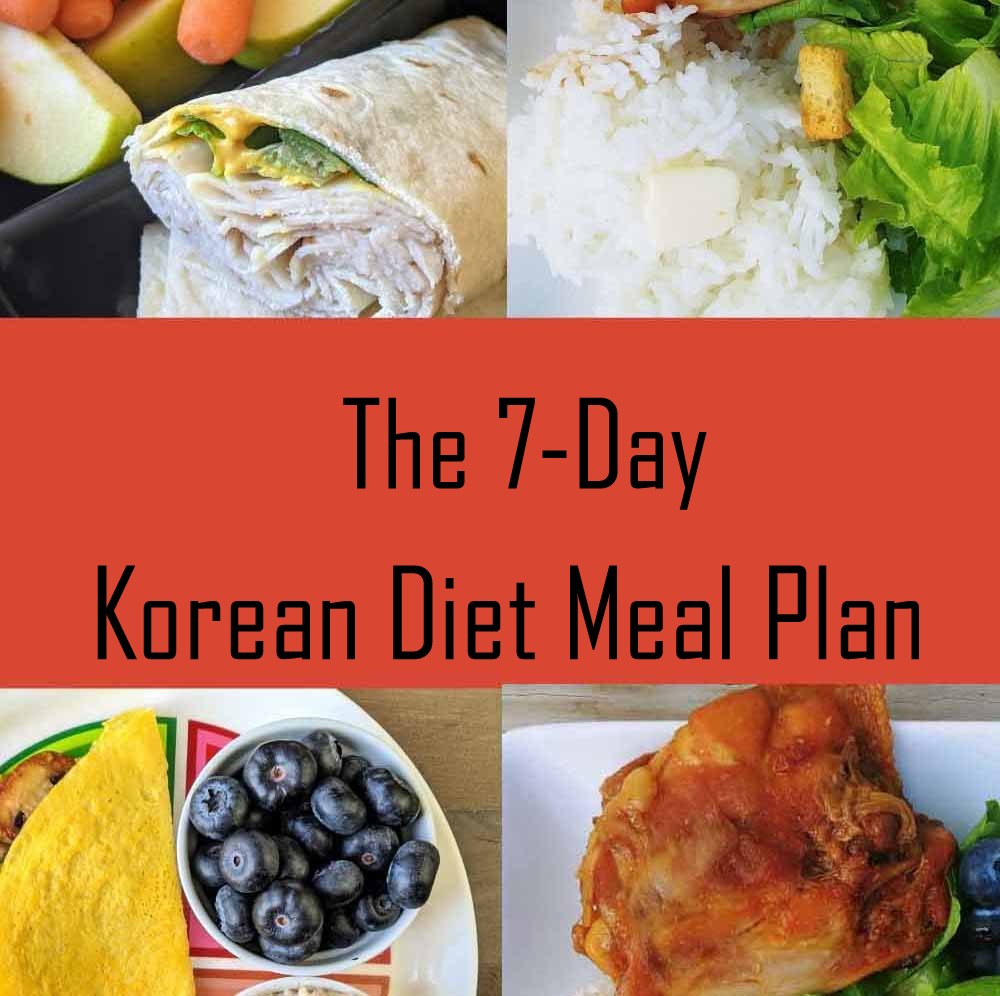
If you think the Korean diet is just BBQ and fried chicken, you’re missing something important. The real secret is a way of eating that’s naturally low in calories, high in fiber, and actually keeps you full—without the constant hunger that derails most diets. I spent years watching people fail on restrictive meal plans because they were miserable, then I started working with clients who embraced Korean eating principles and noticed something different. They weren’t white-knuckling through their day; they were eating real food in satisfying portions and actually losing weight.
Here’s the thing: if you’ve been stuck in the cycle of bland diet food and constant cravings, this approach feels genuinely different. It’s built on whole foods, fermented ingredients that support your gut, and flavors that make you want to keep eating this way. By the end of this article, you’ll have a complete 3-day meal plan, a grocery list, and the exact swaps needed to fit Korean eating into your actual life—not some idealized version of it.
- What you’re actually getting:
- A realistic meal plan using real portions
- Why this works (backed by actual nutritional science)
- How to adapt these meals for a busy Western lifestyle
- The one common mistake that sabotages 90% of people trying this
What Is the Korean Diet, Really?
Let’s start with the basics. The Korean diet is not a fad; it is a way of eating that people have used for a long time. At its core, the Korean diet consists of rice, soup, and a lot of small veggie sides called banchan, with kimchi playing a big role. That is all—simple, balanced, and food is seen as medicine, not as a way to punish yourself.
This way of eating came from need, as farmers and families wanted meals that used veggies from each season well, stayed fresh without a fridge (fermentation helped with that), gave steady energy without feeling too heavy, and used small amounts of meat to make it last. What started as a smart way to live led to good health: people who ate this way had less heart disease, less obesity, and fewer gut issues than those who ate a standard Western diet.
The biggest myth is that many think Korean food is hot and heavy, but the base diet is mild and full of veggies. Spice is up to you, and you can eat Korean food and never touch a chili pepper.
Why This Actually Works for Weight Loss
Fermented foods like kimchi, doenjang, and miso put good bacteria into your gut, and this is not just an idea. Studies show probiotics help balance your gut, aid digestion, and control hunger, and your gut does more than process food—it changes how full you feel and how steady your energy is. A classic Korean meal is 70-80% veggies by volume, meaning you get a big plate of food but far fewer calories than a similar Western meal.
For example, a bowl of bibimbap with veggies, rice, and egg has about 450 calories, while a plate of pasta the same size has 750 or more. High fiber plus protein plus low-sugar carbs means no crash at 3 PM, and when your blood sugar stays even, your cravings go away. This diet is low in bad fat and high in good fat from sesame oil, fish, and perilla oil, improving cholesterol and reducing body swelling.
One real limitation to know: you need to cook fresh food. If you live on takeout, this will feel like extra work at first—it is worth it, but it is real.
What to Eat vs. What to Avoid
When it comes to what to eat freely, focus on kimchi (any kind) for probiotics, leafy greens like spinach, lettuce, and kale for bulk and fiber, and seaweed like miyeok, gim, and dashima for minerals with almost no calories. Tofu, tempeh, and fish are your main protein sources, while mushrooms like shiitake, oyster, and enoki add deep flavor with few calories, and eggs remain cheap, easy to use, and filling.
Eat in small amounts: white rice (keep to ½ cup cooked per meal or mix with cauliflower rice), brown rice (same rule applies), gochujang (use a little as it has sugar—stick to 1-2 teaspoons), beef and pork (use more for flavor than as the main part of the meal), and sesame oil (high in calories—1 teaspoon per meal is plenty). Stay away from fried Korean dishes, heavy cream or cheese sauces, sweet dishes like japchae with too much sugar, too much soy sauce (use vinegar for taste with less salt), and “crispy” or “sweet & spicy sauce” items that have extra sugar.
Three smart swaps that work: instead of cooking with sesame oil, use avocado oil then add sesame oil at the end for taste; instead of white rice, mix ½ white rice with ½ cauliflower rice to cut carbs and keep the feel of the meal; and instead of store-bought gochujang, make your own with gochugaru, vinegar, and a little honey to control the sugar.
Macro and Calorie Breakdown
Your daily goal is 1,400–1,700 calories, which makes a small calorie gap for most women, while men should add 200-300 calories with more protein or a larger rice portion. The macro split is 35% protein, 30% fat, and 35% carbs—more protein keeps your muscle when you lose weight and helps you stay full. For very active individuals (work out 5+ days a week), add ½ cup rice at lunch; for sedentary people, cut rice and add more veggies; for moderate activity, follow the plan as is.
An easy way to portion without counting is the Hand Portion Method: protein is one palm-sized serving, vegetables are two fists full, rice or carbs is one cupped hand, and healthy fat is one thumb-sized portion. This method fits your hand size, so it works for you.
3-Day Sample Meal Plan
Day 1: The Gut Reset
Breakfast: Doenjang soup with soft tofu, spinach, and ½ cup rice. This gives you good bacteria and keeps your blood sugar steady. Lunch: Bibimbap bowl with ½ cup rice, cooked zucchini, carrots, bean sprouts, one fried egg, and 1 tsp gochujang mixed in, with seaweed on the side. Dinner: Grilled mackerel with fresh lettuce wraps and kimchi—mackerel has lots of omega-3s, and you eat the fish in lettuce leaves with a spoon of kimchi, requiring no rice as the lettuce gives you all the bulk.
Day 2: The Comfort Day
Breakfast: Steamed egg custard (Gyeran Jjim) with chopped green onion and fresh fruit—warm, filling, and good protein without feeling heavy. Lunch: Cold buckwheat noodles (Naengmyeon) in icy broth with cucumber and hard-boiled egg—buckwheat is better for blood sugar than wheat noodles, and the cold feel makes this fresh while helping with portion control. Dinner: Dak Bulgogi (stir-fried chicken) with sweet potato and peppers on a big bed of lettuce—the sweet potato gives you carbs, the chicken gives you protein, and you eat on greens instead of rice for more food and fewer calories.
Day 3: The Quick Prep
Breakfast: Scrambled eggs with kimchi, roasted seaweed (gim), and ½ cup leftover rice—takes 5 minutes and gives you protein, gut health, and minerals. Lunch: Tofu and veggie stew (Sundubu Jjigae) with mushrooms, zucchini, and a whole egg—make this in one pot and reheat for dinner too, as it tastes even better the next day. Dinner: Use the leftover stew as a sauce over fresh rice and raw veggies—this is like a bowl meal with little work and lots of comfort.
5 Key Ingredients (Get These First)
- Kimchi — good for your gut; buy good quality from a Korean store
- Doenjang (soybean paste) — fermented base for soups
- Gochugaru (red pepper flakes) — has vitamin C and flavor, no extra sugar
- Sesame oil — healthy fats and deep taste (use a little)
- Seaweed sheets (gim) — full of minerals, almost no calories
If you get these five, you can make real meals without hard-to-find items.
Meal Prep and Timing Tips
Best meal times include breakfast within 1 hour of waking (light, soup-based), lunch at midday (your biggest meal, bowl or noodles), and dinner 2-3 hours before bed to help digestion and avoid sleep issues. For 45-minute weekly meal prep, make a big batch of Kimchi Jjigae (stew) for 3 meals, boil 4 eggs, make a simple dressing with sesame oil, rice vinegar, and gochugaru, and wash and store lettuce, spinach, and bean sprouts.
Three time-saving tricks: use frozen veggies like broccoli, mushrooms, and carrots (almost as good as fresh and cut prep time in half); use an electric rice cooker for meals with rice, tofu, veggies, and spices; and buy pre-made kimchi from Korean stores for better quality and prices. When eating out without falling off track, ask for sauces on the side, order Jjigae (stew) instead of Bokkeum (stir-fry) for less oil, get extra veggies instead of extra rice, and ask for seaweed on the side.
Common Mistakes People Make (And How to Fix Them)
Mistake #1: Using Western cooking methods. You fry everything in oil because that is how you learned to cook. Fix: Steam, pan-sear with a splash of water, or bake—the food still tastes great and you cut extra calories. Mistake #2: Ignoring the power of banchan. You make rice and one protein and call it a meal. Fix: Add variety with three small veggie sides to make the meal feel full and keep you happy longer—repeats are fine.
Mistake #3: Thinking all Korean food is healthy. You order “crispy” Korean chicken or sweet dishes thinking they are fine because they are Korean. Fix: Stay away from labels like “Crispy,” “Sweet,” or “Fried” as these are often American versions with lots of sugar and oil. Mistake #4: Eating too much rice. Rice is clean carbs, so you eat big portions. Fix: Aim for a 2:1 ratio of veggies to rice—the veggies should take up twice the plate space. Mistake #5: The “sounds healthy” trap. You drink sweet rice punch (Sikhye) as a juice swap. Fix: Sikhye is mostly sugar and water, even if it tastes mild—stick to water, tea, or black coffee.
Who Should and Shouldn’t Try This Plan
This plan is best for people with high cholesterol or high blood pressure (due to low bad fat), anyone wanting better gut health without harsh diets, those who are okay to cook with fresh foods and do simple prep, and people who like big flavors without heavy cream or cheese. Be careful if you have a strong histamine issue (fermented foods have lots of histamines), need a strict low-salt diet (you will need to water down broths and use less soy sauce), or have active IBS or IBD (high fiber and fermentation may cause gas at first).
Start slow with fermented foods: 1-2 tablespoons of kimchi per day, then add more over a week or two. This plan is not for anyone with an active eating disorder (strict rules can make patterns worse) or people who do not like reheated veggies or leftovers (batch cooking is key here).
The One Thing to Remember
Korean eating works because it is not a diet. It is a way to eat real food in good portions. You do not count every macro or eat tiny amounts of food you hate; you eat big bowls of veggies, fermented foods that help your gut, and right-sized portions of rice and protein. Your gut gets better, your energy stays even, and weight loss happens on its own.
FAQ
Q: Do I need to learn Korean to cook this way? A: No. The steps are simple: boil, steam, pan-sear. The foods are easy to find at regular stores, and Asian stores make it even easier. Q: Can I do this on a budget? A: Yes. Rice, beans, eggs, and in-season veggies are cheap, and fermented pastes cost little and last for months—this is one of the most budget-friendly ways to eat well. Q: What if I hate kimchi? A: You do not need it. Fermentation is a bonus, not a must; you can follow the plan with regular veggies and still see results, but you miss out on the gut benefits.
Q: How fast will I lose weight? A: Expect 1-2 pounds per week if you stick with it. This is slow, steady weight loss, not a crash diet—slow is better than fast every time. Q: Can I do this if I am vegetarian? A: Yes. Swap fish and meat for tofu, tempeh, and eggs. The rest of the plan stays the same, and portions adjust on their own.
Conclusion
This is not just another “eat this, not that” diet that leaves you hungry and sad; it is a return to a whole-food way of life that keeps you lean, full of energy, and healthy by putting veggies and fermentation at the heart of your plate. You do not need to spend a lot on fancy gochugaru or hunt for rare foods—a head of napa cabbage, a bottle of rice vinegar, and eggs from your store are enough to start eating this way tonight. The trip does not start with a week of work; it starts with one meal, so pick Day 1’s dinner—grilled mackerel with lettuce wraps and kimchi—go buy the items, and make it tonight. That is how this really starts.
References
- National Center for Biotechnology Information. (2018). “Probiotics and Human Health.” PMC5622718.
- American Heart Association. (2022). “Fermented Foods and Cardiovascular Health.”
- Journal of Nutrition and Metabolism. (2020). “Low Glycemic Index Diets and Weight Loss Maintenance.”
Recommended Article
How to Get a Natural Glow While Dieting: What Actually Works