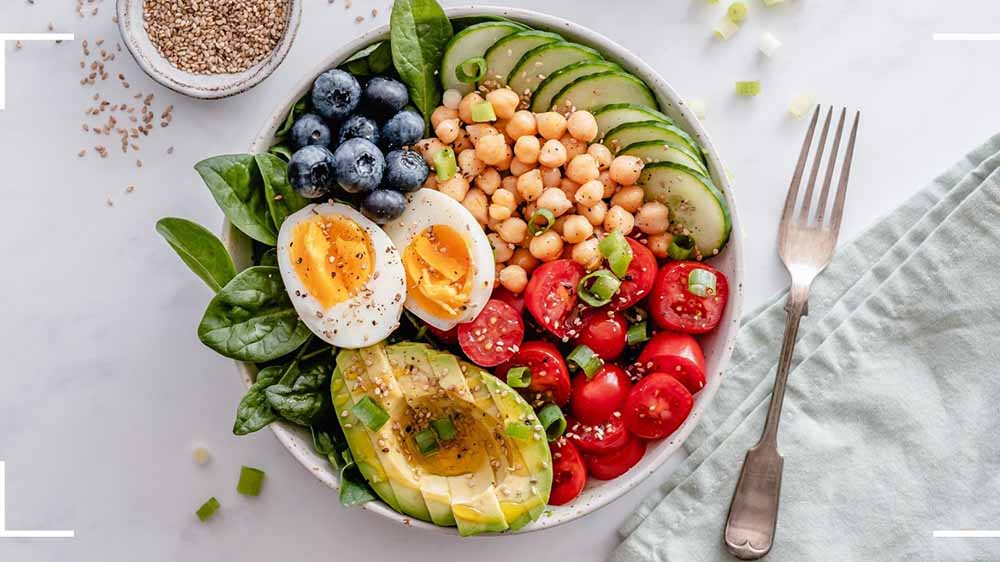
Yes — you can make restaurant-quality Mediterranean food at home, even if you’re not a skilled cook. The secret isn’t fancy techniques or hard-to-find ingredients. I remember when I first started cooking Mediterranean food and thought it would be hard with all those fresh herbs, the perfect olive oil, and getting fish just right without overcooking it.
If you want to eat better but refuse to give up flavor, you’re where I was three years ago. Maybe you’ve tried “healthy” recipes before that tasted like cardboard, or you love the idea of Mediterranean food but think it’s too fancy for weeknight dinners. Here’s what nobody tells you about Mediterranean cooking: it’s simpler than most other cuisines, with the whole idea being about letting good ingredients speak for themselves.
In this article, you’ll get six easy recipes that deliver big flavor without needing chef-level skills. By the time you’re done reading, you’ll know how to make Mediterranean meals that taste like they came from a coastal restaurant. Stick with me to the end, and I’ll share the one trick that changed how I cook — it might surprise you.
Why These Mediterranean Recipes Work So Well
The Mediterranean diet ranks as one of the world’s best eating patterns, with research showing it can cut heart disease risk by 30%. These recipes work better than others you’ll find online because they use core ideas that make Mediterranean food healthy and filling. Most people make Mediterranean cooking too hard, but these recipes stay simple, fast, and flavor-first — that’s how this cuisine was meant to be.
- Fresh vegetables and herbs add natural flavor without heavy sauces
- High-quality olive oil gives healthy fats and richness
- Lean proteins like fish, chicken, and plant-based options
- Simple cooking methods keep nutrients and natural flavors
Most recipe sites give you ingredients but skip the tiny details, like why you broil salmon for the last two minutes or how mashing chickpeas changes the whole texture. These details make all the difference in creating authentic Mediterranean flavors.
1. Lemon Garlic Salmon – Crispy Outside, Juicy Inside

This salmon recipe gives restaurant results in just 22 minutes, with bright lemon, aromatic garlic, and good olive oil creating perfect fish. You get crispy edges and tender, flaky meat inside that rivals any coastal restaurant. The combination of simple ingredients and proper technique transforms ordinary salmon into something extraordinary.
Recipe Details:
- Prep Time: 10 minutes
- Cook Time: 12 minutes
- Total Time: 22 minutes
- Servings: 2
- Difficulty: Easy
Ingredients:
- 2 salmon fillets (150g each)
- 2 tbsp extra virgin olive oil
- 4 cloves garlic, minced
- 2 tbsp fresh lemon juice
- 1 tsp lemon zest
- 1/2 tsp salt
- 1/2 tsp black pepper
- 2 tbsp fresh parsley, chopped
Cooking Steps:
- Heat your oven to 200°C (400°F)
- Put salmon fillets on a baking tray with parchment paper
- Mix olive oil, garlic, lemon juice, zest, salt, and pepper in a bowl
- Brush the mix over both salmon fillets
- Bake 10-12 minutes until fish flakes easily and has golden edges
- Add fresh parsley and serve right away
The Game-Changer: Switch to broil for the last 2 minutes to create an amazing crispy top without drying out the fish. A chef friend taught me this trick, and it makes all the difference between good salmon and restaurant-quality salmon. Storage: Leftover salmon keeps in the fridge for 2 days and works great in salads or wraps.
2. Mediterranean Chickpea Salad – Fresh, Crunchy & Protein-Packed
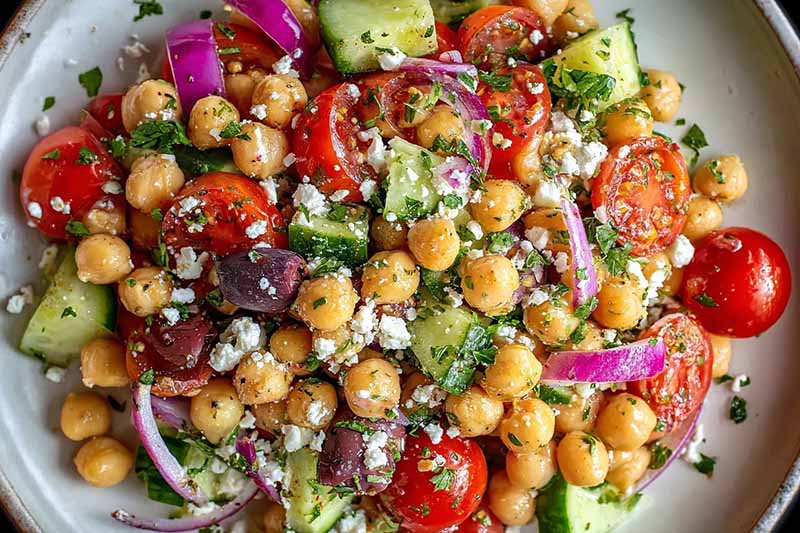
This bright salad mixes hearty chickpeas with fresh cucumber and tomatoes, brought together with a lemony olive oil dressing. It works perfectly as a light lunch or dinner side dish, providing plenty of plant-based protein and fiber. The combination of textures and Mediterranean flavors makes this salad satisfying and refreshing at the same time.
Recipe Details:
- Prep Time: 15 minutes
- Cook Time: 0 minutes
- Total Time: 15 minutes
- Servings: 3
- Difficulty: Easy
Ingredients:
- 2 cups cooked chickpeas (or 1 can, drained and rinsed)
- 1 cup cucumber, diced
- 1 cup cherry tomatoes, halved
- 1/4 cup red onion, finely chopped
- 3 tbsp extra virgin olive oil
- 2 tbsp fresh lemon juice
- 1 tsp dried oregano
- 1/2 tsp salt
- 1/4 tsp black pepper
Prep Steps:
- Mix chickpeas, cucumber, tomatoes, and red onion in a large bowl
- Whisk olive oil, lemon juice, oregano, salt, and pepper in a small bowl
- Pour dressing over salad and toss well
- Let salad sit 10 minutes before serving so flavors blend
Secret Trick: Lightly mash 1/4 cup of chickpeas with a fork first to create a slightly creamy texture that holds the dressing. Most people skip this step, but it makes the salad feel more complete and helps all the flavors stick together. Storage: This salad gets better with time and keeps well for 3 days in the fridge.
3. Garlic Herb Chicken Skillet – Juicy, Aromatic & One-Pan Easy
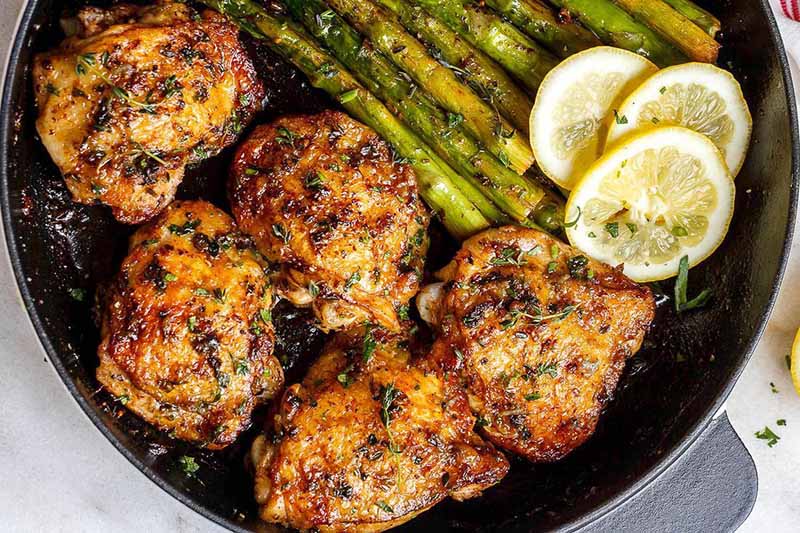
Simple ingredients make complex flavors in this one-pan chicken dish. Build layers of flavor with garlic, herbs, and good olive oil. Let proper browning do the work.
Recipe Details:
- Prep Time: 10 minutes
- Cook Time: 20 minutes
- Total Time: 30 minutes
- Servings: 3
- Difficulty: Easy
Ingredients:
- 500g chicken breast, sliced into strips
- 3 tbsp extra virgin olive oil
- 5 cloves garlic, minced
- 1 tsp dried oregano
- 1 tsp paprika
- 1 tsp salt
- 1/2 tsp black pepper
- 1 tbsp fresh lemon juice
Cooking Steps:
- Heat olive oil in a large skillet over medium heat
- Add chicken strips and cook 5-6 minutes until golden on one side
- Flip chicken and add garlic, oregano, paprika, salt, and pepper
- Keep cooking 8-10 minutes, stirring sometimes, until chicken is done
- Remove from heat, add lemon juice, and serve right away
Big Mistake to Avoid: Don’t crowd the pan when cooking chicken. This makes steam instead of golden browning that adds flavor. Cook in batches if needed. I made this mistake for years. That’s why my chicken always turned out bland.
Storage: This chicken keeps well for 3-4 days. It works great for meal prep bowls with grains and vegetables.
4. Greek Lentil Soup – Hearty, Comforting & Nutrient-Dense
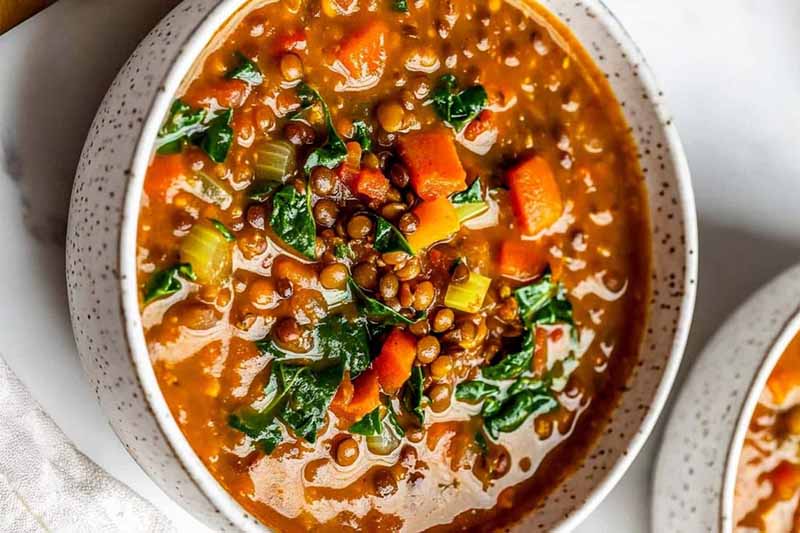
This warming soup proves healthy food can be deeply satisfying. Red lentils break down slightly during cooking. This makes a naturally creamy texture without dairy. The vegetables add freshness and nutrition.
Recipe Details:
- Prep Time: 10 minutes
- Cook Time: 30 minutes
- Total Time: 40 minutes
- Servings: 4
- Difficulty: Easy
Ingredients:
- 1 cup red lentils
- 1 medium onion, chopped
- 1 carrot, diced
- 3 cloves garlic, minced
- 2 tbsp extra virgin olive oil
- 2 tbsp tomato paste
- 4 cups vegetable broth
- 1 bay leaf
- 1 tsp salt
- 1/2 tsp black pepper
Cooking Steps:
- Heat olive oil in a large pot over medium heat
- Add onion, carrot, and garlic. Cook 5 minutes until soft
- Stir in tomato paste and cook 2 minutes until fragrant
- Add lentils, broth, and bay leaf. Bring to a boil
- Lower heat and simmer 25-30 minutes until lentils are tender
- Remove bay leaf. Season with salt and pepper. Serve warm
The Brightness Secret: Add a splash of red wine vinegar or lemon juice just before serving. The acid brightens all flavors. It makes the soup taste more vibrant. This tip changed how I finish soups.
Storage: This soup freezes great for 2 months. Perfect for batch cooking.
5. Mediterranean Veggie Pasta – Light, Fresh & Flavorful
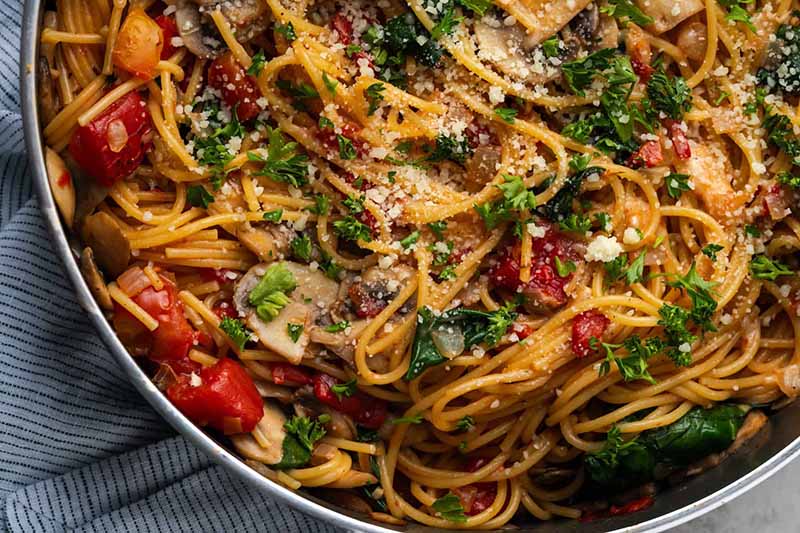
This pasta dish shows how simple ingredients can create something special. Whole grain pasta gives fiber and substance. Fresh vegetables and good olive oil keep things light and bright.
Recipe Details:
- Prep Time: 10 minutes
- Cook Time: 15 minutes
- Total Time: 25 minutes
- Servings: 3
- Difficulty: Easy
Ingredients:
- 250g whole grain pasta
- 1 medium zucchini, sliced into half-moons
- 1 cup cherry tomatoes, halved
- 4 cloves garlic, minced
- 3 tbsp extra virgin olive oil
- 2 cups fresh spinach
- 1 tsp salt
- 1/2 tsp black pepper
Cooking Steps:
- Cook pasta as package says until al dente. Save 1/2 cup pasta water before draining
- While pasta cooks, heat olive oil in a large skillet over medium heat
- Add garlic and zucchini. Cook 3-4 minutes
- Add tomatoes and cook another 3-4 minutes until they soften
- Add spinach and cook just until wilted
- Toss in cooked pasta with a splash of pasta water to make a light sauce
- Season with salt and pepper. Serve right away
Pasta Water Magic: That saved pasta water is liquid gold. It has starch that helps make a silky sauce when mixed with olive oil. Most people dump it down the drain. But it’s one of the most important ingredients.
Storage: This dish is best fresh. But leftovers keep for 2 days in the fridge.
6. Shakshuka – Eggs Poached in Rich Spiced Tomato Sauce
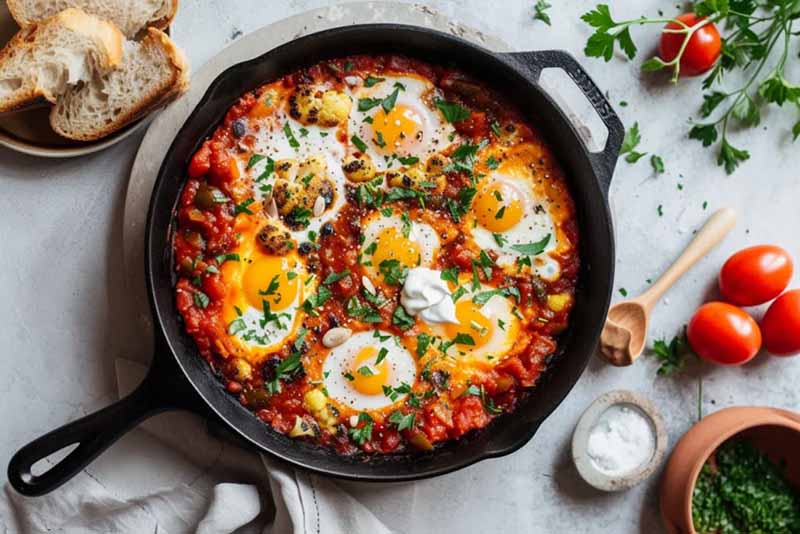
This dish comes from North Africa but is loved throughout the Mediterranean. Shakshuka offers bold flavors and satisfying protein. The eggs poach gently in the spiced tomato base. It works for breakfast, lunch, or dinner.
Recipe Details:
- Prep Time: 10 minutes
- Cook Time: 20 minutes
- Total Time: 30 minutes
- Servings: 3
- Difficulty: Medium
Ingredients:
This shakshuka recipe uses simple, wholesome ingredients that create incredible depth of flavor when combined properly.
- 4 large eggs
- 1 can (400g) crushed tomatoes
- 1 medium onion, chopped
- 1 bell pepper, chopped
- 2 tbsp extra virgin olive oil
- 1 tsp paprika
- 1/2 tsp ground cumin
- 1/2 tsp salt
- 1/4 tsp black pepper
Cooking Steps:
The key to perfect shakshuka is building the tomato base slowly and creating the right wells for the eggs to nestle into comfortably.
- Heat olive oil in a large skillet over medium heat
- Add onion and bell pepper. Cook 8-10 minutes until very soft
- Add tomatoes, paprika, cumin, salt, and pepper. Simmer 10 minutes until thick
- Use a spoon to make 4 small wells in the tomato sauce
- Crack each egg into a small bowl first. Then slide gently into a well
- Cover the pan and cook 8-12 minutes until egg whites set but yolks are slightly runny
- Serve right away with crusty bread
Pro Move: For extra richness, crumble feta cheese on top during the last few minutes. The cheese melts slightly and adds a creamy, tangy element. This takes the dish to another level.
Storage: Shakshuka is best served fresh. You can make the tomato base ahead and reheat when ready to add eggs.
Key Mediterranean Cooking Tips
The difference between good and great Mediterranean food comes down to a few key tips. Here’s what makes the biggest difference:
Oil Mastery:
Understanding how to use olive oil properly will transform your Mediterranean cooking more than any other single technique.
- Use extra virgin olive oil at the end of cooking, not just during
- Heat regular olive oil for cooking, save the good stuff for finishing
- A drizzle of quality oil right before serving transforms any dish
Vegetable Timing:
Proper vegetable timing preserves both nutrition and texture, creating dishes that taste fresh and vibrant.
- Don’t overcook vegetables — keep them slightly crisp for better texture and nutrition
- Add delicate greens like spinach at the very end
- Let tomatoes cook just until they start to break down but still hold their shape
Acid Balance:
Acid is the secret ingredient that brings all Mediterranean flavors into perfect harmony.
- Always balance dishes with acid — lemon juice, vinegar, or wine
- Add acid at the end to brighten all the other flavors
- When in doubt, a squeeze of lemon fixes most Mediterranean dishes
Garlic Tips:
Garlic forms the aromatic foundation of many Mediterranean dishes, but timing is crucial to prevent bitterness.
- Add garlic after other vegetables have softened to prevent burning
- Use more than you think you need — it mellows significantly when cooked
- Fresh garlic beats pre-minced every single time
Easy Ingredient Swaps for Every Diet
Mediterranean cooking adapts to any diet easily. Here are swaps that work without losing the essential character of these dishes:
For Vegan Diets:
Plant-based Mediterranean cooking is naturally delicious and satisfying when you know the right substitutions.
- Replace chicken or fish with chickpeas, white beans, or firm tofu
- Use nutritional yeast instead of cheese for umami depth
- Coconut milk adds richness to soups without dairy
For Gluten-Free Needs:
Most Mediterranean flavors work perfectly with gluten-free alternatives, and many dishes are naturally gluten-free already.
- Swap regular pasta for chickpea, lentil, or rice-based versions
- Use quinoa or rice instead of bulgur in grain dishes
- Most Mediterranean recipes are naturally gluten-free anyway
For Budget-Conscious Cooking:
You don’t need expensive ingredients to create authentic Mediterranean flavors that satisfy your whole family.
- Canned fish works great instead of fresh — sardines and anchovies add tons of flavor
- Dried herbs cost less and last longer than fresh (use about 1/3 the amount)
- Frozen vegetables retain nutrition and save money, especially for soups
For Lower Calories:
Mediterranean cuisine naturally supports healthy eating, and small adjustments can reduce calories without sacrificing flavor.
- Reduce olive oil by 30% and increase vegetables
- Use Greek yogurt mixed with lemon as a creamy sauce base
- Spiralized vegetables can replace some pasta
The One Thing to Remember
Here’s the trick that changed everything for me: Layer your flavors, but keep it simple. Start with good olive oil. Build with aromatics like garlic and onion. Add your protein or vegetables. Then finish with acid and fresh herbs. This sequence works for almost every Mediterranean dish. The magic isn’t in complicated tricks. It’s in respecting each ingredient and letting them work together naturally.
Meal Prep That Actually Works
I’ve made these recipes dozens of times. Here’s the most efficient way to prep them for the week:
Best for Batch Cooking:
These dishes actually improve with time and reheat beautifully, making them perfect for meal prep.
- Lentil soup (freezes perfectly)
- Chicken skillet (reheats well)
- Chickpea salad (improves with time)
Cook Fresh Each Time:
Some Mediterranean dishes are best enjoyed immediately for optimal texture and flavor.
- Salmon (takes 22 minutes anyway)
- Pasta dishes (texture suffers when reheated)
- Shakshuka (eggs don’t reheat well)
Recommended Article
How to Get a Natural Glow While Dieting: What Actually Works