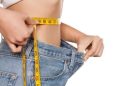



Starting a keto diet can feel overwhelming with all the macro tracking, food lists, and confusing advice online, but it does not have to be complicated. In this complete beginner’s guide, we break down exactly what to eat, how much to eat, and when to eat so you can enter ketosis by day 3 or 4 and start losing weight immediately. With our 7-day meal plan, budget shopping list, and practical meal prep strategies, you can start your keto journey this week without expensive supplements or specialty foods.

What Is the Keto Diet and How Does It Help You Lose Weight?
The ketogenic diet is a high-fat, low-carbohydrate eating plan that shifts your body from burning sugar (glucose) to burning fat as its main fuel source. This metabolic state is called ketosis, which you reach by keeping daily carbohydrate intake below 50 grams – about the amount in two slices of bread. When glucose runs out, your liver converts stored fat into molecules called ketones that your brain and muscles run on instead of sugar.
A 2020 meta-analysis published in the British Journal of Nutrition found that low-carbohydrate diets produced significantly greater short-term weight loss compared to low-fat diets (Batch et al., 2020). Most of that early loss is water weight because carbs hold water in your muscles, and when carbs drop, that water releases. Real fat loss kicks in from week 2 onward, making the first week primarily about adaptation and resetting your metabolism rather than expecting dramatic fat loss immediately.
Keto Macro Targets for Beginners: What to Eat and How Much
Your macros are the three main nutrients – fat, protein, and carbohydrates – and getting the ratio right is the difference between entering ketosis and just eating less bread. Many beginners make the mistake of eating too lean or too low calories, which actually prevents ketosis by stressing the body. Instead, use these standard beginner keto macro targets as your foundation for success.
| Macro | Percentage of Daily Calories | Example on 1,600 cal/day |
|---|---|---|
| Fat | 70% | 124g fat |
| Protein | 25% | 100g protein |
| Carbohydrates | 5% | 20g net carbs |
Net carbs equal total carbs minus fiber because fiber does not spike blood sugar or kick you out of ketosis. A cup of broccoli has 6g total carbs and 2g fiber, which counts as only 4g net carbs, making it a great vegetable choice. Focus on counting net carbs rather than total carbs to avoid unnecessarily restricting healthy vegetables.
How Many Calories Should a Beginner Eat on Keto?
For weight loss, most beginners do well between 1,500 and 1,800 calories per day, and you should not go below 1,200 calories. Eating too little on keto causes muscle loss, fatigue, and makes the “keto flu” – the adaptation phase in days 2 through 4 – much worse than it needs to be. A simple starting formula is to multiply your body weight in pounds by 12 for a rough daily calorie target for fat loss; a 160 lb person would target around 1,920 calories, then adjust based on results after 2 weeks.
What to Eat on Keto: Approved Foods for Beginners
Stick to these food groups in week 1 and do not try to recreate keto versions of your favorite carb-heavy meals yet. Keeping it simple lets your body adapt first without the frustration of failed recipes or expensive ingredients. These foods are affordable, widely available, and naturally low in carbohydrates.
Proteins (eat freely):
- Eggs – one of the best keto foods because they are cheap, filling, and versatile
- Chicken thighs – fattier and cheaper than breast, making them ideal for keto
- Ground beef – 80/20 fat ratio works well for keeping fat intake high
- Canned tuna and salmon – affordable protein sources that need no cooking
- Bacon and sausage – check labels because some have added sugar
Fats (eat generously):
- Butter and ghee – perfect for cooking and adding to vegetables
- Olive oil and coconut oil – use both for different cooking temperatures
- Avocados and avocado oil – nutrient-dense fat sources
- Full-fat cream cheese and sour cream – great for sauces and dips
- Heavy whipping cream – use in coffee and for making desserts
Vegetables (low-carb only):
- Spinach, kale, arugula – leafy greens are your best friend on keto
- Broccoli, cauliflower, zucchini – versatile vegetables that roast beautifully
- Bell peppers – use in moderation because they are higher carb than leafy greens
- Mushrooms, cucumber, celery – low-calorie crunch options
What to avoid completely in week 1:
| Avoid | Why |
|---|---|
| Bread, pasta, rice | High carb – will prevent ketosis |
| Sugar and honey | Spikes blood glucose immediately |
| Most fruit | Even “healthy” fruit is high in sugar |
| Beans and lentils | Too many carbs per serving |
| Low-fat dairy | Often contains added sugar |
| Starchy vegetables | Potatoes, corn, peas spike blood sugar |
7-Day Keto Meal Plan for Beginners: Week 1
Each day targets approximately 1,600-1,800 calories, 20-25g net carbs, 100g protein, and 120-130g fat. Adjust portion sizes up or down based on your personal calorie target.
Day 1 – Monday: Keep It Simple
Breakfast: 3 scrambled eggs cooked in butter + 2 strips of bacon
- Approx: 450 cal | 3g net carbs | 28g protein | 38g fat
Lunch: Tuna salad (1 can tuna, 2 tbsp mayo, celery, salt, pepper) on a bed of spinach
- Approx: 380 cal | 2g net carbs | 32g protein | 26g fat
Dinner: Ground beef patty (no bun) + sauteed zucchini in olive oil + sour cream
- Approx: 550 cal | 5g net carbs | 38g protein | 42g fat
Snack: 1 oz cheddar cheese + 10 olives
- Approx: 180 cal | 1g net carbs | 7g protein | 16g fat
Day 1 Total: ~1,560 cal | 11g net carbs | 105g protein | 122g fat
Day 2 – Tuesday: Add More Fat
Breakfast: 2-egg omelet with cream cheese and spinach, cooked in butter
- Approx: 420 cal | 2g net carbs | 22g protein | 36g fat
Lunch: Chicken thigh (baked or pan-fried in olive oil) + cucumber slices with sour cream dip
- Approx: 480 cal | 4g net carbs | 36g protein | 35g fat
Dinner: Salmon fillet pan-seared in butter + steamed broccoli with melted butter
- Approx: 560 cal | 4g net carbs | 40g protein | 42g fat
Snack: 2 tbsp peanut butter (no sugar added) + celery sticks
- Approx: 210 cal | 4g net carbs | 8g protein | 16g fat
Day 2 Total: ~1,670 cal | 14g net carbs | 106g protein | 129g fat
Day 3 – Wednesday: Push Through the Keto Flu
Days 2-4 are when many beginners feel tired, headachy, or irritable. This is the keto flu – your body is switching fuel sources. Drink more water, add a pinch of salt to meals, and eat enough fat. It passes within 48-72 hours.
Breakfast: Bacon and egg cups (2 eggs cracked into bacon-lined muffin tin, baked 15 min at 375F)
- Approx: 400 cal | 1g net carbs | 26g protein | 32g fat
Lunch: Ground beef taco bowl (no tortilla) – seasoned beef, shredded cheese, sour cream, diced avocado, salsa (2 tbsp)
- Approx: 580 cal | 6g net carbs | 36g protein | 44g fat
Dinner: Zucchini noodles (use a peeler) with ground beef and olive oil – simple seasoning with garlic and parmesan
- Approx: 510 cal | 7g net carbs | 35g protein | 38g fat
Snack: Hard-boiled egg + 1 oz macadamia nuts
- Approx: 230 cal | 2g net carbs | 9g protein | 20g fat
Day 3 Total: ~1,720 cal | 16g net carbs | 106g protein | 134g fat
Day 4 – Thursday: Routine Building
Breakfast: 3 eggs fried in coconut oil + 2 sausage links (check label for under 2g carbs per link)
- Approx: 460 cal | 2g net carbs | 28g protein | 38g fat
Lunch: Lettuce wrap with sliced deli turkey, cream cheese, avocado, and mustard
- Approx: 390 cal | 4g net carbs | 28g protein | 28g fat
Dinner: Baked chicken thighs with garlic butter + roasted cauliflower with parmesan
- Approx: 570 cal | 5g net carbs | 42g protein | 42g fat
Snack: Full-fat Greek yogurt (plain, unsweetened) – 1/2 cup
- Approx: 100 cal | 4g net carbs | 9g protein | 5g fat
Day 4 Total: ~1,520 cal | 15g net carbs | 107g protein | 113g fat
Day 5 – Friday: Add Variety
Breakfast: Avocado stuffed with 2 scrambled eggs and crumbled bacon
- Approx: 480 cal | 3g net carbs | 22g protein | 42g fat
Lunch: Canned salmon salad with mayo, capers, lemon juice on arugula
- Approx: 420 cal | 2g net carbs | 34g protein | 30g fat
Dinner: Pork belly or pork chop pan-seared in butter + sauteed mushrooms and spinach
- Approx: 590 cal | 4g net carbs | 38g protein | 46g fat
Snack: String cheese + a few pecans
- Approx: 190 cal | 2g net carbs | 8g protein | 16g fat
Day 5 Total: ~1,680 cal | 11g net carbs | 102g protein | 134g fat
Day 6 – Saturday: Meal Prep Day
Use Saturday to prep Sunday and early next week. See the meal prep section below.
Breakfast: Keto pancakes – 2 eggs + 2 oz cream cheese blended and pan-fried in butter, topped with butter
- Approx: 430 cal | 2g net carbs | 18g protein | 38g fat
Lunch: Leftover chicken thighs + spinach salad with olive oil and lemon
This lunch is designed to be quick and satisfying. Simply shred or chop the leftover chicken thighs and toss them over a bed of fresh spinach. Drizzle with olive oil and a squeeze of lemon for a bright, simple dressing that complements the rich chicken.
- Approx: 460 cal | 3g net carbs | 36g protein | 34g fat
Dinner: Grilled burger patty with cheese, bacon, avocado – no bun, served over salad greens
A bunless burger is a classic keto staple that never gets old. Grill a seasoned beef patty until your preferred doneness, then top it with melted cheese, crispy bacon, and fresh avocado slices. Serve it all over a generous portion of salad greens for extra volume and nutrients.
- Approx: 620 cal | 4g net carbs | 40g protein | 48g fat
Snack: Heavy whipping cream in coffee (bulletproof-style) or plain
For a quick fat boost, add a few tablespoons of heavy whipping cream to your coffee. It creates a rich, frothy texture that can help tide you over between meals. Alternatively, you can enjoy it plain or lightly whipped with a dash of cinnamon.
- Approx: 150 cal | 1g net carbs | 1g protein | 16g fat
Day 6 Total: ~1,660 cal | 10g net carbs | 95g protein | 136g fat
Day 7 – Sunday: Assess and Adjust
By day seven, most beginners report reduced hunger, clearer thinking, and 2-4 pounds lost on the scale (mostly water weight). This is a good time to reflect on how you feel and decide whether to continue. If you feel good, keep going into week two with confidence.
Breakfast: 3-egg veggie scramble with mushrooms, spinach, and cheddar in butter
A hearty scramble is a perfect way to start your day and use up any leftover vegetables. Sauté mushrooms and spinach in butter until wilted, then pour in beaten eggs and top with shredded cheddar for a flavorful, filling breakfast.
- Approx: 420 cal | 4g net carbs | 28g protein | 32g fat
Lunch: Ground beef and cauliflower “rice” bowl – season beef with cumin and paprika, add sour cream
This bowl is inspired by taco flavors but made keto-friendly. Season ground beef with cumin and paprika, then serve it over cauliflower “rice” that has been lightly sautéed. Finish with a dollop of sour cream for creaminess and a touch of acidity.
- Approx: 530 cal | 6g net carbs | 36g protein | 38g fat
Dinner: Baked salmon with lemon butter sauce + asparagus roasted in olive oil
Salmon is rich in omega-3 fatty acids and makes for a quick, elegant dinner. Bake the salmon until flaky, then drizzle with a simple lemon butter sauce. Roast asparagus spears in olive oil and salt until tender for a perfect side dish.
- Approx: 560 cal | 4g net carbs | 40g protein | 42g fat
Snack: Boiled egg + 1 oz cheddar
A simple and portable snack that combines protein and fat. A hard-boiled egg paired with a small piece of cheddar cheese is satisfying and easy to grab on the go.
- Approx: 170 cal | 1g net carbs | 13g protein | 12g fat
Day 7 Total: ~1,680 cal | 15g net carbs | 117g protein | 124g fat
3. Not drinking enough water.
Ketosis causes your kidneys to excrete more water and sodium, which can quickly lead to dehydration if you are not careful. To counteract this effect and avoid the dreaded keto flu, you need to be intentional about your fluid intake. Drink at least 2.5 to 3 liters of water per day during your first week, and add a pinch of salt to your meals or take an electrolyte supplement to replenish lost sodium.
4. Quitting on day 3 or 4.
Days 2 through 4 are universally the most challenging phase of starting keto. During this period, you may experience fatigue, headaches, and irritability as your body makes the difficult switch from burning glucose to burning ketones for fuel. This phase is completely normal and temporary, typically ending within 72 hours. It is crucial to push through this window, as most people who quit do so just one day before they would have successfully entered ketosis.
5. Eating too much protein.
While protein is an essential part of any diet, eating too much of it can actually work against your keto goals. Excess protein can be converted into glucose through a process called gluconeogenesis, which can slow down or even halt ketosis. To stay on track, keep your protein intake to no more than 25% of your daily calories, and be careful not to exceed this limit.
Frequently Asked Questions About Keto for Beginners
What is the keto diet and how does it work for weight loss?
The keto diet is a high-fat, low-carb eating plan that restricts daily carbohydrate intake to under 50 grams. When your body runs out of glucose from carbs, it switches to burning fat for fuel by producing ketones, a metabolic state called ketosis. The result is accelerated fat burning, reduced hunger from stable blood sugar, and measurable weight loss within the first two weeks (Batch et al., 2020).
How much weight can a beginner lose in keto week 1?
Most beginners lose 2 to 5 pounds in the first week, though the majority of that is water weight stored alongside glycogen in your muscles. Real, sustainable fat loss of 0.5 to 1.5 pounds per week typically begins from week 2 onward, once your body is fully in ketosis and adapted to burning fat for energy.
What is the keto flu and how do you avoid it?
The keto flu is a group of symptoms including fatigue, headache, brain fog, and irritability that appear in days 2 through 4 as your body transitions from glucose to ketones. You can avoid or minimize these symptoms by drinking 2.5 to 3 liters of water daily, adding salt to your meals, and eating enough healthy fat. The keto flu typically lasts 48 to 72 hours and goes away on its own as your body adapts.
How many carbs can I eat per day on keto?
Beginners should aim to stay under 20 to 25 grams of net carbs per day to reliably enter ketosis. Net carbs are calculated as total carbs minus fiber. While some people can maintain ketosis with up to 50 grams of net carbs per day once fully adapted, it is best to restrict yourself to 20 to 25 grams during your first week to reach ketosis faster.
Is keto safe for everyone?
Keto is safe for most healthy adults, but it is not recommended without medical supervision for people with type 1 diabetes, kidney disease, liver conditions, or for those who are pregnant. If you take medication for blood sugar or blood pressure, speak to a doctor before starting, as keto can change how those medications work (Harvard T.H. Chan School of Public Health, 2023).
Can I drink coffee on keto?
Yes, black coffee has zero carbs and does not break ketosis. Adding heavy whipping cream in small amounts (1 to 2 tablespoons) keeps it keto-friendly. You should avoid milk, sweetened creamers, and flavored syrups, as they add carbs quickly. Many keto beginners add butter or MCT oil to their coffee, often called “bulletproof coffee,” to increase their fat intake in the morning.
What fruits can I eat on keto?
Most fruit is too high in sugar to be compatible with a keto diet. The safest options, eaten in small amounts, are berries—specifically raspberries (3g net carbs per 1/4 cup), blackberries (4g per 1/4 cup), and strawberries (4g per 1/2 cup). You should avoid bananas, grapes, mangoes, apples, and oranges entirely during your first week.
Key Takeaways
Starting a keto diet requires focus and preparation, but keeping these core principles in mind will set you up for success. Adhering to these simple rules will help you enter ketosis quickly and avoid common pitfalls that cause many beginners to quit.
- Keep net carbs under 20-25g per day in week 1 – this is the most important rule.
- Eat enough fat – 70% of your daily calories should come from fat, not just reduced carbs.
- Prep proteins and vegetables on the weekend to make weekday meals fast and consistent.
- Expect 2-5 lbs lost in week 1, mostly water, with real fat loss starting in week 2.
- Push through days 2-4 – the keto flu is temporary and the sign your body is switching fuel sources.
Recommended Article
Soft Food Diet: What Actually Works (And What Nobody Tells You)
The Complete Low Cholesterol Diet Plan: A 7-Day Heart-Healthy Meal Plan to Lower LDL Naturally