

An anti-inflammatory diet is one of the most powerful tools you have to reduce chronic inflammation and lower your risk for heart disease, diabetes, and arthritis. It works by prioritizing whole, nutrient-dense foods like fatty fish, leafy greens, berries, and olive oil while cutting back on processed options that trigger inflammation. The Mediterranean diet is the most research-backed eating pattern available, and you do not need to overhaul your entire diet overnight — simply swapping three to five meals per week is enough to see early benefits. This article covers what the diet is, which foods to focus on, and five beginner-friendly recipes to start this week.
What Is an Anti-Inflammatory Diet?
An anti-inflammatory diet is an eating pattern that reduces the production of inflammatory compounds in the body by focusing on whole, nutrient-dense foods and cutting out processed ones. It is not a branded program or a strict meal plan — it is a framework built around food choices that either trigger or calm your immune response. Inflammation itself is not the enemy, as short-term inflammation is how your body heals a cut or fights a virus. The problem is chronic, low-grade inflammation — the kind that runs quietly in the background for months or years — which is directly tied to conditions including heart disease, type 2 diabetes, Alzheimer’s disease, and certain cancers according to the National Institutes of Health in 2023.
The Mediterranean diet is the most studied anti-inflammatory eating pattern available. A 2023 review in the journal Nutrients found that people following Mediterranean-style eating showed significantly lower blood markers of inflammation, including C-reactive protein (CRP), compared to those on a standard Western diet. This makes the Mediterranean approach a proven starting point for anyone looking to reduce inflammation through food.
How Chronic Inflammation Affects Your Body
Chronic inflammation works like a slow fire inside your body — it does not burn hot enough for you to notice immediately, but it damages tissue and organs over time. When you eat highly processed foods, refined sugars, or trans fats regularly, your body treats them as mild threats and your immune system responds by releasing inflammatory proteins called cytokines. Do this repeatedly, and those proteins stay elevated even when there is no real threat to fight, creating a state of persistent low-grade inflammation.
Research from the Harvard T.H. Chan School of Public Health in 2024 found that people with the highest levels of dietary inflammatory markers had a 38% higher risk of cardiovascular disease compared to those with the lowest levels. This means food choices are one of the most direct levers you have to bring those markers down and protect your long-term health. Understanding how chronic inflammation works makes it clear why an anti-inflammatory diet is such a powerful preventive tool.
Foods That Fight Inflammation: What to Eat
The core of any anti-inflammatory diet is a consistent supply of foods that contain natural compounds — omega-3 fatty acids, polyphenols, antioxidants, and fiber — that block or reduce inflammatory signals in the body. These foods work together to lower markers like CRP and reduce oxidative stress, making them essential additions to your meals. Here are the top anti-inflammatory foods to include regularly.
- Fatty fish — Salmon, sardines, and mackerel are high in omega-3 fatty acids (EPA and DHA), which directly suppress the production of inflammatory cytokines. Aim for two servings per week, as recommended by the American Heart Association in 2023.
- Leafy greens — Spinach, kale, and Swiss chard contain vitamin K and flavonoids that lower inflammation markers. A daily serving of leafy greens is one of the single highest-impact dietary changes you can make.
- Berries — Blueberries, strawberries, and raspberries are dense with anthocyanins, a class of polyphenol that reduces oxidative stress. A 2022 study in the Journal of Nutrition found that eating one cup of blueberries daily for six months reduced CRP levels by 17% in adults with metabolic risk factors.
- Extra virgin olive oil — Contains oleocanthal, a compound with anti-inflammatory effects comparable to low-dose ibuprofen, as reported by Beauchamp et al. in Nature in 2005. Use it as your primary cooking fat for maximum benefit.
- Whole grains — Oats, brown rice, and quinoa provide fiber that feeds beneficial gut bacteria. A healthy gut microbiome produces short-chain fatty acids that actively reduce systemic inflammation, according to the NIH in 2023.
- Nuts and seeds — Walnuts, flaxseeds, and chia seeds are plant-based omega-3 sources and reduce LDL cholesterol, which is independently linked to inflammation. A small handful per day is a great start.
Foods That Increase Inflammation: What to Cut Back On
Cutting inflammatory foods is just as important as adding anti-inflammatory ones, and you do not need to eliminate these entirely — reducing frequency makes a measurable difference. Foods high in refined sugars, refined grains, trans fats, and processed meats trigger the release of inflammatory cytokines and should be limited. Prioritizing whole, unprocessed options and cooking at home more often are effective ways to reduce your intake of these inflammatory triggers while supporting your overall health.
The goal is not perfection. Eating an anti-inflammatory meal 80% of the time produces real results — you do not need a clean record every day.
5 Anti-Inflammatory Diet Recipes to Start This Week
These five recipes are built around the highest-impact anti-inflammatory ingredients. Each takes 30 minutes or less and uses ingredients available in any standard grocery store.
Recipe 1: Baked Salmon With Garlic and Lemon Over Spinach
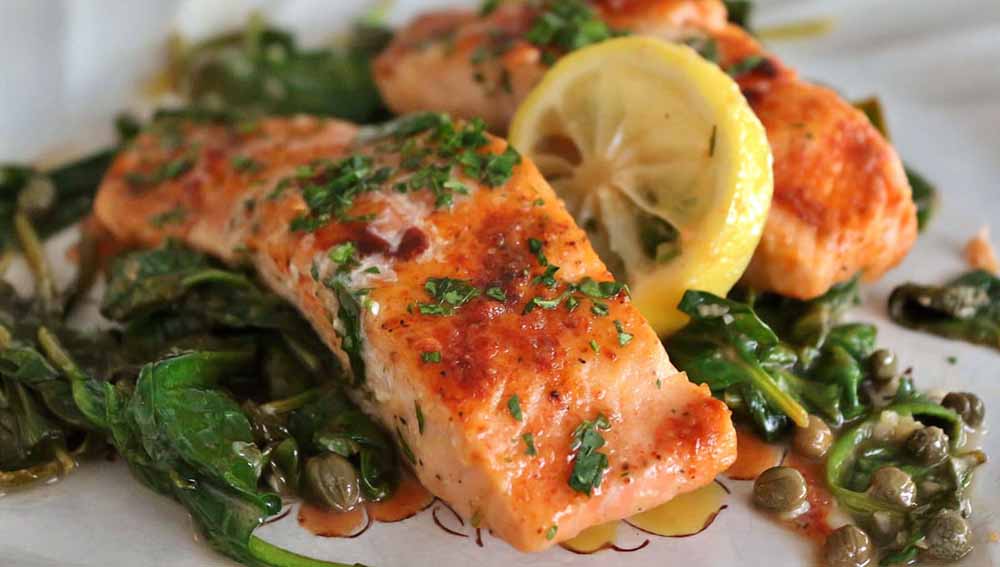
Salmon delivers omega-3s. Spinach delivers vitamin K and flavonoids. Garlic contains allicin, a sulfur compound with documented anti-inflammatory properties (NIH, 2022). This combination covers three major anti-inflammatory food groups in one meal.
- Ingredients: 2 salmon fillets, 2 cups fresh spinach, 3 garlic cloves (minced), 1 lemon, 2 tbsp extra virgin olive oil, salt and pepper.
- Method: Preheat oven to 400°F (200°C). Place salmon on a baking sheet, drizzle with olive oil, add garlic and lemon juice, season, and bake for 14-16 minutes. Serve over raw or lightly sautéed spinach.
Recipe 2: Blueberry and Walnut Overnight Oats
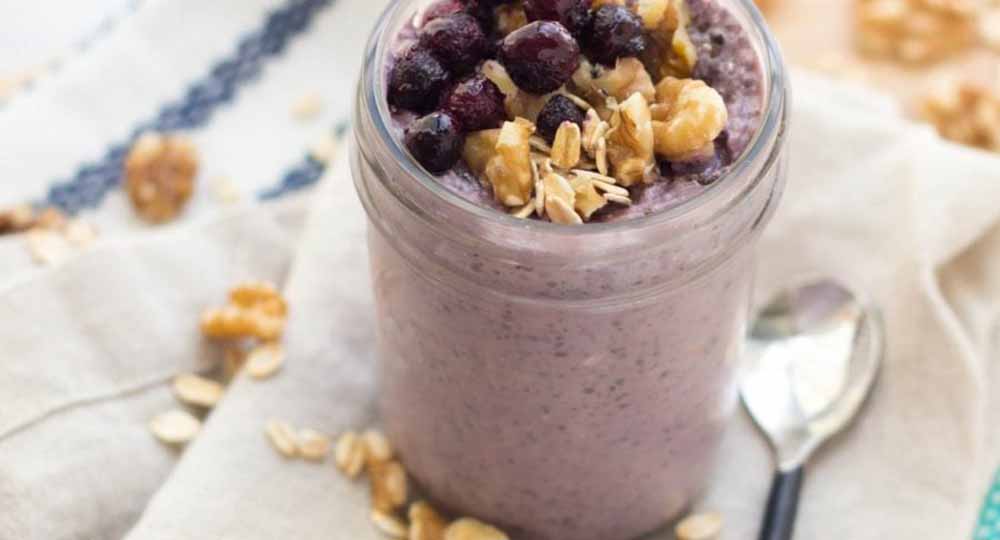
This breakfast takes 5 minutes to prepare the night before. Oats provide fiber for gut health, blueberries supply anthocyanins, and walnuts add plant-based omega-3s.
- Ingredients: ½ cup rolled oats, 1 cup unsweetened almond milk, ½ cup blueberries, ¼ cup walnuts (roughly chopped), 1 tbsp chia seeds, 1 tsp honey (optional).
- Method: Combine oats and almond milk in a jar. Add chia seeds and stir. Refrigerate overnight. Top with blueberries and walnuts in the morning.
Recipe 3: Turmeric Lentil Soup
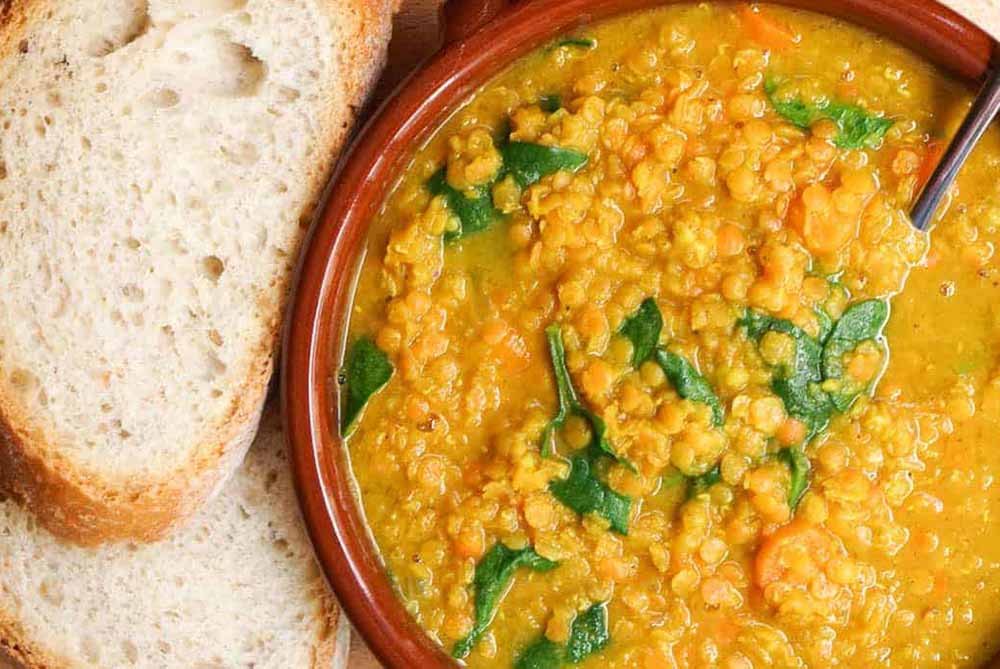
Turmeric contains curcumin, one of the most studied anti-inflammatory compounds in food science. A 2021 meta-analysis in Frontiers in Pharmacology found that curcumin supplementation significantly reduced CRP and interleukin-6 — two primary inflammation markers — across 15 clinical trials. Combining turmeric with black pepper increases curcumin absorption by up to 2,000% (Shoba et al., Planta Medica, 1998).
- Ingredients: 1 cup red lentils, 1 can diced tomatoes, 1 medium onion (diced), 3 garlic cloves, 1 tsp turmeric, ½ tsp black pepper, 1 tsp cumin, 4 cups vegetable broth, 2 tbsp olive oil.
- Method: Sauté onion and garlic in olive oil for 3 minutes. Add spices and stir for 1 minute. Add lentils, tomatoes, and broth. Simmer for 25 minutes until lentils are soft. Blend partially for a thicker texture.
Recipe 4: Mediterranean Quinoa Bowl
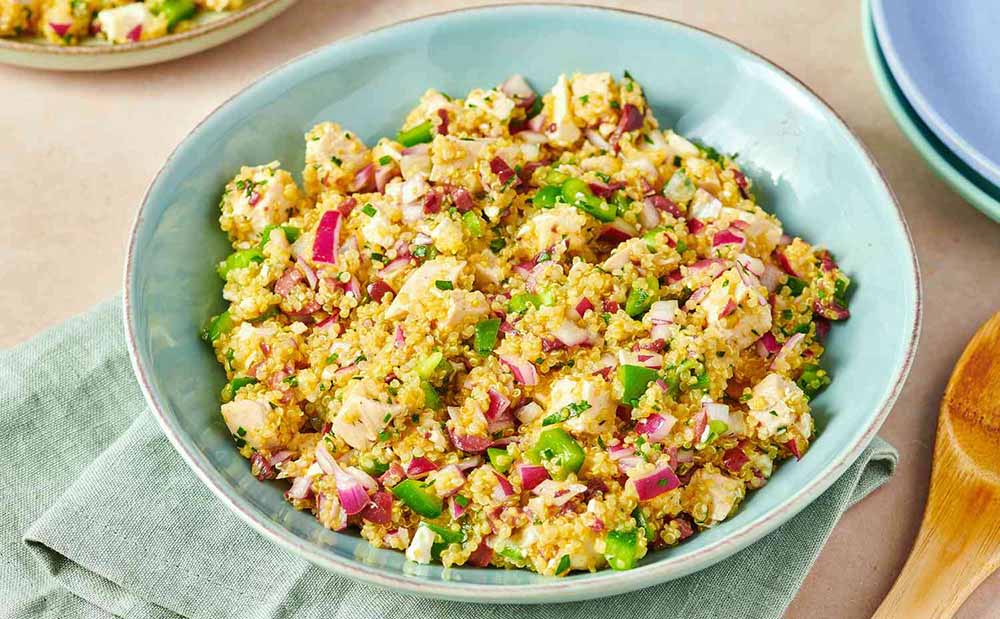
Quinoa is a complete protein and a whole grain — it provides all nine essential amino acids plus the fiber needed to support gut health. This bowl pairs it with cucumber, cherry tomatoes, olives, and a lemon-olive oil dressing for a fully anti-inflammatory lunch.
- Ingredients: 1 cup cooked quinoa, ½ cucumber (diced), ½ cup cherry tomatoes (halved), ¼ cup Kalamata olives, ¼ cup chickpeas, 2 tbsp extra virgin olive oil, juice of half a lemon, fresh parsley.
- Method: Combine all ingredients in a bowl. Drizzle with olive oil and lemon juice. Toss and serve at room temperature or chilled.
Recipe 5: Ginger-Turmeric Stir-Fry With Brown Rice
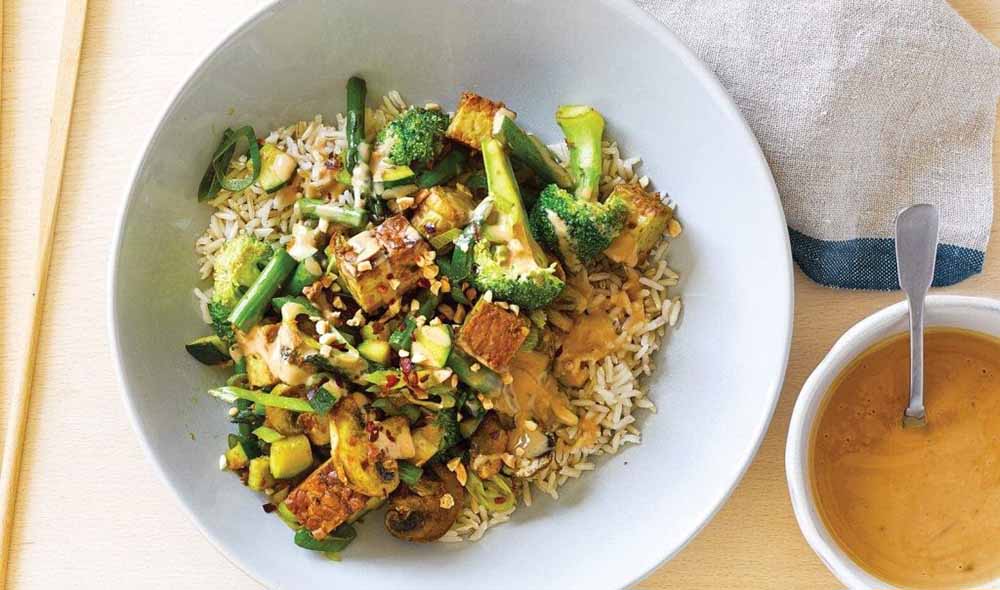
Ginger contains gingerols and shogaols — compounds that block the same inflammatory pathways targeted by non-steroidal anti-inflammatory drugs (NSAIDs), according to a 2015 review in Osteoarthritis and Cartilage. Combined with turmeric and a base of brown rice, this stir-fry is one of the most anti-inflammatory single meals you can cook.
- Ingredients: 1 cup broccoli florets, 1 red bell pepper (sliced), 1 medium carrot (sliced), 1 cup edamame, 1 tbsp fresh ginger (grated), 1 tsp turmeric, 2 tbsp low-sodium soy sauce, 1 tbsp sesame oil, 1 cup cooked brown rice.
- Method: Heat sesame oil in a wok or large pan over medium-high heat. Add ginger and stir for 30 seconds. Add vegetables and stir-fry for 5-7 minutes. Add turmeric and soy sauce, toss to coat. Serve over brown rice.
How to Build an Anti-Inflammatory Meal Plan Without Overhauling Your Diet
Start with three swaps, not a full rebuild. Replacing three to five weekly meals with anti-inflammatory options produces measurable changes in inflammation markers within 4-6 weeks (Harvard Health, 2024).
The most practical starting point is breakfast. Swap a sugary cereal or pastry for overnight oats or a berry smoothie with flaxseed. That one change adds fiber, antioxidants, and omega-3s to your morning without requiring cooking skills or extra time.
From there, build one anti-inflammatory lunch and one dinner into each week. Use the recipes above as a rotation. Within a month, those meals become habit, and the frequency naturally increases.
Frequently Asked Questions About Anti-Inflammatory Diet Recipes
What is an anti-inflammatory diet?
An anti-inflammatory diet is an eating pattern that prioritizes whole foods while reducing processed foods, refined sugar, and trans fats. It focuses particularly on fatty fish, vegetables, fruits, whole grains, and healthy fats. This approach reduces chronic low-grade inflammation, which is linked to heart disease, diabetes, and arthritis.
How long does it take to see results from an anti-inflammatory diet?
Most people see measurable changes in inflammation markers within 4-8 weeks of consistent dietary changes. Blood markers like C-reactive protein (CRP) are the most reliable indicator. Some people report reduced joint pain and improved energy within 2-3 weeks of reducing processed foods.
What are the best anti-inflammatory foods to eat every day?
The highest-impact daily foods are leafy greens, berries, extra virgin olive oil, fatty fish (2x per week), whole grains, and nuts. These provide the widest range of anti-inflammatory compounds in regular portions, including omega-3s, polyphenols, antioxidants, and fiber.
Is the Mediterranean diet the same as an anti-inflammatory diet?
They overlap significantly. The Mediterranean diet is the most research-backed eating pattern for reducing inflammation, and it naturally includes most anti-inflammatory foods. The difference is that “anti-inflammatory diet” is a broader category — it describes the mechanism, while Mediterranean diet describes a specific regional eating pattern.
Can anti-inflammatory recipes help with arthritis?
Yes, research supports this. A 2022 review in Rheumatology International found that people with rheumatoid arthritis who followed Mediterranean or anti-inflammatory eating patterns reported lower joint pain scores and reduced use of pain medication compared to control groups. Omega-3-rich foods and turmeric showed the strongest individual effects.
Do I need to cut out all sugar to reduce inflammation?
No. The goal is reducing added sugar and refined sugar — not eliminating natural sugars found in fruit. Whole fruit contains fiber, which slows glucose absorption and blunts the inflammatory blood sugar spike that refined sugar causes.
Key Takeaways
- Chronic inflammation is a driver of heart disease, diabetes, and arthritis — and food choices are one of the most direct ways to reduce it.
- The five highest-impact anti-inflammatory foods are fatty fish, leafy greens, berries, extra virgin olive oil, and turmeric.
- You do not need to follow a strict meal plan. Replacing 3-5 meals per week with anti-inflammatory options produces real results within 4-8 weeks.
- The five recipes above cover breakfast, lunch, dinner, and soup — enough to build a full weekly rotation without repeating meals.
- Track your progress with a blood test measuring C-reactive protein (CRP) before and after 8 weeks of dietary changes — it is the clearest objective measure available.
Recommended Article
Hormone Balancing Diet: What It Is, How It Works, and Where to Start
Zero Sugar Diet Food List: What to Eat, What to Skip, and How to Start
The Complete Low Cholesterol Diet Plan: A 7-Day Heart-Healthy Meal Plan to Lower LDL Naturally