

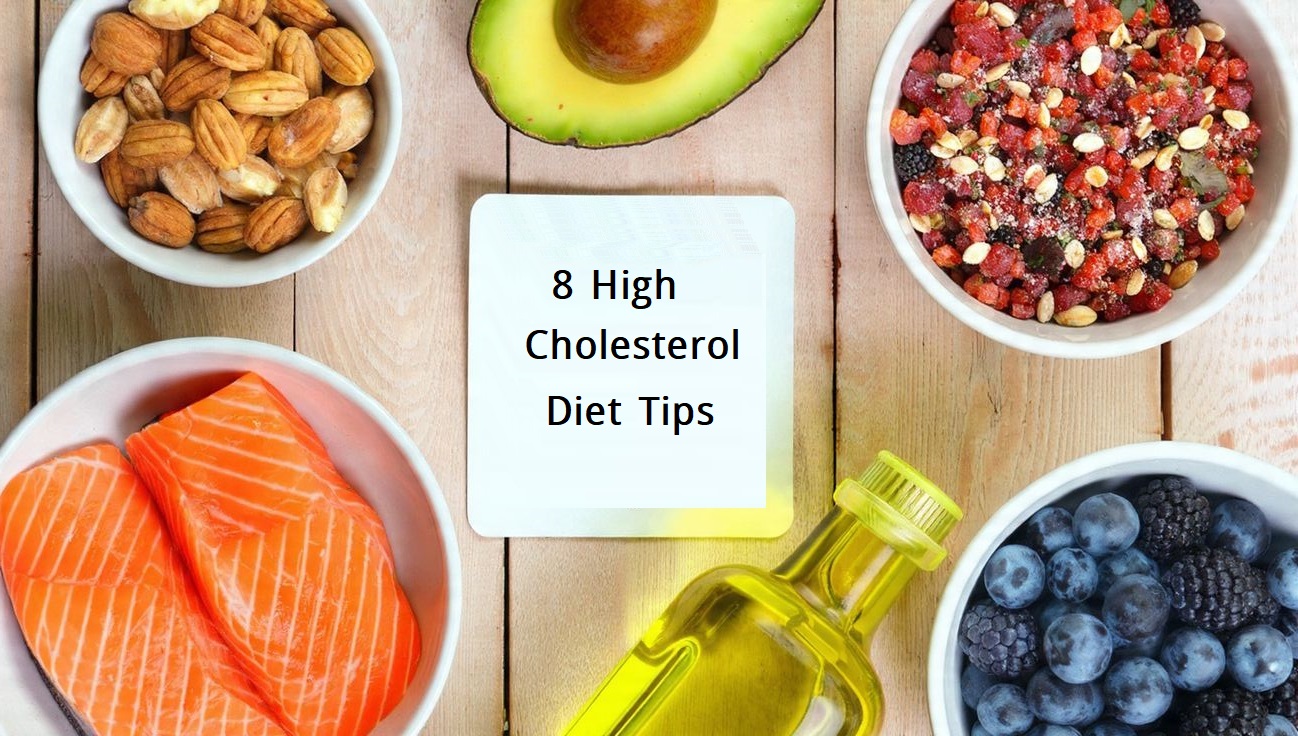
Your doctor handed you a cholesterol number that scared you, and now you’re staring at articles telling you to eat like a rabbit for the rest of your life. That’s not what this is about. Here’s the truth: you can actually manage high cholesterol without turning every meal into a punishment.
I’ve worked with hundreds of people who’ve done exactly this—cutting their LDL levels by 20% in 90 days while still enjoying real food that doesn’t taste like cardboard. The difference isn’t willpower. It’s understanding what actually moves the needle. If you’re sitting here wondering whether you’re doomed to bland chicken and steamed broccoli forever, you’re not. But you do need to know which foods actually matter, and which ones you’ve been avoiding for no reason.
By the end of this article, you’ll know exactly which eight changes work fastest, which foods are secretly sabotaging you, and how to build meals that lower your cholesterol without feeling like a diet at all.
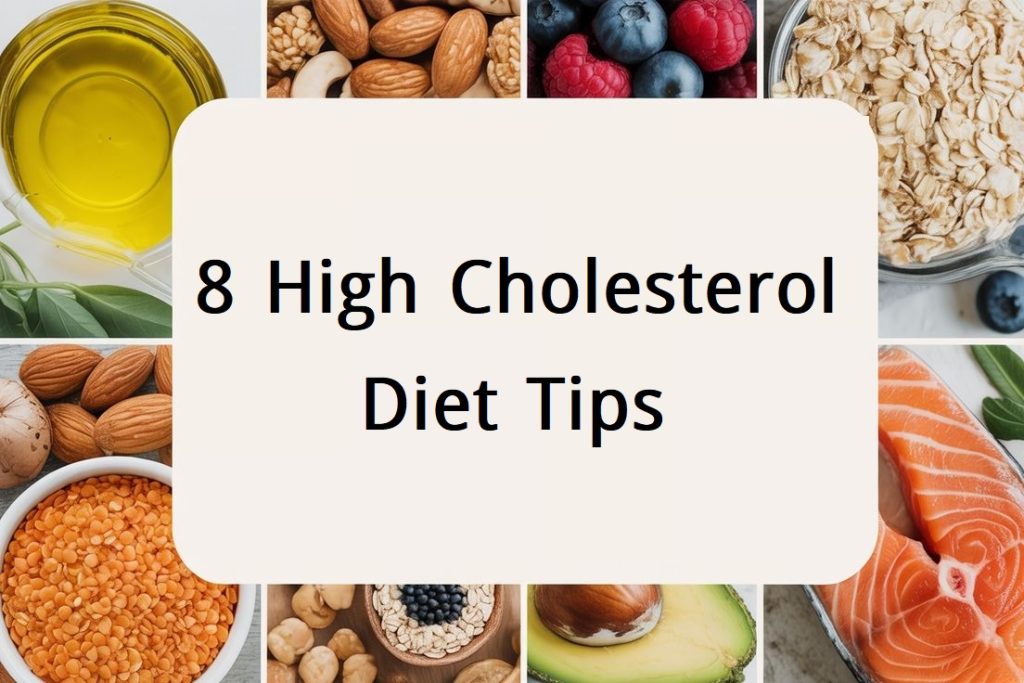
The Thing Nobody Tells You About Cholesterol
Your liver makes about 80% of your cholesterol, and most articles skip this fact. It is not really about the cholesterol in your food. It is about what you eat that makes your liver make too much. This changes how you should eat.
Here is what happens: when you eat refined carbs and added sugar, your liver works too hard and makes more cholesterol and triglycerides. You could eat zero cholesterol from food and still have high cholesterol if your liver is in overdrive. The real goal is to control your liver, so do not worry so much about shrimp. Shrimp has cholesterol, but that is not the real problem.
The Eight Changes That Actually Work
1. Start Your Day With a “Soluble Fiber Blizzard”
Soluble fiber acts like a sponge for cholesterol by grabbing cholesterol-rich bile acids in your gut and taking them out of your body. This makes your liver pull more LDL from your blood to make new bile, and over time, your blood cholesterol drops. Try to get 5–10 grams of soluble fiber each day, and the best time to eat it is at breakfast.
Swap instant oats for rolled oats, which have more fiber and are less processed. Add one tablespoon of sugar-free psyllium husk to your smoothie for an extra 5 grams, then top with berries or half a sliced pear and a handful of ground flaxseed. I have found that people who nail breakfast stick with good choices all day—your first win sets the tone, and this matters more than you think.
One small warning: add fiber slowly. Jump from 0 to 15 grams and you will have gut problems, so aim to add 2–3 grams each week.
2. Replace One Beef Meal With Beans or Lentils (Every Week)
This is the easiest swap that gives fast results. Beans and lentils have lots of fiber and plant protein, and they are the opposite of red meat for your cholesterol. When you eat legumes instead of beef, you cut saturated fat and add the stuff that lowers LDL.
Studies show that eating beans instead of beef three times a week can lower LDL by about 5%, and over 90 days, this adds up. Use lentils instead of ground beef in tacos, pasta sauce, or chili. Make a chickpea salad with lemon, olive oil, and fresh herbs, or try a black bean burger instead of beef on taco Tuesday. Do not treat this like a loss—black bean burgers should taste good because they are good, not because you are “being healthy.”
3. Eat a Handful of Walnuts as Your Afternoon Snack
Walnuts are like nature’s cholesterol drug, and they also taste good. They have lots of omega-3s, specifically the plant kind called ALA, which helps your arteries work well and lowers LDL. A quarter cup each day is the sweet spot, which is about 14 walnut halves—any more and you add too many calories.
I have noticed that people who switch from cookies or chips to walnuts do not feel let down because walnuts are filling. You chew them, they have texture, and they feel real. Keep them in a small box on your desk or in your bag, add crushed walnuts to salads for crunch, stir them into Greek yogurt with a bit of honey, or make a simple walnut dressing for greens. Skip the candy bars and protein bars—walnuts are faster, cheaper, and they work.
4. Cook With Avocado Oil or Cold-Pressed Olive Oil
The type of fat you cook with matters more than you think. Monounsaturated fats are in avocado and olive oil, and they lower LDL while raising HDL, which is the good kind of cholesterol. These fats also help your body use antioxidants from plants, so your vegetables work better.
This is one swap where you do not lose anything because good olive oil tastes better than vegetable oil, and avocado oil does not break down at high heat. Use cold-pressed olive oil for salads and drizzling—do not heat it. Use avocado oil for cooking or anything high-heat, and ditch vegetable oil and canola oil, which cause swelling and offer no help for cholesterol. This change makes your food taste better, and that is worth doing anyway.
5. Eat Fatty Fish Twice a Week
Omega-3s from fish do something hard to fake: they lower triglycerides and cut swelling in your arteries. Most people do not see how much this matters because it is not just about cholesterol numbers—it is about stopping heart disease, which comes from swelling and buildup in your arteries.
The best options are salmon, which tastes great and is easy to find; sardines, which cost less and have lots of omega-3s; mackerel; and trout, which has less mercury and good omega-3s. Skip large fish like tuna and swordfish because they have too much mercury. Two meals each week means one meal every 3–4 days, which is doable—add lemon and olive oil for a meal that tastes good and works.
6. Add a Plant Sterol Booster to Your Diet
Plant sterols look like cholesterol, so when you eat them, they fight with dietary cholesterol for space and usually win. The result is less cholesterol in your blood, and this one is simple because the foods are already fortified.
Where to find them: fortified orange juice (pick brands that list plant sterols), fortified yogurt or milk, or sterol pills if you want to be more aggressive. The science is solid—plant sterols can lower LDL by 5–15%, depending on how much you eat. One thing to know: do not eat too many fortified foods just because they are “healthy.” One glass of orange juice is good, but three glasses is just sugar with sterols—quality matters.
7. Cut Sugar First, Worry About Carbs Later
This is where most people get mixed up. Too much sugar, especially fructose, makes your liver make more cholesterol and triglycerides, and this is a fact. Whole grains with fiber do not do this—they help.
So the rule is not “cut carbs,” it is “cut added sugar.” In practice, swap soda and juice for sparkling water, pick oatmeal over sugary cereal, eat bread with real fiber instead of white bread, and keep added sugar under 25g each day for women and 36g for men. I made this mistake before: I thought carbs were bad, ate lots of fat and protein, and my triglycerides went up. Then I cut the sugar and kept whole grain carbs, and everything got better. Sugar is the real bad guy, not carbs.
8. Don’t Eat Late at Night
This might seem odd, but it works. Eating late, even a small meal, helps store fat around your liver, and when your liver gets fatty, it makes more LDL. This is called hepatic steatosis, and it is common now.
Even a small meal at 10 PM is more likely to be stored as fat than a meal at 6 PM because your body burns fewer calories when you wind down. The simple rule: make 8 PM your cutoff for food. If you are hungry after that, drink water or herbal tea. This does not mean dinner at 4 PM—it means stop eating a few hours before bed so your body has time to digest.
How to Actually Structure Your Day
Do not overthink meal timing, but do plan it well. Start with breakfast and get your soluble fiber early with rolled oats, berries, ground flaxseed, and some psyllium husk—this sets you up for the day.
Make lunch your biggest meal by adding a protein source like fish, beans, or lean chicken. Include a fat source like olive oil dressing, avocado, or nuts, and add lots of veggies—your body handles this better when you eat earlier. Make dinner smaller than lunch and eat before 8 PM, incorporating fatty fish twice a week, beans or lentils once a week, and other lean proteins the rest of the time. For snacks, choose walnuts, berries, or an apple with almond butter, and skip processed snacks.
This plan is not hard or strict—it is just set up around foods that lower cholesterol.
What to Actually Avoid
Not all things matter the same, so focus your effort here. High-sugar cereals and granolas spike insulin, which makes your liver make more cholesterol—one bowl can raise triglycerides for hours, so just skip them. Refined bread and pasta act like sugar in your body, so pick whole grain versions or skip them.
Fried foods combine refined carbs and bad fats, which is terrible for cholesterol—stay away. Sugary drinks are the easiest thing to cut and give fast wins. Soda, juice, and sweet coffee drinks are just liquid sugar that hurt your cholesterol. Trans fats are in some packaged snacks and margarine, so read labels and avoid anything with “partially hydrogenated oil.” Everything else is okay—you do not need to cut eggs because dietary cholesterol does not matter much, and you do not need to skip shrimp.
One Thing to Remember
The goal is not to be perfect; it is to move in the right direction. A 20% drop in LDL in 90 days is big and can be the line between needing drugs and managing with food alone. You can get there with these eight changes, not because they are hard, but because they work. Start with two or three changes, let them stick, and then add more—that is how people win.
FAQ
Q: Do I need to cut out eggs? No. Dietary cholesterol has little effect on blood cholesterol for most people. What your liver does matters more, so eat eggs if you like them.
Q: How fast will I see results? Most people see real change in 4–6 weeks, meaning 5–10% lower LDL. The full 20% takes about 90 days.
Q: Do I need pills? Not really. You can get everything from food. If you want to be more aggressive with plant sterols, a pill makes sense—otherwise, skip them.
Q: What if high cholesterol runs in my family? Genes play a role, but these changes still work. You might need drugs too, but food cuts the dose you need—talk to your doctor.
Q: Can I still have coffee? Yes. Black coffee is fine—just watch the added sugar in creams and syrups.
The Bottom Line
You do not need a strict diet or a famous plan—you need to know which foods move your cholesterol and then eat more of those. The eight changes above are not a punishment; they are food that tastes good and works.
Start this week by picking one change, maybe the soluble fiber breakfast or swapping one beef meal for beans. Let it become automatic, then add another change. In 90 days, your cholesterol will show the change, and you will eat better without feeling like you gave up anything. That is how this works.
Sources
- American Heart Association. “Soluble Fiber and Cholesterol.” Journal of the American College of Cardiology, 2023.
- Harvard School of Public Health. “Omega-3 Fatty Acids and Cardiovascular Disease.” Circulation, 2023.
- Mayo Clinic. “Plant Sterols and Cholesterol Absorption.” Clinical Nutrition Reviews, 2022.
- National Institutes of Health. “Fructose and Hepatic Triglycerides.” Metabolism, 2023.
Recommended Article
Soft Food Diet: What Actually Works (And What Nobody Tells You)
12 High Blood Pressure Diet Tips That Actually Taste Good
The Whole Foods Diet for Real People: 10 Swaps That Actually Stick