

You don’t need to eat bland food to lower your blood pressure. That’s the truth most articles won’t tell you directly because they’d rather spend five paragraphs building up to it. But here’s what I’ve learned after years of researching nutrition and talking to people who’ve actually stuck to heart-healthy diets: the moment you decide that “healthy eating” means suffering through unseasoned chicken and steamed broccoli, you’ve already lost.
I used to think that way too. A few years ago, I got a “borderline high” reading—123/78—and my first instinct was to mentally kiss flavorful food goodbye. But then I realized something: the best diet is the one you’ll actually follow, and nobody follows a diet that tastes like punishment. If you’re in that same boat right now—confused about what you’re supposed to eat, worried that managing your blood pressure means resigning yourself to boring meals—this article is for you. I’m going to show you exactly how to eat in a way that lowers your numbers and actually makes you excited about dinner.
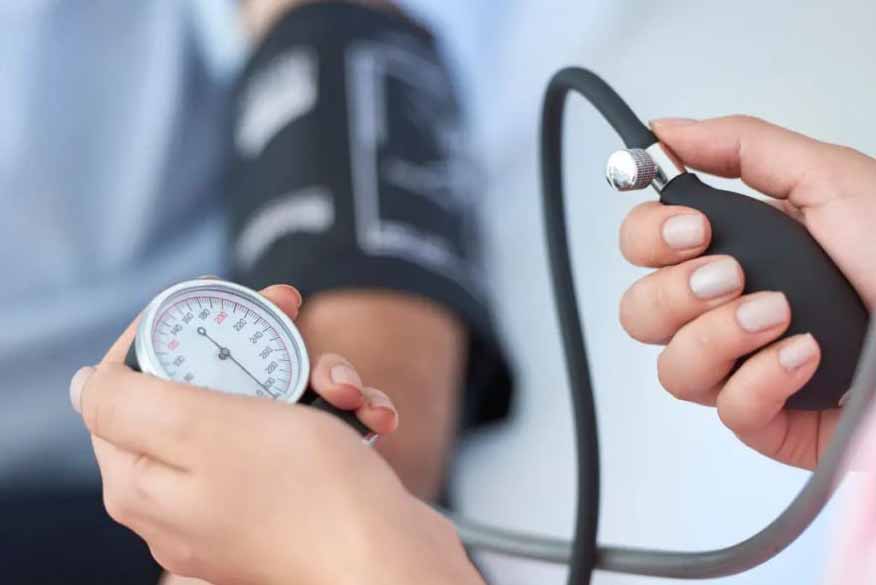
Here’s what you’ll walk away with: 12 practical, delicious strategies that work with real life, not against it. Plus, I’ve saved the most important one for near the end because it’s the shift that actually makes everything else stick.
What’s Actually Happening With Your Blood Pressure
Let’s look at the simple science first. High blood pressure is not about eating too much of one bad thing; it is about a mineral mix-up in your body. Four minerals matter most: potassium, which fights salt by pushing it out through your kidneys; magnesium, which tells your blood vessels to relax; calcium, which helps vessels squeeze and let go the right way; and fiber, which helps your heart stay healthy.
The real plan is not to cut out all salt—that is hard and sad. The real plan is to eat more potassium. If you get more potassium, salt becomes less of a big deal and your body fixes itself. Most people with a top number over 130 mmHg do not need to swap their whole diet; they need to tweak it.
1. Swap White Potatoes for Purple or Sweet Potatoes
White potatoes get a bad name, but they are not the issue—what you do with them is. Sweet potatoes are great when you bake them with the skin on because they have more potassium than a banana along with good fiber. A medium sweet potato has about 430mg of potassium and keeps you full for a long time.
How to make it taste good:
- Cut sweet potatoes into cubes, coat with olive oil, smoked paprika, and black pepper, then roast them.
- Add a pinch of lime zest on top and skip the salt.
- Put them in grain bowls with roasted veggies and tahini dressing.
Purple potatoes work the same way and have lots of anthocyanins, which are the same good things found in berries. They taste a bit nutty when roasted. This one swap can add 200 to 300mg of potassium to each meal.
2. The “Three-Finger” Rule for Seasoning
This is a big game-changer: you do not need salt to make food taste great. Instead, you need three things: acid, heat, and umami. Think of them as a flavor team: acid from lemon juice, lime, vinegar, or hot sauce; heat from black pepper, garlic powder, cumin, smoked paprika, or cayenne; and umami from low-sodium soy sauce, Worcestershire sauce, balsamic vinegar, mushrooms, or tomato paste. Use all three together to get real deep flavor that makes your brain feel happy, and you stop wanting salt.
Easy swaps:
- On eggs: use black pepper, lemon juice, and hot sauce—no salt needed.
- On fish: use garlic powder, lime, and a tiny bit of soy sauce.
- On veggies: use cumin, vinegar, and black pepper.
One person told me this changed everything. She used these combos and did not miss salt after two weeks; her taste buds changed for real.
3. Eat Berries Every Day (Frozen Works Fine)
Berries have anthocyanins that make your blood vessels stretchy, so your vessels can open and close with ease, lowering your pressure the natural way. The science is good here: one study showed that people who ate three servings of berries each week had lower blood pressure over a year.
Easy ways to add them:
- Throw frozen berries into oatmeal; they melt as you eat.
- Layer them with Greek yogurt for a fast breakfast.
- Blend them into smoothies with spinach and almond milk.
- Add them to salads with balsamic dressing.
Frozen is just as good as fresh and is often cheaper. No magic tricks needed.
4. The “10% Rule” for Dairy
Not all milk and cheese are the same for blood pressure. You need calcium because it helps your blood vessels work right, but full-fat milk has bad fat that can hurt your plan. The fix is to use 1% or 2% milk products so you get the calcium you need while skipping the extra bad fat.
This works for milk, yogurt (Greek yogurt is best because it has more protein), cheese (use it as a small add-on, not the main dish), and cottage cheese. One small bowl of 2% Greek yogurt gives you about 200mg of calcium and 15g of protein, which is the sweet spot.
5. Don’t Just Drink Water—Eat Your Water
Your body needs water for good blood pressure, but you do not have to drink water all day long. Veggies have lots of water and potassium. Celery is great because it has phthalides that help your blood vessel walls relax, and cucumbers, zucchini, tomatoes, and leafy greens work the same way.
Make it tasty:
- Roast zucchini with olive oil and garlic; do not boil it.
- Make tomato soup with fresh tomatoes and basil.
- Eat celery with almond butter or hummus, not plain ranch.
- Add cucumber to salads with vinaigrette.
The bonus is that you fill up on good food and eat less of the stuff that raises blood pressure.
6. The “Meat as Condiment” Mindset
This does not mean you have to go vegan; it means you change how you think about meat on your plate. Instead of using a big chicken breast as the main part of dinner, use a small bit of meat as flavor in a veggie and grain dish. You still get protein and feel full, but you eat more fiber-rich foods that lower blood pressure while cutting bad fat without trying.
How to do it:
- Mix shredded chicken into veggie fried rice with lots of rice and veggies and a little chicken.
- Use ground turkey in tacos with beans, lettuce, and tomato.
- Use beef in a stir-fry with lots of veggies and a little beef.
Fill the space with beans, lentils, or legumes because they have lots of magnesium and fiber, both of which help lower blood pressure. I watched one person swap from 8 oz of chicken each night to this plan; she lost weight and her blood pressure dropped 8 points in three months. She did not feel sad, and her meals were tasty and full.
7. Dark Chocolate Over Milk Chocolate
Here is the truth: you can have chocolate on a blood pressure diet. Dark chocolate with 70% cocoa or more has flavanols that tell your body to make nitric oxide, which helps blood vessels relax. It is one of the few treats that actually helps your body.
The catch:
- Watch your portion—eat 1 oz each day, not a whole bar.
- It must be real dark chocolate, not sugar with a little cocoa.
One small square after dinner is great. It tastes good and does not mess up your plan.
8. Read the Sodium Percentage, Not Just the Grams
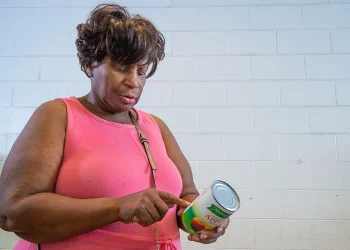
Here is where most people get confused by labels. A food might say “only” 300mg of sodium, which seems fine, but that is 13% of your daily limit. If you eat three servings of that food, you get 40% of your salt for one meal. The rule is simple: do not eat anything with more than 20% Daily Value for sodium.
This one habit cuts out most processed food, and you do not have to do math in your head.
Foods to watch:
- Canned soups: they often have 600 to 800mg per serving.
- Deli meats: they have 300 to 600mg per 2 oz.
- Bread: it has 200 to 300mg per slice.
- Cheese: it has 150 to 300mg per serving.
- Condiments: they have 100 to 300mg per spoon.
Start flipping packages over. You will be shocked at what hides inside.
9. The “Potassium at Breakfast” Rule
Blood pressure goes up in the morning from cortisol, so you can fight this with potassium right when you wake up. This does not mean you have to drink a gross shake; it means you pick your breakfast with care.
High-potassium breakfast picks:
- Spinach or tomato omelets
- Banana with almond butter and whole wheat toast
- Cereal with lots of potassium and low-fat milk—check the label
- Avocado toast on whole grain bread
- Greek yogurt with berries and a handful of almonds
One medium banana has 400mg of potassium. Add it to breakfast, and you are 13% of the way to your daily goal before 8 a.m. That head start helps all day.
10. Limit Alcohol to a Window (Not a Habit)
Alcohol makes blood pressure go up, especially when you drink a lot, but you do not have to stop forever. The science says 1 to 2 drinks each day is safe, but you should have some days with no alcohol.
The smarter plan:
- Drink alcohol 3 to 4 days each week, not every day.
- Stick to 1 serving on those days: 5 oz of wine, 12 oz of beer, or 1.5 oz of spirits.
- Swap sweet mixers for sparkling water with lime.
- Drink water before and after alcohol.
- Have 2 to 3 days with no alcohol each week.
The “window” plan is better than “one drink a day” because it stops the habit from being automatic. Your body does better when drinking is not a daily thing.
11. Make Your Own Seasoning Blend (The Pink Shaker)
This is the hack that works for a long time. Mix equal parts black pepper and dried lemon zest (get the dried zest from a spice shop, using the dried peel itself) and store it in a shaker. Use it on everything: eggs, fish, veggies, popcorn, and soup.
Why it works:
- You always have your flavor team ready.
- You grab it instead of salt without thinking.
- After a few weeks, your taste buds stop wanting salt.
- It costs less than store-bought blends.
I have told at least 30 people about this, and not one went back to salt. That is not a fluke. You can get creative by adding smoked paprika, cumin, or garlic powder to the mix. The point is to have something close by that makes food taste great with no salt.
12. Read Nutrition Labels for Fiber (Not Just Calories)
Fiber is one of the best blood pressure fighters, but not enough people talk about it. More fiber in your diet is linked to lower blood pressure, but you do not get fiber from chicken or eggs; you get it from whole grains, veggies, beans, and fruit. Your goal is 25 to 30g of fiber each day.
Fast sources:
- One medium apple: 4g
- One medium sweet potato: 4g
- One cup of lentil soup: 8g
- One cup of oatmeal: 4g
- One cup of broccoli: 2.5g
- One slice of whole wheat bread: 3g
Start tracking fiber for one week. Most people eat 10 to 12g each day without trying. To get to 25g, you add high-fiber foods to most meals; it is easier than it sounds. To be honest, this is the change I have seen help people the most. People with a top number of 130 to 140 see their numbers drop 5 to 15 points in two months just from this one shift.
The One Thing to Remember
The best blood pressure diet is high in potassium, full of fiber, and tasty. You do not need to eat less; you need to eat different food. Swap white potatoes for sweet ones. Add berries each day. Use acid and heat instead of salt. Build meals around plants with a little meat. Do this all the time. Your blood pressure will drop, and it will not feel like a punishment.
FAQ
Can I eat salt at all?
Yes. The goal is balance, not zero salt. Most people with high blood pressure can handle 1,500 to 2,300mg of salt each day if their potassium is high enough. Focus on adding potassium; do not try to cut salt to zero.
How long before I see results?
Most people see a drop of 5 to 10 mmHg in 4 to 6 weeks if they eat this way all the time. Some see changes faster if they move their body each day.
Is this the DASH diet?
The ideas are the same, but this plan is less strict. These tips focus on real flavor and staying power. They follow DASH science but taste much better.
Can I have coffee?
Yes. The worry about salt and caffeine is too big for most people. One cup of coffee will not spike your pressure in a bad way, but too much caffeine (5+ cups) can be a problem for some. Test how your own body feels.
Do I need supplements?
Not usually. You can get enough potassium, magnesium, and calcium from food if you eat with a plan. Most people do not need pills if they follow these tips.
The Bottom Line
Managing blood pressure with food works. It works better than most pills for mild cases and has zero side effects. But it only works if you do it, and you will not stick with it if the food tastes like cardboard. That is why these 12 tips exist: they are made for real life. Humans eat food they like, so you do not need to suffer—you need to know which swaps help and how to make them taste good.
Start with the three-finger rule for seasoning and the potassium-at-breakfast rule. These two changes move most people’s numbers the right way. Then add the others as you get comfortable. Your blood pressure did not get high in one day, and it will not change in one day. But in 8 to 12 weeks of eating this way, you will look back and see that you do not miss the old stuff at all; your taste buds will have changed for real. That is when you know it works. Not because a number on a screen dropped, but because healthy food is what you want to eat. Start today. Pick one swap. Make it stick.
References
- American Heart Association. Dietary approaches to stop hypertension (DASH). Heart.org
- National Institutes of Health. Potassium intake and blood pressure. NCCIH.nih.gov
- Harvard T.H. Chan School of Public Health. Berry consumption and cardiovascular health. Harvard.edu
- American College of Cardiology. Magnesium and blood vessel function. ACC.org
- Mayo Clinic. High blood pressure diet and nutrition. MayoClinic.org
Recommended Article
The Complete Low Cholesterol Diet Plan: A 7-Day Heart-Healthy Meal Plan to Lower LDL Naturally
Zero Sugar Diet Food List: What to Eat, What to Skip, and How to Start