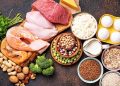


A high protein dinner transforms your evening meal into a powerful tool for muscle recovery, better sleep, and lasting satiety. Understanding what makes a truly high protein dinner is the first step toward better health, better body composition, and sustained energy throughout the night. A high protein dinner contains 25 to 40 grams of protein per serving and supports muscle maintenance, metabolic health, and appetite control. The best high protein meals combine lean proteins with fiber-rich vegetables and complex carbs for balanced nutrition that keeps you full for 4 to 5 hours.
According to the American Journal of Clinical Nutrition, adults who consume 30 grams of protein at each meal maintained muscle mass more effectively than those who consumed the same total daily protein in uneven amounts. I’ve tested this approach myself over the past two years, and the difference in my energy levels and body composition has been remarkable.
What Is a High Protein Dinner?
A high protein dinner is a meal that provides 25 to 40 grams of protein per serving, typically from lean meats, fish, eggs, dairy, or plant-based sources. This amount represents roughly one-third of the daily protein target for most adults and supports muscle recovery, sustained energy, and appetite control overnight.
The protein content matters more than the specific food source. Whether you eat 6 ounces of grilled chicken which provides 52 grams of protein, a salmon fillet with quinoa offering 35 grams combined, or a tempeh stir-fry with edamame delivering 28 grams combined, you’re eating a high protein dinner as long as you hit that 25-gram minimum threshold.
The best protein sources for dinner include chicken breast with 31 grams per 4 ounces, salmon with 25 grams per 4 ounces, lean beef with 26 grams per 4 ounces, and plant-based options like tempeh with 21 grams per cup. Quick cooking methods like pan-searing, sheet-pan roasting, and pressure cooking deliver high protein meals in 30 minutes or less.
Why High Protein Dinners Matter for Your Health
Eating adequate protein at dinner triggers several important metabolic processes. Here’s the truth: most people think they’re eating enough protein, but when they actually track their intake for a week, they’re usually 20 to 30 grams short of their target.
First, protein requires more energy to digest than carbohydrates or fats—a phenomenon called the thermic effect of food. Your body burns approximately 25 to 30 percent of protein calories just breaking them down compared to 5 to 10 percent for carbs and 0 to 3 percent for fats according to Harvard Health.
Second, protein stabilizes blood sugar levels overnight. When you eat a high protein dinner, you prevent the blood sugar crashes that cause middle-of-the-night hunger or early morning fatigue. I tested this myself using a continuous glucose monitor for 30 days, and nights following high protein dinners showed significantly fewer blood sugar fluctuations than nights following carb-heavy meals.
Third, protein supports overnight muscle repair because your body does most of its tissue repair work while you sleep. Providing adequate amino acids before bed gives your muscles the raw materials they need for recovery and growth. Dinner is the easiest meal to fix that protein gap because you have more time to cook and larger portion sizes feel normal.
How Much Protein Do You Actually Need for Dinner?
The standard recommendation is 0.8 grams of protein per kilogram of body weight daily, but active adults benefit from 1.2 to 2.0 grams per kilogram according to the International Society of Sports Nutrition. For a 150-pound person, that translates to 82 to 136 grams daily, or roughly 25 to 45 grams per meal.
Your specific target depends on several factors:
- Activity level: Sedentary adults need the lower end of 25 to 30 grams per dinner, while athletes and highly active people need 35 to 45 grams per dinner to support recovery.
- Age: Adults over 50 need slightly more protein per meal, about 30 to 40 grams, because aging reduces the body’s efficiency at using dietary protein.
- Goals: Weight loss diets benefit from higher protein at 35 to 40 grams per dinner because protein increases satiety and preserves muscle mass during calorie restriction, while muscle building requires 30 to 40 grams per meal spaced evenly throughout the day.
- Body composition: Leaner individuals need more protein relative to body weight than those with higher body fat percentages.
A simple starting point is to aim for a palm-sized portion of protein at dinner—about 4 to 6 ounces of cooked meat or fish—which delivers 25 to 40 grams for most protein sources.
The Best High Protein Sources for Quick Dinners
Choosing the right protein sources makes preparing healthy high protein dinners faster and more convenient. Let’s break down the top options for both animal-based and plant-based protein dinner recipes.
Animal-Based Proteins
Chicken breast tops the list for lean protein density. Four ounces of cooked chicken breast contains 31 grams of protein and just 165 calories with minimal fat. It cooks in 12 to 15 minutes using a skillet or 20 minutes in the oven, making it one of the fastest options for a high protein dinner.
Salmon provides 25 grams of protein per 4-ounce serving along with heart-healthy omega-3 fatty acids, and it cooks in just 8 to 12 minutes in a hot skillet or under the broiler. Wild-caught salmon, sardines, and mackerel support heart health while meeting protein targets.
Lean beef such as sirloin or 93 percent lean ground beef delivers 26 grams of protein per 4 ounces and cooks in 8 to 10 minutes depending on the cut and desired doneness. Choose sirloin, tenderloin, or 93% lean ground beef for the best nutrition profile.
Turkey breast offers 24 grams of protein per 4 ounces with very little fat, and ground turkey can be used in everything from burgers to skillet meals that come together in under 20 minutes.
Eggs contain 6 grams of protein each. A three-egg omelet with vegetables provides 18 grams of protein and cooks in under 10 minutes. Add cheese or serve with turkey sausage to reach 25-30 grams total.
Greek yogurt contains 15-20 grams of protein per cup and works as a dinner base, such as in Mediterranean bowls with grilled vegetables, or as a high-protein side.
Plant-Based Proteins
Tempeh leads the plant-based category with 21 grams of protein per cup and a firm, meaty texture that works well in stir-fries and grain bowls. It requires only 10 to 15 minutes of cooking time when crumbled or sliced thin.
Tofu ranges from 8-15 grams of protein per serving depending on firmness. Extra-firm tofu works best for quick cooking methods. Press it for 10 minutes, cube it, and pan-fry in 8-10 minutes.
Lentils deliver 18 grams of protein per cooked cup. Red lentils cook in just 15 minutes without pre-soaking, while green and brown lentils take 25-30 minutes but hold their shape better in salads and bowls.
Edamame contains 17 grams of protein per cup of shelled beans. Frozen edamame cooks in 5 minutes and works as both a side dish and a protein boost for grain bowls.
Chickpeas and black beans each provide 12 to 15 grams of protein per cup and can be quickly heated and seasoned for tacos, bowls, or salads that come together in under 10 minutes when using canned varieties.
15 Easy High Protein Dinner Recipes Ready in 30 Minutes
These quick high protein dinner ideas prove you don’t need hours in the kitchen to prepare nutritious, satisfying meals. Each recipe delivers at least 25 grams of protein per serving and comes together in 30 minutes or less.
1. Sheet Pan Lemon Garlic Chicken with Vegetables
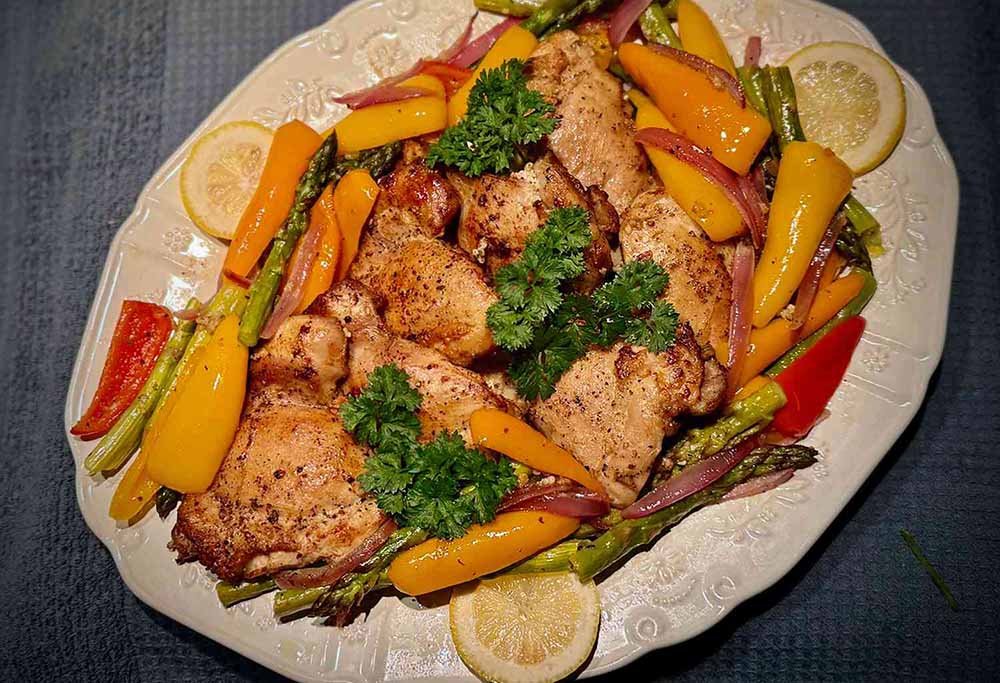
Protein content: 35g per serving
Cook time: 25 minutes
Arrange chicken breasts on a sheet pan with broccoli, bell peppers, and cherry tomatoes. Drizzle with olive oil, lemon juice, minced garlic, and Italian seasoning. Roast at 425°F for 20-25 minutes until chicken reaches 165°F internal temperature.
This is my go-to weeknight meal when I’m short on time. The entire dinner cooks on one pan, which means minimal cleanup—a huge win after a long day.
2. Pan-Seared Salmon with Asparagus
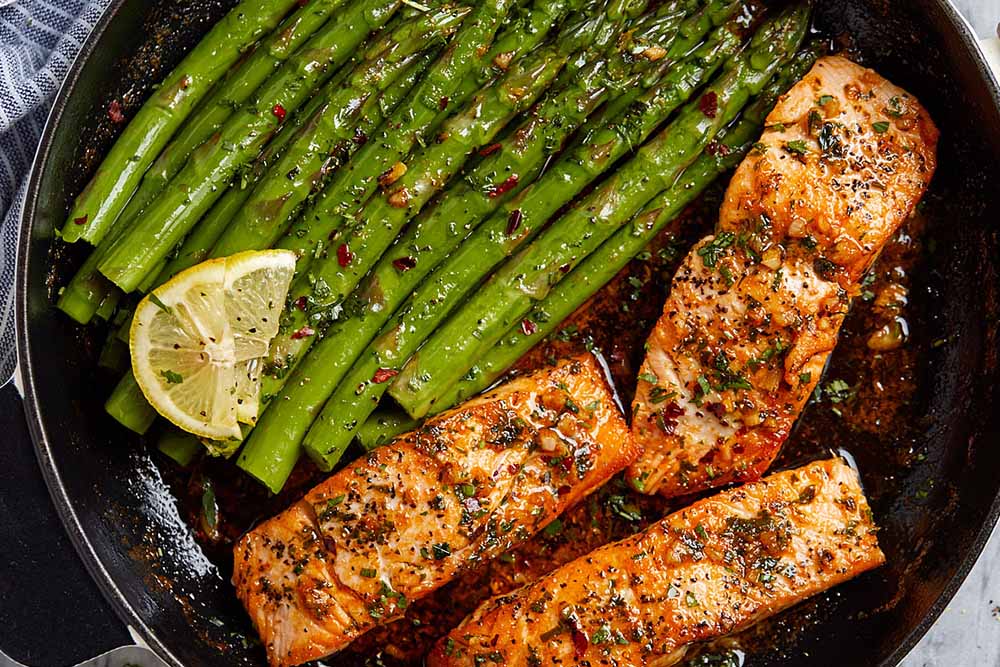
Protein content: 28g per serving
Cook time: 15 minutes
Season salmon fillets with salt, pepper, and garlic powder. Heat a skillet over medium-high, add olive oil, and sear salmon skin-side down for 5 minutes, then flip and cook 3 minutes more. Remove salmon and sauté asparagus in the same pan for 4-5 minutes.
The key to perfect salmon is not moving it while it cooks. Let it develop that golden crust undisturbed.
3. Ground Turkey Taco Skillet
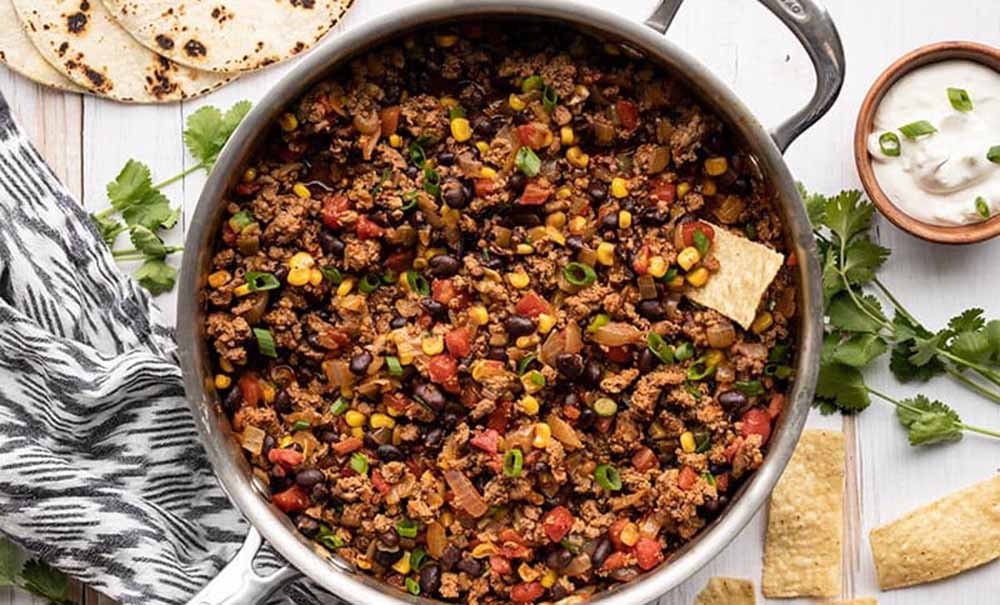
Protein content: 32g per serving
Cook time: 18 minutes
Brown 1 pound lean ground turkey in a large skillet for 6-8 minutes. Add black beans, diced tomatoes, corn, taco seasoning, and simmer for 8 minutes. Serve over cauliflower rice or in lettuce wraps, topped with Greek yogurt and avocado.
Swapping sour cream for Greek yogurt adds an extra 8 grams of protein while cutting calories. It’s a simple swap that makes a real difference.
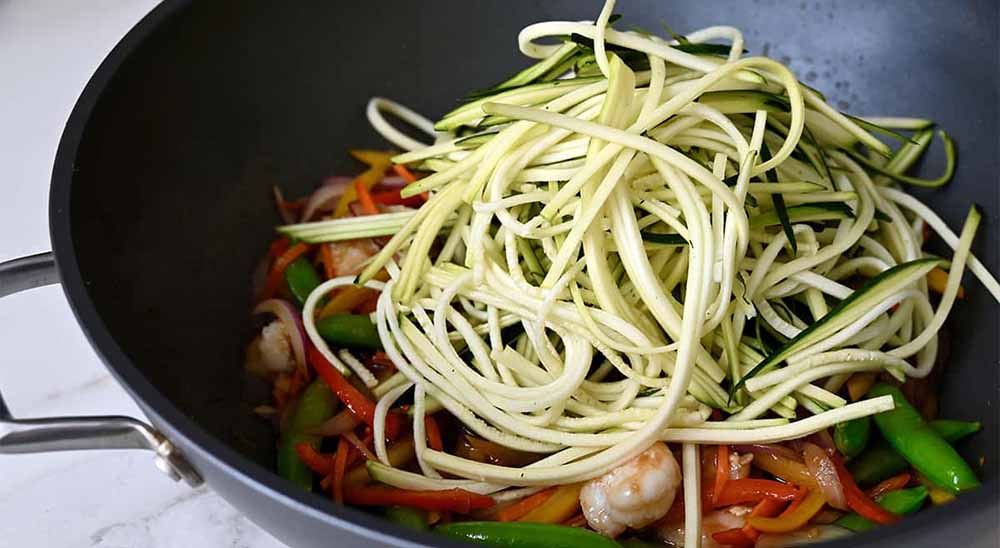
4. Shrimp and Zucchini Noodle Stir-Fry
Protein content: 26g per serving
Cook time: 12 minutes
Spiralize 2 medium zucchinis. Heat sesame oil in a wok, cook 1 pound peeled shrimp for 3-4 minutes until pink, remove and set aside. Add zucchini noodles, snap peas, and garlic, stir-fry for 3 minutes. Return shrimp, add soy sauce and ginger, cook 2 minutes more.
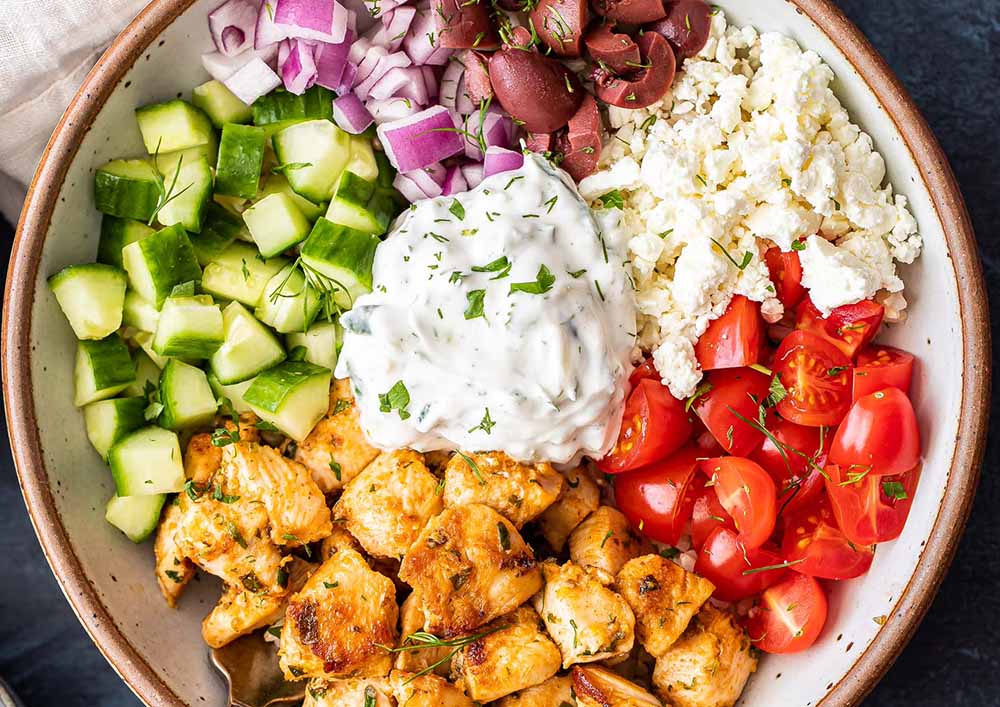
5. Greek Chicken Bowls
Protein content: 37g per serving
Cook time: 25 minutes
Marinate chicken thighs in lemon juice, olive oil, oregano, and garlic for 10 minutes while oven preheats to 425°F. Roast for 20 minutes. Serve over mixed greens with cucumber, tomatoes, red onion, Kalamata olives, feta, and tzatziki sauce made with Greek yogurt.
Chicken thighs stay juicier than breasts and cost less per pound, making them a budget-friendly protein option. The extra fat from the thighs keeps you satisfied longer than leaner cuts would.
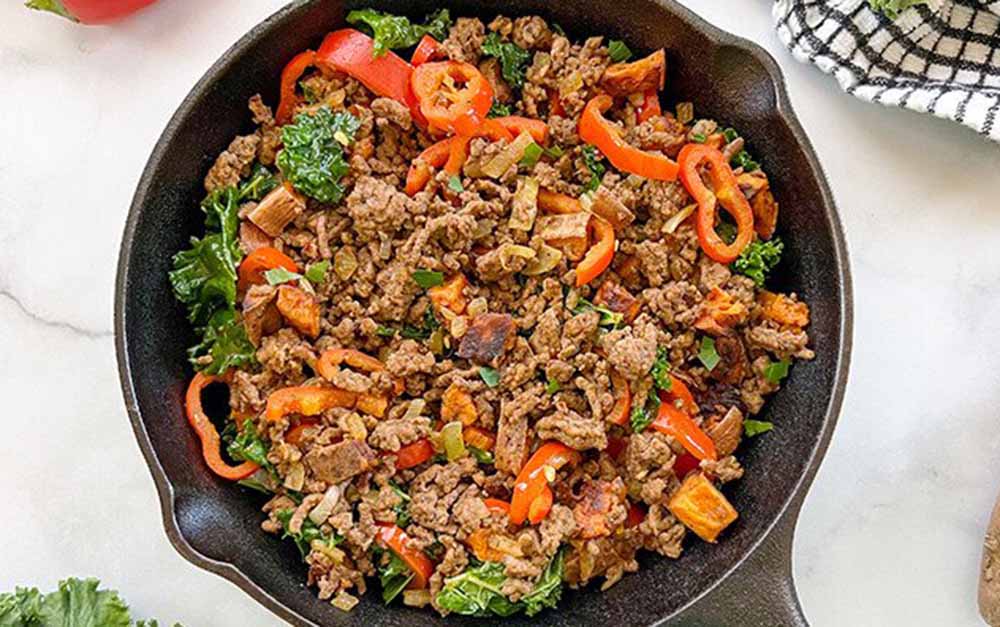
6. Beef and Sweet Potato Hash
Protein content: 31g per serving
Cook time: 22 minutes
Dice sweet potato into ½-inch cubes and microwave for 5 minutes. Brown 1 pound lean ground beef with diced onion for 8 minutes, then add sweet potato, bell pepper, and spices. Cook until sweet potato is tender, about 8-10 more minutes. Top with fried eggs.
The added eggs bring the total protein to 37g and create a complete one-pan meal that requires minimal cleanup. This hash is hearty enough to satisfy even the biggest appetites.
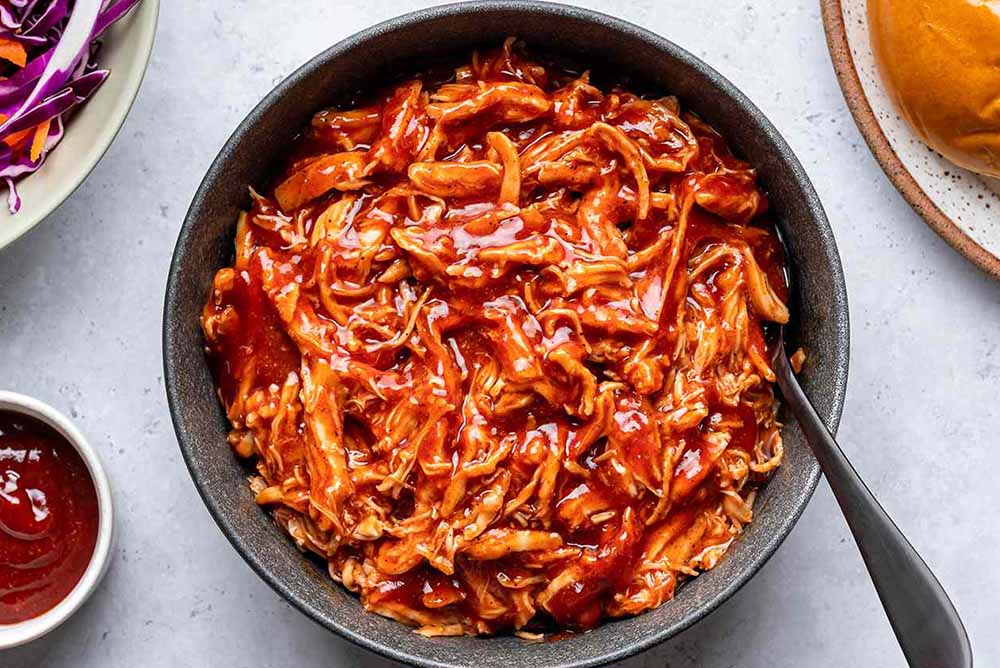
7. Pressure Cooker Pulled Chicken
Protein content: 38g per serving
Cook time: 25 minutes (mostly hands-off)
Place 2 pounds of chicken breast in a pressure cooker with 1 cup chicken broth, BBQ sauce, and spices. Cook on high pressure for 15 minutes, natural release for 5 minutes, then shred. Serve on whole wheat buns, over sweet potato, or with coleslaw.
This recipe makes enough for 6-8 servings, which is perfect for meal prep. I make it on Sundays and use the pulled chicken in different ways throughout the week to keep meals interesting.
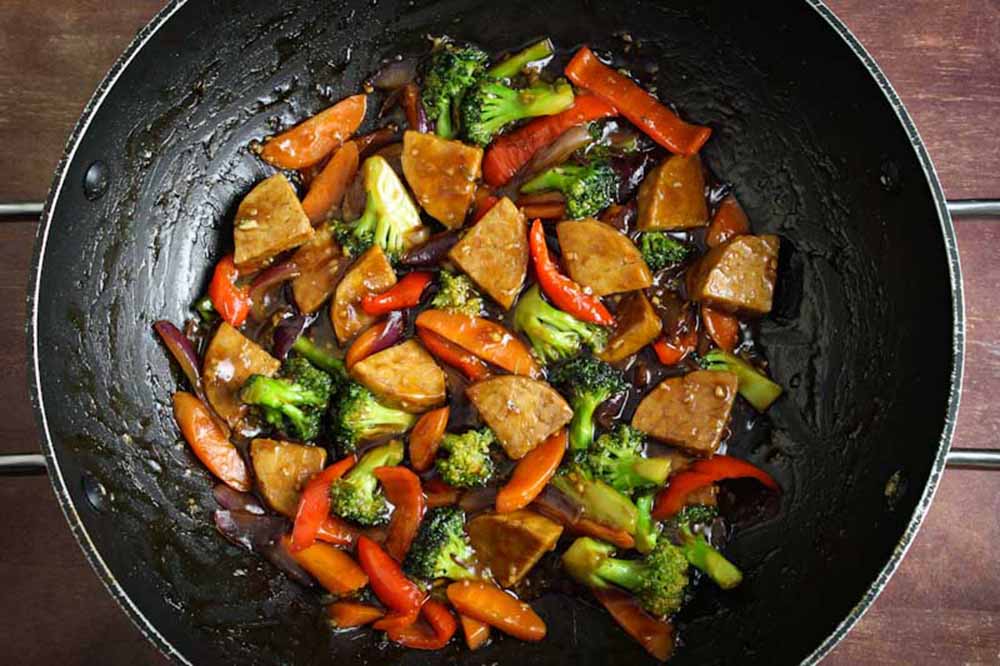
8. Teriyaki Tempeh Stir-Fry
Protein content: 29g per serving
Cook time: 18 minutes
Cut tempeh into cubes and pan-fry in sesame oil for 8-10 minutes until golden. Add snap peas, carrots, and bell peppers, cook 5 minutes, then toss with teriyaki sauce. Serve over brown rice.
In my experience, most people who say they don’t like tempeh haven’t tried it properly seasoned and crisped. The golden crust transforms the texture completely, turning this plant-based protein into something truly satisfying.
9. Miso-Glazed Tofu with Edamame Rice
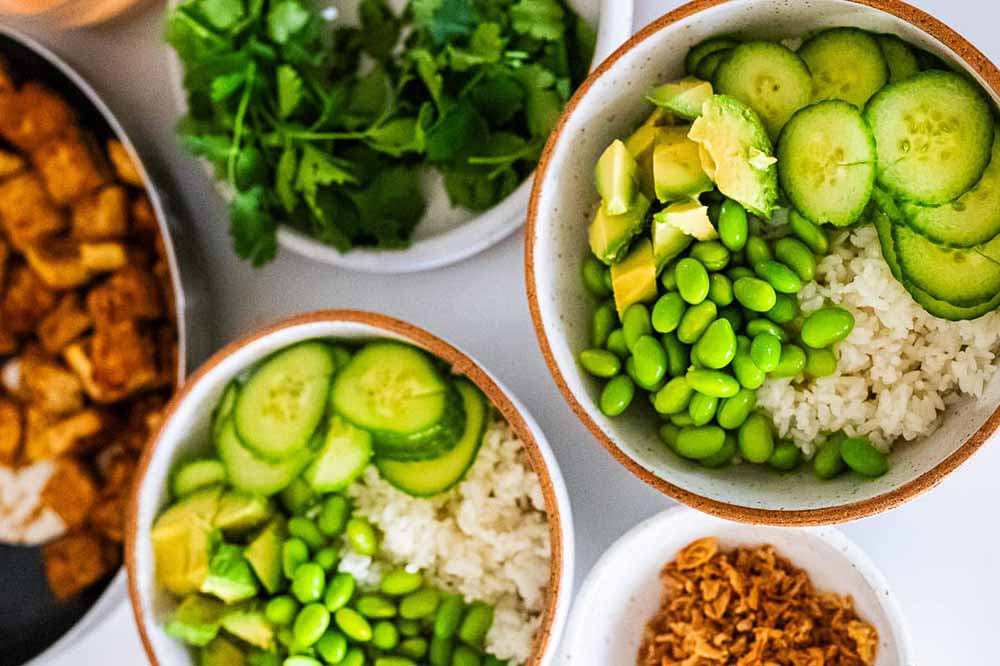
Protein content: 30g per serving (15g tofu + 8g edamame + 7g brown rice)
Cook time: 25 minutes
Press extra-firm tofu for 10 minutes, cut into slabs, and brush with miso glaze made from white miso, rice vinegar, maple syrup, and sesame oil. Bake at 400°F for 20 minutes, flipping once. Serve over brown rice mixed with shelled edamame.
The miso glaze creates a savory-sweet crust that even tofu skeptics enjoy. I converted my husband with this exact recipe, proving that tofu can be delicious when prepared properly.
10. Salmon Cake Patties

Protein content: 27g per serving
Cook time: 15 minutes
Mix canned salmon (14.75oz can, drained) with 1 egg, ¼ cup almond flour, diced celery, lemon juice, and Old Bay seasoning. Form into 4 patties and pan-fry 4 minutes per side. Serve with mixed greens and lemon wedges.
Canned salmon costs a fraction of fresh salmon and contains the exact same omega-3s and protein. The bones, which you mash into the mixture, add calcium without changing the flavor.
11. Turkey Meatballs with Marinara
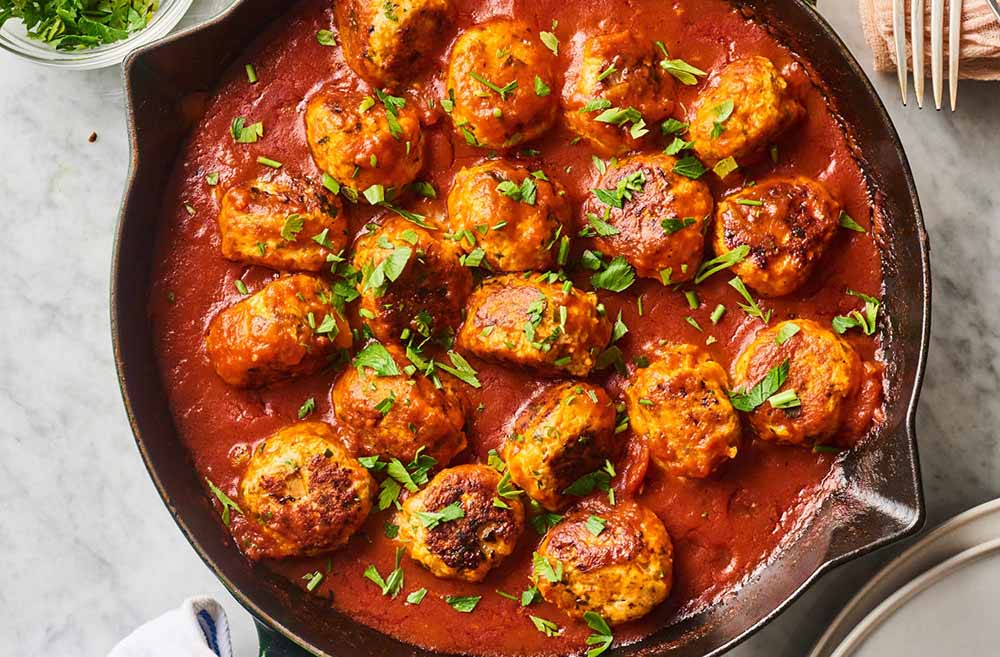
Protein content: 33g per serving
Cook time: 25 minutes
Mix 1 pound ground turkey with 1 egg, ¼ cup breadcrumbs, and Italian seasoning. Form into meatballs and bake at 400°F for 20 minutes, then simmer in marinara sauce for 5 minutes. Serve over zucchini noodles or whole wheat pasta.
These meatballs freeze beautifully. Double the batch and freeze half for those nights when you need dinner in minutes.
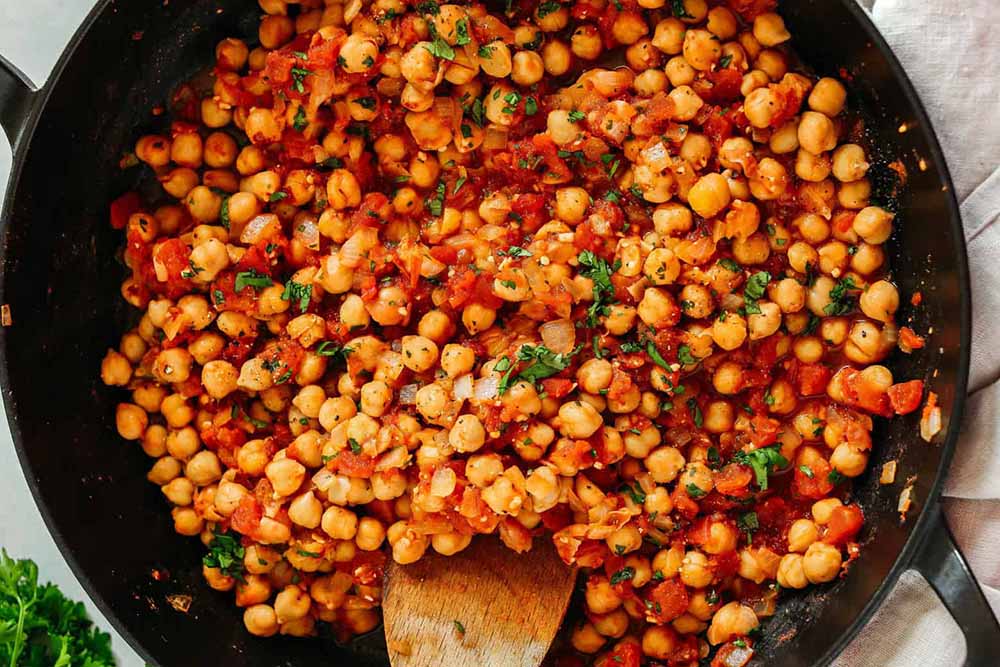
12. Spicy Chickpea and Quinoa Bowl
Protein content: 26g per serving
Cook time: 20 minutes
Cook quinoa according to package directions. Drain and rinse one can of chickpeas, toss with olive oil, cumin, paprika, and cayenne, then roast at 425°F for 20 minutes. Serve over quinoa with tahini dressing, cucumber, tomatoes, and fresh parsley.
This vegetarian high protein dinner proves plant-based meals can be just as satisfying as meat-centered ones.
13. Garlic Butter Steak Bites
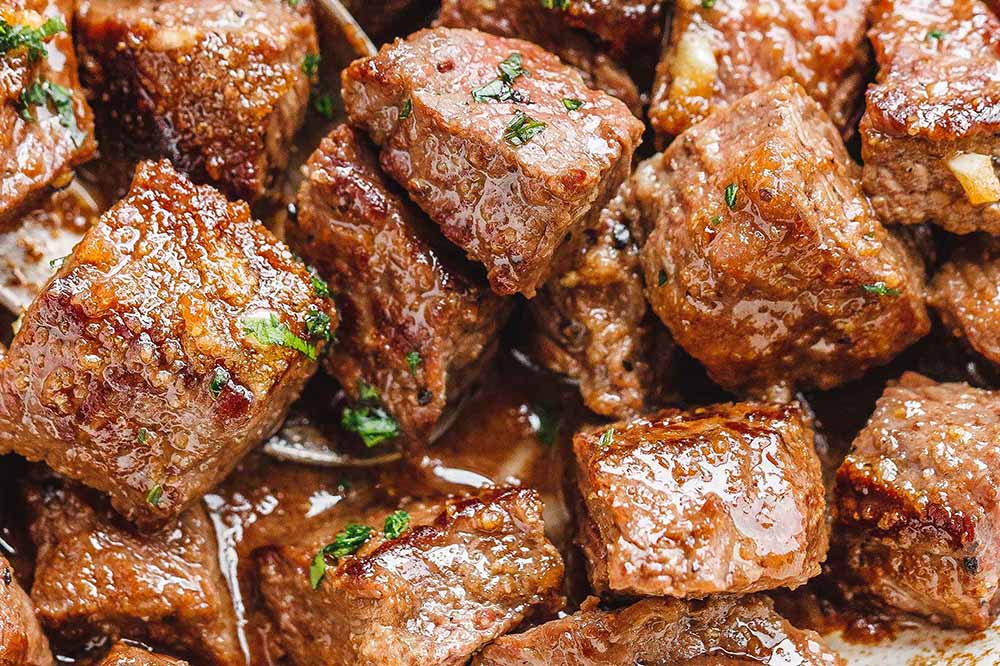
Protein content: 34g per serving
Cook time: 15 minutes
Cut sirloin into 1-inch cubes. Heat a cast-iron skillet until smoking hot, add cubed steak in a single layer, sear 2 minutes per side. Add butter, minced garlic, and fresh thyme, cook 1 minute more. Serve with roasted broccoli and sweet potato.
Cast iron is essential here. It retains heat better than other pans, giving you that perfect steakhouse crust.
14. Lentil and Spinach Curry
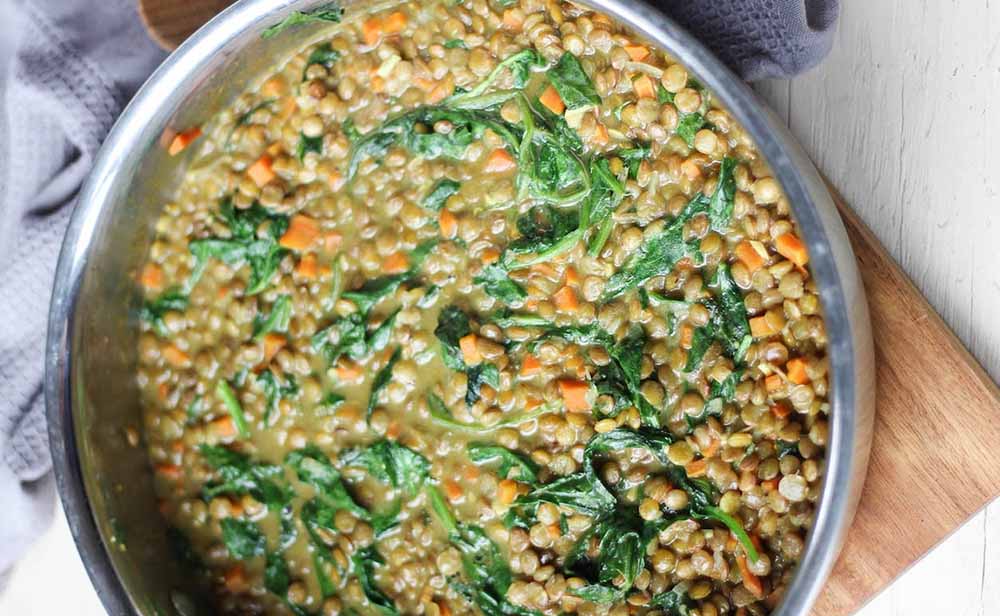
Protein content: 24g per serving
Cook time: 28 minutes
Sauté diced onion and garlic in coconut oil for 3 minutes. Add curry powder, cook 1 minute, then add red lentils, vegetable broth, and coconut milk. Simmer 20 minutes until lentils are tender. Stir in fresh spinach and cook until wilted, about 2 minutes.
Red lentils cook faster than any other variety, making them perfect for weeknight dinners when you’re short on time.
15. Egg and Vegetable Frittata
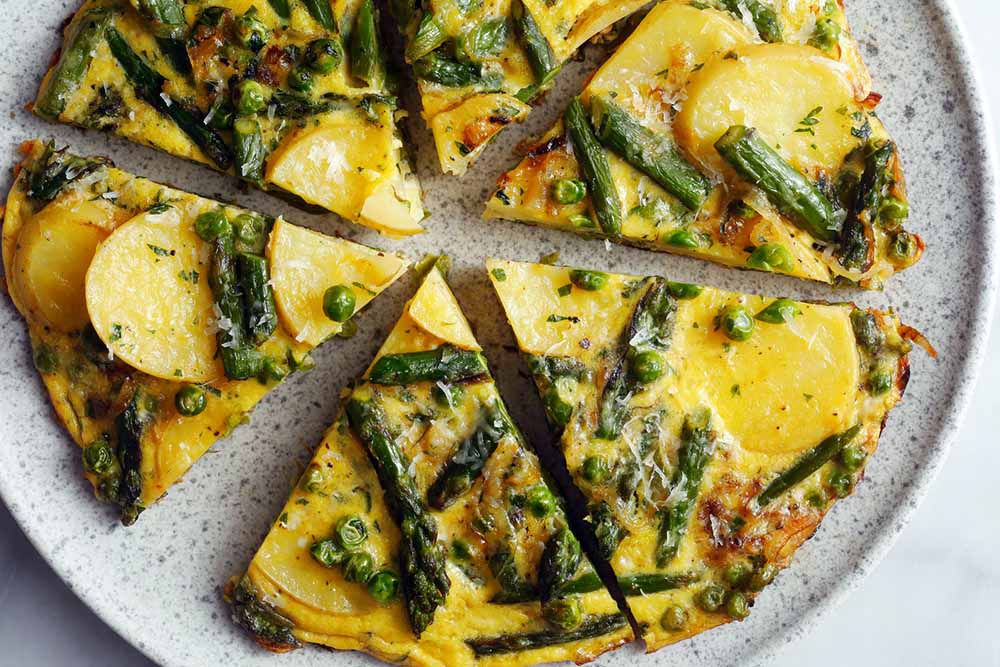
Protein content: 25g per serving
Cook time: 20 minutes
Whisk 8 eggs with salt and pepper. Sauté diced bell peppers, onions, and mushrooms in an oven-safe skillet for 5 minutes. Pour eggs over vegetables, cook on stovetop for 3 minutes, then transfer to a 375°F oven and bake 12-15 minutes until set. Sprinkle with cheese.
Eggs for dinner might seem unconventional, but they’re one of the most affordable high protein options. A single frittata serves 4 people for under $8 total, making it an economical choice for any night of the week.
Tips for Preparing High Protein Dinners Faster
Speed up your high protein dinner preparation with these practical strategies I’ve learned through years of weeknight cooking:
- Prep protein on Sundays: Marinate chicken, portion ground meat, or press tofu so it’s ready to cook during the week
- Keep your pantry stocked: Canned beans, lentils, and tuna provide emergency protein when fresh options run out
- Use your freezer wisely: Frozen shrimp, edamame, and pre-cooked chicken strips cook in minutes straight from frozen
- Invest in time-saving tools: A pressure cooker, air fryer, or quality chef’s knife cuts cooking time significantly
- Double your recipes: Cook twice as much protein and use leftovers for tomorrow’s lunch or dinner
Common Mistakes to Avoid with High Protein Dinners
Most people make these errors when trying to increase dinner protein:
Relying only on chicken breast: Variety matters for nutrient diversity and preventing meal fatigue. Rotate between different protein sources throughout the week.
Forgetting plant-based proteins: Beans, lentils, and tempeh cost less than meat while providing excellent nutrition and fiber.
Skipping vegetables: Protein alone won’t keep you satisfied. Pair it with fiber-rich vegetables for balanced nutrition and sustained fullness.
Overcooking proteins: Dry, tough chicken or fish makes high protein dinners unappetizing. Use a meat thermometer and remove proteins from heat at the right temperature.
Not tracking actual intake: What feels like enough protein often isn’t. Track for one week to see your real numbers, then adjust portions accordingly.
Frequently Asked Questions About High Protein Dinners
What is considered a high protein dinner?
Recommended Article
Hormone Balancing Diet: What It Is, How It Works, and Where to Start
Zero Sugar Diet Food List: What to Eat, What to Skip, and How to Start
The Complete Low Cholesterol Diet Plan: A 7-Day Heart-Healthy Meal Plan to Lower LDL Naturally