


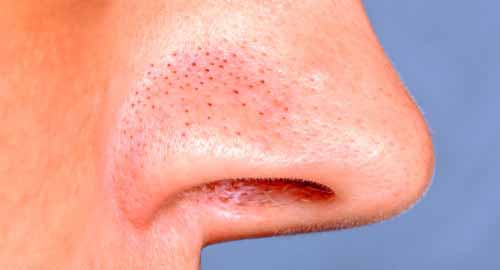
Blackheads on the nose are a common skin concern that affects people of all ages, but they can be effectively managed with the right at-home routine. Understanding what causes these stubborn clogged pores and how to treat them properly is the first step toward clearer skin. This guide provides dermatologist-backed steps that you can start using today to reduce and prevent blackheads on your nose without harsh treatments or expensive products. By following a consistent routine, you can achieve noticeable improvement in just a few weeks.
Blackheads on the nose form when pores get clogged with oil and dead skin cells that oxidize on contact with air — not dirt. The most effective at-home methods are salicylic acid cleansers, chemical exfoliants (BHA), and retinoids used consistently over 4-6 weeks, according to the American Academy of Dermatology. Pore strips and manual squeezing remove surface blackheads temporarily but do not prevent new ones from forming, while a consistent routine beats one-off treatments every time.
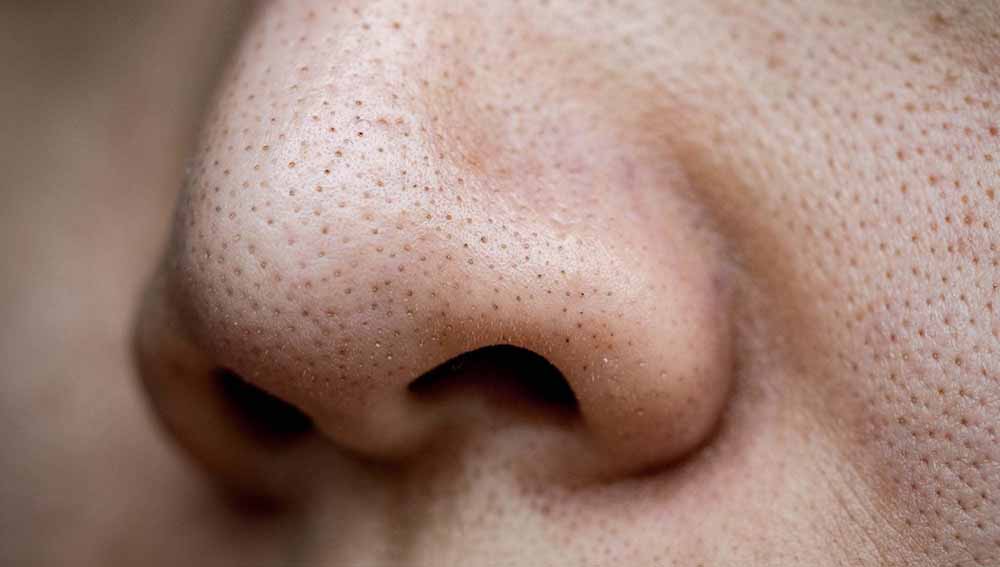
- Blackheads form from oxidized oil and dead skin cells, not dirt.
- Salicylic acid, BHA exfoliants, and retinoids are most effective over 4-6 weeks.
- Pore strips offer only temporary results.
- For stubborn cases, see a dermatologist for extractions or tretinoin.
- Prevention matters more than removal for long-term success.
What Blackheads on the Nose Actually Are
Blackheads are open comedones — pores filled with a mix of sebum (skin oil) and dead skin cells. When that mixture sits at the surface and meets oxygen, it oxidizes and turns dark, which is why many people mistakenly believe blackheads are caused by dirt. Scrubbing harder will not remove them faster, and it can actually worsen the problem. The nose has more sebaceous glands per square centimeter than most of the face, which is why blackheads tend to cluster there, and hormone fluctuations, excess oil production, and infrequent exfoliation all make the nose a common problem area (American Academy of Dermatology, 2024).
What You Need Before You Start
Before beginning your blackhead removal routine, gather the essential tools and products to ensure safe and effective treatment. Having the right items on hand will make the process smoother and help you avoid common mistakes that can irritate your skin. Here is what you will need for a complete home routine.
- A gentle, non-comedogenic (non-pore-blocking) facial cleanser
- A salicylic acid (BHA) exfoliant — 0.5% to 2% concentration
- A clean washcloth or soft facial brush
- Sunscreen with SPF 30 or higher (required if you use any exfoliant or retinoid)
- Optional: retinol serum or prescription tretinoin for long-term prevention
Step 1: Cleanse Your Face With Warm Water First
Wash your face with a gentle cleanser and warm — not hot — water for 60 seconds before any treatment step. Warm water softens the skin and makes the opening of each pore slightly more accessible to active ingredients, which allows them to penetrate more effectively. Do not use hot water, as it strips the skin barrier and triggers more oil production, which worsens blackheads over time (Journal of Investigative Dermatology, 2023). Pat dry with a clean towel — do not rub, as friction can irritate the skin and aggravate existing blackheads.
Step 2: Apply a Salicylic Acid (BHA) Treatment Directly to Your Nose
Salicylic acid is oil-soluble, meaning it can penetrate into the pore lining where other cleansing ingredients cannot reach, making it uniquely effective for treating blackheads. A leave-on BHA exfoliant at 1% to 2% concentration applied to the nose after cleansing is the single most effective over-the-counter treatment for blackheads, according to research from Paula’s Choice Research (2024). Apply a small amount to your nose only, leave it on without rinsing, and use it once daily to start — then twice daily if your skin tolerates it without redness or dryness. Products to look for include Paula’s Choice 2% BHA Liquid, CeraVe SA Smoothing Serum, or any leave-on product listing salicylic acid in the active ingredient section.
Step 3: Exfoliate Two to Three Times Per Week – Not Daily
Exfoliation removes the dead skin cells that mix with oil and block pores, but over-exfoliating damages the skin barrier, causes inflammation, and can actually make oiliness worse over time. Use a chemical exfoliant such as AHA (glycolic or lactic acid) or BHA (salicylic acid) two to three times per week — physical scrubs with large or sharp particles can cause microtears and are not recommended for the nose area (British Journal of Dermatology, 2022). Apply the exfoliant to a dry face after cleansing and leave on for the time recommended on the product, then rinse or leave in place if it is a leave-on formula.
Step 4: Add a Retinoid for Long-Term Prevention
Retinoids speed up the skin cell turnover cycle, which means dead cells shed faster and are less likely to build up inside pores, making this the most evidence-backed long-term strategy for reducing blackhead formation (American Academy of Dermatology, 2024). Over-the-counter retinol works at concentrations of 0.025% to 0.1%, while prescription tretinoin works faster and at lower concentrations. Start with retinol two nights per week and build up gradually to avoid peeling and dryness — do not use retinoids and strong exfoliants on the same night when you first start; instead, alternate them until your skin adjusts.
Step 5: Moisturize and Apply SPF Every Morning
Moisturizing and applying sunscreen are essential steps that many people skip when treating blackheads, but they are critical for protecting your skin barrier and preventing further damage. Using exfoliants and retinoids increases your skin’s sensitivity to the sun, so applying a broad-spectrum SPF 30 or higher every morning is non-negotiable for maintaining results and avoiding irritation. A lightweight, oil-free moisturizer helps maintain hydration without clogging pores, and layering it under sunscreen keeps your skin balanced and protected throughout the day.
Step 6: Use Clay Masks Weekly for Deep Pore Cleansing
Clay masks can provide an additional deep clean by absorbing excess oil and drawing out impurities from your pores, which complements your daily treatment routine. Apply a kaolin or bentonite clay mask to your nose once per week, leaving it on for 10-15 minutes before rinsing with warm water. Do not let the mask dry completely, as over-drying can strip your skin’s natural moisture and trigger more oil production — a slightly damp mask indicates it is time to rinse.
Step 7: Avoid Pore Strips and Manual Squeezing
Pore strips and manual squeezing may seem satisfying, but they remove only the surface portion of blackheads and do nothing to prevent new ones from forming. These methods can also irritate the skin, stretch pores, and even cause scarring or infection if done incorrectly. Instead, trust your consistent routine of chemical exfoliants, retinoids, and gentle cleansing to gradually clear and prevent blackheads over time. Patience and consistency are far more effective than quick fixes.
Step 8: Know When to See a Dermatologist
If over-the-counter treatments do not show significant improvement after 8 to 12 weeks of consistent use, it may be time to consult a dermatologist for professional care. A dermatologist can perform professional extractions, prescribe higher-strength tretinoin or other prescription treatments, and assess whether your blackheads might be caused by an underlying skin condition. Do not wait too long — professional intervention can save you time, money, and frustration while preventing potential scarring or skin damage.
Common Mistakes to Avoid When Treating Nose Blackheads
Many people inadvertently worsen their blackheads by using harsh or incorrect methods, so understanding these common pitfalls can save you from unnecessary irritation. Over-washing your face more than twice a day can strip natural oils and trigger rebound oil production, while using heavy or pore-clogging moisturizers can counteract your treatment efforts. Additionally, skipping sunscreen when using exfoliants or retinoids leaves your skin vulnerable to UV damage that can darken blackheads and slow healing. Avoiding these mistakes will help your routine work more effectively.
How Long Does It Take to See Results?
Results from a consistent blackhead treatment routine typically appear within 4 to 6 weeks, though some improvement may be noticeable sooner. Salicylic acid and BHA exfoliants often show surface-level improvement within the first two weeks, while retinoids take longer — usually 8 to 12 weeks — to reduce blackhead formation at the source. Patience is key, as the skin’s natural cell turnover cycle takes about 28 days, and treatments need time to work gradually without causing irritation.
Frequently Asked Questions
Can Vaseline help remove blackheads on the nose?
No, Vaseline (petroleum jelly) is an occlusive that seals the skin and can actually trap oil and dead skin cells inside pores, potentially worsening blackheads. It is not a treatment for blackheads and should be avoided on areas prone to clogged pores.
Is it safe to use toothpaste on nose blackheads?
Toothpaste is not formulated for the skin and can cause burning, redness, and drying that damages the skin barrier. It is not a safe or effective treatment for blackheads and should never be applied to the face.
Can diet affect blackheads on the nose?
Some research suggests that high-glycemic foods (such as sugary snacks and refined carbohydrates) and dairy may contribute to increased oil production and acne in some people. While diet is not the primary cause of blackheads, reducing these foods may help complement your topical routine.
How often should I change my pillowcase to prevent blackheads?
Changing your pillowcase at least once per week can help reduce the buildup of oil, bacteria, and dead skin cells that transfer to your face while you sleep. Using a clean, soft cotton or silk pillowcase also minimizes friction against your skin.
Final Thoughts on How to Get Rid of Blackheads on Your Nose
Getting rid of blackheads on your nose requires patience, consistency, and a gentle approach that respects your skin’s natural balance rather than fighting against it. By following this step-by-step guide — starting with a gentle cleanse, applying salicylic acid, exfoliating moderately, adding a retinoid, and protecting your skin with moisturizer and sunscreen — you can achieve clearer pores and prevent new blackheads from forming. Remember that quick fixes like pore strips offer only temporary results, while a well-planned daily routine delivers lasting improvement. Stick with it, and you will see the difference.
Both salicylic acid and retinoids increase sun sensitivity. Skipping sunscreen while using either makes your skin more likely to develop post-inflammatory hyperpigmentation — dark marks left after a blackhead clears.
Apply a non-comedogenic moisturizer after your active treatments. Follow with SPF 30+ every morning, including days when you stay indoors near windows.
Look for labels that say “non-comedogenic” or “oil-free” to avoid adding back the oil you just removed.
What to Do With Stubborn Blackheads That Don’t Clear
Some blackheads do not respond to over-the-counter treatments within 6-8 weeks. At that point, a dermatologist can help with:
- Professional extractions: A trained esthetician or dermatologist uses a sterile comedone extractor tool to clear the pore without damaging the surrounding skin.
- Prescription tretinoin: A stronger retinoid that works faster than over-the-counter retinol at clearing clogged pores.
- Chemical peels: In-office treatments using higher concentrations of salicylic or glycolic acid than available over the counter.
Do not attempt to squeeze or extract blackheads at home with your fingers. Uneven pressure pushes bacteria and debris deeper into the pore and can cause scarring (American Academy of Dermatology, 2024).
Common Problems and How to Fix Them
| Problem | Likely Cause | Solution |
|---|---|---|
| Blackheads return within days | Surface-only treatment, no prevention step | Add a leave-on BHA and retinoid to the routine |
| Skin becomes dry and red | Over-exfoliating or using too high a concentration | Drop to 2x per week; switch to 0.5% BHA |
| Pore strips seem to work but blackheads come back fast | Strips remove surface plugs but not the cause | Replace strips with BHA; strips are not a long-term fix |
| Breakouts after starting a new product | Skin purging — temporary increase in cell turnover | Continue for 4-6 weeks; stop only if cystic acne develops |
| SPF causes new clogged pores | Comedogenic sunscreen formula | Switch to a mineral SPF (zinc oxide or titanium dioxide) |
Frequently Asked Questions About Getting Rid of Blackheads on Your Nose
What is the fastest way to remove blackheads on your nose?
A pore strip removes surface blackheads in about 15 minutes, but they return within days because the underlying cause — excess oil and dead skin — has not been addressed. For a lasting result, a salicylic acid leave-on treatment applied daily shows visible clearing in 3-4 weeks (Paula’s Choice Research, 2024).
Does squeezing blackheads make them worse?
Yes. Squeezing with fingers applies uneven pressure that can rupture the pore wall, push debris deeper, and cause inflammation or permanent scarring. If extraction is needed, have it done by a licensed esthetician or dermatologist with proper tools.
How long does it take to get rid of blackheads on your nose completely?
With a consistent routine using BHA and a retinoid, most people see significant clearing in 6-8 weeks. Full prevention depends on maintaining the routine long-term — blackheads will return if you stop treatment (American Academy of Dermatology, 2024).
Do pore-minimizing products actually shrink nose pores?
No product can permanently shrink pore size. Pore appearance decreases when they are clear of oil and dead skin — which creates the illusion of smaller pores. Consistent BHA use and retinoids keep pores clear, making them appear smaller over time.
Are blackheads on the nose the same as whiteheads?
No. Blackheads are open comedones — the pore opening is exposed to air, causing oxidation and a dark color. Whiteheads are closed comedones — a thin layer of skin covers the clogged pore, keeping it white or flesh-colored. Both respond to BHA and retinoid treatment, but whiteheads may also need a topical benzoyl peroxide product to address bacteria.
Can diet affect blackheads on the nose?
Some evidence links high-glycemic diets and dairy consumption to increased sebum production, which worsens blackheads (Journal of the Academy of Nutrition and Dietetics, 2022). Reducing refined sugar, white bread, and full-fat dairy is worth trying if topical treatments alone are not working.
Summary
- Cleanse with warm water for 60 seconds before applying any treatment.
- Apply a leave-on 1-2% salicylic acid (BHA) treatment to your nose daily after cleansing.
- Exfoliate chemically 2-3 times per week — skip physical scrubs on the nose.
- Add a retinol or tretinoin at night to prevent new blackheads from forming.
- Always follow with a non-comedogenic moisturizer and SPF 30+ in the morning.
- If blackheads persist after 6-8 weeks, book a dermatologist appointment for professional options.
Recommended Article
Healthy Eating for Beginners: How to Build Better Habits When You Live on Junk Food
11 Post-Workout Skin Saves That’ll Fix Your Breakouts & Chafing
Cycle-Synced Skincare: Why Your Routine Fails Half the Month (And How to Fix It)