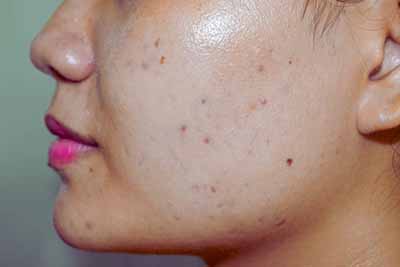
Dark spots, also known as hyperpigmentation, are a common skin concern that can affect anyone regardless of age or skin type. These flat, darker patches form when melanin clusters in response to triggers like sun exposure, acne, or hormonal shifts. While they are harmless, many people seek to fade them for a more even complexion — and with the right ingredients and consistent routine, visible results are achievable in as little as four to eight weeks.
Dark spots (also called hyperpigmentation) form when skin produces too much melanin in one area due to sun exposure, acne, or hormonal changes. The fastest results come from combining a topical treatment (vitamin C, niacinamide, or azelaic acid) with daily SPF 30+ sunscreen — skipping sunscreen makes any treatment useless. Most over-the-counter ingredients show visible fading in 4–8 weeks; prescription-strength retinoids and chemical peels work faster. Consistency matters more than strength — applying a treatment three times a week beats using a harsh formula that irritates skin and forces you to stop. If spots are deep, long-standing, or cover a large area, a dermatologist visit before starting any treatment saves time and money.
What Dark Spots Are and Why They Form
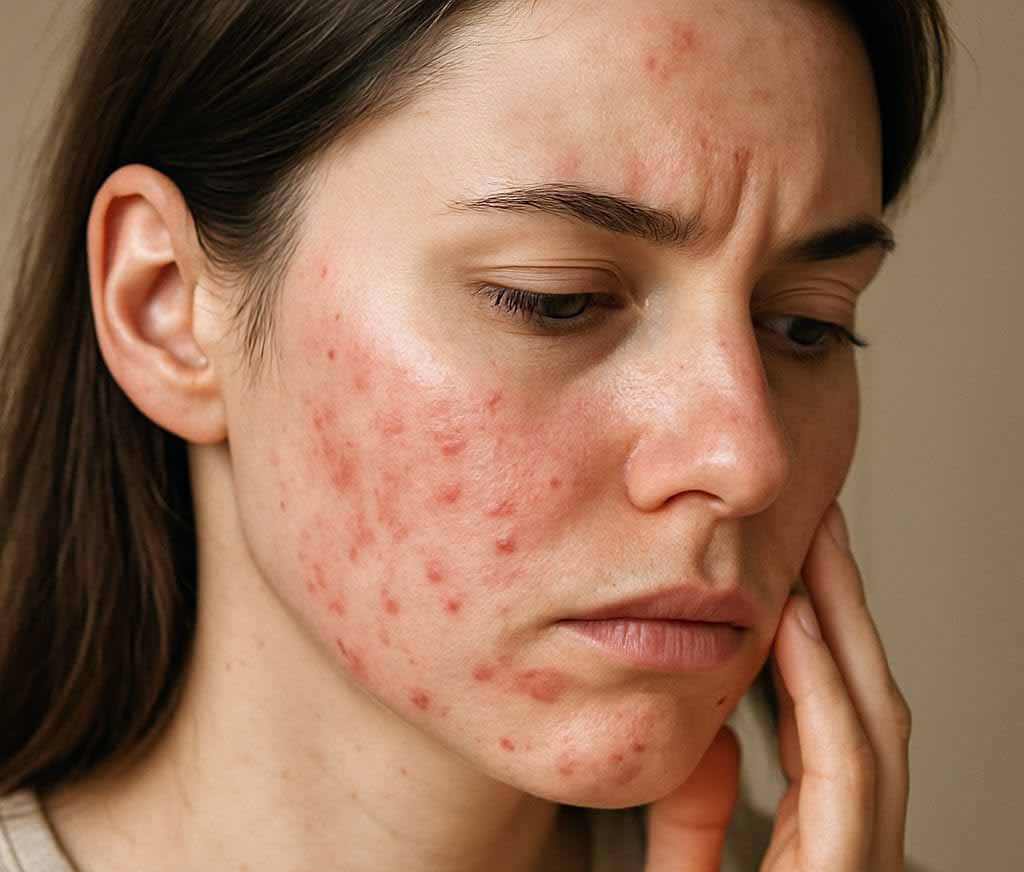
Dark spots are areas of excess melanin deposited in the upper layers of skin. Melanin is the pigment that gives skin its color — when skin cells called melanocytes are triggered by damage or inflammation, they produce more melanin than surrounding tissue, leaving a darker patch behind. The three most common triggers are sun exposure, post-inflammatory hyperpigmentation, and hormonal hyperpigmentation.
- Sun exposure: Ultraviolet (UV) rays stimulate melanin production as a protective response. Repeated exposure without SPF causes melanin to cluster, forming flat brown or tan patches called solar lentigines (sunspots). (American Academy of Dermatology, 2024)
- Post-inflammatory hyperpigmentation (PIH): Any skin trauma — acne, a cut, eczema, or an ingrown hair — can leave a dark mark as the skin heals. PIH is more common and more pronounced in medium to deep skin tones. (Journal of Clinical and Aesthetic Dermatology, 2023)
- Hormonal hyperpigmentation (melasma): Estrogen and progesterone fluctuations — from pregnancy, birth control, or hormone therapy — trigger melanin overproduction in symmetrical patches, usually on the cheeks, forehead, and upper lip. (American Academy of Dermatology, 2024)
Knowing which type you have matters because treatment timelines and methods differ. Sunspots and PIH respond well to topical ingredients, while melasma is harder to treat and often needs professional management.
What You Need Before You Start
Before diving into any dark spot treatment, it is essential to have a solid foundation in place to protect your skin and maximize results. A broad-spectrum sunscreen rated SPF 30 or higher is non-negotiable — without it, no treatment will work effectively. You also need a fragrance-free, non-irritating moisturizer suited to your skin type, plus one active treatment ingredient to start (do not layer multiple actives at once). Having a patch-test plan is equally important — apply any new ingredient to a small area 24 hours before full use. Finally, set realistic expectations: surface-level spots fade in 4–8 weeks, while deeper spots take 3–6 months.
Step 1: Apply Sunscreen Every Morning Without Exception
Sunscreen is the single most important step in fading dark spots. UV exposure triggers melanin production daily — even on cloudy days, up to 80% of UV rays reach the skin (Skin Cancer Foundation, 2024). Any topical treatment you apply at night gets partially undone the next morning without SPF protection. Use a broad-spectrum SPF 30 or higher every morning as the last step in your routine before going outside, and reapply every two hours if you are outdoors. Mineral sunscreens containing zinc oxide or titanium dioxide are less likely to irritate sensitive or acne-prone skin than chemical filters. This step alone — used consistently — slows new spot formation and allows existing spots to fade on their own over months.
Step 2: Choose One Active Ingredient Based on Your Skin Type
Applying multiple active ingredients at once causes irritation, which triggers more inflammation and can worsen dark spots — especially PIH. Starting with one ingredient and using it consistently for six weeks before adding anything else is the safest and most effective approach. Here are the most evidence-backed options by skin type and concern:
Quick Comparison of Key Ingredients
| Ingredient | Best For | How It Works | Visible Results |
|---|---|---|---|
| Vitamin C (10–20%) | Sunspots, general brightening | Blocks an enzyme (tyrosinase) that produces melanin | 4–6 weeks |
| Niacinamide (4–10%) | PIH, sensitive skin, oily skin | Stops melanin from transferring to skin surface cells | 4–8 weeks |
| Azelaic acid (10–20%) | PIH, acne-prone skin, rosacea | Reduces melanin production and kills acne bacteria | 6–8 weeks |
| Alpha-arbutin (1–2%) | Mild spots, all skin types | Inhibits tyrosinase with lower irritation risk than hydroquinone | 6–10 weeks |
| Retinol (0.025–0.1%) | Sunspots, aging skin | Speeds up cell turnover so pigmented cells shed faster | 8–12 weeks |
| Glycolic acid (5–10%) | Surface-level spots, dull skin | Exfoliates pigmented skin cells off the surface | 4–6 weeks |
Apply your chosen ingredient at night after cleansing, unless the product label specifies morning use (vitamin C is typically a morning ingredient). Follow with moisturizer.
Step 3: Add a Chemical Exfoliant Once or Twice a Week
Physical scrubs can worsen dark spots by creating micro-tears in skin. Chemical exfoliants dissolve the bonds between dead skin cells without friction, helping pigmented cells shed faster. Two types work well for dark spots.
Alpha-hydroxy acids (AHAs) — glycolic acid and lactic acid are the most studied. Glycolic acid penetrates deeper and fades sunspots faster. Lactic acid is gentler and better suited for sensitive or dry skin. Use an AHA toner or serum once or twice weekly, not daily. (Journal of Cosmetic Dermatology, 2022)
Beta-hydroxy acid (BHA) — salicylic acid is the main option. It exfoliates inside pores and is best for acne-prone skin where PIH is the main concern.
Do not use a chemical exfoliant on the same night as retinol — this combination over-strips the skin barrier and causes irritation that sets back progress.
Step 4: Repair Your Skin Barrier with a Daily Moisturizer
A damaged skin barrier makes dark spots harder to treat. When the barrier is compromised, active ingredients cause more irritation, inflammation stays elevated, and PIH worsens. (International Journal of Molecular Sciences, 2023)
After any active treatment, apply a fragrance-free moisturizer containing one or more of these barrier-supporting ingredients:
- Ceramides — replenish the lipid layer that holds skin cells together
- Hyaluronic acid — draws water into the skin surface
- Panthenol (vitamin B5) — soothes irritation and supports healing
- Squalane — lightweight oil that seals moisture in without clogging pores
Apply moisturizer as the last step at night, after your active treatment has been absorbed (give it 60–90 seconds).
Step 5: Consider Professional Treatments for Stubborn Spots
Over-the-counter ingredients work on surface and mid-level pigmentation. Spots that have been present for over a year, sit deep in the dermis, or cover a large area often need professional help. The most effective in-office options are described below.
Prescription hydroquinone (4%): The most studied skin-lightening ingredient available. A dermatologist can prescribe 4% hydroquinone — stronger than any over-the-counter formula — for short-term use (no longer than 3–6 months). Long-term use without supervision carries risks including ochronosis (blue-black skin discoloration). (American Academy of Dermatology, 2024)
Chemical peels: Medium-depth peels using trichloroacetic acid (TCA) or higher-concentration AHAs remove several layers of pigmented skin at once. Results are visible in 1–2 weeks. Multiple sessions are usually needed. (Journal of the American Academy of Dermatology, 2023)
Laser treatments: Fractional lasers and intense pulsed light (IPL) break down melanin deposits directly. IPL works best on flat sunspots in lighter skin tones. Fractional lasers can be calibrated for darker skin tones with lower risk of PIH post-treatment. Results appear over 2–6 weeks after each session. (Dermatologic Surgery, 2023)
Microneedling with tranexamic acid: For melasma specifically, microneedling channels tranexamic acid deeper into skin than topical application alone allows. A 2023 study found this combination reduced melasma severity by 45% over four sessions. (Journal of Cosmetic and Laser Therapy, 2023)
Common Problems and How to Fix Them
Even with careful treatment, issues can arise that slow or stall progress. Below are the most common problems and actionable fixes to get your dark spot fading back on track.
Spots get darker after starting treatment: irritation from a too-strong formula or over-use. Drop frequency to every other night and add a barrier moisturizer. No visible change after eight weeks: the wrong ingredient for the spot type, or deeper surface-level spots. Switch ingredients or book a dermatologist consultation. Redness and peeling around the treated area: skin barrier damage from too many actives at once. Stop all actives and moisturize only for one to two weeks; reintroduce one active at a time. New spots forming while old ones fade: sun exposure undoing treatment daily. Check SPF application — reapplication every two hours outdoors is mandatory. Spots return after fading: the trigger (sun, acne, hormones) is not controlled. Address the root cause with daily SPF, treat active acne, and consult a doctor for hormonal causes.
Frequently Asked Questions About Getting Rid of Dark Spots
What is the fastest way to get rid of dark spots?
The fastest over-the-counter results come from combining a vitamin C serum in the morning with a retinol or glycolic acid treatment at night, plus daily SPF 30 or higher. This combination can show visible fading in four to six weeks for surface-level sunspots. For deeper spots, professional chemical peels or laser treatments produce faster results, often within one to two weeks per session.
How long does it take for dark spots to fade?
Surface spots from recent acne or mild sun damage typically fade in four to eight weeks with consistent use of an active ingredient plus SPF. Older spots, deeper PIH, or melasma take three to six months of consistent treatment. Spots that have been present for years may require professional treatment to fully resolve.
Does sunscreen alone help fade dark spots?
Sunscreen does not actively fade existing spots, but it stops UV rays from making them darker and allows the skin’s natural cell turnover to gradually reduce pigmentation. Without daily SPF, no topical treatment — regardless of strength — can produce lasting results.
What is the difference between dark spots and melasma?
Dark spots such as sunspots or PIH are triggered by sun exposure or skin inflammation and tend to be isolated patches. Melasma is triggered by hormones and appears as larger, symmetrical patches — usually on both cheeks, the forehead, or the upper lip at the same time. Melasma is harder to treat and returns more easily after fading. A dermatologist can confirm which type you have by examining the pigmentation pattern.
Can dark spots be removed permanently?
Sunspots and PIH can be cleared permanently if the trigger is removed — consistent SPF use and no repeated sun damage or skin trauma. Melasma tends to recur because the hormonal trigger is ongoing. Laser and peel treatments can remove spots, but without ongoing sun protection and hormonal management for melasma, they return.
Is niacinamide or vitamin C better for dark spots?
Both work, but through different mechanisms. Vitamin C blocks melanin production and is better for sunspots and general brightening. Niacinamide stops melanin from reaching the surface of skin and is better tolerated by sensitive or acne-prone skin. They can be used together — apply vitamin C in the morning and niacinamide at night — without interaction issues.
Are dark spot treatments safe for dark skin tones?
Most topical ingredients such as niacinamide, azelaic acid, alpha-arbutin, and vitamin C are safe for all skin tones. Retinol and AHAs require more caution in darker skin tones because irritation can trigger more PIH. Laser treatments require a dermatologist experienced in treating darker skin — IPL is generally not recommended for skin tones Fitzpatrick IV and above.
Summary
Apply SPF 30 or higher every morning — this is the foundation of any dark spot treatment plan. Pick one active ingredient suited to your skin type and spot type, and use it consistently for at least six weeks before judging results. Add a chemical exfoliant such as an AHA or BHA one to two times per week to speed up the shedding of pigmented skin cells. Protect your skin barrier with a ceramide or hyaluronic acid moisturizer nightly to prevent the irritation that makes spots worse. For spots that do not respond to four months of consistent at-home treatment, book a dermatology consultation — prescription hydroquinone, chemical peels, or laser treatments produce faster and deeper results than anything available over the counter.
Recommended Article
Healthy Eating for Beginners: How to Build Better Habits When You Live on Junk Food
11 Post-Workout Skin Saves That’ll Fix Your Breakouts & Chafing
Cycle-Synced Skincare: Why Your Routine Fails Half the Month (And How to Fix It)