


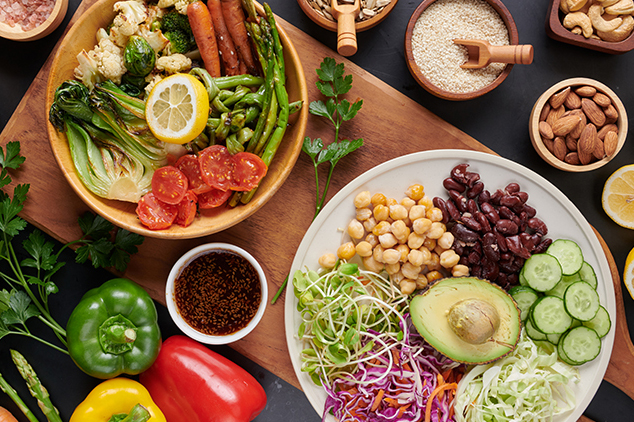
Healthy eating does not require giving up all junk food at once—small, consistent swaps work better than strict diets for long-term results. In fact, ultra-processed foods make up about 57% of the average American’s daily calorie intake, which directly links to weight gain and energy crashes (Hall et al., NIH, 2019). The most effective first step is adding one whole food per meal, not removing everything you enjoy. Protein, fiber, and water are the three nutrients beginners should focus on first because they control hunger and reduce junk food cravings, and you do not need a meal plan, a gym, or expensive food to start eating better today.
What Is Healthy Eating and Why It Feels Hard at First
Healthy eating means giving your body the nutrients it needs to function—through whole or minimally processed foods—without obsessing over perfection. It is not about eating salad every day or never touching fast food again. For people who grew up eating junk food, the difficulty is biological, not just behavioral, as ultra-processed foods are engineered to override your body’s fullness signals by combining salt, sugar, and fat in ratios that don’t exist in nature (Monteiro et al., NOVA Classification, 2019). Your brain adapts to expect that level of stimulation, which makes plain whole foods feel bland at first, but this is normal and it fades within 2-3 weeks of consistent changes.
Why Junk Food Is So Hard to Quit
Junk food triggers dopamine release in the brain’s reward system—the same pathway involved in habit formation (Volkow et al., NIDA, 2013). Every time you eat a bag of chips or a fast food meal, your brain records it as a rewarding event and strengthens the urge to repeat it. This is why willpower alone rarely works—the habit is wired into your brain’s reward loop, not just your preferences.
Three things make junk food harder to quit than most people expect:
- Availability: Fast food and packaged snacks are designed for maximum convenience, while whole foods require more preparation time.
- Cost perception: People often assume healthy food is more expensive, but staples like eggs, oats, lentils, and frozen vegetables cost less per meal than most fast food options.
- Withdrawal effects: Cutting sugar and sodium abruptly causes temporary headaches, fatigue, and irritability—which many people mistake for hunger.
Understanding these barriers makes it easier to plan around them rather than blame yourself when motivation drops.
The 3 Nutrients Beginners Should Focus on First
Most nutrition advice overwhelms beginners with too many rules. Instead, focus on three nutrients that directly control hunger and reduce junk food cravings. Adults need roughly 50g of protein and 25-30g of fiber per day (WHO Dietary Guidelines, 2020), but most people eating primarily junk food get less than half of both.
| Nutrient | Why It Matters | Easy Sources |
|---|---|---|
| Protein | Keeps you full for 3-4 hours, reduces snacking urge | Eggs, chicken, lentils, Greek yogurt, canned tuna |
| Fiber | Slows digestion, stabilizes blood sugar | Oats, beans, apples, carrots, brown rice |
| Water | Thirst is often mistaken for hunger | Plain water, herbal tea, fruit-infused water |
You do not need to count grams obsessively. A practical shortcut: if your meal contains a protein source and a fiber source, it is already better than most junk food options.
How to Start Eating Healthier Without Overhauling Your Entire Diet
The most common mistake beginners make is trying to change everything at once. That approach fails for most people within two weeks (Gardner et al., Stanford, 2018). A more effective method is the addition strategy: add one healthy item to each meal before removing anything.
What to Eat Instead of Skipping Meals
If you are used to skipping meals as a strategy for weight control or saving time, focus on replacement rather than removal. Skipping meals often leads to overeating later in the day because hunger hormones build up and willpower runs out by evening.
- Replace a skipped breakfast with a simple option like overnight oats, a banana and peanut butter, or a hard-boiled egg with fruit. These take under two minutes to prepare.
- Replace a skipped lunch with a larger breakfast and an earlier dinner. This is often called time-restricted eating and works better than constant snacking.
- Replace an afternoon energy slump with a balanced snack that includes protein and fiber, such as an apple with nuts or Greek yogurt with berries, rather than coffee and sugar.
The goal is not to eat less food overall but to distribute it more evenly so your body has steady energy and you avoid the hunger-driven cravings that follow skipped meals.
How to Eat More Vegetables Without Noticing
Vegetables are the most commonly avoided food group among beginners, often due to taste or texture preferences. The solution is not to force yourself to eat plain salads but to hide vegetables in foods you already enjoy until your palate adjusts.
- Add finely chopped spinach or kale to pasta sauce, soups, or scrambled eggs. The flavor blends in and you will not notice its presence.
- Blend frozen cauliflower into smoothies. It adds creaminess and fiber without changing the taste when combined with fruit.
- Grate carrots or zucchini into meatballs, burger patties, or casseroles. The moisture improves texture while adding nutrients.
- Use lettuce wraps or large collard greens instead of bread for sandwiches. This reduces refined carbohydrates while increasing vegetable intake without extra effort.
Once your taste buds adjust to vegetables after two to three weeks, you can gradually move to more visible preparations such as roasted vegetables or stir-fries with minimal sauce.
How to Build a Healthy Plate Without Counting Calories
You do not need to count calories to eat well. A simple visual guideline works for most meals and removes the mental burden of tracking numbers.
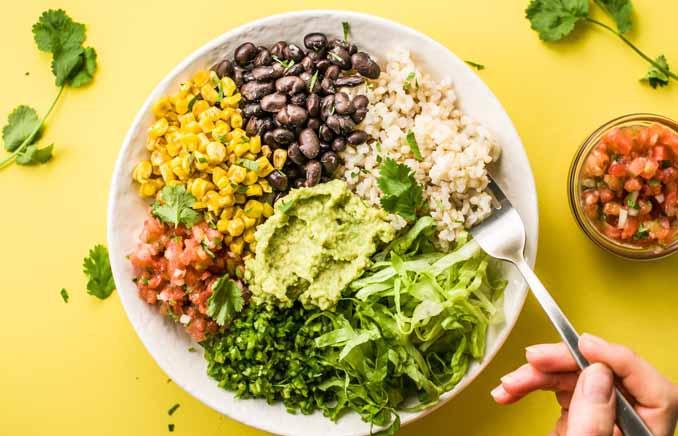
Fill half your plate with non-starchy vegetables, one quarter with protein, and one quarter with carbohydrates such as whole grains, starchy vegetables, or legumes. This structure automatically controls portion sizes and ensures you get fiber, protein, and energy in each meal without weighing or measuring ingredients.
- Non-starchy vegetables include spinach, broccoli, bell peppers, zucchini, cauliflower, and leafy greens. These provide volume and micronutrients with minimal calories.
- Protein sources include eggs, chicken, fish, tofu, lentils, beans, and Greek yogurt. Protein keeps you full longer and supports muscle maintenance.
- Carbohydrates include brown rice, quinoa, oats, sweet potatoes, or whole grain bread. These provide sustained energy for daily activities.
This plate method works for breakfast, lunch, and dinner. Adjust proportions based on your activity level, but the basic ratio remains effective for most people regardless of their specific health goals.
How to Handle Social Situations and Eating Out
Social events, restaurants, and family gatherings are common obstacles for beginners. The key is to have a few simple strategies that prevent you from feeling restricted while still making better choices.
- Look at the menu before arriving and decide what you will order ahead of time. This removes pressure when everyone around you is ordering less healthy options.
- Ask for dressings and sauces on the side. This alone can reduce hundreds of hidden calories from oils, sugars, and cream bases.
- Start with a vegetable-based dish or soup before the main meal. This fills your stomach with fiber and reduces the likelihood of overeating on calorie-dense options.
- If alcohol is present, alternate each alcoholic drink with a glass of water. This halves your total alcohol intake and keeps you hydrated.
- Do not announce your dietary changes at the table. Drawing attention to what you are eating creates social pressure and invites commentary, which makes sticking to your choices harder.
Remember that one meal out of many does not define your progress. If you make a less healthy choice at a social event, return to your normal eating pattern at the next meal rather than trying to compensate with restriction or extra exercise.
How to Stay Consistent Without Motivation
Motivation is temporary and unreliable for long-term change. What sustains healthy eating is not enthusiasm but environment design and habit stacking.
- Make healthy foods visible and convenient. Place a bowl of fruit on your counter, pre-chop vegetables on the weekend, and keep nuts in your bag. The easier a healthy option is to grab, the more likely you are to choose it.
- Keep unhealthy foods out of sight or out of the house entirely. You cannot rely on willpower to resist junk food if it is within arm’s reach at home.
- Stack new habits onto existing routines. For example, eat a piece of fruit immediately after brushing your teeth in the morning, or drink a glass of water before every cup of coffee. The existing habit serves as a trigger for the new one.
- Use a simple checklist rather than a detailed food diary. Checking off one small action per meal, such as “ate a vegetable” or “drank water,” is more motivating than writing down everything you eat.
When motivation fades, as it will for everyone, these structures keep you on track without requiring constant decision-making or willpower.
When to Adjust Your Approach
Healthy eating is not a rigid system. Pay attention to how your body responds and adjust accordingly. If a particular swap or habit consistently feels difficult, replace it with a different one rather than forcing yourself to continue.
- If replacing soda with plain water feels impossible, try sparkling water with a splash of juice or unsweetened iced tea first.
- If eating vegetables raw is unappealing, try roasting them with olive oil and salt, which changes both flavor and texture significantly.
- If cooking every meal from scratch is overwhelming, focus on improving store-bought options such as choosing frozen vegetables, pre-cooked grains, or rotisserie chicken rather than expecting yourself to cook everything fresh.
- If you experience consistent fatigue, cravings, or digestive issues, evaluate whether your changes are too drastic or whether you are eating enough food overall rather than focusing only on food quality.
The most effective healthy eating plan is the one you can maintain without feeling deprived or overwhelmed. Small adjustments over time produce better results than any short-term diet that requires unrealistic effort.
What is the difference between healthy eating and dieting?
A diet is typically a short-term, restrictive eating plan with a specific goal, usually weight loss. Healthy eating is a long-term pattern of choosing foods that support overall health — energy, digestion, sleep, and mood — without strict rules or an end date. Most diets fail because they are temporary. Healthy eating works when it becomes a default habit.
Why do I feel tired when I try to eat healthier?
Fatigue in the first week of reducing junk food is a normal adjustment response. Your body is recalibrating blood sugar levels after removing the constant spikes caused by high-sugar, high-sodium food. This typically resolves within 5 to 10 days. Staying hydrated and maintaining consistent meal times speeds up the adjustment.
Key Takeaways
Building a healthy eating routine is simpler than most people think. The following principles can guide you on your journey.
- Healthy eating starts with adding whole foods, not removing everything you enjoy.
- Junk food cravings are biological, not just a matter of willpower — plan for them rather than fighting them.
- Protein, fiber, and water are the three things beginners should focus on first.
- Budget is not a barrier — the most nutritious staple foods are also the cheapest.
- Consistency over weeks beats perfection on any single day.
Recommended Article
10 Most Effective Ways to Lose Weight Fast at Home (No Gym Needed)
How to Get Rid of Pimples Overnight: A Step-by-Step Guide for 2026
How to Get Rid of Blackheads on Your Nose: A Step-by-Step Guide for 2026