


You’ve probably felt the effects of chronic stress weighing you down. Cortisol, your body’s primary stress hormone, can wreak havoc on your sleep, weight, and overall health when levels stay elevated day after day. The good news is that your diet plays a powerful role in regulating this hormone, offering a natural path to restoring balance.
This article explores 12 research-backed foods that can help lower your cortisol levels. We will break down the science behind each food, explain how they interact with your body’s stress response system, and provide practical tips for adding them to your daily routine.
What Is Cortisol and Why Does Your Diet Affect It?
Cortisol is the hormone your adrenal glands release in response to stress. In short bursts, it helps you handle pressure by speeding up your heart rate, sharpening your focus, and releasing glucose for energy. The problem starts when levels stay elevated day after day, as chronically high cortisol is tied to abdominal fat gain, disrupted sleep, suppressed immune function, and higher cardiovascular disease risk.
Your diet plays a direct role because what you eat influences the hypothalamic-pituitary-adrenal (HPA) axis, the system that controls how much cortisol your body produces and how quickly it returns to baseline after a stressful event. One study found that a diet high in added sugar, refined grains, and saturated fat produced significantly higher cortisol levels than a diet built around whole grains, fruits, vegetables, and polyunsaturated fats. That gap represents your opportunity to make a meaningful change.
What to Look for in Cortisol-Lowering Foods
Not every “healthy” food affects cortisol directly, but the foods with the best evidence share specific properties that target the body’s stress response system. Understanding these key nutrients will help you make informed choices when building your diet.
| Property | What It Does | Where to Find It |
|---|---|---|
| Omega-3 fatty acids | Modulates HPA axis activity, reduces cortisol response to stress | Fatty fish, walnuts, chia seeds |
| Magnesium | Supports nervous system regulation, may dampen cortisol release | Leafy greens, dark chocolate, pumpkin seeds |
| Polyphenols / flavonoids | Inhibits cortisol-activating enzyme activity in tissue | Dark chocolate, berries, green tea |
| Probiotics | Improves gut-brain signaling, linked to lower stress hormones | Yogurt, kefir, kimchi, sauerkraut |
| Tryptophan | Precursor to serotonin, helps regulate mood and stress response | Eggs, turkey, bananas |
10 Best Foods to Lower Cortisol Levels
1. Fatty Fish (Salmon, Mackerel, Sardines) – Best Overall for Cortisol Reduction

Fatty fish is the single most research-backed food for lowering cortisol. A randomized controlled trial found that participants taking 2.5g per day of omega-3s had 19% lower overall cortisol levels throughout a stress test compared to those on placebo. A separate double-blind, placebo-controlled trial showed that participants supplementing with EPA and DHA for three weeks reduced both their cortisol baseline levels across the day and their acute cortisol response to a social stress test.
Wild-caught salmon, mackerel, and sardines are the most practical whole-food sources of EPA and DHA, the two omega-3 forms with the most direct effect on the HPA axis. Aim for two to three servings per week to consistently lower your cortisol levels and support overall stress resilience.
2. Dark Chocolate (70%+ Cocoa) – Best Mood and Cortisol Combo

Dark chocolate contains two active components relevant to cortisol: flavonoids, which are polyphenols that modulate the HPA axis, and magnesium, a mineral that supports nervous system regulation. In a controlled study, participants who consumed 25g per day of high-polyphenol dark chocolate for four weeks showed statistically significant reductions in total daily cortisol, morning cortisol, and the cortisol/cortisone ratio, with no such changes appearing in the control group eating low-flavonoid chocolate.
The threshold matters: choose dark chocolate with at least 70% cocoa content to ensure you are getting enough active flavonoids. Limit yourself to one or two squares a day to keep sugar and fat intake in check while still reaping the cortisol-lowering benefits.
3. Leafy Greens (Spinach, Swiss Chard, Kale) – Best for Magnesium
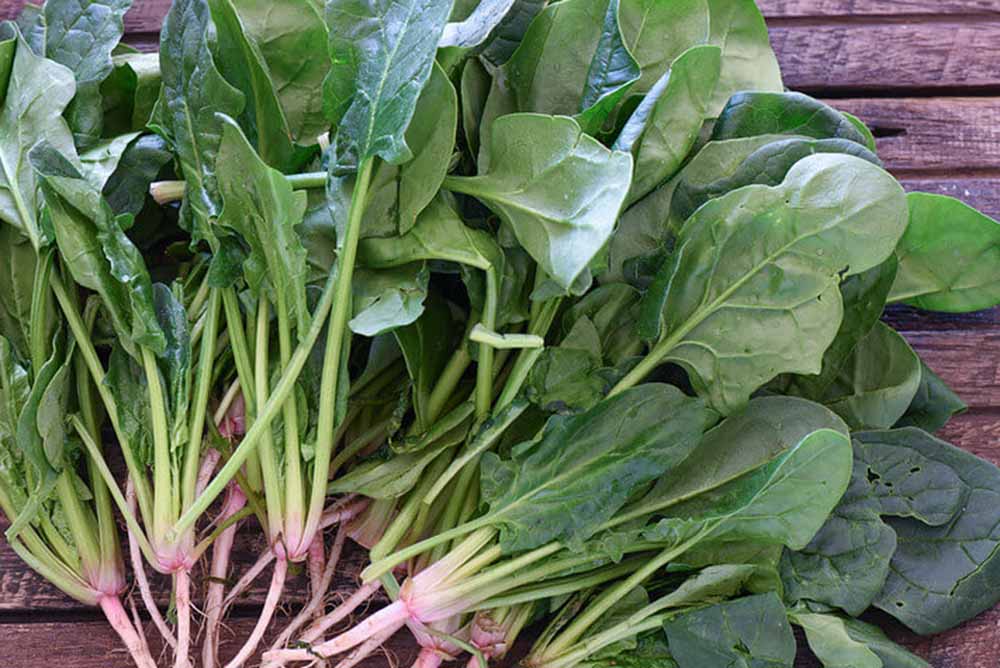
Leafy greens are among the densest whole-food sources of magnesium, a mineral critical for nervous system regulation and stress management. Multiple studies have shown a relationship between magnesium and stress, and while the direction of causality is still being studied, magnesium supplementation appears to help restore balance in the cortisol stress response.
Spinach and Swiss chard are good daily options that can be easily incorporated into your meals. Add them to eggs in the morning, use them as a base for lunch salads, or sauté them as a side dish for dinner to increase your magnesium intake without needing supplements.
Your gut and brain communicate through the gut-brain axis — a network of nerves, chemical signals, and microbial activity that directly influences cortisol levels. Research has shown a strong relationship between a healthy gut microbiome and improved mental health, suggesting that foods supporting gut diversity help reduce stress and anxiety (Healthline, 2024).
Fermented foods like yogurt, kefir, kimchi, and sauerkraut contain live bacterial cultures (probiotics) that feed this system. Studies have shown that eating probiotic-rich foods like yogurt or kefir may help lower cortisol levels by reducing inflammation and supporting mood regulation.
5. Blueberries and Berries — Best Antioxidant Option

Berries contain high concentrations of anthocyanins and other antioxidants that fight oxidative stress — one of the downstream effects of chronically elevated cortisol. Blueberries in particular are backed by a growing body of human observational and clinical research showing they may reduce inflammation linked to cortisol elevation.
A daily handful (roughly 80–100g) is enough to meaningfully increase your polyphenol intake. Frozen blueberries retain most of their antioxidant content and are a practical lower-cost alternative to fresh.
6. Green Tea — Best Drink for Cortisol Management

Green tea contains two relevant compounds: catechins (a class of polyphenol) and L-theanine, an amino acid that promotes calm alertness without sedation. Several small studies found that people who drink green tea tend to have lower cortisol levels, and a long-term clinical trial (the DIRECT-PLUS trial) found the green-Mediterranean diet may favorably influence fasting morning cortisol (Frontiers in Endocrinology, 2023).
Green tea also contains less caffeine than coffee — relevant because high caffeine intake can spike cortisol, especially in the morning. Switching one cup of coffee for green tea is a straightforward daily adjustment.
7. Walnuts and Chia Seeds — Best Plant-Based Omega-3 Sources
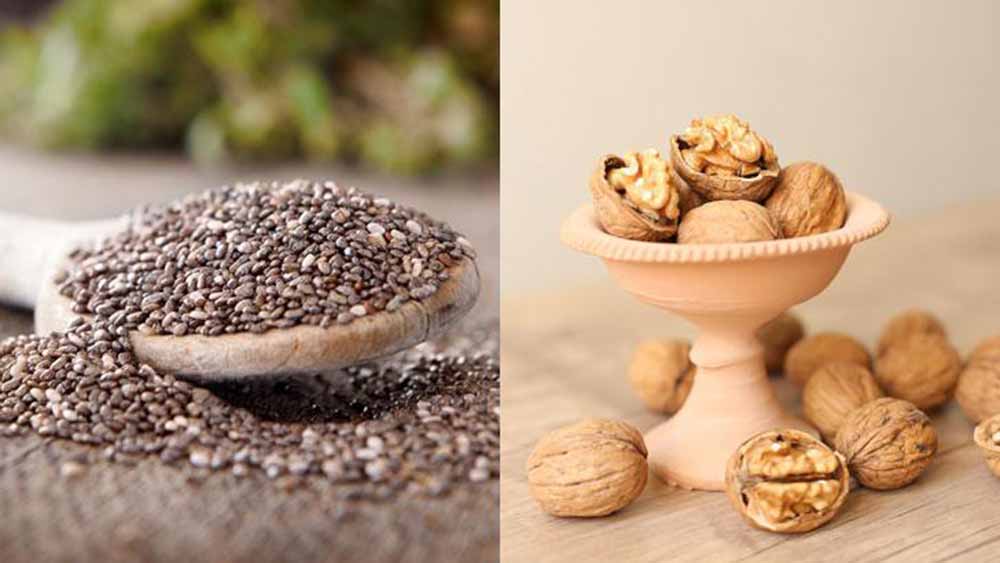
For those who don’t eat fish, walnuts and chia seeds are the strongest plant-based sources of alpha-linolenic acid (ALA) — the plant form of omega-3. While ALA converts to EPA and DHA less efficiently than direct marine sources, a longitudinal cohort study with 2,724 participants associated high omega-3 blood levels with lower inflammation and lower cortisol (ZOE, 2022).
Walnuts also contain magnesium and melatonin, making them a useful evening snack for people whose cortisol stays elevated into the night.
8. Avocado — Best Healthy Fat for HPA Axis Support

Avocado is rich in monounsaturated fats, potassium, and B vitamins — all of which support nervous system function. The American Heart Association (2022) linked eating two servings of avocado per week to lower cardiovascular risk, a benefit connected in part to reduced stress hormone activity.
The fat content in avocado also slows glucose absorption, which helps prevent blood sugar spikes — a significant cortisol trigger. Half an avocado with lunch is a practical way to stabilize energy and reduce afternoon cortisol peaks.
9. Eggs — Best Source of Cortisol-Regulating Nutrients in One Food

Eggs pack several cortisol-relevant nutrients into one food: tryptophan, choline, vitamin D, and B12. Tryptophan converts to serotonin in the brain, which helps regulate mood and dampens stress reactivity. One small study found that vitamin D supplementation lowered cortisol levels in healthy adults (GoodRx Health, 2025), and eggs are one of the few whole-food sources of dietary vitamin D.
Two eggs at breakfast provides roughly 80IU of vitamin D and 25–30% of your daily choline needs — both meaningful contributions to stress hormone regulation.
10. Oats and Whole Grains — Best for Cortisol-Spiking Blood Sugar Control
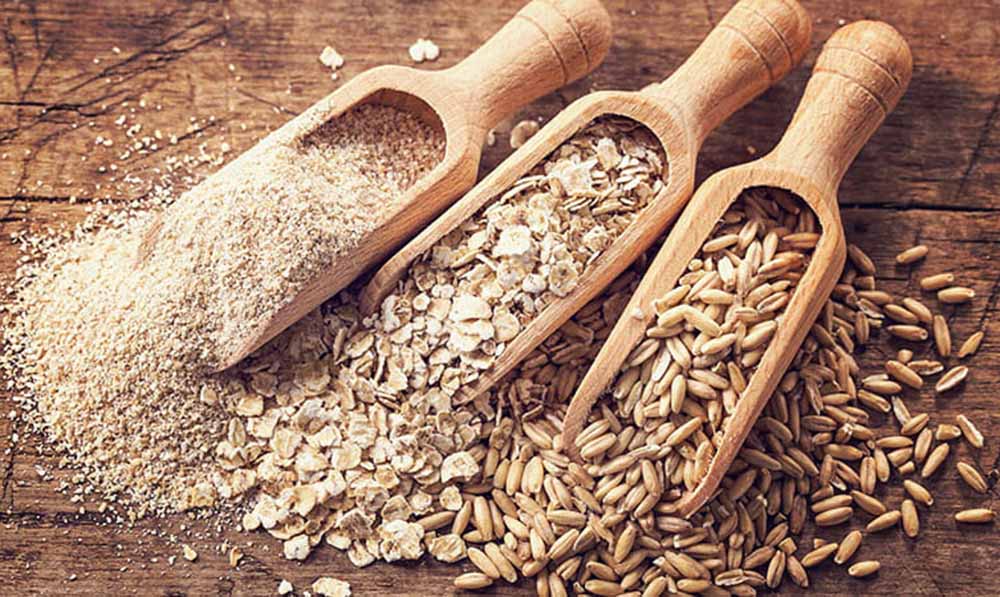
Refined carbohydrates cause rapid blood glucose spikes, which trigger cortisol release. Whole grains prevent this by slowing digestion and keeping blood sugar stable. One study found that a diet high in added sugar, refined grains, and saturated fat led to significantly higher cortisol levels than a diet built around whole grains, fruits, vegetables, and polyunsaturated fats (Healthline, 2024).
Oats are the most practical daily option — they’re cheap, fast to prepare, and have a low glycemic index. Steel-cut oats have a lower glycemic index than rolled oats and keep blood sugar more stable through the morning.
Comparison Table: 10 Best Foods to Lower Cortisol at a Glance
| Food | Key Compound | Primary Benefit | Practical Serving |
|---|---|---|---|
| Fatty fish (salmon) | EPA, DHA (omega-3) | Reduces HPA axis reactivity | 2-3x per week |
| Dark chocolate (70%+) | Flavonoids, magnesium | Lowers daily and morning cortisol | 25g/day (1-2 squares) |
| Leafy greens | Magnesium | Nervous system regulation | Daily, any meal |
| Fermented foods | Probiotics | Gut-brain axis support | 1 serving daily |
| Blueberries | Anthocyanins | Reduces oxidative stress | 80-100g daily |
| Green tea | Catechins, L-theanine | Calm alertness, lower morning cortisol | 1-2 cups daily |
| Walnuts / chia seeds | ALA (plant omega-3) | Lower inflammation and cortisol | Small handful daily |
| Avocado | Monounsaturated fat, potassium | Stabilizes blood sugar | Half per day |
| Eggs | Tryptophan, vitamin D | Serotonin support, cortisol reduction | 2 eggs at breakfast |
| Oats / whole grains | Fiber, slow-release carbs | Prevents blood sugar-cortisol spikes | Daily at breakfast |
| Pumpkin seeds | Magnesium | Stress hormone dampening | 30g as snack |
| Bananas | Tryptophan, B6, prebiotic fiber | Serotonin production, gut support | 1 daily |
Foods That Raise Cortisol – What to Reduce
The cortisol-lowering foods above work best when you also reduce the foods that actively drive cortisol up. By cutting back on these triggers, you allow your body’s natural stress-regulation mechanisms to function more effectively.
- Added sugar and refined carbs: Cause blood glucose spikes that directly trigger cortisol release.
- Excess caffeine: More than 400mg per day (roughly 4 cups of coffee) is associated with elevated cortisol, especially in the morning.
- Alcohol: Disrupts sleep architecture and raises cortisol in the second half of the night.
- Ultra-processed foods high in saturated fat: A diet high in added sugar, refined grains, and saturated fat has been shown to produce significantly higher cortisol levels compared to a diet built around whole foods (Healthline, 2024).
You don’t need to eliminate these entirely. Reducing frequency and portion size has a measurable effect on cortisol baseline over time, making small, consistent changes more sustainable than drastic restrictions.
Frequently Asked Questions About Foods That Lower Cortisol
What foods lower cortisol the fastest?
Fatty fish and dark chocolate have the most direct research evidence for reducing cortisol levels. A randomized controlled trial found measurable reductions in cortisol within two weeks of daily dark chocolate consumption (Tsang et al., 2019). That said, no single meal produces instant cortisol reduction – consistent dietary patterns over two to four weeks are where you see the most meaningful change.
Does a low cortisol diet mean eating less?
No. Research suggests that severe calorie restriction may actually increase cortisol levels – the goal is to eat a balanced diet built around whole foods, not to restrict calories aggressively (ZOE, 2022). Focus on food quality and meal timing rather than eating less.
How long does it take for diet changes to lower cortisol?
Most studies that show measurable cortisol reduction used dietary interventions lasting two to four weeks. The DIRECT-PLUS clinical trial found favorable cortisol changes from a green-Mediterranean diet pattern over a longer period (Frontiers in Endocrinology, 2023). Two weeks of consistent dietary changes is a realistic starting window to track early effects.
Can magnesium-rich foods really lower cortisol?
The evidence is consistent but not fully settled on mechanism. Multiple studies have shown a relationship between magnesium levels and stress response – regardless of whether low magnesium causes elevated cortisol or vice versa, increasing magnesium intake through food appears to support better cortisol balance (GoodRx Health, 2025).
What is the best drink to lower cortisol?
Green tea is the most evidence-backed drink for cortisol management. It contains both catechins (polyphenols that modulate the HPA axis) and L-theanine (which reduces stress reactivity without sedation). Water also plays an indirect role – dehydration alone can raise cortisol levels.
Should I take supplements instead of eating these foods?
Whole foods are preferable as a starting point because they deliver multiple cortisol-relevant compounds together – for example, fatty fish provides EPA, DHA, vitamin D, and protein in one serving. Supplements for omega-3, magnesium, or vitamin D may be appropriate if dietary intake is consistently low, but consult a healthcare provider before adding them alongside medication.
Key Takeaways
Fatty fish, dark chocolate (70%+ cocoa), leafy greens, and fermented foods are the four highest-priority additions to a cortisol-lowering diet. The mechanism varies by food: omega-3s modulate the HPA axis directly, while probiotics work through the gut-brain connection and magnesium supports nervous system regulation. Reducing added sugar and refined carbs matters as much as adding the right foods, as both sides of the dietary equation affect cortisol baseline. Measurable cortisol changes from diet typically take two to four weeks of consistent changes, not a single meal or day.
Recommended Article
Vitamin E for Skin: What It Does, How to Use It, and DIY Methods That Actually Work
12 Low-Calorie Foods That Actually Keep You Full (Not Just Less Hungry)
The 9 Foods That Fight Wrinkles *and* Burn Belly Fat (Yes, at the Same Time)