
Yes, you can lose weight on 1,200 calories a day—but most women quit within a week because they’re doing it wrong. I’ve worked with dozens of women who started this diet with excitement and abandoned it by Wednesday feeling exhausted and starving. The problem wasn’t their willpower. It was that nobody told them the actual secret: how you structure those 1,200 calories matters infinitely more than the number itself.
Here’s what I’ve noticed after years of helping people navigate low-calorie diets: the women who succeed aren’t the ones with the most discipline. They’re the ones who understand why they’re eating what they’re eating, and they actually feel satisfied doing it. If you’ve tried restrictive diets before and felt miserable, or if you’re skeptical that 1,200 calories could possibly be enough—that’s exactly why this article exists.
Stick with me through the whole thing. I’m going to show you something most diet plans completely ignore: the difference between a 1,200-calorie diet that feels like punishment and one that feels like eating normally, just with better choices. There’s a specific reason one works and the other doesn’t, and it’s not about willpower. By the end, you’ll know exactly what to eat, when to eat it, and most importantly—why it works instead of leaving you hungry and defeated.
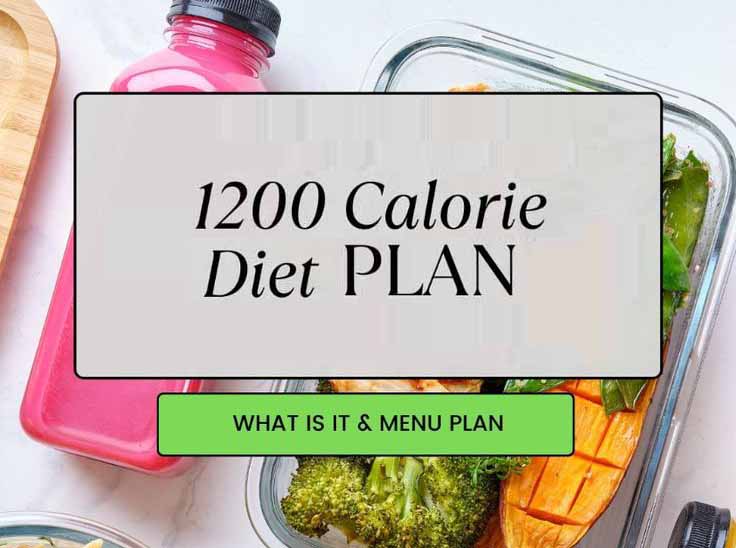
What You Actually Need to Know First
Let’s get the basics right before we look at the meal plan. A 1,200-calorie diet is a way to eat 1,200 calories each day, which creates a calorie deficit. That deficit makes your body burn stored fat for energy. It is not magic. It is simple math. But when done right, it does not feel hard.
Who this is for: Women who sit most of the day, women under 5’8″ tall, women who want steady weight loss, and women who need a clear plan. Who should skip this: Active or athletic women, women who are breastfeeding, anyone with a past eating disorder, and men.
Here is the truth: this diet works best for 8 to 12 weeks. After that, your body slows down. This is not your fault. It is biology. We will talk about what to do then. The idea is simple. If a woman who sits most of the day needs 1,800 calories to stay the same weight, then 1,200 calories gives a 600-calorie deficit. That means about 1.2 pounds of fat loss per week. That is safe and steady.
Why 1,200 Calories Works (When Done Right)
These are real things that happen when you follow this plan the right way. You lose fat, not muscle. There is a big difference between losing 10 pounds of fat versus 5 pounds of fat plus 5 pounds of muscle. Your metabolism, your looks, and your strength all depend on keeping muscle. That is why protein is so important. Aim for at least 80 grams each day. Your body will then burn fat instead of muscle.
Your hunger goes down. This might sound odd, but when you eat enough protein and fiber and space out your meals, your hunger hormones calm down. Most women find that by day 4 or 5, they feel less hungry. That is not willpower. That is biology. You stop wanting junk food faster than you think. Processed foods trick your body. When you stop eating them for 10 to 14 days, your taste buds change. An apple starts to taste sweet again. This is why the first two weeks are hard, but then it gets easier.
Weight loss is easy to predict. No guessing. No “Why did I lose only 0.5 pounds?” You eat the same amount each day. You get the same results. Most women lose 1 to 2 pounds each week. Blood sugar stays even because balanced meals with protein, fiber, and healthy fats stop blood sugar spikes. Those spikes cause cravings. You skip the 3 PM crash that makes you want candy.
What to Eat, What to Limit, What to Skip
Most diet articles give you a list of foods but do not tell you why. Let me change that. Eat as much as you want from these: Non-starchy vegetables like spinach, broccoli, peppers, zucchini, Brussels sprouts, cauliflower, and green beans add bulk and fiber with almost no calories. Lean proteins like chicken breast, turkey, fish, Greek yogurt, cottage cheese, eggs, and tofu keep muscle and keep you full longer than anything else. High-fiber fruits like berries, apples, pears, and oranges slow digestion and keep blood sugar even. Healthy fats in small amounts like olive oil, avocado, nuts, and fatty fish are essential because your body needs fat to make hormones—do not eat less than 40 grams each day.
Eat in small amounts: Whole grains and starchy carbs like brown rice, oats, whole wheat bread, and sweet potato are healthy but pack many calories. One cup of rice is 200 calories, and it is easy to eat two or three cups without thinking. Full-fat dairy like regular cheese, whole milk, and regular yogurt are not bad, but they have many calories, and one serving of cheese is often smaller than you think. Nuts and nut butters like almonds, peanut butter, and cashews are very easy to overeat—two tablespoons of peanut butter is 190 calories that takes 20 seconds to eat and does not fill you up.
Skip these: Liquid calories like sugary drinks, alcohol, sweetened coffee drinks, and juice give you zero fullness. You can drink 300 calories and still feel hungry. That is a waste. Refined carbs and added sugars like white bread, pasta, pastries, and candy make blood sugar spike and then crash, leaving you hungry two to three hours later. Fried foods and processed meats like fried chicken, bacon, sausage, and packaged snacks have many calories but low fullness.
Simple swaps that work: Instead of a breakfast bagel (280 cal), eat 2 eggs plus 1 slice whole grain toast (200 cal) for more protein and fullness. Instead of regular pasta (220 cal per cup), use zucchini noodles (20 cal) with your sauce and add lean protein. Instead of a granola bar (150 to 200 cal with 15g sugar), eat an apple plus 10 almonds (110 cal with 4g sugar). Instead of a fancy coffee drink (350+ cal), drink black coffee or tea for the same caffeine with zero calories. Instead of rice as a side (200 cal per cup), use cauliflower rice (25 cal) for the same bulk without the calories.
The Numbers: Macros and Calories Explained Simply
Daily calorie range: 1,200 to 1,250 calories. This is your goal. Eating much less than this, like 900 calories, backfires—your body slows down, you lose muscle, and you may binge later. Stick to the range. Macro split for this plan: Protein at 30% of calories (about 90 to 100g each day) is high compared to most diets, but it is on purpose. Protein keeps muscle, makes you full, and your body also burns more calories digesting it. Carbohydrates at 35% of calories (about 105 to 110g each day) provide enough energy for your brain without causing blood sugar spikes. Fat at 35% of calories (about 45 to 50g each day) supports your hormones—never go below 40g.
Who needs to change this: Women over 5’8″ or women who move a lot should add 200 calories (try 1,400). Women who feel weak after 3 days should add 100 calories (try 1,300). Women who are breastfeeding should add 300 to 500 calories. A simple way to track without stress: Use your hand as a guide—one palm of protein, one fist of carbs, and one thumb of fat with each meal. This is much easier than weighing every bite, and it works well enough for good results.
Your Complete 1-Day Meal Plan (1,210 calories)
This is a real day of eating. Copy it or use it as a guide. Breakfast (7:30 AM): 2 scrambled eggs + 1 cup spinach + 1 slice whole grain toast + ½ cup strawberries (305 calories, 22g protein, 28g carbs, 12g fat). Morning Snack (10:30 AM): ½ cup nonfat Greek yogurt + ½ cup blueberries (155 calories, 16g protein, 18g carbs, 2g fat). Lunch (1:00 PM): 4 oz grilled chicken breast + 2 cups mixed greens + ½ cup cherry tomatoes + ¼ avocado + 1 tbsp balsamic vinaigrette (348 calories, 36g protein, 12g carbs, 18g fat). Afternoon Snack (4:00 PM): 1 medium apple + 10 almonds (108 calories, 2g protein, 24g carbs, 6g fat). Dinner (7:00 PM): 4 oz baked salmon + 1 cup steamed broccoli + ½ cup roasted sweet potato (294 calories, 32g protein, 22g carbs, 10g fat).
See how the meals are spaced 3 to 4 hours apart. See how much protein there is: nearly 30g at each meal. See how the carbs come from veggies, fruit, whole grains, and sweet potato.
Three versions that work: The High-Protein Version uses 3 egg whites plus 1 whole egg instead of 2 eggs, and 5 oz turkey breast instead of 4 oz chicken, pushing protein to 105g while keeping calories near 1,200. The Vegetarian Version swaps chicken for 1 cup cooked lentils at lunch and salmon for 5 oz tofu at dinner, with edamame as the afternoon snack instead of almonds. The Dairy-Free Version replaces the yogurt snack with a hard-boiled egg plus 1 pear and keeps everything else the same.
Meal Prep Strategy That Actually Saves Time
Best eating times: Eat breakfast within 2 hours of waking up. Space meals 3 to 4 hours apart. Finish dinner by 7:00 PM. This keeps blood sugar steady and stops late-night hunger. 45-minute Sunday prep: Cook 1.5 pounds of chicken breast and 1 pound of salmon, then cool and container them. Chop vegetables like 2 pounds mixed greens, 1 pound broccoli, bell peppers, and cherry tomatoes. Portion berries into small snack containers (½ cup each). Cook 2 cups of brown rice and 2 cups of sweet potato (roast or bake). Put almonds in small bags (10 almonds each). This takes about 45 minutes and covers most of your week—on busy days, you just put the food together.
How to eat out: Order grilled meats (not fried or covered in sauce). Ask for double veggies instead of rice or fries. Ask for dressing on the side. Skip bread, chips, and appetizers. Do not order dessert—it is not worth the fight. If one meal has more calories, just eat lighter the next day. One meal will not ruin anything.
Common Mistakes That Sabotage Results
Mistake: Eating too little protein. This is the top reason women feel hungry on this plan. Protein makes you full like nothing else. If you eat only 50g each day, you will feel hungry. Aim for at least 20g at each meal. Mistake: Drinking your calories. That “healthy” smoothie might be 400 calories. That glass of wine is 150 calories. Fancy coffee drinks are often 300+. Liquid calories do not make you feel full. You can drink 500 extra calories and still feel hungry. Stick to water, tea, black coffee, and zero-calorie drinks.
Mistake: Skipping meals to “save” calories. This works the opposite way. You get very hungry and eat too much later. Stick to the meal times. Being steady is more important than being strict. Mistake: Not eating enough vegetables. This one surprises people. Vegetables are almost free in terms of calories. Spinach, broccoli, peppers, zucchini, and asparagus add bulk, fiber, and nutrients without many calories. Fill half your plate with veggies and you will feel more full. Mistake: Giving up after 2 weeks. Weight loss is not a straight line. You might lose 3 pounds week one, nothing week two, then 2 pounds week three. Your body holds water for hormone reasons. If you quit because the scale did not move in week two, you will never see results.
What Happens After 8-12 Weeks
Let’s be honest. Your body gets used to fewer calories. This is not your fault. It is how your body works. It happens to everyone. Around week 9 to 12, weight loss slows down a lot. This is the time to eat a bit more (1,400 to 1,500 calories) and let your body reset. You will likely lose a few more pounds, but at a slower pace. That is normal and okay.
After this diet, switch to a plan you can keep for life. Eat a bit more. Be a bit looser. This is where lasting weight loss happens—not in the strict 1,200-calorie phase, but in the long-term plan after.
The One Thing You Actually Need to Remember
Being steady is better than being perfect. If you follow this plan 80% of the time, you will get great results. You do not need to be perfect. You need to be steady. One perfect day followed by two bad days gets you nowhere. One good day followed by another good day adds up to real change.
FAQ
Q: Will 1,200 calories slow my metabolism forever? A: No. Eating less for 8 to 12 weeks does not hurt your metabolism for good. Eating too little for years can, but a few months at 1,200 calories, then going back to normal eating, will not. Your metabolism bounces back. Q: Can I work out on 1,200 calories? A: Light to medium exercise is fine. Hard strength training or intense cardio may need more calories, like 1,400. If you feel dizzy, weak, or cannot finish your workout, eat more.
Q: What if I am not hungry? Do I have to eat all 1,200 calories? A: Yes. Eating too little trains your body to want even less. Stick to the plan even if you are not hungry. Q: How much weight will I lose? A: 1 to 2 pounds per week is normal if you follow the plan. In the first week, you might lose 3 to 4 pounds, which is mostly water. Then you lose 1 to 2 pounds per week. Q: What happens if I have a high-calorie day? A: One day does not matter. Just go back to 1,200 the next day. Do not eat even less the next day—that starts a cycle of eat less, binge more. Just go back to normal.
The Real Bottom Line
This diet works because it is clear. It has a plan. It does not leave you hungry. Most low-calorie diets fail because they are too vague (“eat healthy”) or too hard (they make you feel bad). This one finds the middle. It is strict enough to give you real results, but it has enough protein and fiber that you feel okay. The meal plan I gave you is not the only way to eat 1,200 calories. You can swap foods, pick different proteins, and change your veggies. The point is the plan, the protein, and the steady habits.
If you have tried this before and quit, it was not because you lack willpower. It was likely because you did not eat enough protein, ate too little and felt hungry, or the plan felt too hard. This plan avoids those traps. Start this week. Pick a day. Do the Sunday prep. Follow the meal times. Give it two weeks before you judge the results. By then, you will feel the difference—not just on the scale, but in your energy, your cravings, and how your clothes fit.
One more thing: if this plan does not feel right after two weeks, that is okay. Everyone is different. But I bet if you stick with it through the hunger phase (usually 3 to 5 days), you will be surprised at how easy it gets.
References
- National Institutes of Health. (2023). “Caloric Restriction and Weight Loss.” NIH Clinical Nutrition.
- American Dietetic Association. (2024). “Protein Requirements for Weight Loss.” Journal of the Academy of Nutrition and Dietetics.
- Harvard Medical School. (2023). “The Effects of Protein on Satiety and Metabolism.” Harvard Health Publishing.
- Journal of Nutrition and Metabolism. (2023). “Thermogenic Effect of Protein in Low-Calorie Diets.”
Recommended Article
Candida Diet Recipes: How to Follow the Candida Diet as a Complete Beginner
How to Get a Natural Glow While Dieting: What Actually Works