Yes, you can eat clean without giving up everything you love. But most people approach it all wrong — and that’s why they quit. I’ve seen it happen dozens of times: someone decides Monday is the day they cut out sugar, processed foods, and everything remotely enjoyable. By Wednesday, they’re frustrated, and by Friday, they’re back to takeout. The statistics back this up: roughly 90% of people abandon strict clean eating plans within three days.
Here’s what I’ve learned: the problem isn’t your willpower — it’s the plan itself. If you’re looking for a way to eat healthier without feeling deprived, something you can actually stick to, this guide is for you. I’m not going to tell you to live on salads or pretend kale is satisfying. Instead, you’ll get a realistic meal plan with foods you’ll actually want to eat, portions that make sense, and flexibility built in. By the time you finish this article, you’ll have everything you need to start eating cleaner tomorrow — and actually stick with it.
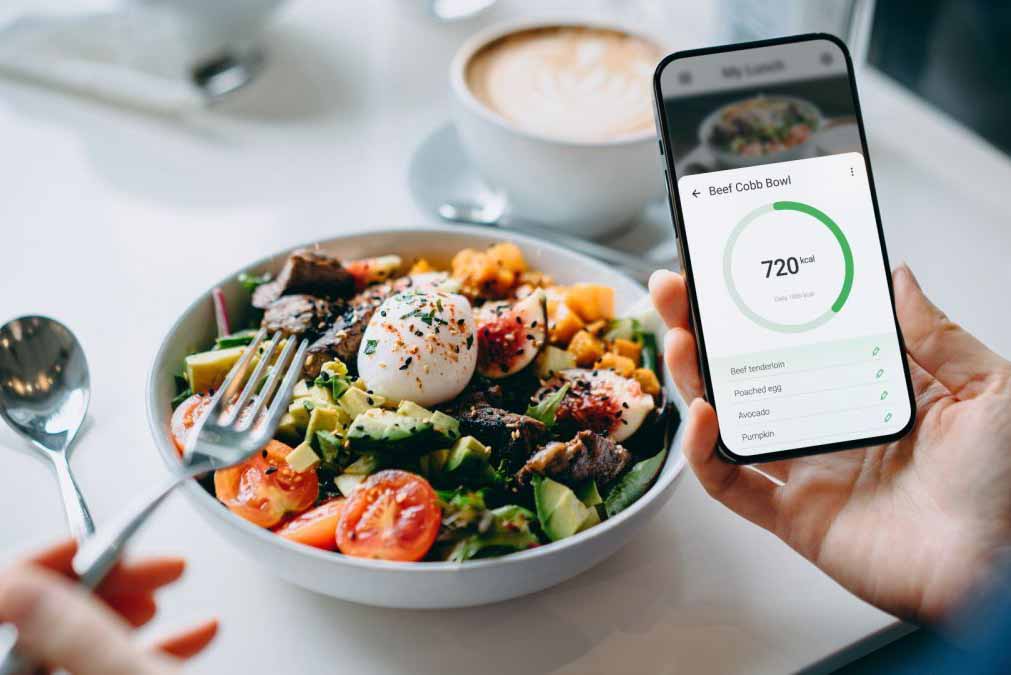
What Clean Eating Actually Means (It’s Simpler Than You Think)
Clean eating is not hard — it is just a simple way to pick your food. It means choosing foods in their most natural state: whole grains instead of refined ones, fresh fruit instead of fruit snacks, and ingredients you can recognize. That’s it. It’s not about being perfect, cutting out food groups, or counting every calorie. It’s about slowly eating more foods that help your body while pushing out the bad stuff that makes you feel tired.
Here’s what I’ve seen with clients: when you eat whole foods, you eat less, feel full longer, and your energy stays steady. You stop wanting junk food. This is not because whole foods are “better” in some strange way — it is because your body works with them differently. A meal of chicken and veggies keeps you full for hours, while a snack from a bag leaves you hungry in 30 minutes. Clean eating is simply a gradual shift toward real food that nourishes you.
Why This Actually Works (The Real Benefits)
When you eat clean, good things happen fast. Whole foods do not make your blood sugar spike and crash, so you experience stabilized energy levels without that 3 PM slump. Packaged foods have lots of salt and extra additives that make you hold water, but real food does not do that — you’ll notice less bloating in just a few days. Fruits, vegetables, and grains are rich in fiber, which supports better digestion, and most people feel this change within one week.
Protein and fiber naturally control your appetite by keeping you full, so you are not hungry all day and willpower becomes less necessary. One surprising benefit is clearer skin: cutting bad oils and sugar helps your whole body, and your skin gets better too. Most guides skip this, but it is one of the first things people notice. One warning: if you are new to cooking or meal prep, the first 3–4 days will feel odd. It is not hard, but it is a new habit, and that is okay.
What to Eat, What to Avoid, and Smart Swaps
Let me make this clear so you know exactly where to focus your efforts. Below is a simple breakdown of foods to eat freely, ones to enjoy in moderation, and those to avoid entirely.
Eat Freely
- All vegetables — fresh, frozen, or canned with no salt added
- Whole fruits — apples, berries, oranges (do not worry about natural sugar)
- Lean proteins — chicken, turkey, fish, eggs, tofu, lentils
- Whole grains — oats, quinoa, brown rice, 100% whole wheat bread
- Healthy fats — avocado, olive oil, nuts, seeds
- Plain dairy — Greek yogurt, cottage cheese, unsweetened milk
- Flavor add-ons — herbs, spices, vinegars, mustards
Eat in Moderation
- Dried fruit — whole fruit is better most of the time
- Whole grain pasta and starchy veggies — they are healthy, but watch how much you eat
- Natural sweeteners like honey or maple syrup — use 1 teaspoon per meal
- Red meat — 2–3 times a week is good, not every day
Avoid
- Added sugars — sodas, cookies, sugary cereals, flavored yogurts
- Refined grains — white bread, white rice, regular pasta
- Processed meats — bacon, sausage, deli meats with nitrates
- Trans fats — margarine, fried fast food
- Fake stuff in “diet” or “low-fat” foods
Simple Swaps That Actually Work
| Instead of | Eat |
|---|---|
| Granola bars | Apple + peanut butter |
| Flavored yogurt | Plain Greek yogurt + fresh berries |
| White rice | Quinoa or half rice, half cauliflower rice |
| Bottled dressing | Olive oil + vinegar + mustard |
| Juice | Sparkling water + a splash of real fruit juice |
The Numbers: Calories and Macros Made Simple
You do not need to count every bit of food, but a guide can help. A daily calorie target of 1,600–1,900 calories is a good starting point — adjust based on your size and how much you move. For macros, aim for 25–30% protein (100–130g) to keep you full and support your muscles, 40–45% carbs (160–200g) as your main fuel, and 25–30% fat (45–60g) for body function and vitamin absorption.
To adjust for your situation: women under 5’4″ or trying to lose weight should start at 1,400–1,600 calories; men or active women can begin with 1,800–2,200 calories; very active people should add a snack on workout days, like a banana with almond butter. For a simpler approach that I tell most clients, use your hand: one palm-sized piece of protein per meal, one fist-sized piece of veggies per meal, one cupped hand of carbs per meal, and one thumb-sized piece of fat per meal. That’s it — not perfect, but it works.
Your 7-Day Clean Eating Meal Plan
Here is a real week of meals with foods you can find at any store — no weird ingredients or hard cooking required. Each day is designed to be satisfying and sustainable.
Day 1 — The Easy Start (1,725 calories)
- Breakfast: Scrambled eggs (2) + whole wheat toast (1 slice) + ½ avocado (370 cal)
- Lunch: Grilled chicken salad with mixed greens, cucumber, tomato + olive oil vinaigrette (450 cal)
- Snack: Apple + 2 tablespoons almond butter (200 cal)
- Dinner: Baked salmon (4 oz) + roasted broccoli + brown rice (505 cal)
- Evening snack: Greek yogurt (¾ cup) + raspberries (200 cal)
Day 2 — Vegetarian Twist (1,680 calories)
- Breakfast: Overnight oats (½ cup oats + unsweetened almond milk) + blueberries (350 cal)
- Lunch: Lentil soup (homemade or canned, no cream) + whole grain roll (420 cal)
- Snack: Hard-boiled egg + pear (160 cal)
- Dinner: Stir-fried tofu (4 oz) + bell peppers, broccoli + brown rice (550 cal)
- Evening snack: Dark chocolate (1 square, 70% cacao) (200 cal)
Day 3 — Mediterranean Vibes (1,765 calories)
- Breakfast: Smoothie — protein powder, handful of spinach, banana, unsweetened almond milk (380 cal)
- Lunch: Whole wheat wrap with hummus, cucumber, roasted red peppers, spinach (490 cal)
- Snack: Carrot sticks + ¼ cup hummus (155 cal)
- Dinner: Turkey meatballs (4 oz) + marinara sauce + whole wheat pasta + side salad (640 cal)
- Evening snack: Strawberries + handful of walnuts (100 cal)
Day 4 — Protein-Packed (1,790 calories)
- Breakfast: Cottage cheese (¾ cup) + pineapple chunks + 1 tablespoon flaxseed (340 cal)
- Lunch: Tuna salad (canned in water) in lettuce wraps + side of cucumber (420 cal)
- Snack: Banana + 15 almonds (200 cal)
- Dinner: Grass-fed beef skewers (4 oz) + grilled zucchini, peppers + sweet potato (630 cal)
- Evening snack: Kefir (1 cup) (200 cal)
Day 5 — Leftover Friendly (1,695 calories)
- Breakfast: Whole grain toast (1 slice) + avocado + poached eggs (2) (400 cal)
- Lunch: Leftover turkey meatballs from Day 3 (410 cal)
- Snack: String cheese + peach (175 cal)
- Dinner: Sheet pan chicken thighs (3 oz) + roasted Brussels sprouts + olive oil (560 cal)
- Evening snack: Greek yogurt (¾ cup) + pumpkin seeds (150 cal)
Day 6 — Light & Fresh (1,705 calories)
- Breakfast: Greek yogurt parfait — plain yogurt, granola (2 tbsp), berries, drizzle of honey (380 cal)
- Lunch: Black bean and corn salsa bowl — lettuce, black beans, corn, tomato, lime dressing (410 cal)
- Snack: Bell pepper strips + guacamole (⅓ avocado) (130 cal)
- Dinner: Baked cod (4 oz) + steamed green beans + quinoa (585 cal)
- Evening snack: Cantaloupe + chia seeds (200 cal)
Day 7 — Weekend Comfort (1,780 calories)
- Breakfast: Sweet potato hash — diced sweet potato, egg, onion, spinach, olive oil (420 cal)
- Lunch: Open-faced turkey and avocado sandwich on whole grain bread + side salad (460 cal)
- Snack: Apple + 2 tablespoons sunflower seed butter (210 cal)
- Dinner: Shrimp stir-fry (4 oz) + bell peppers, snap peas, broccoli + brown rice (540 cal)
- Evening snack: Frozen grapes (50 cal)
Meal Prep and Timing: How to Actually Make This Work
Here is where most people fail: they do not prep, then they get hungry and grab what is easy, and clean eating goes out the door. Meal timing matters — eat three meals and one to two snacks, spaced 3–4 hours apart, and stop eating 2–3 hours before bed. The key is simple weekly prep that takes about 45 minutes on Sunday.
Cook one big batch of a grain like quinoa or brown rice, roast a large pan of mixed veggies using whatever is on sale, hard boil 6 eggs for quick snacks, wash and chop greens for salads storing them in a tub with a paper towel, and portion yogurt, nuts, and fruit into small containers. Do this once, and your week gets so much easier. Use time-saving hacks like frozen pre-cut veggies (they cost less and are just as good), buy rotisserie chicken or pre-grilled chicken for fast dinners, cook extra at dinner for lunch the next day, and keep canned items like beans, tuna, and salmon on hand for backup meals.
When eating out, pick grilled over fried food, ask for sauces on the side, swap fries for a salad or extra veggies, drink water or sparkling water with lemon, and do not be shy about asking for changes. These small adjustments keep your clean eating plan on track even when you are not cooking at home.
Common Mistakes (And How to Avoid Them)
I have made all of these myself, so I know exactly how to help you avoid them. The first mistake is cutting sugar from day one — your body will fight back with intense cravings, and by day three you will binge. Instead, cut added sugar slowly over a week to stop the bad feelings and help you stick with it. Another common error is eating too few calories: clean eating does not mean low calories, and nuts, olive oil, and whole grains are all clean but calorie-dense, so use the hand method to track portions.
Be cautious about trusting “clean” packaged snacks blindly — that “natural” granola bar often has just as many fake ingredients as the regular kind, and real food beats packaged food every time. Watch out for unchecked liquid calories: smoothies, coffee drinks, and juice add up fast and do not fill you up, so start by cutting liquid calories to reduce cravings for junk. Finally, make sure you eat enough — hungry people quit, so eat sufficient protein and fiber to feel full between meals and stay on track.
The One Thing to Remember
Clean eating is not about being perfect. It is about picking whole foods more often and being kind to yourself when you do not. You do not need to be 100% right to see results — even 80% clean eating will change how you feel in just one week. Focus on progress, not perfection, and you will build a sustainable habit that lasts.
FAQ
Q: Will I lose weight eating this way?
Yes, for most people. Many people lose weight when they switch to whole foods because they eat less without trying. But weight loss is not guaranteed — it depends on what you eat now and how much you move.
Q: Can I drink coffee?
Yes. Black coffee or coffee with unsweetened almond milk is fine. Stay away from sugary coffee drinks and limit added sugar.
Q: What if I have a sweet craving?
Eat fruit, Greek yogurt with berries, or a small piece of dark chocolate. These fix the craving and keep you on track. If you ignore cravings, you will eat too much later.
Q: Do I need to eat organic?
No. Regular produce is just fine. Buy what fits your budget — something is always better than nothing.
Q: How long until I see results?
You will feel more energy in 3–5 days. Bloating goes down within one week. You will see body changes in 2–3 weeks, and your skin will clear up in 3–4 weeks.
Your Next Step
Start with Day 1 of the meal plan. Do not try to change everything at once — just get through the first week and see how you feel, then grow from there. The goal is not to be perfect; it is to get better. And you can get better, one meal at a time.
Recommended Article
10 Most Effective Ways to Lose Weight Fast at Home (No Gym Needed)