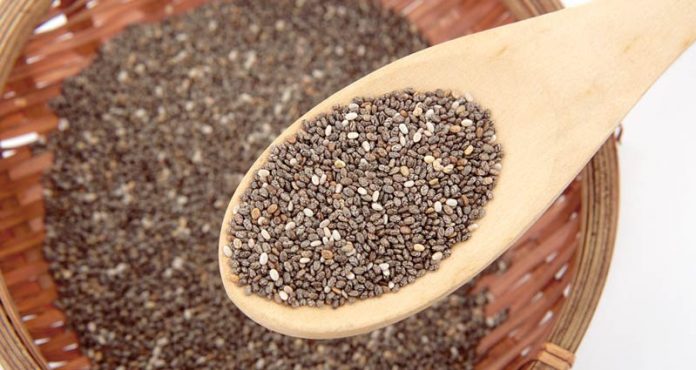
Chia seeds have gained popularity as a weight loss tool, but separating marketing claims from scientific reality is essential for making informed dietary choices. These tiny seeds from the Salvia hispanica plant offer specific nutritional properties that can support weight management when used appropriately. Understanding what the research actually says helps you decide whether adding chia seeds to your diet is worth the effort.
TL;DR
Here are the key scientific findings about chia seeds and weight loss, supported by recent research and clinical data. These points summarize what you need to know before incorporating chia seeds into your weight management plan.
- Chia seeds are high in fiber and protein – two tablespoons deliver 10 grams of fiber and 5 grams of protein – which can help reduce hunger between meals. (Mayo Clinic Health System, 2023)
- Research on chia seeds and direct weight loss is mixed: they work best as part of a calorie-controlled diet, not as a standalone solution. (Waruguru, Journal of Medical and Health Sciences, 2023)
- A 2024 meta-analysis found chia seed supplementation may help reduce waist circumference in people who are overweight. (Karimi et al., Nutrition & Metabolism, 2024)
- The practical benefit is satiety – chia seeds expand in your stomach, slowing digestion and keeping you full longer.
- Two tablespoons per day added to meals you already eat is a realistic, low-effort starting point.
What Are Chia Seeds and Why Do People Use Them for Weight Loss?
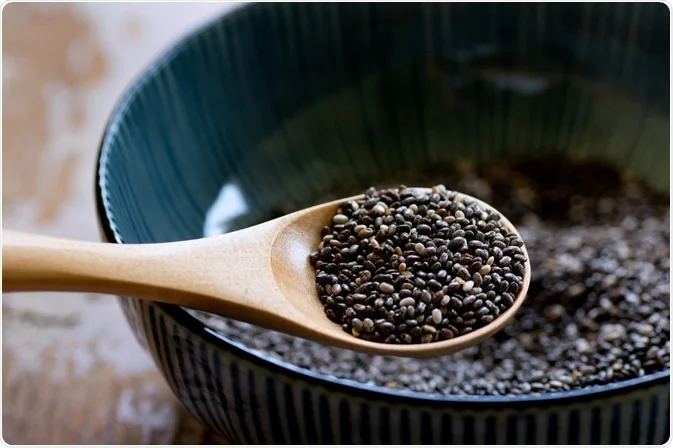
Chia seeds are small, edible seeds from the plant Salvia hispanica, native to Mexico and Guatemala, and they were a staple food for the Aztecs and Mayans. Today they appear in grocery stores worldwide as a nutritional add-on, and people use them for weight loss because of two specific properties: high fiber content and the ability to absorb water. When chia seeds absorb liquid, they expand to roughly 10-12 times their original size, according to the USDA FoodData Central (2025), and that expansion happens in your stomach too, which physically slows digestion and delays hunger.
They are not a fat-burning ingredient and do not boost metabolism or trigger any hormonal weight-loss effect. What they do is help you eat less by making you feel full for longer, and that is the mechanism worth understanding when considering how to incorporate them into your routine.
The Nutritional Profile of Chia Seeds: What’s in Two Tablespoons
Understanding the nutritional content of chia seeds helps explain why they might support weight management efforts. Two tablespoons (28 grams) of chia seeds contain the following, per USDA data:
| Nutrient | Amount per 2 tbsp (28g) |
|---|---|
| Calories | 140 |
| Fiber | 10-11 grams |
| Protein | 4-5 grams |
| Fat | 9 grams (mostly unsaturated) |
| Omega-3 fatty acids (ALA) | ~5 grams |
| Calcium | 18% of Daily Value |
| Magnesium | 23% of Daily Value |
(Harvard T.H. Chan School of Public Health, 2024)
The fiber number is the most important one for weight loss, as the average adult needs 25-38 grams of fiber per day and most people fall short according to the USDA Dietary Guidelines (2020). Two tablespoons of chia seeds cover roughly 30-40% of that daily target in one serving, which is significant for satiety and digestive health. Chia seeds are also a complete protein containing all nine essential amino acids, which is rare for a plant food and adds to the satiety effect of each serving (Harvard T.H. Chan School of Public Health, 2024).
How Chia Seeds Support Weight Loss: 3 Mechanisms That Matter
Understanding the specific mechanisms by which chia seeds may support weight loss helps you use them more effectively in your daily diet. These three mechanisms work together to create a cumulative effect on appetite control and calorie intake.
1. Soluble Fiber Slows Digestion and Reduces Appetite
The fiber in chia seeds includes soluble fiber and mucilage, the gel-like substance that forms when the seeds get wet, and this gel slows the movement of food through your digestive tract. A slower digestive process means two things: blood sugar rises more gradually after a meal and fullness signals stay active for longer. Slower digestion after high-fiber meals is consistently linked to lower total calorie intake across multiple studies (Harvard T.H. Chan School of Public Health, 2024).
This is not a dramatic effect, and you will not feel stuffed for hours after eating chia seeds, but the cumulative impact across weeks – slightly less hunger and slightly smaller portions – adds up in a calorie-controlled diet. The consistency of adding chia seeds to meals matters more than the immediate sensation of fullness after eating them.
2. High Protein Content Reduces Hunger Hormones
Protein is the most filling macronutrient, as it reduces levels of ghrelin (the hunger hormone) and increases levels of peptide YY, a hormone that signals fullness to your brain. Five grams of protein per two-tablespoon serving is modest on its own, but chia seeds are almost always added to food that already contains protein like yogurt, oats, or smoothies, which compounds the satiety effect of the whole meal. This combination effect is what makes chia seeds a practical addition rather than a standalone solution.
3. Low Calorie Density Relative to Nutritional Value
Chia seeds contain 140 calories per two-tablespoon serving, and for that calorie cost, you get 10 grams of fiber, 5 grams of protein, and significant amounts of calcium, magnesium, and omega-3 fatty acids. Calorie density – the number of calories relative to the weight and nutritional value of a food – matters a lot in weight management. Foods with high nutrient density and lower calorie density help you stay within a calorie target while still meeting your nutritional needs, making chia seeds an efficient choice for those watching their intake.
What the Research Actually Shows About Chia Seeds and Weight Loss
The honest answer is: the evidence is promising but not conclusive. A 2023 systematic review analyzed seven studies on chia seed consumption and weight loss. Four of those studies documented significant weight loss in participants who combined chia seeds with a calorie-reduced diet. Two studies showed minimal weight loss when chia seeds were eaten alongside a normal (unrestricted) diet.
That pattern tells you something important: chia seeds appear to help when you are already eating less, not when you add them on top of an unchanged diet. A 2024 review of 10 studies found that chia supplementation may help reduce waist circumference in people who are overweight. However, a separate 2025 review of 8 studies did not show chia seeds to have a significant effect on body weight or body composition overall.
On the appetite side, one study baked chia seeds into cookies at 14 to 25 grams per serving and measured participants’ appetite afterward. Chia reduced blood sugar spikes by 22 to 30 percent compared to cookies without chia. But hunger and fullness ratings did not change significantly. The metabolic benefit was real, but the “I feel full” effect was not consistent.
The bottom line: chia seeds are a useful dietary tool, not a weight-loss treatment. They work best as one part of a broader approach that includes a calorie deficit and regular activity.
How to Use Chia Seeds for Weight Loss: Practical Daily Options
You do not need special recipes or major meal changes. Chia seeds have a mild, neutral flavor — they absorb the taste of whatever they are mixed into.
Simple ways to add chia seeds to daily meals:
- Stir two tablespoons into overnight oats or yogurt before bed. By morning, the seeds absorb the liquid and thicken the meal, making it more filling.
- Add one tablespoon to a morning smoothie. The seeds blend in without changing the flavor.
- Mix into water or juice and let sit for 10 minutes before drinking. This is the simplest option with no preparation required.
- Sprinkle over a salad as a topping. Adds texture and fiber without altering the taste.
- Use soaked chia seeds as a partial thickener in soups or sauces.
How much to use: Two tablespoons (28 grams) per day is the standard amount used in most studies. Start with one tablespoon if you currently eat very little fiber — jumping to high fiber intake too quickly can cause bloating or digestive discomfort.
One important caution: Never eat dry chia seeds on their own and then drink water separately. The seeds can expand before reaching your stomach. Always soak them first or mix them into a moist food. (Harvard T.H. Chan School of Public Health, 2024)
Common Mistakes That Reduce the Effectiveness of Chia Seeds
- Adding chia seeds without reducing anything else: Chia seeds add 140 calories per serving. If you add them on top of your existing diet with no other changes, you are adding calories, not cutting them. The fiber benefit only works in a weight-loss context if total calorie intake is managed.
- Expecting fast results: The satiety effects of fiber are gradual and cumulative. Do not expect to feel dramatically less hungry in the first week. The benefit becomes more noticeable after two to four weeks of consistent use.
- Eating them dry: Dry chia seeds expand after you swallow them. Always soak them in water, milk, or yogurt for at least 10-15 minutes before eating — or mix them into a wet food like oatmeal or a smoothie.
- Ignoring the rest of the diet: Four studies showing weight loss with chia seeds all had one thing in common — participants were also on a calorie-reduced diet. Chia seeds do not override a poor diet.
Frequently Asked Questions About Chia Seeds for Weight Loss
What is the best time to eat chia seeds for weight loss?
There is no single best time, but eating them before or with a meal tends to be most practical. Adding them to breakfast — in oats, yogurt, or a smoothie — helps manage hunger through the morning. Some people also find that eating chia pudding as a late-night snack reduces the urge to eat more before bed.
How much chia seeds should I eat per day to lose weight?
Two tablespoons (28 grams) per day is the amount used in most research studies. This gives you around 10 grams of fiber and 5 grams of protein without adding an excessive calorie load. Do not exceed this amount expecting faster results — more fiber without more water intake can cause bloating and constipation.
Can chia seeds reduce belly fat specifically?
Not directly. No food targets fat loss in a specific body area. However, a 2024 meta-analysis found that chia seed supplementation may help reduce waist circumference in people who are overweight, which suggests some benefit for abdominal measurements when combined with a healthy diet.
Do chia seeds work without dieting or exercise?
The research says no. Studies that showed significant weight loss with chia seeds all involved participants who were also on a calorie-reduced diet. Studies where participants ate chia seeds alongside a normal, unrestricted diet showed minimal to no weight loss. Chia seeds are a support tool, not a replacement for a calorie deficit.
Are there any side effects of eating chia seeds?
For most people, chia seeds are safe. The main side effect is digestive discomfort – bloating, gas, or loose stools – when you increase fiber intake too quickly. Start with one tablespoon per day and build up gradually. People on blood thinners or heart medications should check with a doctor first, as omega-3 fatty acids can affect blood clotting. (Academy of Nutrition and Dietetics, 2023)
Can I eat chia seeds every day?
Yes. Two tablespoons per day is a reasonable daily amount for most healthy adults. Consistency matters more than timing – the fiber and satiety benefits accumulate over weeks, not days.
Key Takeaways
Chia seeds offer several benefits for weight management, but they are not a miracle solution. Here are the most important points to remember:
- Chia seeds support weight loss through fiber and protein, not through any fat-burning mechanism.
- The research is mixed, but the most consistent finding is that they help reduce waist circumference and manage appetite when combined with a calorie-reduced diet.
- Two tablespoons per day, soaked in liquid or mixed into food, is the practical starting point.
- They are a useful addition to a weight-loss plan – not the plan itself.
Recommended Article
12 Best Foods for Weight Loss That Actually Keep You Full
12 No-Cook Snacks That Actually Work for Weight Loss (Zero Recipes Required)
11 Best Weight Loss Breakfast Ideas That Keep You Full for Hours