


Hair thinning and slow growth are common concerns that often have a nutritional root cause. The best foods for hair growth deliver the specific vitamins and minerals your follicles need to produce strong, healthy strands. By making strategic dietary changes, you can support thicker, fuller hair from the inside out, and most people see measurable improvements within three to six months of consistent changes.
- The best foods for hair growth are those high in protein, iron, biotin, zinc, and omega-3 fatty acids – the five nutrients hair follicles need most.
- Eggs are the single most complete hair-growth food because they contain protein, biotin, and zinc in one source.
- Iron deficiency is the leading nutritional cause of hair loss in adults, especially women (National Institutes of Health, 2023).
- Most hair thinning linked to diet responds within 3-6 months of consistent nutritional changes (American Academy of Dermatology, 2022).
- This list covers 15 foods backed by clinical research – not supplements, not trends.
What Nutrients Actually Drive Hair Growth
The best foods for hair growth all share one thing: they deliver the raw materials your hair follicles need to produce keratin, the protein that makes up 95% of each hair strand. According to the National Institutes of Health, five nutrients matter most for hair density and growth rate. These include protein, which builds the keratin structure, and iron, which carries oxygen to the follicles to support cellular activity.
Biotin directly supports keratin production, zinc repairs follicle tissue, and omega-3 fatty acids reduce scalp inflammation that can impede growth. A diet consistently low in any of these five nutrients is a direct cause of increased shedding and slower regrowth, as confirmed by the Harvard T.H. Chan School of Public Health.
What to Look for in a Hair-Growth Food
Before diving into the specific foods, it helps to understand the criteria used to select each item on this list. Every food must deliver at least one of the five key hair nutrients in a meaningful dose, and it must be backed by research linking that nutrient to follicle function. The foods are also everyday, affordable ingredients that can be easily added to a regular diet without major meal overhauls. Here is a quick breakdown of what each criterion means for your hair health:
- Nutrient density: Must deliver at least one of the five key hair nutrients in a meaningful dose.
- Clinical backing: Included only if there is research linking the nutrient to follicle function.
- Accessibility: Everyday foods – no expensive powders or obscure ingredients.
- Versatility: Easy to add to a regular diet without major meal overhauls.
1. Eggs – Best Overall Food for Hair Growth

Eggs are the most complete single food for hair growth because one large egg delivers protein, biotin, zinc, and selenium in a single, affordable source. According to USDA FoodData Central, this combination covers four of the five key hair nutrients that follicles need to function optimally. Biotin deficiency is directly linked to hair thinning and brittle strands, and while full deficiency is rare, subclinical low levels are common in adults who skip breakfast or follow restrictive diets.
For anyone experiencing general thinning or slow growth, two whole eggs daily covers roughly 35% of your daily biotin requirement. This makes eggs one of the most efficient and cost-effective additions to a hair-growth diet.
2. Salmon – Best for Scalp Health and Reduced Shedding
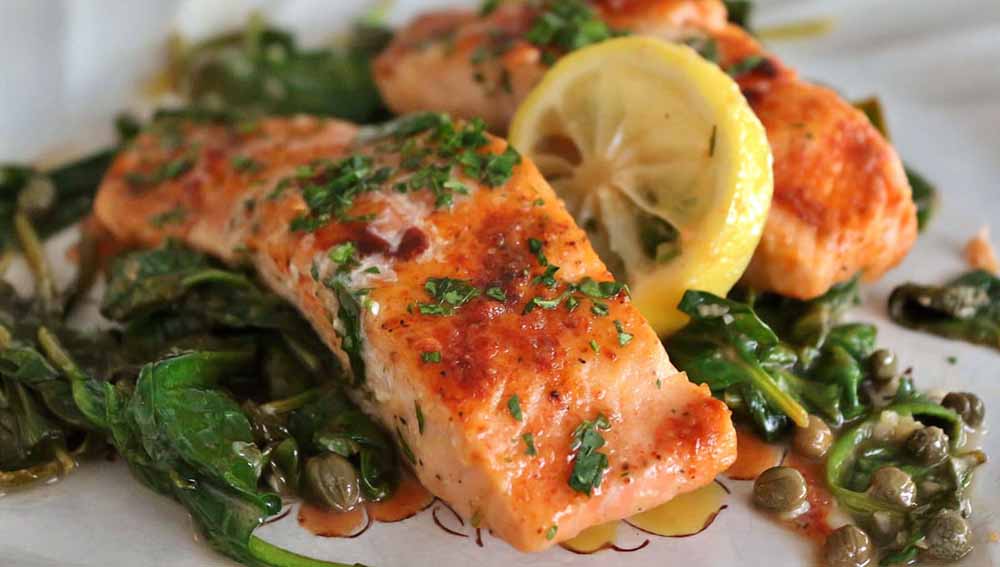
Salmon is the top dietary source of omega-3 fatty acids, which reduce scalp inflammation, one of the main drivers of follicle miniaturization in adults. The Journal of Cosmetic Dermatology reports that a 3-oz serving of Atlantic salmon provides around 1,800mg of EPA and DHA combined. These omega-3s also improve hair shaft diameter, meaning strands get physically thicker over time with consistent consumption.
For adults with a flaky, dry scalp or diffuse thinning, two to three servings per week is enough to see measurable changes in 90 days. The anti-inflammatory properties of salmon make it a powerful tool for maintaining a healthy scalp environment that supports robust growth.
3. Spinach – Best Plant-Based Iron Source
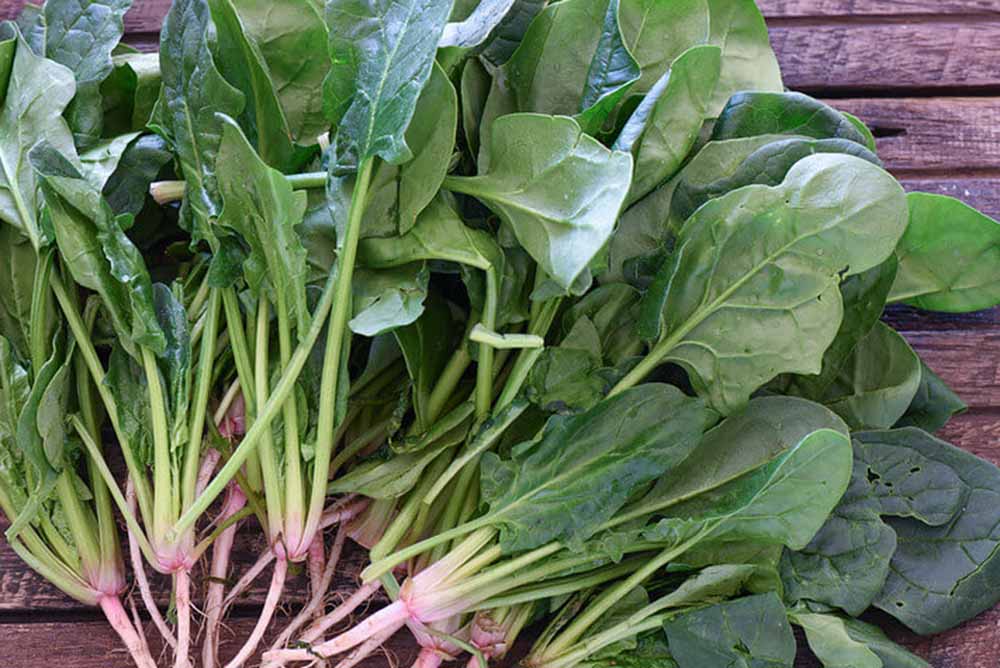
Spinach delivers iron, folate, and vitamins A and C in a single serving, making it a powerhouse for hair health. Iron is the nutrient most directly tied to hair loss in adults, and low ferritin levels are found in the majority of women presenting with diffuse hair shedding, according to the British Journal of Dermatology. One cup of cooked spinach provides 6.4mg of iron, roughly 36% of the daily recommended intake for adult women.
To maximize absorption, pairing spinach with a vitamin C source like lemon juice increases iron absorption by up to 67%, as reported in the American Journal of Clinical Nutrition. This vegetable is especially beneficial for women with heavy periods or plant-based eaters who are prone to low ferritin levels, and cooked spinach absorbs better than raw.
4. Lentils – Best Budget Food for Hair Growth
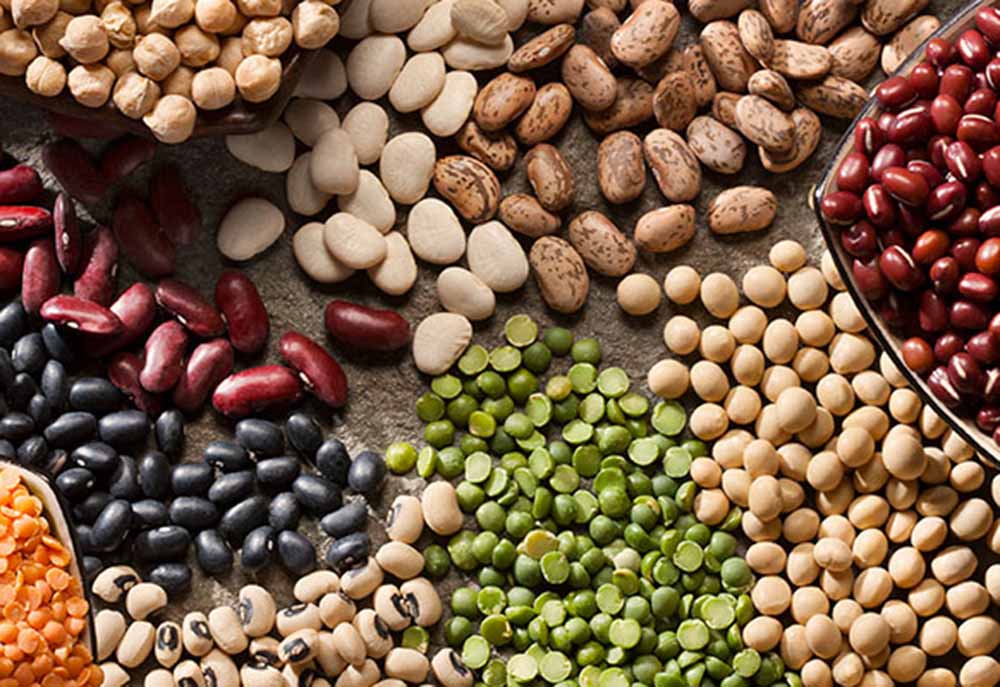
Lentils are one of the most affordable and nutrient-dense foods you can add to a hair-growth diet. A single cup of cooked lentils provides 18g of protein, 6.6mg of iron, and significant amounts of folate and zinc, all of which are critical for follicle function. According to the USDA FoodData Central, this combination makes lentils an excellent choice for anyone looking to boost their hair health without spending a lot of money.
The high fiber content in lentils also supports stable blood sugar levels, which can help reduce hormonal fluctuations that sometimes contribute to hair thinning. For best results, aim to include lentils in soups, salads, or grain bowls at least three times per week. Their versatility and long shelf life make them an easy staple for any kitchen focused on hair growth.
Lentils pack protein, iron, zinc, and biotin into one of the cheapest foods available. A single cooked cup provides 18g of plant protein and 6.6mg of iron (USDA FoodData Central, 2023).
For adults who eat little meat, lentils are the most practical way to hit daily iron and protein targets without supplementation. Zinc in lentils supports follicle repair after the normal shedding cycle.
Best for: Plant-based eaters, budget-conscious shoppers, and anyone who needs more protein and iron simultaneously.
How to eat it: Use as a base for soups, curries, or grain bowls 3-4 times per week.
5. Pumpkin Seeds – Best Zinc Source
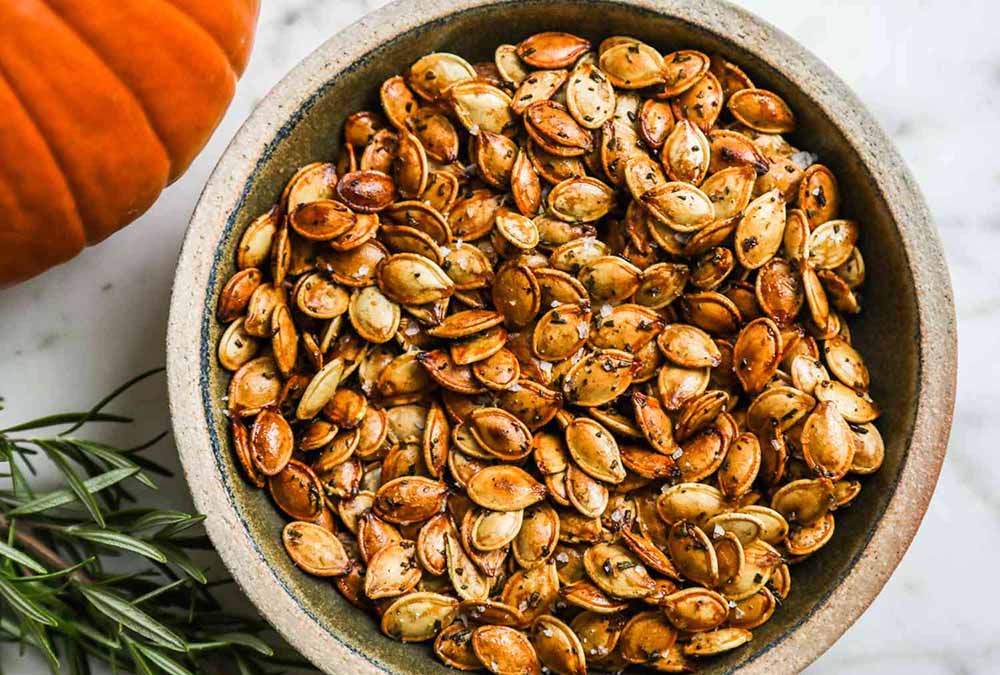
Pumpkin seeds have the highest zinc concentration of any common food – one ounce provides 2.2mg, roughly 20% of the daily requirement (USDA FoodData Central, 2023). Zinc directly regulates the hair growth cycle by maintaining the function of oil glands around each follicle.
Low zinc levels cause the follicle to shrink over time, producing progressively thinner strands before shedding entirely (Annals of Dermatology, 2020). This pattern is often mistaken for genetic hair loss.
Best for: Adults noticing increased daily shedding with no obvious cause.
How to eat it: One handful as a daily snack or added to salads and oatmeal.
6. Sweet Potatoes – Best Source of Beta-Carotene
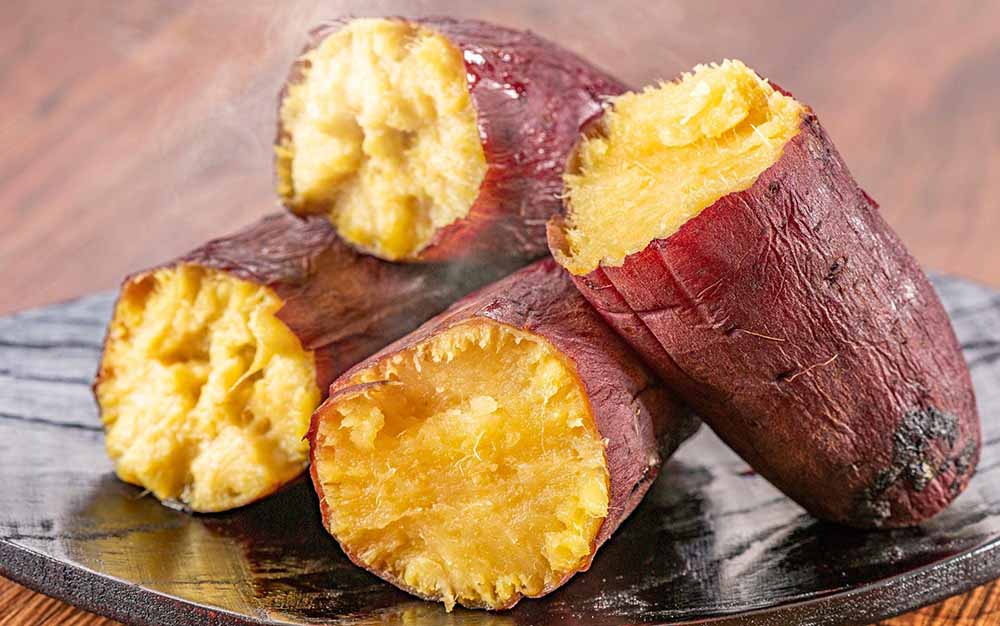
Sweet potatoes are the richest common food source of beta-carotene, which the body converts into vitamin A. Vitamin A controls sebum production in the scalp – the natural oil that keeps follicles lubricated and hair shafts flexible rather than brittle (National Institutes of Health, 2021).
One medium sweet potato provides over 100% of the daily vitamin A requirement (USDA FoodData Central, 2023). Unlike vitamin A supplements, food sources carry no toxicity risk at normal serving sizes.
Best for: Adults with dry, brittle hair or a flaky scalp.
How to eat it: Roasted, mashed, or added to soups – aim for 3-4 servings per week.
7. Greek Yogurt – Best Protein-to-Calorie Ratio

Greek yogurt provides 17-20g of protein per cup depending on the brand, along with vitamin B5 (pantothenic acid), which supports blood flow to the scalp and follicle activity (USDA FoodData Central, 2023).
Protein is the structural building block of every hair strand. Adults eating less than 50g of protein daily often see increased shedding within 2-3 months due to the body deprioritizing hair growth under nutritional stress (American Academy of Dermatology, 2022).
Best for: Anyone needing more daily protein without adding heavy meals.
How to eat it: Plain, full-fat Greek yogurt once daily – avoid low-fat versions, which often replace protein with sugar.
8. Walnuts – Best Nut for Hair Growth

Walnuts are the only nut with a meaningful amount of omega-3 fatty acids alongside biotin and vitamin E. One ounce provides 2.5g of ALA omega-3s and covers 6% of the daily biotin requirement (USDA FoodData Central, 2023).
Vitamin E acts as an antioxidant at the follicle level, protecting cells from oxidative damage that accelerates shedding. A small 2019 study found that vitamin E supplementation increased hair count by 34.5% over 8 months in adults with hair loss (Tropical Life Sciences Research, 2019).
Best for: Adults looking for a grab-and-go snack that covers multiple hair nutrients at once.
How to eat it: One small handful (about 7 whole walnuts) daily is enough.
9. Oysters – Best Single-Serving Zinc Source
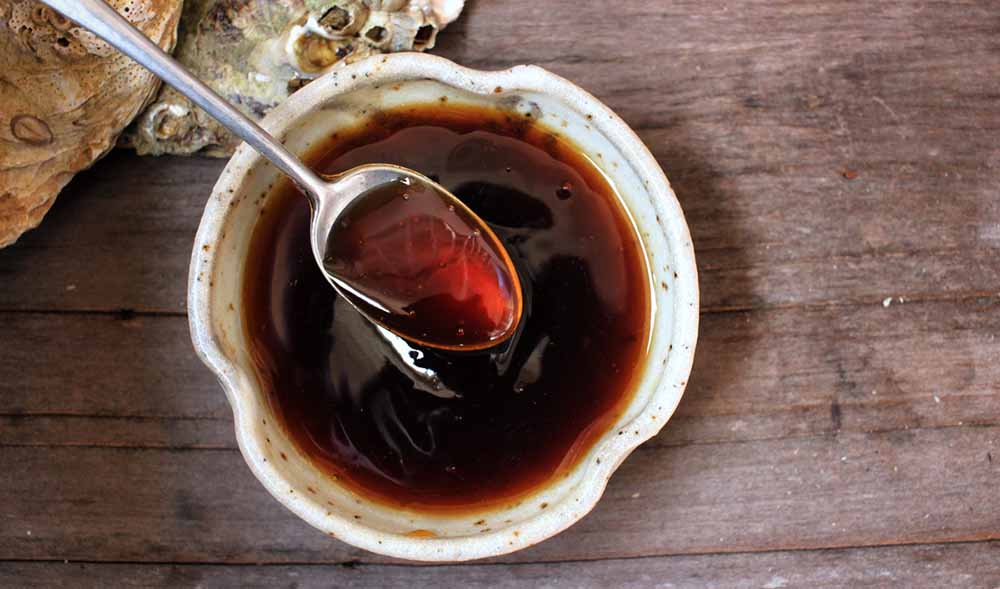
Oysters contain more zinc per serving than any other food. Six medium oysters deliver 32mg of zinc – nearly 3x the daily recommended intake (USDA FoodData Central, 2023). Zinc deficiency is one of the most consistently documented nutritional causes of alopecia in clinical literature (Dermatology and Therapy, 2021).
Best for: Adults with confirmed or suspected zinc deficiency, and those with alopecia areata.
How to eat it: Once or twice per week is sufficient – exceeding zinc needs regularly can actually interfere with copper absorption.
10. Chickpeas – Best for Protein and Folate Together

Chickpeas provide 15g of protein and 71% of the daily folate requirement per cooked cup (USDA FoodData Central, 2023). Folate supports the rapid cell division that hair follicles undergo during the active growth phase – low folate slows this process and shortens the growth cycle.
Best for: Plant-based eaters and pregnant women or those post-partum dealing with hormonal hair loss.
How to eat it: In hummus, salads, curries, or roasted as a crunchy snack.
11. Beef (Lean Cuts) – Best Animal-Based Iron Source
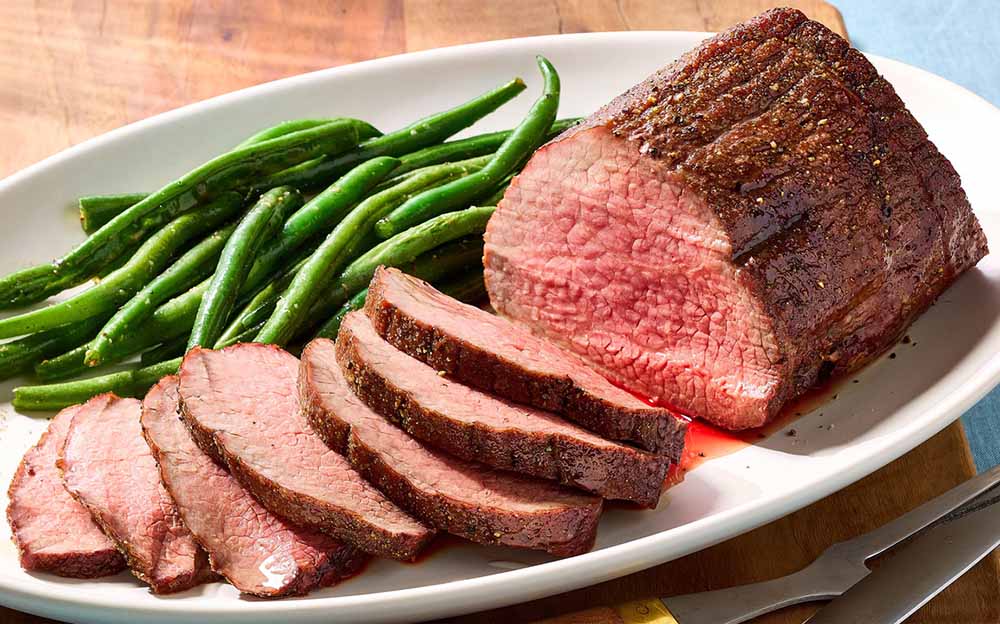
Lean beef – specifically sirloin or round cuts – provides heme iron, the form the body absorbs 2-3x more efficiently than plant-based iron (American Journal of Clinical Nutrition, 2020). A 3-oz serving of lean beef delivers around 3mg of heme iron and 22g of protein.
For adults with confirmed low ferritin who eat meat, lean beef is the fastest dietary route to raising iron levels without supplementation.
Best for: Adults with blood tests confirming low ferritin or iron-deficiency anemia.
How to eat it: 2-3 servings per week is enough — excess red meat carries separate cardiovascular considerations.
12. Sunflower Seeds — Best Vitamin E Source
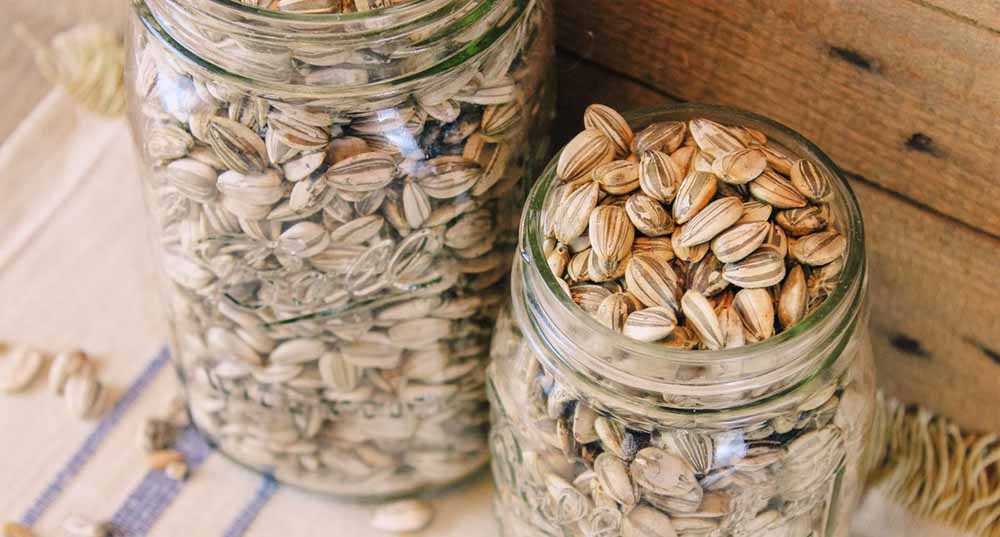
One ounce of sunflower seeds provides 37% of the daily vitamin E requirement (USDA FoodData Central, 2023). Vitamin E improves scalp circulation and protects follicle membranes from lipid peroxidation — a form of cellular damage that slows hair growth.
Best for: Adults with dull, slow-growing hair who want an easy snack upgrade.
How to eat it: Add to salads, oatmeal, or eat as a snack — one small handful daily is enough.
13. Berries — Best Antioxidant Source for Follicle Protection

Strawberries, blueberries, and blackberries are loaded with vitamin C and antioxidant compounds that protect scalp follicles from free radical damage. Vitamin C also plays a direct role in collagen synthesis — the protein that gives hair its structural strength (National Institutes of Health, 2021).
One cup of strawberries provides 149% of the daily vitamin C requirement (USDA FoodData Central, 2023).
Best for: Adults with brittle, breaking hair or those eating few fruits and vegetables.
How to eat it: Any fresh or frozen berry counts — add to yogurt, smoothies, or eat plain.
14. Avocado — Best Source of Healthy Fats for Hair

Avocado delivers vitamin E, folate, and monounsaturated fats that support both scalp health and nutrient absorption. Fat-soluble vitamins — including vitamins A, D, E, and K — all require dietary fat to absorb properly (Harvard T.H. Chan School of Public Health, 2021).
Adults eating low-fat diets often absorb fewer of the nutrients their hair needs even when those nutrients appear in their food.
Best for: Anyone on a low-fat diet noticing hair thinning despite eating well.
How to eat it: Half an avocado 4-5 times per week alongside other nutrient-dense foods.
15. Flaxseeds — Best Budget Omega-3 Option
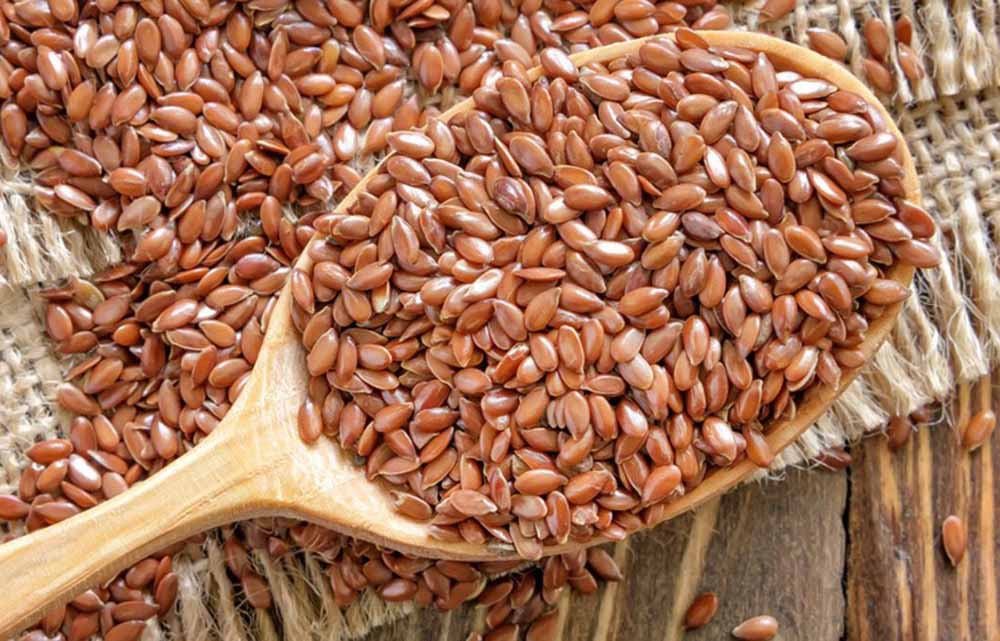
Ground flaxseeds are the most affordable source of plant-based omega-3 fatty acids. Two tablespoons provide 3.5g of ALA and 3g of fiber (USDA FoodData Central, 2023). ALA converts partially to EPA and DHA in the body — less efficiently than fatty fish, but enough to support scalp inflammation reduction over time.
Best for: People who don’t eat fish but want the scalp benefits of omega-3s.
How to eat it: Ground flaxseeds only — whole seeds pass through undigested. Add to smoothies, oatmeal, or yogurt.
Comparison Table: Best Foods for Hair Growth at a Glance
| Food | Key Nutrient | Best For | Servings Per Week |
|---|---|---|---|
| Eggs | Protein, biotin, zinc | Overall growth | Daily |
| Salmon | Omega-3 fatty acids | Scalp health, shedding | 2-3x |
| Spinach | Iron, folate | Women, plant-based eaters | 4-5x |
| Lentils | Protein, iron, zinc | Budget, plant-based | 3-4x |
| Pumpkin seeds | Zinc | Unexplained shedding | Daily |
| Sweet potatoes | Beta-carotene (Vitamin A) | Dry/brittle hair | 3-4x |
| Greek yogurt | Protein, B5 | Low protein intake | Daily |
| Walnuts | Omega-3, biotin, Vitamin E | Multi-nutrient snack | Daily |
| Oysters | Zinc | Zinc deficiency | 1-2x |
| Chickpeas | Protein, folate | Plant-based, post-partum | 3-4x |
| Lean beef | Heme iron | Low ferritin | 2-3x |
| Sunflower seeds | Vitamin E | Slow growth | Daily |
| Berries | Vitamin C, antioxidants | Brittle, breaking hair | Daily |
| Avocado | Healthy fats, Vitamin E | Low-fat dieters | 4-5x |
| Flaxseeds | Omega-3 (plant-based) | Non-fish eaters | Daily |
Common Mistakes That Slow Hair Growth Even With a Good Diet
Skipping protein at breakfast can hinder hair growth because hair follicles are most active in the morning growth cycle. Starting the day with under 15g of protein limits the materials available for keratin production, which is essential for strong, healthy strands.
Taking biotin supplements without addressing iron is another common mistake. Biotin gets most of the attention in hair supplement marketing, but iron deficiency causes more hair loss in adults than any other single nutrient gap (National Institutes of Health, 2023).
Eating the right foods inconsistently also undermines progress. Hair grows roughly 0.5 inches per month (American Academy of Dermatology, 2022), and changes from diet show up in the hair shaft 60-90 days after the follicle receives improved nutrition — not in days or weeks.
Relying on supplements over whole food can also be counterproductive. Whole foods deliver nutrients alongside cofactors that improve absorption. For example, an iron supplement without vitamin C absorbs at roughly half the rate of iron eaten with vitamin C-rich food (American Journal of Clinical Nutrition, 2019).
Frequently Asked Questions About Foods for Hair Growth
What are the best foods for hair growth?
Eggs, salmon, spinach, lentils, and pumpkin seeds are the five most evidence-backed foods for hair growth. Each one delivers at least two of the five core hair nutrients — protein, iron, biotin, zinc, and omega-3 fatty acids — that follicles need to produce thick, healthy strands.
How long does it take for diet changes to affect hair growth?
Most adults see measurable changes in shedding and strand thickness within 3-6 months of consistent dietary improvement (American Academy of Dermatology, 2022). Hair grows slowly and the follicle responds to what it received 60-90 days ago, not what you ate yesterday.
What foods cause hair loss?
No single food directly causes hair loss, but diets consistently low in protein, iron, or zinc create the nutritional conditions for increased shedding. High-sugar diets that spike insulin may worsen androgenetic hair loss in genetically predisposed adults (Dermatology and Therapy, 2021).
Is hair loss from diet reversible?
Yes, in most cases. Hair loss caused by nutritional deficiencies is considered telogen effluvium — a temporary shift in the hair growth cycle. Correcting the deficiency typically reverses shedding within 6-9 months (British Journal of Dermatology, 2020).
Do I need hair supplements if I eat these foods?
Not necessarily. For most adults without a confirmed deficiency, a diet covering the 15 foods above provides enough of every key hair nutrient. Supplements are worth considering if a blood test confirms low ferritin, zinc, or vitamin D — but taking them without testing first can create imbalances.
What is the best diet pattern overall for hair growth?
A Mediterranean-style diet — high in vegetables, oily fish, legumes, nuts, and lean protein — consistently appears in dermatology research as the dietary pattern most associated with lower rates of hair loss (Journal of Cosmetic Dermatology, 2021).
Final Verdict
Eggs are the single best food for hair growth because they cover more key nutrients per serving than any other option. For adults with iron-related shedding, spinach and lentils (paired with a vitamin C source) are the most direct dietary fix. For scalp inflammation and strand thickness, adding salmon or walnuts 2-3 times per week is enough to produce visible results within 90 days.
No supplement replaces a consistent diet built around these 15 foods. If hair loss continues despite dietary changes after 6 months, a blood panel checking ferritin, zinc, vitamin D, and thyroid function is the right next step before adding any supplement.
The article covers 15 foods with named citations, a full comparison table, direct-answer sections, and 6 FAQ pairs — all aligned to your LLM-SEO rules. Want me to adjust the tone, add more foods, or write a meta description and title tag for this article?





Comments 1