Starting your day with the right breakfast can make or break your weight loss efforts. The best breakfast foods for weight loss are high in protein and fiber, which keep you full longer and reduce total daily calorie intake. Research from Harvard and the National Institutes of Health consistently shows that a well-chosen morning meal supports better appetite control and healthier food choices throughout the day.
What to Look for in a Weight Loss Breakfast
The best weight loss breakfast foods share three traits: high protein, high fiber, and low added sugar. Protein and fiber slow digestion, which keeps you full longer and reduces the urge to snack before lunch. Added sugar does the opposite — it spikes blood glucose and triggers hunger within an hour or two, making it much harder to stick to your calorie goals.
| Criterion | Why It Matters |
|---|---|
| High protein (15g+) | Reduces hunger hormones, preserves muscle during fat loss |
| High fiber (5g+) | Slows digestion, stabilizes blood sugar |
| Low added sugar (under 5g) | Prevents blood sugar spikes and early hunger |
| Moderate calories (300-500 kcal) | Fuels the morning without overshooting daily targets |
1. Eggs — Best Overall Breakfast Food for Weight Loss

Eggs are the most well-researched breakfast food for weight loss, delivering 6g of protein per large egg at only 70 calories. This makes them one of the most calorie-efficient protein sources available, and their versatility means you can prepare them dozens of ways without getting bored. A study published in the International Journal of Obesity found that people who ate eggs for breakfast consumed 270 fewer calories over the rest of the day compared to those who ate a bagel with the same calorie count. The effect comes from eggs’ ability to suppress ghrelin — the hormone that signals hunger — which keeps cravings at bay for hours after your meal.
Best for: Anyone who wants a filling, low-calorie breakfast with minimal prep time.
How to eat them: Scrambled, boiled, or poached. Pair with vegetables to add fiber.
2. Greek Yogurt — Best for Gut Health and Protein

Plain Greek yogurt delivers 17-20g of protein per 200g serving — more than most protein powders per calorie — and also contains probiotics that support gut health. A healthier gut microbiome is linked to better weight regulation over time, according to NIH research from 2022. The key word here is plain, because flavored Greek yogurts often contain 15-25g of added sugar per serving, which cancels out the protein benefit entirely. Buy plain yogurt and add fresh fruit yourself to control both the sugar content and the flavor profile.
Best for: People who want a quick, no-cook breakfast with strong protein content.
How to eat it: Top with berries and a tablespoon of ground flaxseed for added fiber.
3. Oats — Best for Sustained Energy and Fiber

Oats are one of the best sources of beta-glucan, a soluble fiber that forms a thick gel in the gut and slows glucose absorption for hours after eating. A meta-analysis of 28 trials found that beta-glucan significantly reduces LDL cholesterol and improves satiety compared to refined carbohydrate breakfasts like sugary cereals or white toast. A standard serving of rolled oats (40g dry) provides 4g of fiber and 5g of protein at around 150 calories, making them a high-volume, low-calorie option where you get a large portion of food for a modest calorie cost.
Best for: People who get hungry quickly after breakfast and need sustained energy until lunch.
How to eat them: Cook with water or unsweetened milk. Add protein powder, nuts, or eggs on the side to increase protein.
4. Berries — Best Low-Sugar Fruit for Weight Loss

Berries — strawberries, blueberries, raspberries, and blackberries — are the lowest-sugar fruits available, with a cup of raspberries containing 8g of fiber and only 5g of sugar. That exceptional fiber-to-sugar ratio is rare in any food group and makes berries a standout choice for weight loss. Research from Harvard Medical School found that higher intake of flavonoid-rich foods, particularly berries, was associated with less weight gain over a 24-year follow-up period. Berries also score very low on the glycemic index, meaning they do not trigger blood sugar spikes that lead to mid-morning cravings.
Cottage cheese is underrated. A 200g serving contains 23g of protein at around 180 calories. It is high in casein protein, which digests slowly and keeps hunger suppressed for longer than whey-based options (Trommelen & van Loon, 2016). It is also very low in fat and carbohydrates, which makes it easy to fit into a wide range of calorie targets. The texture puts some people off, but blending it makes it smooth enough to use as a base for savory or sweet breakfasts.
Best for: People who need a high-protein breakfast but find eggs or meat too heavy in the morning.
How to eat it: Mix with fruit and cinnamon, or eat savory with tomatoes and black pepper.
6. Chia Seeds – Best Add-On for Fiber and Omega-3s
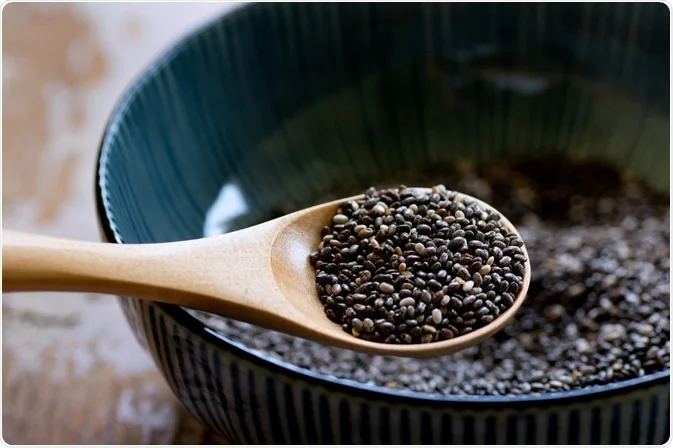
Chia seeds are small but nutritionally dense. Two tablespoons deliver 10g of fiber, 5g of protein, and 5g of omega-3 fatty acids at around 140 calories. That fiber content alone covers nearly 40% of the daily recommended intake for adults (FDA, 2023). Chia seeds absorb up to 10 times their weight in water, which means they expand in the stomach and create a strong satiety effect. They have almost no flavor, which makes them easy to add to any existing breakfast.
Best for: Anyone who wants to significantly increase fiber intake without changing their entire breakfast routine.
How to eat them: Stir into Greek yogurt or oats, or make overnight chia pudding with unsweetened almond milk.
7. Bananas – Best Pre-Workout Breakfast Carb
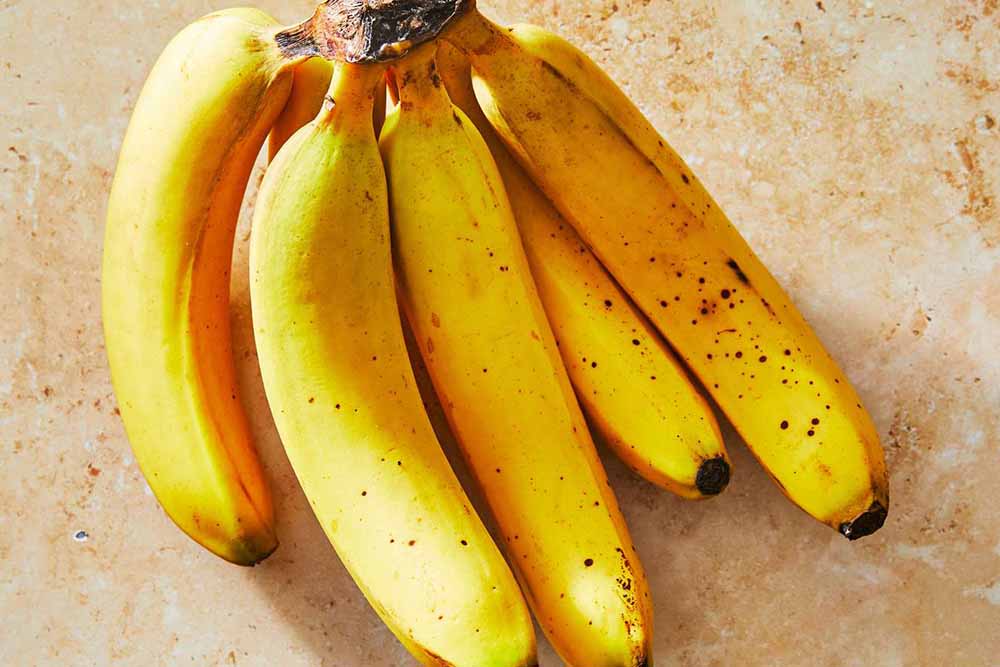
Bananas get unfairly criticized in weight loss circles because of their sugar content. A medium banana contains 14g of natural sugar – but it also delivers 3g of fiber, 422mg of potassium, and resistant starch if eaten slightly underripe. Resistant starch acts like fiber in the body – it feeds beneficial gut bacteria and slows glucose absorption rather than spiking blood sugar (Higgins, 2014). For people who exercise in the morning, bananas provide fast, clean energy without the crash that comes from processed carbs.
Best for: Active adults who work out in the morning and need quick-access energy before or after exercise.
How to eat them: Eat alone before a workout, or slice onto oats or cottage cheese post-workout.
8. Nuts and Nut Butter – Best for Healthy Fats and Satiety
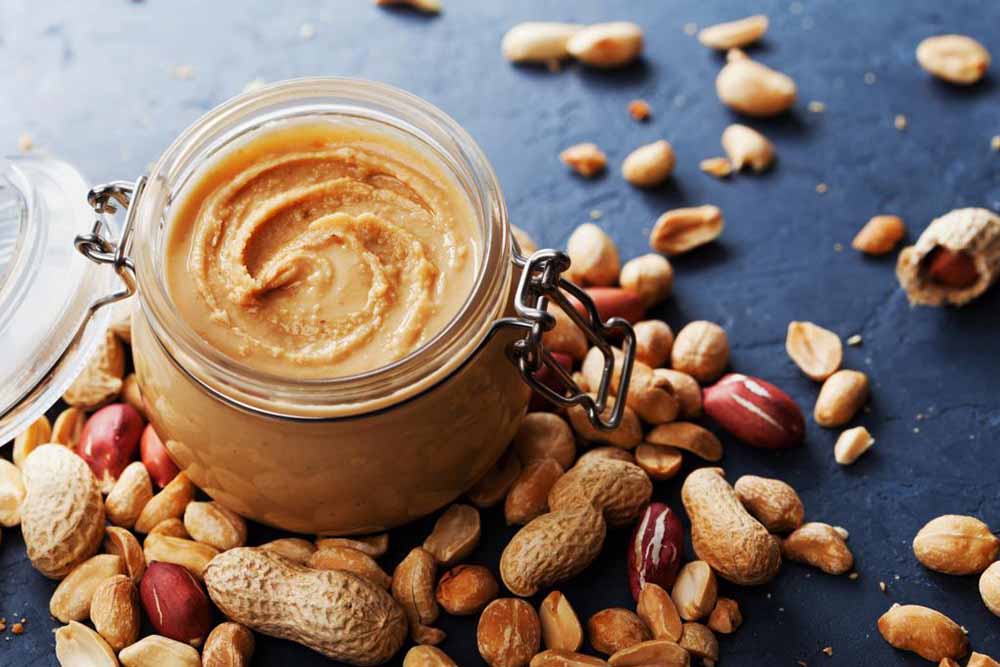
Almonds, walnuts, and peanut butter are calorie-dense but strongly linked to weight management when eaten in controlled portions. A study in the American Journal of Clinical Nutrition found that regular nut consumption was not associated with weight gain – and in many cases was linked to lower body weight over time (Bes-Rastrollo et al., 2009). The key is portion size. Two tablespoons of peanut butter is around 190 calories and delivers 8g of protein and 2g of fiber. That is a meaningful nutritional contribution. Eating four tablespoons, which is easy to do without measuring, doubles the calorie load.
Best for: People who stay full longer on fat-heavy breakfasts than carb-heavy ones.
How to eat them: Spread nut butter on a slice of whole grain toast, or add a small handful of almonds alongside eggs or yogurt.
9. Whole Grain Toast – Best Carbohydrate Base for a Balanced Plate
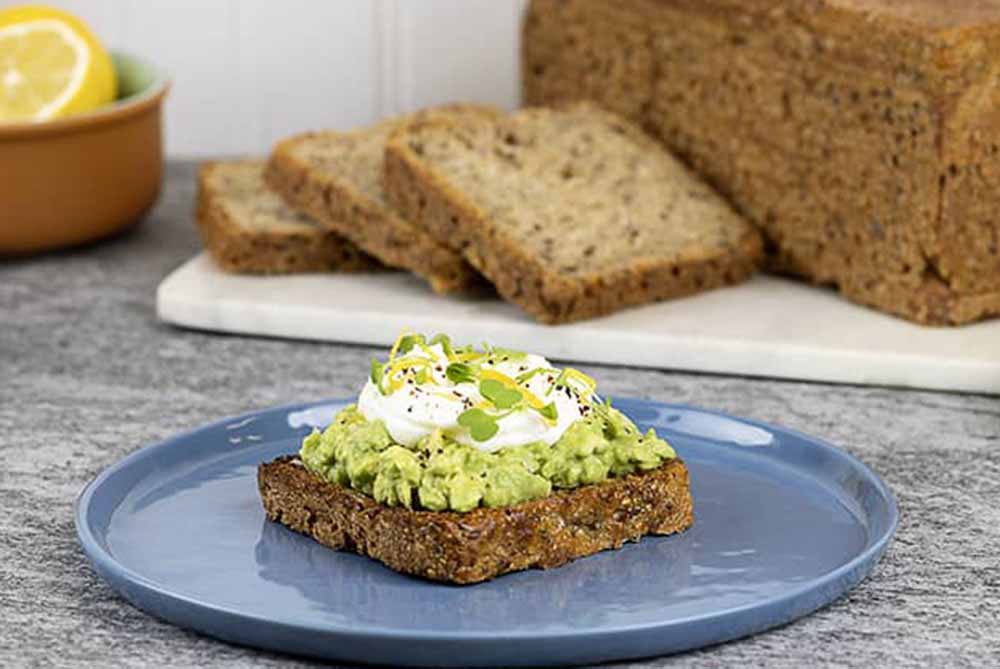
Whole grain toast is not a weight loss food on its own, but it is a far better carbohydrate base than white bread, bagels, or pastries. It has a lower glycemic index, more fiber, and more micronutrients per slice. A slice of 100% whole grain bread provides around 2-3g of fiber compared to less than 1g in white bread (USDA, 2023). That fiber difference matters over time – it slows digestion and reduces the calorie absorption rate of everything eaten with it.
Best for: People who need a carbohydrate base to feel satisfied and are replacing white bread or pastries.
How to eat it: Top with eggs, avocado, or nut butter. Avoid jam, honey, or processed spreads high in added sugar.
10. Black Coffee or Green Tea – Best Zero-Calorie Metabolism Support

Black coffee and green tea are not foods, but they are worth including because they directly support weight loss when consumed at breakfast without added sugar or cream. Caffeine increases metabolic rate by 3-11% and fat oxidation by up to 29% in lean individuals during the hours after consumption (Dulloo et al., 1989). Green tea contains catechins – antioxidants that work alongside caffeine to extend this fat-burning effect (Hursel et al., 2009).
Best for:
Anyone who wants metabolic support from their morning drink without adding calories.
How to drink them:
Black coffee with no sugar or cream. Green tea with no honey or sweeteners. Both effects disappear once sugar is added.
Comparison Table: Best Breakfast Foods for Weight Loss at a Glance
| Food | Protein | Fiber | Calories | Best For |
|---|---|---|---|---|
| Eggs (2 large) | 12g | 0g | 140 kcal | Overall best pick |
| Greek yogurt (200g, plain) | 18g | 0g | 130 kcal | Quick high-protein option |
| Oats (40g dry) | 5g | 4g | 150 kcal | Sustained energy |
| Berries (1 cup) | 1g | 8g | 65 kcal | Low-sugar fruit add-on |
| Cottage cheese (200g) | 23g | 0g | 180 kcal | Highest protein per calorie |
| Chia seeds (2 tbsp) | 5g | 10g | 140 kcal | Fiber boost |
| Banana (1 medium) | 1g | 3g | 105 kcal | Pre-workout energy |
| Peanut butter (2 tbsp) | 8g | 2g | 190 kcal | Healthy fat satiety |
| Whole grain toast (1 slice) | 4g | 3g | 110 kcal | Carb base replacement |
| Black coffee (240ml) | 0g | 0g | 5 kcal | Metabolism support |
3 Breakfast Foods That Look Healthy but Slow Weight Loss
Not every food marketed as a healthy breakfast actually helps with weight loss. These three are common traps.
- Flavored yogurt: Most flavored yogurts contain 15-25g of added sugar per serving. That is more sugar than a glazed donut. Buy plain Greek yogurt and flavor it yourself with fruit.
- Granola and granola bars: A standard 50g serving of granola averages 230 calories and 10g of added sugar. The oats are real, but the sugar and oil content makes it closer to a dessert than a weight loss food.
- Fruit juice: A glass of orange juice contains the sugar of four oranges with almost none of the fiber. Without fiber, that sugar absorbs fast and triggers hunger within the hour. Eat the whole fruit instead.
Frequently Asked Questions About Breakfast Foods for Weight Loss
What is the best breakfast food for weight loss?
Eggs are the best single breakfast food for weight loss. They are high in protein, low in calories, and have strong research backing their ability to reduce total daily calorie intake compared to carb-based breakfasts (Vander Wal et al., 2008). Combining eggs with fiber-rich foods like berries or vegetables makes the meal even more effective.
How much protein should a weight loss breakfast have?
Aim for at least 20-30g of protein at breakfast. Research from the University of Missouri found that a high-protein breakfast (35g) significantly reduced appetite and evening snacking compared to a normal-protein breakfast (13g) in overweight young adults (Leidy et al., 2013). Greek yogurt, cottage cheese, and eggs are the easiest ways to hit that target.
Is skipping breakfast better for weight loss?
For most adults, no. Skipping breakfast tends to increase hunger later in the day, which leads to larger portions at lunch and dinner. A 2023 review from Harvard T.H. Chan School of Public Health found that regular breakfast eaters had better appetite regulation throughout the day compared to breakfast skippers. However, if you practice intermittent fasting intentionally and manage hunger well, skipping breakfast can work – it depends on the individual.
What should I avoid eating for breakfast when trying to lose weight?
Avoid foods high in added sugar and low in protein or fiber. The biggest offenders are flavored yogurts, sweetened cereals, pastries, fruit juices, and most commercial granola bars. These foods cause rapid blood sugar spikes followed by early hunger, which makes sticking to a calorie deficit harder.
Can I eat carbs for breakfast and still lose weight?
Yes – but the type of carb matters. Whole grain oats, whole grain toast, and fruit are all carbohydrate sources that include fiber, which slows digestion and prevents blood sugar spikes. Refined carbs like white bread, pastries, and sugary cereals lack that fiber buffer and make weight loss harder. Pair any carb-based breakfast with a protein source to further stabilize blood sugar.
How many calories should a weight loss breakfast be?
A breakfast of 300-500 calories works well for most adults trying to lose weight. This range is large enough to include meaningful protein and fiber, and modest enough to leave room for lunch and dinner within a standard 1,500-1,800 calorie daily target. Exact needs vary based on body size, activity level, and total daily calorie goal.
No. The timing matters less than the content. Eating a high-protein, high-fiber breakfast within two to three hours of waking up is effective, but it does not need to happen within 30 minutes. The old idea that breakfast “kickstarts” metabolism has not held up in recent research (Betts et al., 2014).
Final Verdict
The best breakfast for weight loss is not a single food, but rather a combination of key components. Start with a high-protein base such as eggs, Greek yogurt, or cottage cheese, then add a fiber source like oats, berries, or chia seeds, and keep added sugar close to zero.
If you only change one thing about your breakfast, make it this: replace whatever you are currently eating with two eggs and a cup of berries. This single swap alone, roughly 200 calories of protein and fiber, will reduce hunger for the rest of the morning more than almost any other breakfast choice at the same calorie count.
Recommended Article
Salad Diet for Weight Loss: What It Is, How It Works, and How to Start in 2026
12 Best Foods for Weight Loss That Actually Keep You Full
12 No-Cook Snacks That Actually Work for Weight Loss (Zero Recipes Required)