

Losing weight is not about extreme restriction or eliminating entire food groups — it is about choosing the right foods at the right times to support your body’s natural metabolism. While the fundamental principle of weight loss is consuming fewer calories than you burn, the specific foods you select determine how comfortable and sustainable that calorie deficit feels. This guide breaks down exactly what to eat for breakfast, lunch, and dinner to lose weight effectively, backed by nutritional science and practical strategies.
Why the Foods You Choose Matter as Much as the Calories
Weight loss happens when you eat fewer calories than your body uses. That part is not complicated. What makes it hard is staying in a calorie deficit without feeling constantly hungry, tired, or deprived. The right foods make a deficit easier to hold, as protein keeps you full longer, fiber slows digestion, and whole foods have fewer calories per gram than processed ones. These are not tricks — they are the basic mechanics of how food affects hunger, and this article covers what to eat at each meal, why it works, and how to build a simple daily pattern you can actually stick to.
What to Eat for Breakfast to Lose Weight
The best weight loss breakfast is high in protein and fiber and low in added sugar, as it should keep you full until lunch without a mid-morning energy crash. Skipping breakfast entirely is not automatically better — a 2022 study in the British Journal of Nutrition found that adults who ate a protein-rich breakfast consumed an average of 400 fewer calories over the rest of the day compared to those who skipped it or ate a high-carb breakfast. Choosing the right breakfast foods sets the tone for better decisions throughout the day.
Best Breakfast Options for Weight Loss
| Food | Why It Works | Approximate Calories |
|---|---|---|
| 2 scrambled eggs + spinach | High protein, very low carb | 180–200 |
| Greek yogurt (plain) + berries | Protein + fiber, low sugar | 150–180 |
| Oatmeal + chia seeds + walnuts | Slow-digesting carbs, healthy fat | 280–320 |
| Cottage cheese + sliced apple | High protein, natural sweetness | 200–230 |
| Whole egg omelette with vegetables | Protein + micronutrients, no refined carbs | 220–260 |
What to Avoid at Breakfast
Sugary cereals, flavored yogurts, fruit juices, and white bread all spike blood sugar quickly, and that spike causes a faster drop that triggers hunger again within one to two hours. You end up eating more by mid-morning than you would have if you had started with protein, making it harder to maintain your calorie deficit. Sticking to whole food sources of protein and fiber is the most effective way to start your day for weight loss.
What to Eat for Lunch to Lose Weight
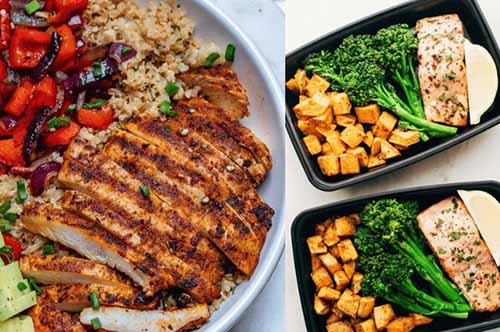
Lunch is the meal where most people either stay on track or fall off, making it a critical point in your weight loss journey. Making it your largest meal of the day actually supports weight loss — your metabolism is more active midday, and a filling lunch reduces the likelihood of heavy snacking in the afternoon. A solid weight loss lunch has three components: a lean protein source, non-starchy vegetables, and a small portion of complex carbohydrates.
Lean Protein Sources for Lunch
- Grilled chicken breast (150g = approx. 165 calories, 31g protein)
- Canned tuna in water (100g = approx. 100 calories, 22g protein)
- Hard-boiled eggs (2 eggs = approx. 140 calories, 12g protein)
- Lentils or chickpeas (150g cooked = approx. 180 calories, 12g protein)
- Grilled salmon (150g = approx. 220 calories, 30g protein)
How to Build a Weight Loss Lunch Plate
Fill half your plate with vegetables such as leafy greens, cucumber, tomatoes, broccoli, or bell peppers — these are high in fiber and water content, which adds volume to the meal without adding many calories (National Institutes of Health, 2021). Fill a quarter of your plate with lean protein, then fill the last quarter with a complex carbohydrate like brown rice, quinoa, sweet potato, or whole grain bread. Avoid white rice, white bread, and pasta at lunch if you are trying to lose weight quickly — they digest fast and bring hunger back sooner, sabotaging your afternoon energy and appetite control.
What to Eat for Dinner to Lose Weight
Dinner should be your lightest main meal because your body needs less energy in the evening when activity drops after dinner for most people. Eating a heavy, carbohydrate-dense dinner is the single most common pattern among adults who struggle to lose weight (Obesity Reviews, 2022), as those calories are more likely to be stored rather than burned. Focus on lean protein and vegetables for dinner, keeping carbohydrates minimal and avoiding them entirely if your daily carb intake is already high from breakfast and lunch.
This does not mean dinner has to be small or unsatisfying. A well-built dinner can be genuinely filling — it just relies more on protein and vegetables than on carbs.
A Simple Dinner Formula That Works
A simple formula can make dinner decisions effortless. By structuring your plate around protein and vegetables, you create a meal that is both satisfying and supportive of your goals.
- Protein (40-50% of the plate): Baked chicken, fish, tofu, shrimp, or lean beef.
- Non-starchy vegetables (40-50% of the plate): Roasted broccoli, zucchini, cauliflower, asparagus, green beans, or a side salad.
- Optional small carb portion (10-20%): If you train in the evening or are very active, a small serving of sweet potato or brown rice is fine. If you are sedentary in the evenings, skip it or reduce it.
Dinner Foods That Slow Down Weight Loss
Some dinner choices can undermine your progress even if you are generally eating well. Being aware of these common pitfalls helps you make better decisions in the moment.
- White pasta in heavy cream sauces
- Fried foods of any kind
- Takeaway pizza or burgers more than once per week
- Alcohol — a standard glass of wine adds 120-150 calories with no satiety benefit
- Large portions of rice or bread alongside an already protein-dense dish
How Meal Timing Affects Weight Loss
When you eat matters, but less than what you eat. For most adults, a consistent meal schedule reduces impulse eating and makes calorie tracking easier.
A practical structure for beginners provides a reliable framework. This schedule helps regulate hunger hormones and prevents the kind of grazing that adds hidden calories to your day.
- Breakfast: 7-9am
- Lunch: 12-1pm
- Dinner: 6-7pm
- Cut off eating by 8pm — late-night eating is strongly associated with higher total daily calorie intake (American Journal of Clinical Nutrition, 2023)
Snacks are not automatically bad. If you are genuinely hungry between meals, a small high-protein snack — a boiled egg, a handful of almonds, or plain Greek yogurt — is better than arriving at your next meal so hungry that you overeat.
A Sample Day of Eating for Weight Loss
This sample day comes in at approximately 1,500-1,600 calories for an average adult, which puts most people in a moderate calorie deficit without feeling deprived.
Breakfast
- 2 scrambled eggs cooked in a small amount of olive oil
- 1 slice of whole grain toast
- 1 cup of black coffee or unsweetened tea
Lunch
- 150g grilled chicken breast
- Large mixed salad (lettuce, cucumber, tomato, red onion)
- 80g cooked quinoa
- 1 tbsp olive oil and lemon juice as dressing
Afternoon snack (optional)
- 150g plain Greek yogurt
- A small handful of blueberries
Dinner
- 150g baked salmon or white fish
- 200g roasted broccoli and zucchini
- No grain portion, or a small sweet potato if training that day
Common Mistakes Beginners Make When Eating to Lose Weight
Many beginners fall into predictable traps that slow down their results. Recognizing these errors early helps you stay on track without frustration.
- Cutting calories too aggressively: Eating below 1,200 calories (women) or 1,500 calories (men) typically triggers increased hunger hormones and leads to rebound overeating (New England Journal of Medicine, 2021). A moderate deficit of 300-500 calories per day is more sustainable.
- Eating “healthy” foods in large portions: Nuts, avocado, olive oil, and whole grain bread are genuinely healthy but calorie-dense. Eating them in unlimited quantities will not produce weight loss.
- Drinking calories without noticing: Orange juice, smoothies, sports drinks, lattes, and alcohol add hundreds of calories without triggering the same fullness response as solid food. Stick to water, black coffee, or unsweetened tea as your main drinks.
- Relying on willpower instead of structure: Building a default meal structure removes hundreds of small daily decisions. When you know what you are eating for lunch before 12pm arrives, you are far less likely to default to takeaway.
- Skipping meals to compensate: Skipping dinner after a large lunch sounds logical but usually leads to late-night eating, which is worse. Eat consistent, structured meals instead.
Frequently Asked Questions About What to Eat to Lose Weight
What is the best thing to eat for breakfast to lose weight?
Eggs, plain Greek yogurt, and oatmeal are consistently strong choices. All three are high in protein or fiber — or both — which reduces hunger before lunch. The worst breakfast choices are sugary cereals, flavored yogurts, and fruit juice, which spike and drop blood sugar quickly.
How much protein should I eat per day to lose weight?
Research supports 1.2-1.6g of protein per kilogram of body weight per day for adults trying to lose weight (International Journal of Obesity, 2023). For a 70kg adult, that is roughly 85-110g of protein daily. Distributing this across three meals — rather than loading it all into one — makes it easier to hit consistently.
Should I cut carbs to lose weight?
You do not need to eliminate carbs, but reducing refined carbs — white bread, white rice, pasta, sugary snacks — helps most beginners lose weight faster. Replacing them with complex carbs like oats, sweet potato, quinoa, and legumes provides steady energy and keeps hunger lower throughout the day.
What should I not eat for dinner if I want to lose weight?
White pasta in heavy sauces, fried food, and large portions of refined carbs are the main items to reduce or avoid at dinner. These foods are calorie-dense and often lack the fiber and protein needed to keep you full. Alcohol is also worth cutting back on, as it adds calories and can lower your inhibitions around food choices, leading to overeating later in the evening.
Is it okay to snack between meals while trying to lose weight?
Yes, snacking between meals can be acceptable if it is genuinely hunger-driven and based on protein-rich options. Good choices include a boiled egg, plain Greek yogurt, a handful of unsalted almonds, or vegetables with hummus. The real problem is mindless snacking on crisps, biscuits, or chocolate, which can easily add 300 to 500 calories to your day without feeling like a proper meal.
How long does it take to see results from changing what I eat?
Most adults notice visible changes within three to four weeks when maintaining a consistent calorie deficit of 300 to 500 calories per day. According to the National Health Service (2023), a realistic and sustainable rate of weight loss is between 0.5 and 1 kilogram per week. Faster results are possible, but they are harder to maintain without losing muscle mass or experiencing rebound weight gain.
Key Takeaways
- Build every meal around a lean protein source first, then add vegetables, then add a small portion of complex carbs if needed.
- Breakfast and lunch do the heavy lifting — a protein-rich morning reduces total daily calorie intake without strict counting.
- Dinner should be the lightest meal, with carbs reduced or removed depending on your evening activity level.
- Cutting out sugary drinks, skipping late-night eating, and building a consistent meal structure will produce more results than any specific “diet food.”
- Aim for a 300-500 calorie daily deficit rather than aggressive restriction — sustainable beats fast every time.
Recommended Article
How to Follow the Tiffany Plate Food Diet for Weight Loss: A Step-by-Step Guide for 2026
100/50 Method Diet: What It Is and How It Works for Weight Loss in 2026
High Protein Meal Plan for Women: 7-Day Weight Loss Plan (100-120g Daily)