


Yes, you can lose steady weight on a 1200 calorie diet — but only if you do it the right way, and honestly, that’s not what most articles tell you. I spent years working with clients who tried restrictive diets and failed miserably because they were hungry, bored, and didn’t understand the science behind their meal plan. Then I saw people succeed on the exact same 1200 calorie framework because they approached it differently.
The difference? They had a real plan, not just a calorie number, understood the “why” behind their meals, and knew what to actually eat instead of just knowing what to avoid. If you’ve been spinning your wheels with weight loss, feeling deprived on other diets, or just need a structured starting point that doesn’t require a nutrition degree to follow — this guide is for you. I’m going to walk you through exactly what works, what doesn’t, and the one shift that makes the biggest difference between people who stick with this and people who quit after two weeks.
By the time you finish reading, you’ll have a complete 1-day meal plan you can use immediately, understand the macro breakdown that keeps you full, and know the real mistakes people make that sabotage their results.
What Exactly Is a 1200 Calorie Diet Plan?
A 1200 calorie diet plan is a simple way to eat that involves consuming about 1200 calories each day. Doctors first made this plan for women who sit a lot and need to lose weight, based on the straightforward idea that you eat less than your body burns so your body uses stored fat for energy. Here is what most people get wrong: this plan is not about being hungry — a good 1200 calorie plan splits food into five small meals a day to keep your blood sugar steady, stops you from feeling starved, and helps you feel full.
This plan works because you eat less than you burn, and most women who sit a lot burn about 1800 to 2000 calories a day. Eating 1200 calories means you save 600 to 800 calories each day, which adds up to 1 to 2 pounds lost each week. One big myth I need to bust: people think 1200 calories means only salad and chicken, but that is not true — a real 1200 calorie plan has pasta, fruit, bread, healthy fats, and even treats, and it is about good food and right amounts, not about being hungry.
Who Actually Benefits From This Plan?
Not everyone should eat 1200 calories, and I will be honest about this. This plan works best for specific groups of people who meet certain criteria, so it’s important to know if you’re a good candidate before starting.
- Women (they need fewer calories than men)
- People who sit most of the day (under 5,000 steps a day)
- People with a BMI over 25 who want to lose weight
- People who like clear meal plans and set portion sizes
- People who want a short reset for 2 to 4 weeks before eating more
This plan is NOT for athletes, very active people, pregnant or nursing women, teens, or anyone who has had eating problems. If you are one of these, talk to a doctor about a plan just for you.
Key Benefits That Make This Plan Work
I have seen real results with this plan, and it is not magic — it works with how your body really functions to deliver steady, sustainable results. Here are the key benefits that make this approach effective.
- Steady weight loss: Saving 600 to 800 calories a day means you lose 1 to 2 pounds a week, which keeps you going.
- Learn portion sizes: A set meal plan shows you what a real serving looks like, helping you long after the diet ends.
- Steady energy all day: Five small meals stop energy crashes and foggy brain because you do not skip meals or eat big sugar-filled meals.
- Better hunger control: After 5 to 7 days, most people feel full with less food as your body gets used to it and hunger hormones reset.
- Better food choices: When you have only 1200 calories, you pick foods with more nutrition and less junk.
One good thing people miss is that this diet often helps other parts of health — people sleep better, have clearer skin, less bloating, and better digestion in the first two weeks because you eat less processed food, less salt, and more fiber. The honest downside is that this plan works best short-term (2 to 4 weeks) since it is hard to keep doing long-term as your body gets used to fewer calories and you lose motivation. But that is okay because the goal is to lose weight, reset your habits, and then eat a bit more to keep the weight off.
The Food Framework: What to Eat and What to Skip
The key to a 1200 calorie diet is picking foods that fill you up without using all your calories. Here is what that looks like.
Foods to Eat Freely (Virtually Unlimited)
These foods are so low in calories that you can eat generous portions without fear. They provide volume, fiber, and nutrients that keep your body satisfied.
- Non-starchy veggies: Broccoli, spinach, kale, zucchini, bell peppers, cucumbers, tomatoes, green beans. These have few calories but lots of fiber. You can eat big plates and stay full.
- Lean proteins: Chicken breast, turkey, fish, eggs, egg whites, tofu, plain Greek yogurt. Protein keeps you full the longest. It also saves your muscles while you lose weight.
- Whole fruits: Apples, berries, oranges, pears, watermelon. The fiber and water fill your belly without many calories.
Foods to Eat in Moderation (Measured Portions)
These nutrient-dense foods offer important benefits but pack more calories per bite. The key is controlling your portions rather than eliminating them entirely.
- Whole grains: Brown rice, quinoa, oats, whole-wheat bread. Keep to 1/2 cup cooked per meal to manage calories while still getting energy.
- Healthy fats: Olive oil, avocado, nuts, nut butters. These are good for you but high in calories. One spoon of oil is 120 calories. So measure with care.
- Low-fat dairy: Greek yogurt, cottage cheese, low-fat cheese. Pick plain kinds. Avoid sweet yogurts with 15+ grams of added sugar.
Foods to Avoid or Severely Limit
These foods provide little nutritional value relative to their calorie cost. They make hitting your goals much harder without satisfying your hunger.
- Sugary drinks: Soda, juice, sweet coffee drinks, energy drinks. These give you hundreds of empty calories. Your brain does not count liquid calories like it counts solid food.
- Fried foods: Chips, fried chicken, French fries, donuts. These are high in calories but low in fullness. You can eat 400 calories of chips and still feel hungry.
- Refined carbs: White bread, regular pasta, pastries, sugary cereals. These spike your blood sugar and leave you hungry soon after.
- Creamy sauces and dressings: Mayo, cream sauces, ranch dressing. Two spoons can add 200+ calories with no good nutrition.
- Alcohol: If you want to lose weight, alcohol is the worst way to spend calories. It also makes you pick worse foods.
Smart Swaps That Make a Difference
You do not have to give up the foods you love. Small swaps save 50 to 150 calories per meal.
- Pasta → Zucchini noodles or chickpea pasta: Saves 100+ calories per cup and adds fiber and protein.
- Creamy salad dressing → Lemon juice + 1 tsp olive oil: Saves 60 calories and tastes fresh.
- Granola bar → Hard-boiled egg + apple: Saves 80 calories and adds protein to keep you full longer.
- Flavored yogurt → Plain Greek yogurt + berries: Saves 40 to 50 calories and cuts sugar.
- Chips → Air-popped popcorn or cucumber slices with hummus: Saves 100+ calories and still gives you crunch.
Honestly, these swaps are the real win. You are not cutting foods. You are finding smarter versions that let you eat more for the same calories.
Macro Breakdown: The Numbers Behind the Plan
Knowing about macros is not just for nutrition nerds. It is why some people feel great on this diet and others feel bad.
The Ideal 1200 Calorie Macro Split
- Protein: 30% (360 calories = 90 grams). More protein is key when you eat fewer calories. It saves muscle, keeps you full, and burns extra calories during digestion.
- Carbs: 40% (480 calories = 120 grams). This gives your brain and body fuel without too much. Pick fiber-rich carbs that keep blood sugar steady.
- Fat: 30% (360 calories = 40 grams). Fat is needed for hormones, taking in nutrients, and making food taste good. Do not go lower than this.
Why this split instead of the usual 50-30-20? Because on 1200 calories, more protein is a must for appetite control. I have seen people fail when they follow general macro rules that do not fit a low-calorie diet.
How to Track Without Obsessing
You have two ways to track: exact tracking or the easy method.
Exact tracking: Use an app like MyFitnessPal. Log everything for the first 3 to 5 days. This shows you what 1200 calories looks like. Most people are shocked it is more than they thought.
The easy method (my pick): Use the “palm method.” At each meal, eat:
- One palm-sized portion of protein (about 25 to 30g)
- One cupped hand of carbs (about 40 to 50g)
- One thumb of fat (about 10 to 15g)
This puts you in the right calorie and macro range without an app or scale. Real life is messy. This method works with that.
Your Complete 1-Day 1200 Calorie Meal Plan
Here is a real meal plan you can start today. No swaps needed. Just follow it as written for one week. Then swap meals based on what you like.
Meal — What to Eat — Calories — Protein — Carbs — Fat
Breakfast (7 AM)
Start your day with a balanced meal that combines protein, healthy fats, and complex carbohydrates. This breakfast provides 315 calories, 22g of protein, 18g of fat, and 18g of carbs from nutrient-dense ingredients.
- 2 scrambled eggs
- 1 cup fresh spinach (sautéed in 1 tsp olive oil)
- 1 slice whole-wheat toast with 1/2 tsp butter
Mid-Morning Snack (10 AM)
This simple snack keeps your energy steady between breakfast and lunch. It delivers 170 calories, 4g of protein, 25g of carbs, and 7g of fat.
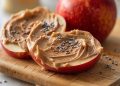
- 1 small apple
- 10 raw almonds
Lunch (12:30 PM)
This lunch offers lean protein and plenty of vegetables for a satisfying midday meal. You get 345 calories, 35g of protein, 10g of carbs, and 18g of fat.
- 4 oz grilled chicken breast
- 2 cups mixed garden salad
- 1/2 cup cherry tomatoes
- 2 tbsp balsamic vinaigrette
Afternoon Snack (3:30 PM)
This light snack provides probiotics and antioxidants to keep you going until dinner. It contains 100 calories, 15g of protein, 8g of carbs, and 0g of fat.
- 1/2 cup plain nonfat Greek yogurt
- 1/4 cup fresh blueberries
- 1 tsp raw honey
Dinner (6:30 PM)
This dinner is rich in omega-3 fatty acids and fiber for a nourishing end to the day. It provides 420 calories, 35g of protein, 28g of carbs, and 18g of fat.
- 4 oz baked Atlantic salmon
- 1.5 cups roasted broccoli (with 1 tsp olive oil)
- 1/2 cup cooked quinoa
Daily Total
This meal plan gives you about five small meals a day. This stops hunger dips and keeps your body going. You never go more than 4 to 5 hours without food. That is the best time gap for appetite control.
- 1,200 calories
- 111g protein
- 89g carbs
- 61g fat
Plan Variations for Different Needs
Vegetarian Version (1,210 calories)
This version replaces animal proteins with plant-based alternatives while keeping calories and macros consistent. Swap the chicken for 1 cup cooked lentils at lunch. Swap the salmon for 1/2 cup firm tofu (pan-fried in 1 tsp coconut oil) at dinner. The calorie and macro counts stay close.
Dairy-Free Version (1,190 calories)
This variation removes all dairy products while maintaining similar nutritional balance. Swap the Greek yogurt snack for 1/2 cup unsweetened coconut yogurt + 1 tbsp chia seeds. Swap the eggs at breakfast for 3/4 cup tofu scramble with turmeric. Use olive oil for all cooking instead of butter.
High-Protein Version (1,215 calories)
This option increases protein content without significantly raising calories. Add one scoop of plain protein powder to your morning eggs or your afternoon snack. This boosts protein by 25 grams and only adds 100 calories.
Recommended Article
The Complete Low Cholesterol Diet Plan: A 7-Day Heart-Healthy Meal Plan to Lower LDL Naturally