If you’ve been diagnosed with GERD, you’ve probably heard the same tired advice: avoid spicy foods, cut out acidic ingredients, skip the garlic and onions. Then you’re left staring at plain grilled chicken and steamed rice, wondering if this is really what your life looks like now. Here’s the truth I’ve learned after years of helping people navigate GERD: a heartburn-friendly diet doesn’t mean a flavorless one. You just need to know where to find flavor without the triggers.
I used to think GERD meant eating boring food forever. But then I realized something — the best cooks don’t rely on acid or heat to make food delicious. They layer flavors using spices like ginger, the natural sweetness of roasted vegetables, and quality proteins that satisfy without irritating your stomach. The seven dinners I’m sharing with you aren’t compromises. They’re genuinely delicious meals that happen to be safe for your digestive system.
Keep reading, because one of these approaches will probably become a staple in your kitchen — and it might surprise you how much flavor is actually possible here. By the end of this article, you’ll have seven complete dinner recipes that prove GERD and delicious food aren’t mutually exclusive.
What Makes These Recipes Actually Work
Most GERD meal advice talks about what you can’t eat, but that’s backwards. The real magic comes when you think about what you can add. Here are the ideas that make these meals work: ginger as a base fights swelling and adds warmth without acid; roasted veggies get sweet and deep when cooked; lean meats fill you up without causing pain; herbs like dill, thyme, rosemary, and basil add taste without hurt; a mix of textures keeps meals fun; and natural sweeteners like banana, sweet potato, and maple syrup take the place of sour foods.
The big mistake I see is people making food too boring — they eat the same meals over and over, then get sad and quit the diet. That is why you need different foods. These meals have different feels, different meats, and different tastes, but they are all safe for your digestive system.
Recipe 1: Creamy Oat Porridge with Banana & Ginger
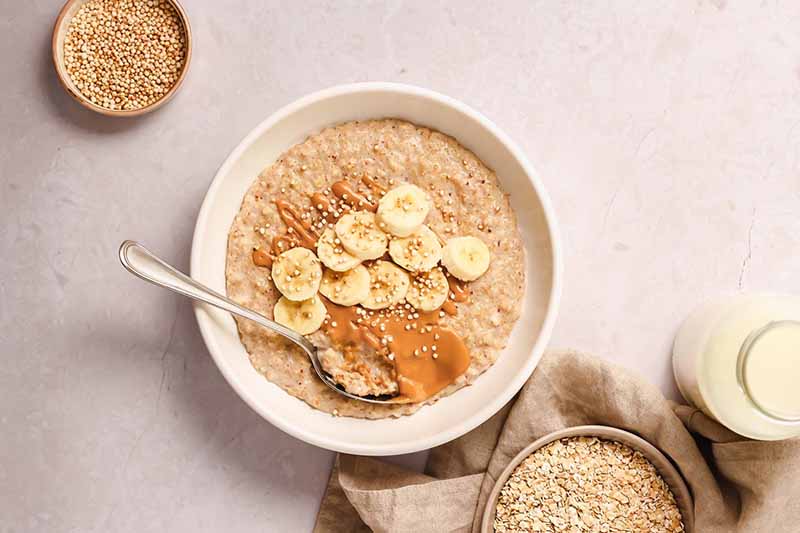
This is not breakfast as dinner, but it works great as a light meal if you eat early. Oats are soft on the belly, banana makes it creamy and sweet, and fresh ginger calms swelling. This is cozy food that won’t hurt your sleep.
What you need: 1 cup rolled oats, 2 cups unsweetened almond milk, 1 ripe banana (mashed), 1 teaspoon fresh ginger (finely grated), 1 tablespoon maple syrup, ¼ teaspoon ground cinnamon, and a pinch of salt.
Steps: Put oats and almond milk in a pan over high heat. Add banana, ginger, syrup, cinnamon, and salt — stir well. Let it heat until it bubbles, then turn down the heat. Cook for 6 to 8 minutes, stirring now and then, until it gets thick. Wait one minute before you serve it.
The trick: For more cream, add a splash of full oat milk or coconut cream right before you serve it — it makes a big change. I also add a handful of cooked quinoa for more protein. It melts in and adds richness.
Recipe 2: Baked Salmon with Dill & Cucumber Relish
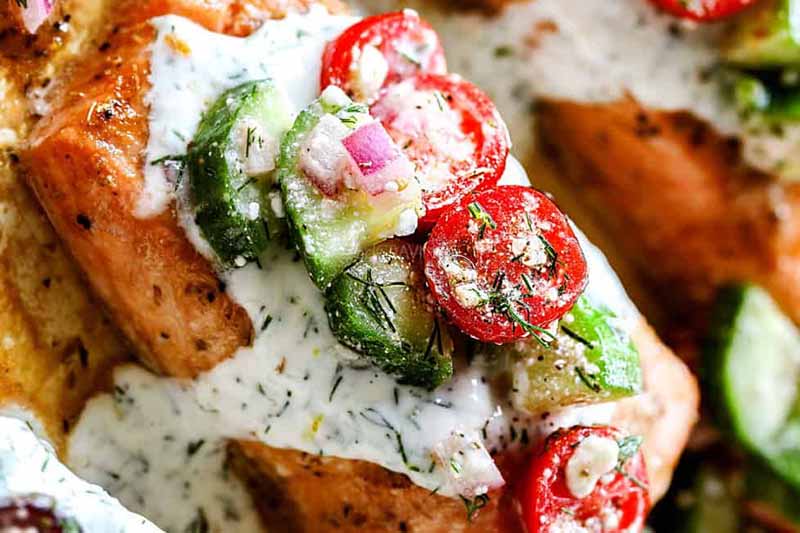
Here is the thing about salmon on a GERD diet: it is one of the few meats that fills you up and is kind to your belly, and the omega-3s help fight swelling. Salmon feels rich and nice, while dill and cucumber give a fresh taste without acid. The relish gives you the same bright feel as lemon, but it is safe.
For the salmon: 2 salmon fillets (skin on), 1 tablespoon avocado oil, ½ teaspoon dried dill, ¼ teaspoon salt, and optional pinch of black pepper. For the relish: ½ English cucumber (cut into small bits), 2 tablespoons fresh dill (chopped), 1 tablespoon avocado oil, 1 teaspoon sugar, and ¼ teaspoon salt.
Steps: Heat oven to 400°F and put paper on a baking sheet. Dry the salmon with paper towels, pour oil on top, then add dill, salt, and pepper if you want. Bake for 10 to 12 minutes until the fish flakes with a fork. While the fish cooks, mix cucumber, dill, oil, sugar, and salt in a bowl. Put the relish on the hot fish just before you eat.
Real talk: The sugar in the relish sounds odd, but it is key. It brings out the sweet taste of the cucumber and gives you that fresh feel that lemon provides. It is not sweet — it just makes things work.
Recipe 3: Creamy Avocado & Zucchini Pasta
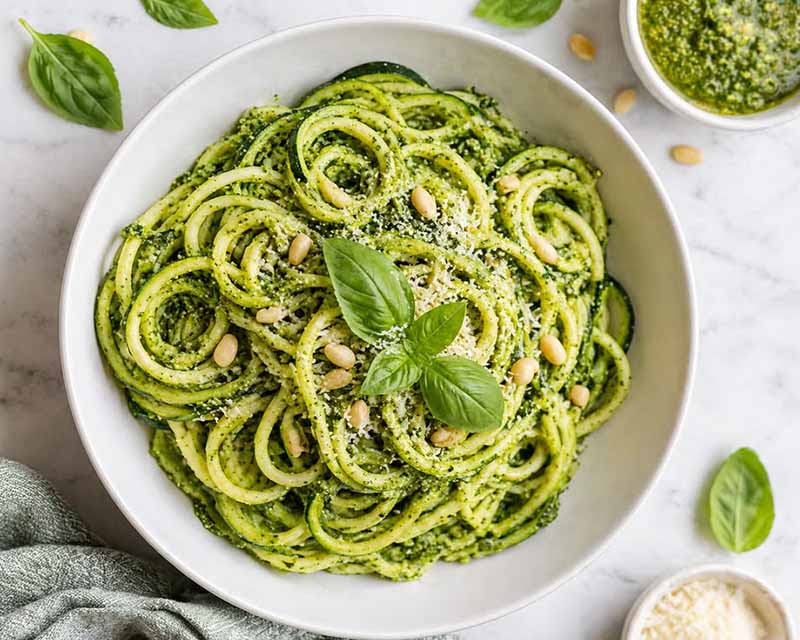
If you miss pasta, this is your answer. It is creamy and rich, feels like real comfort food, and not like rabbit food. Avocado is creamy and rich, making the sauce feel fancy, while zucchini noodles are plain and carry the flavor well. Fresh basil adds depth.
What you need: 2 medium zucchinis, 1 large ripe avocado, ½ cup low-sodium vegetable broth, 2 tablespoons fresh basil leaves, 1 tablespoon avocado oil, ½ teaspoon salt, and optional pinch of ground nutmeg.
Steps: Turn the zucchinis into noodles with a spiral tool (or use a peeler to make ribbons). In a blender, mix avocado, broth, basil, oil, salt, and nutmeg if you want — blend until smooth. Heat a big pan on medium heat and add the zucchini noodles for 2 to 3 minutes, stirring them gently. Pour the avocado sauce over the warm noodles and mix well. Serve right away with fresh basil on top.
Chef’s note: Do not cook the zucchini noodles too long or they will get mushy — you only want to warm them up. And that nutmeg? It adds a soft heat that makes the cream feel richer. You won’t even notice it.
Recipe 4: Herb-Roasted Chicken Thighs with Fennel & Sweet Potato
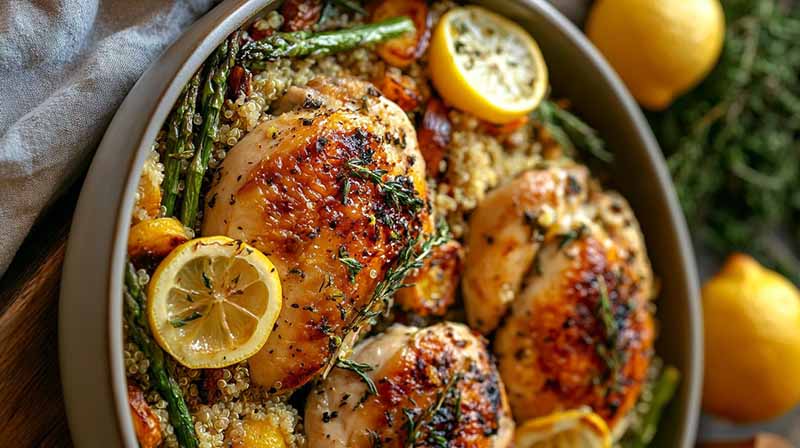
This one becomes a weekly meal. It is easy, looks good, and tastes like you cooked for hours. Chicken thighs stay wet and tasty when roasted, fennel gets sweet when cooked, and sweet potato adds bulk. Together, they are nothing like normal chicken and veggies.
What you need: 4 bone-in, skin-on chicken thighs, 2 sweet potatoes (cut into big chunks), 2 fennel bulbs (cut into wedges), 2 tablespoons avocado oil, 2 teaspoons dried thyme, 1 teaspoon dried rosemary, 1 teaspoon salt, and optional ½ teaspoon black pepper.
Steps: Heat oven to 425°F. Dry the chicken and add thyme, rosemary, salt, and pepper if you want. Spread sweet potato and fennel on a big baking sheet. Put the chicken on top of the veggies, skin side up. Pour oil over everything. Roast for 40 minutes until the chicken skin is crisp and the veggies are soft.
Why this works: The chicken gives off fat as it cooks, and that fat adds taste to the veggies. By the end, the sweet potato is caramel and the fennel is almost like candy. And the smell from your oven is one of the best parts — it feels like real cooking.
Recipe 5: Creamy Cauliflower Soup with Roasted Garlic (Safe Version)

Wait — garlic on a GERD diet? Yes, but only roasted. Raw garlic causes pain, but roasted garlic is soft and sweet. Cauliflower is mild and creamy when blended, roasted garlic adds deep taste without heat or acid, and thyme brings it all together.
What you need: 1 whole garlic bulb, 1 tablespoon avocado oil (divided), 1 large head cauliflower (chopped), 4 cups low-sodium vegetable broth, ½ cup unsweetened almond milk, 1 teaspoon dried thyme, ½ teaspoon salt, and pinch of white pepper (optional).
Steps: Heat oven to 400°F. Cut the top off the garlic bulb, pour ½ tablespoon oil on it, wrap it in foil, and roast for 35 to 40 minutes until the cloves are soft and gold. While the garlic roasts, heat the rest of the oil in a big pot on medium heat. Add cauliflower and broth, let it simmer, and cook for 15 minutes until the cauliflower is very soft. Squeeze the roasted garlic into the pot, add almond milk and thyme. Blend until smooth (use a stick blender or a regular blender in small batches). Add salt and white pepper if you want.
Real insight: The first time I made this after my GERD test, I was amazed. I had stopped eating garlic, but roasted garlic changed the game. It is sweet and nutty and causes no pain.
Recipe 6: Ginger-Poached White Fish with Bok Choy
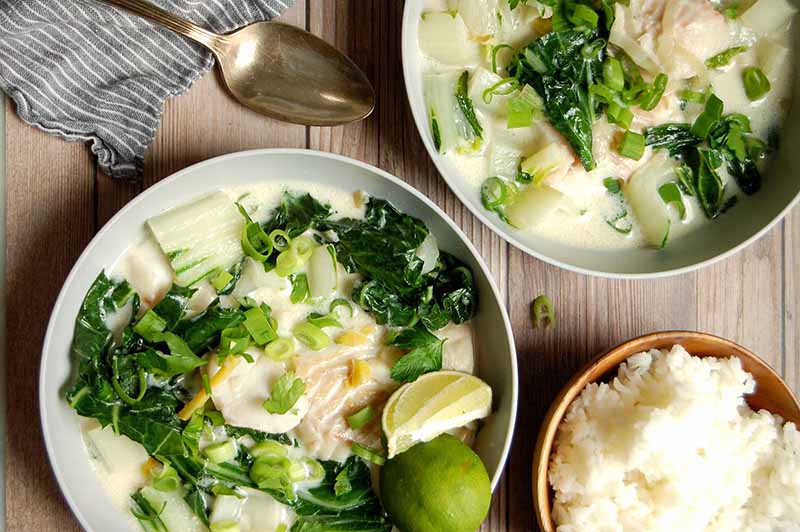
This one feels fancy but takes 20 minutes. White fish is light and soft, and poaching keeps it very wet. The cooking liquid gives the fish a soft ginger taste, while bok choy is mild and cooks in the same liquid. It is a full meal in one pot.
What you need: 3 cups low-sodium vegetable broth, 2 tablespoons fresh ginger (cut into thin slices), 2 cod or halibut fillets (about 6 oz each), 4 cups baby bok choy (chopped up), 1 tablespoon avocado oil, ½ teaspoon salt, and ¼ teaspoon white pepper.
Steps: Bring broth and ginger to a low boil in a big, flat pan on medium heat. Let it cook for 5 minutes so the ginger goes into the liquid. Gently put the fish into the hot liquid. Cook for 6 to 7 minutes until the fish is white and flakes. Take the fish out and keep it warm. Add bok choy to the same liquid and cook for 3 to 4 minutes until just soft. Put bok choy on plates, add fish on top, and pour a bit of the liquid over it.
The detail: Do not skip the ginger step. Those extra five minutes make the whole meal taste like it came from a nice place, not from your busy kitchen.
Recipe 7: Sweet Potato & Turkey Meatball Bake
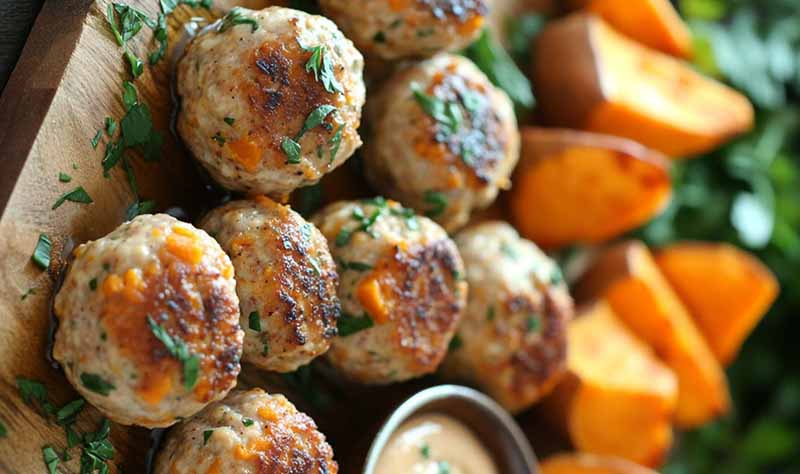
If you want something with bulk and cozy feels, this is it. Turkey is light and soft, while the sweet potato sauce is sweet and rich. The sauce is sweet and creamy with no cream needed, the meatballs stay wet in the sauce, and the whole meal feels cozy but not heavy.
For the meatballs: 1 lb ground turkey, ½ cup rolled oats (to hold it together), 1 egg, 1 teaspoon dried thyme, ½ teaspoon salt, and ¼ teaspoon black pepper. For the sauce: 1 large sweet potato (peeled and cubed), 2 cups low-sodium vegetable broth, 1 tablespoon avocado oil, 1 teaspoon dried sage, and ½ teaspoon salt.
Steps: Heat oven to 400°F. Mix turkey, oats, egg, thyme, salt, and pepper — use your hands and mix gently (do not overmix). Make 12 to 14 balls and put them on a baking sheet with paper. Bake the meatballs for 15 minutes. While they cook, heat oil in a pot and add sweet potato, broth, sage, and salt. Simmer for 10 minutes until the sweet potato is soft, then blend until smooth. Put the meatballs in a baking dish, pour the sauce over them, and bake for 10 more minutes.
Why this works: The sauce is sweet and creamy with no cream needed. The meatballs stay wet in the sauce, and the whole meal feels cozy but not heavy.
The Core Principle You Need to Remember
The best GERD meals are not about what you cut out. They are about what you swap in. Instead of lemon, use fresh herbs and natural sweeteners. Instead of heavy cream sauces, use roasted veggies and avocado. Instead of spicy heat, use ginger and thyme. Instead of raw garlic, use roasted garlic.
These are not “okay swaps” for real food. They are real meals that taste great. Your belly will thank you.
Frequently Asked Questions
Can I use store broth, or do I need to make my own? Store broth is fine — I use it all the time. Just check the label for extra things that might cause pain, as some brands are cleaner than others.
What if I do not like one of the veggies in these meals? Swap it for something close. Do not like fennel? Try celery or leeks (both roasted until sweet). Do not like bok choy? Use spinach or zucchini. The ideas stay the same.
Do I have to eat these for dinner, or can I eat them for lunch? Most work fine for lunch. Just watch the time — if you eat a big meal and lie down a few hours later, you may get pain. Give yourself two hours before bed.
What about spice — can I add more taste without pain? Yes. Fresh herbs (basil, dill, thyme, rosemary), ground spices (cinnamon, nutmeg, cumin), and ginger are all safe. Try what feels good in your belly.
Can I make these meals ahead of time? Most stay good for 3 to 4 days in the fridge. The salmon is best fresh, but the soups, roasted veggies, and meatballs warm up well.
Final Thought
When you deal with GERD, it is easy to feel like your food options have shrunk. But they have not — they have just changed. These seven meals show that cutting things out does not mean boring food. The meals I shared here are not swaps or workarounds. They are real, good dinners that are safe for your belly.
Pick one. Make it this week. See how you feel the next day. You do not have to choose between feeling good and eating well. You get both.
References
American College of Gastroenterology — GERD Management Guidelines (2022). Cleveland Clinic — Low-FODMAP and GERD-Friendly Foods. National Institute of Diabetes and Digestive and Kidney Diseases — Reflux Disease Information. Harvard T.H. Chan School of Public Health — Anti-Inflammatory Foods Research.