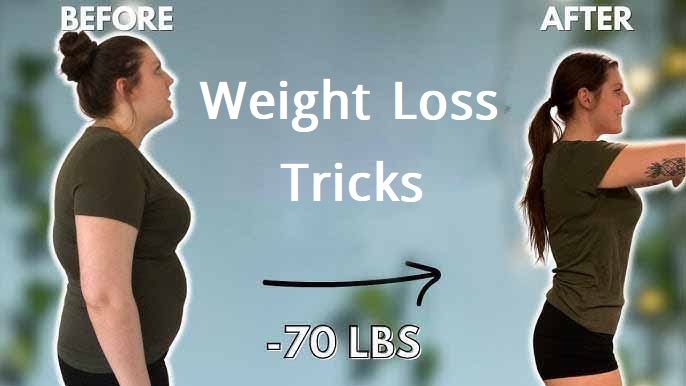
Yes, you can lose weight without restrictive diets or punishing workouts. But it won’t happen the way most articles tell you it will. I spent years trying extreme approaches—cutting calories to dangerous levels, spending two hours in the gym, buying every trendy diet book that promised transformation. Nothing stuck. Then I realized something: the people who actually lost weight and kept it off weren’t doing anything dramatic. They were making tiny, invisible adjustments that felt so natural they barely noticed them.
If you’ve been frustrated by weight loss advice that feels impossible to follow, this is for you. You’re not failing because you lack willpower; you’re failing because the approach is wrong. What you’ll get from this article is 12 micro-habits that work with your brain and body instead of against them. These aren’t trendy or Instagram-worthy, but they are sustainable and effective. By the end, you’ll understand exactly why most weight loss advice fails, and you’ll have concrete, doable changes you can implement tomorrow.
Why Tiny Changes Beat Big Diets
Let’s be clear: your body does not care about willpower. It cares about your habits and the small choices you make every day. The research shows that big changes fail most of the time because a full diet plan sounds good but falls apart fast. In contrast, small changes add up—a 2% shift in five areas gives you a 10% total change. Your brain runs on autopilot most of the day, which is actually a good thing if you set it up right. The trick is not to eat less or move more; the trick is to make the healthy choice the easy choice.
The 12 Weight Loss Tricks That Actually Stick
1. The “Sip Before You Bite” Rule
Here is a simple habit to try: drink water before you eat. Specifically, drink 16 ounces of water five minutes before you eat. Your brain takes 20 minutes to register fullness, and you often mix up thirst with hunger. Water fills your stomach first, and studies show this cuts meal size by 13% with no effort. To implement this, put a 16-ounce glass on your counter, set a phone alarm that says “WATER FIRST,” drink all the water before touching food, wait five minutes, then eat.
The magic isn’t the water itself—it’s that your stomach is full before you start eating. Your brain catches up, and you eat less. For a pro tip: drink water before you eat, not during. Drinking during meals makes you feel bloated, while drinking before is the trick that works.
2. Put Your Fork Down Between Bites
Here is a way to slow down: put your fork down after each bite. Rest your fork on your plate after every bite, chew well, then wait before the next bite. Your brain sends a “full” signal about 20 minutes into eating, so if you finish in 10 minutes, you eat too much. By slowing down, you can eat 20% less without feeling deprived. To do this, rest your fork between each bite, chew each bite 10 times, pick up your fork only after you swallow, and let meals take 25 minutes rather than 10.
This feels odd for the first two days, but by day three it feels normal. Commit to doing it all the way—half efforts do not work.
3. Rearrange Your Fridge (The “Eye Level is Buy Level” Hack)
Here is a way to use your space: put good food where you can see it. Move junk food to hard-to-reach spots and place healthy food at eye level. We eat what we see, and this isn’t about willpower—it’s about ease. If salad is easy to grab and cake is hard to grab, you pick salad most of the time. To implement this, put treats in the back or bottom drawers, place healthy snacks at eye level on middle shelves, keep water bottles front and center, and use door shelves for water and spices only.
Do not ban foods; just make them harder to get. Most mindless eating happens because you see the food. Remove the sight, and you stop the habit.
4. Walk 10 Minutes After Dinner (The “Digestive Reset”)
Here is a simple thing to do after you eat: take a short walk. Specifically, walk for 10 minutes right after your meal. A walk after eating cuts blood sugar spikes by 30% because your muscles use the sugar from your blood for energy, which stops it from turning into fat. To do this, go outside or walk around your home immediately after you eat, set a 10-minute timer, keep it easy (this is not a workout), and do this even after a small snack.
The key is to walk right away, as walking one hour later gives less benefit. Walk before your body starts storing that sugar. I found this helped my energy too—no crash after meals because my blood sugar stayed steady.
5. Switch to a 9-Inch Plate (Not What You Think)
Here is a simple swap: use a smaller plate. Specifically, use 9-inch plates instead of 11-inch ones. A trick in your brain makes food look bigger on a small plate, so your brain thinks you eat more, making you feel full and stop sooner. To implement this, check your current plate size (most are 11 to 12 inches), buy some 9-inch plates, use them for all meals for one month, and do not pile food past the edge.
Do not go smaller than 9 inches, as tiny plates make you feel like you ate nothing, causing you to go back for more.
6. The “Protein First” Fork Order
Here is a new way to eat your meal: change the order of your bites. Eat protein first, then veggies, then carbs last. The order of food changes your blood sugar. Protein and fiber before carbs stop the big sugar spike that leads to fat storage, and studies show this cuts blood sugar by 40% after meals. To do this, start with three or four bites of protein (meat, fish, eggs, or beans), eat veggies next, eat carbs last or skip them if you are full, and eat one type of food before moving to the next.
This takes no willpower—you are not cutting anything out. You just eat in a new order, and your body reacts differently.
7. Do Nothing for 60 Seconds Before You Eat (The “Pause Protocol”)
Here is a way to stop and think: pause before you eat. When you want a snack, wait 60 seconds before you eat. Most stress eating is automatic, and a 60-second pause lets your brain catch up. The craving often goes away, and if you are truly hungry, you still eat—but now it is a choice. To implement this, when you feel hungry, set a 60-second timer, take three deep breaths, ask yourself “Am I really hungry or just bored?” and then decide after 60 seconds.
This feels silly at first, but about 40% of the time the craving just goes away. When you do eat, you do it with no guilt because you chose to.
8. Never Eat Straight From the Bag (The Plating Rule)
Here is a simple rule: put your snack in a bowl first. Always put snacks in a bowl or plate rather than eating from the bag. A bowl gives you a clear limit—your brain sees a set amount of food, not an endless supply—which cuts mindless snacking by 30 to 40%. To do this, open the bag, put some in a bowl, put the bag away, eat only what is in the bowl, and go back to the kitchen only if you truly want more.
The friction helps, as you have to get up and serve more. This isn’t mean; it just makes the bad choice harder to make on autopilot.
9. Sleep in a Cold Room (The “Brown Fat” Hack)
Here is a tip for your bedroom: keep it cool at night. Aim to keep your room between 65 and 67°F when you sleep. Cool air activates brown fat, which burns calories to keep you warm and boosts your metabolism by 10% with no extra work—you burn more calories while you sleep. To implement this, set your thermostat to 65 to 67°F, use light blankets, wear socks to keep your feet warm, and give it two weeks for your body to adjust.
Ask your doctor first if you have thyroid issues, but for most people this is a win. You sleep better in a cool room and burn more calories.
10. Eat a Salad Before Your Main Meal
Here is a way to fill up first: eat a salad before your main dish. Serve a salad first and eat it all before your main meal. A 2-cup salad fills your stomach before the main meal, sending a full signal to your brain early, which leads you to eat 12 to 15% less of your main course. To do this, make a 2-cup salad with greens and oil dressing, finish the whole salad before your main course, wait two minutes between courses, and then eat your main meal.
Timing matters—eating salad with your meal does not work as well. Eat it first to fill your stomach before you decide how much to eat.
11. Stop Eating 3 Hours Before Bed (The “Circadian Window”)
Here is a time rule for eating: stop early in the night. Set a time to stop eating—for example, if you sleep at 10 PM, stop eating by 7 PM. Your body runs on a clock, and eating late interferes with the fat burning that happens when your body thinks it is fasting. A 14-hour eating window (like 8 AM to 10 PM) helps your body work best. To implement this, pick your bedtime and count back three hours, set a phone alarm for that time, drink only water or tea after the alarm, and brush your teeth early as a sign the kitchen is closed.
This isn’t about calories; it’s about timing. Your body treats food differently at different times of day, and eating early helps your body function well.
12. Drink Your Coffee Black (Or Cut Liquid Calories in Half)
Here is a way to cut calories without trying: watch what you drink. Stop or cut back on calories from drinks, including coffee extras, soda, juice, and alcohol. Your brain does not track liquid calories the same way it tracks food—you can drink 400 calories in a coffee drink and still feel hungry—so these calories add up fast without you noticing. To do this, drink coffee black or with just a splash of milk, swap soda for sparkling water, cut juice or mix it with water, and limit alcohol to one or two drinks per week.
This is the fastest way to make a change. People often lose 5 to 10 pounds just by fixing what they drink, with no other changes needed.
The One Thing to Remember
Your space shapes your choices more than willpower ever will. Stop trying to fight cravings and instead move them out of easy reach. Make the good choice the easy choice, and that is where real change happens.
FAQ
Q: How long before I see results?
A: If you do three of these each day, you will see changes in 2 to 3 weeks. Big changes take 8 to 12 weeks, but you will feel good much sooner.
Q: Do I need to do all 12 at once?
A: No. Pick one that feels easy, do it for a week, then add a second. This is how change sticks.
Q: Will I feel like I am missing out?
A: Not if you pick the right tricks. Some of these make good choices easy and do not take food away—that’s the whole point.
Q: What if I mess up?
A: One slip does not ruin things. These are not all-or-nothing rules. Miss a day? Start again at the next meal. The habits are stronger than one mistake.
Q: Do I need to work out?
A: It helps but is not required. These tricks work through food and body processes. Working out makes results even better but is not the base of the plan.
The Real Takeaway
Weight loss does not need big effort or perfect willpower. It needs smart design. The people who lose weight and keep it off are not special—they just set up their space to help them win. You do not need a 30-day plan or a full life change. You need one small change tomorrow, then one more next week. Momentum builds, habits add up, and results follow. Pick the easiest trick on this list—the one that makes you think “I could do that tomorrow”—and that is your start. The water glass is waiting on your counter, and that is your first small win.
Recommended Article
Candida Diet Recipes: How to Follow the Candida Diet as a Complete Beginner
How to Get a Natural Glow While Dieting: What Actually Works