


The best foods for slimming your belly reduce bloating, lower cortisol, and keep blood sugar steady — not just burn calories. Avocados, oats, and Greek yogurt are among the most research-backed daily options for reducing visceral fat. Visceral fat (the deep abdominal fat around your organs) responds faster to dietary changes than subcutaneous fat (the fat under your skin). You do not need a strict diet — swapping 3-4 daily foods for the ones on this list produces measurable results within 4-6 weeks (Harvard T.H. Chan School of Public Health, 2023). Consistency beats perfection: eating these foods most days matters more than eating them every single day.
What “Belly Slimming Foods” Actually Means
A belly slimming food is not a magic ingredient that dissolves fat. It is a food that — when eaten regularly — creates one or more of the following conditions: lower insulin spikes, reduced bloating, decreased inflammation, or higher satiety per calorie. Belly fat comes in two types. Subcutaneous fat sits just under the skin. Visceral fat wraps around your organs and is the type linked to heart disease and metabolic issues (National Institutes of Health, 2022). The foods below target visceral fat specifically, which responds well to dietary fiber, protein, and anti-inflammatory compounds.
How This List Was Built
Each food on this list was selected based on three criteria: peer-reviewed evidence of reducing abdominal fat or bloating, practical daily use (you can actually eat it every day), and caloric efficiency (high satiety relative to calories). Foods with only one weak study behind them were excluded.
1. Avocado — Monounsaturated Fat That Targets Abdominal Fat
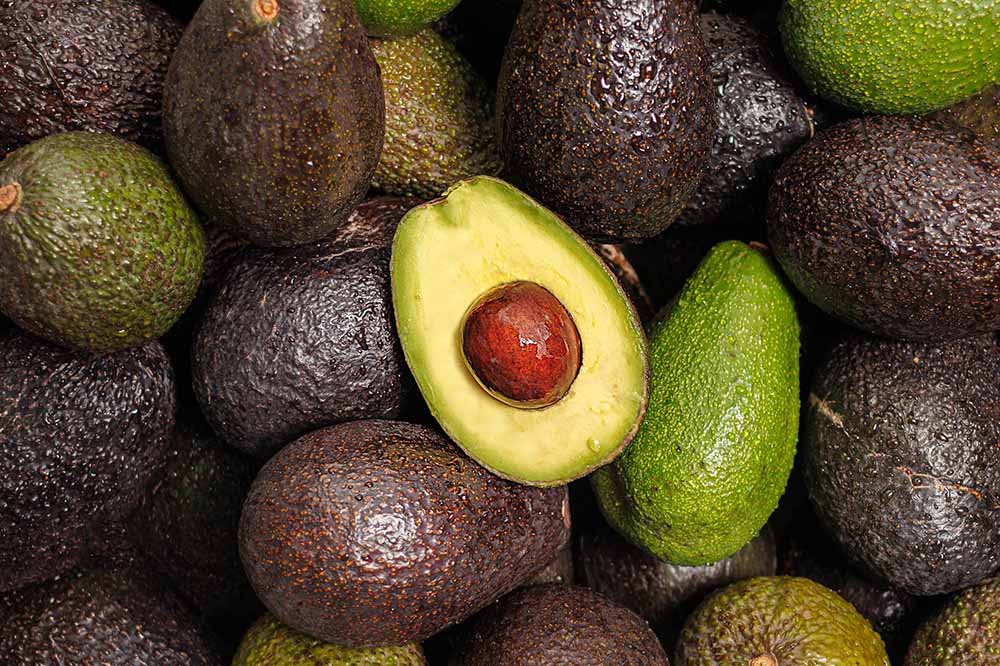
Avocado is one of the few foods directly linked to lower visceral fat in human trials. A 2021 study published in the Journal of Nutrition found that women who ate one avocado per day for 12 weeks showed a statistically significant reduction in visceral abdominal fat compared to a control group. The mechanism is the oleic acid content — the same monounsaturated fat found in olive oil. Oleic acid reduces liver fat accumulation and improves insulin sensitivity, both of which influence where your body stores calories (Journal of Nutrition, 2021).
How to eat it daily: Half an avocado on eggs in the morning or mashed with lemon as a side at lunch. It replaces butter or mayonnaise without adding sugar.
2. Oats — Soluble Fiber That Slows Fat Storage

Oats contain beta-glucan, a soluble fiber that slows glucose absorption after meals. When blood sugar rises slowly instead of spiking, your body secretes less insulin — and lower insulin means less fat storage around the abdomen (American Journal of Clinical Nutrition, 2022). A single cup of cooked oats delivers 4 grams of beta-glucan. The target for metabolic benefit is 3 grams per day (European Food Safety Authority, 2011).
How to eat it daily: Overnight oats take 3 minutes to prepare the night before. Add a tablespoon of chia seeds to double the fiber content.
3. Greek Yogurt — Protein and Probiotics Together
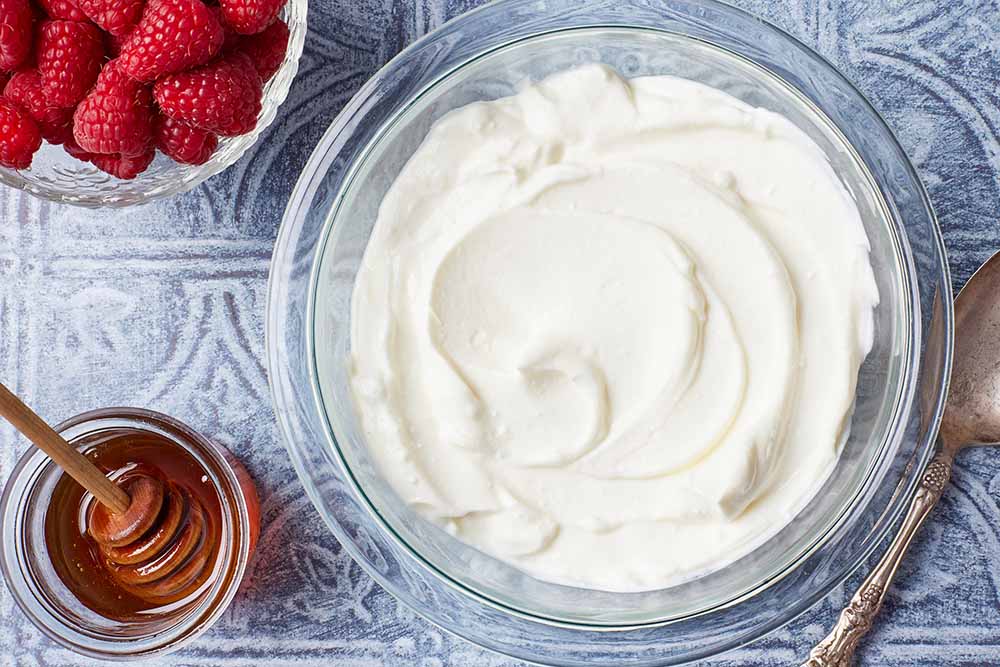
Greek yogurt delivers two separate belly-slimming mechanisms in one food: high protein content and live probiotic cultures. Protein increases satiety and preserves lean muscle during fat loss. Probiotics improve gut microbiome balance, which directly affects how your body metabolizes fat and manages bloating (Gut Microbes Journal, 2021). Plain, full-fat Greek yogurt (not flavored) is the right version to buy. Flavored varieties often contain 15-20 grams of added sugar per serving, which cancels the metabolic benefit. A 200g serving of plain Greek yogurt provides roughly 17-20 grams of protein and 100-150 million CFU of live cultures.
How to eat it daily: Breakfast bowl with berries and a few walnuts, or as a replacement for sour cream in savory dishes.
4. Leafy Greens (Spinach, Kale, Swiss Chard) — Volume Without Calories
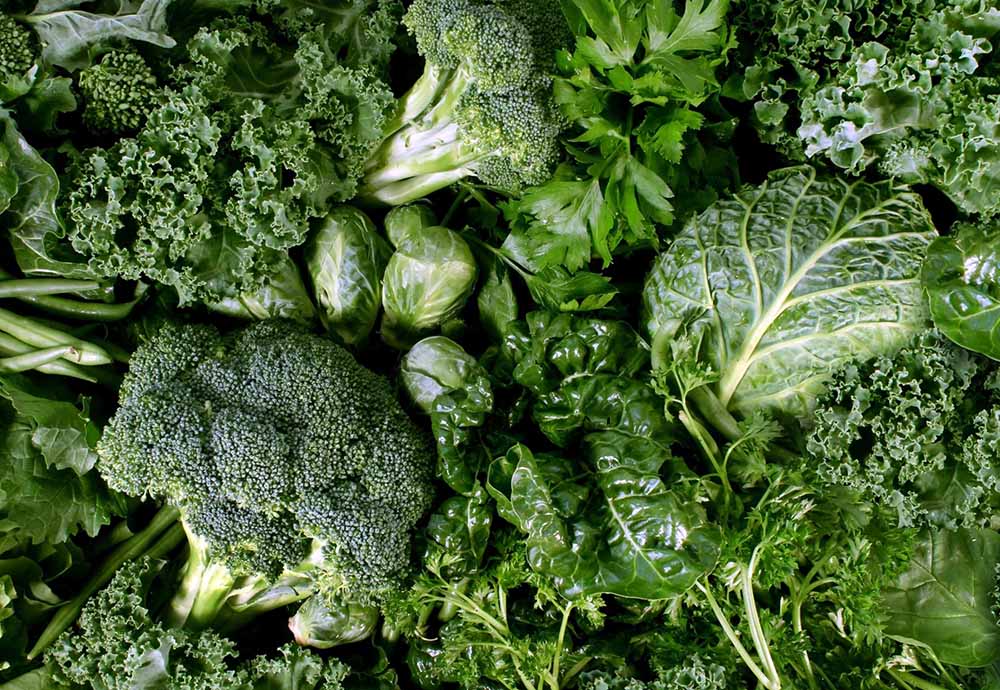
Leafy greens are high in magnesium, a mineral that over 50% of adults are deficient in (National Institutes of Health, 2023). Low magnesium is directly correlated with higher insulin resistance and abdominal fat accumulation. Beyond magnesium, greens provide volume with almost no caloric load. A full cup of spinach is 7 calories. Eating a large volume of low-calorie food before or alongside higher-calorie items consistently reduces total meal intake (Appetite Journal, 2020).
How to eat it daily: Add a fistful of spinach to any smoothie — you cannot taste it. Wilt it into eggs, soups, or pasta.
5. Berries (Blueberries, Raspberries, Strawberries) — Polyphenols That Reduce Fat Cells
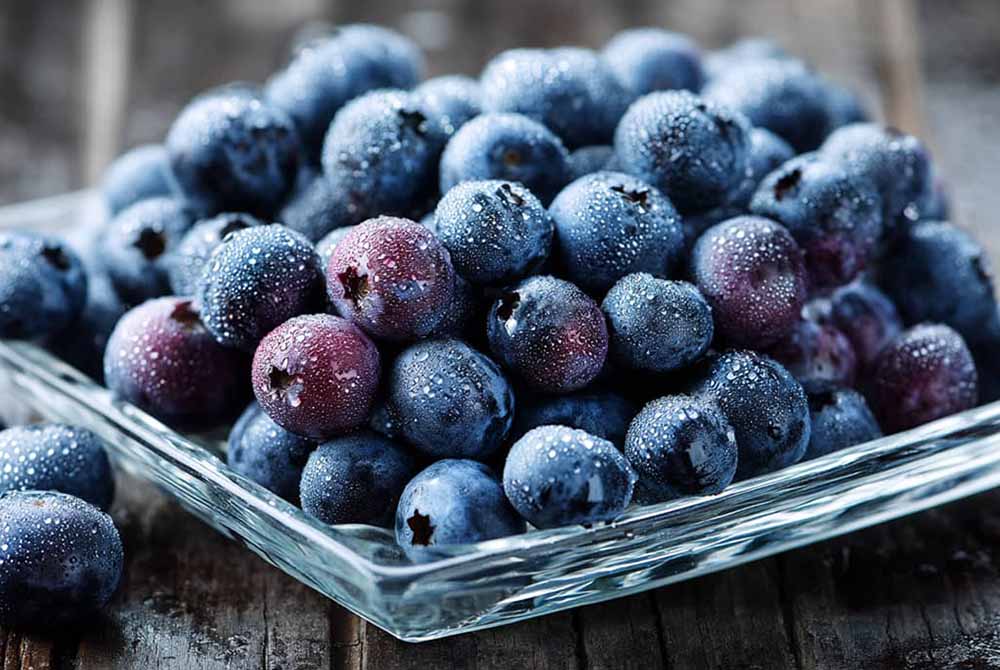
Berries are packed with polyphenols, specifically anthocyanins, which have been shown to inhibit fat cell formation and reduce inflammation in adipose tissue. A 2020 study in the journal Nutrients found that regular consumption of berries was associated with lower visceral fat accumulation over time. These effects appear independent of the berries’ relatively low sugar content. A single cup of blueberries provides about 84 calories and 3.6 grams of fiber, making them a nutrient-dense choice for daily consumption.
How to eat it daily: Toss a handful into oatmeal, Greek yogurt, or a smoothie. Frozen berries work just as well as fresh and are often more affordable.
Berries are high in polyphenols, specifically anthocyanins, which reduce fat cell formation at the genetic level. A University of Michigan study found that blueberry-enriched diets reduced abdominal fat in rats by 2-3x compared to a standard diet, with follow-up human research pointing to similar inflammation-reducing effects (Journal of Medicinal Food, 2020). Berries are also low on the glycemic index (GI 25-40), which keeps blood sugar stable after eating.
How to eat it daily: Add frozen berries to Greek yogurt or oats. Frozen berries retain full polyphenol content and cost significantly less than fresh.
6. Eggs – Protein That Controls Hunger Hormones
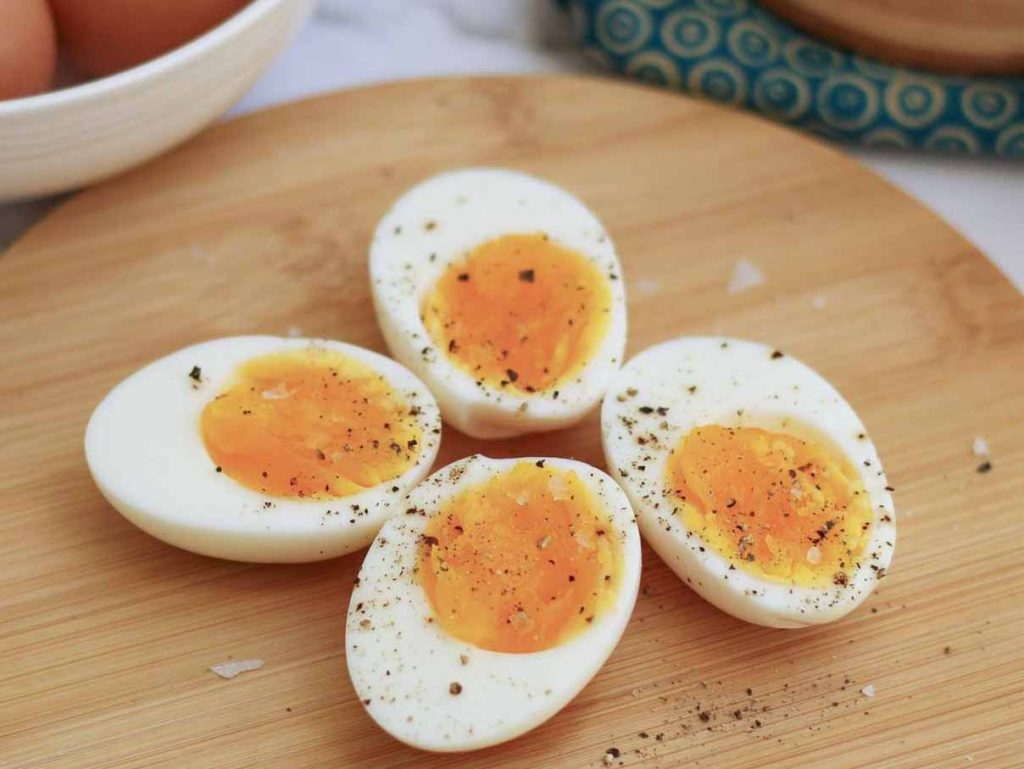
Eggs reduce ghrelin – the hormone that triggers hunger – more effectively than carbohydrate-heavy breakfasts. A Saint Louis University study found that people who ate eggs for breakfast consumed 330 fewer calories over the following 36 hours compared to those who ate a bagel with equal calories (Nutrition Research, 2011). The effect is not just satiety. Choline in egg yolks directly supports liver fat metabolism, helping the liver process and clear fat more efficiently (American Journal of Clinical Nutrition, 2020).
How to eat them daily: Two eggs scrambled with spinach takes 4 minutes. Hard-boiled eggs prepared in batches work as a fast snack throughout the week.
7. Fatty Fish (Salmon, Sardines, Mackerel) – Omega-3s That Fight Visceral Fat
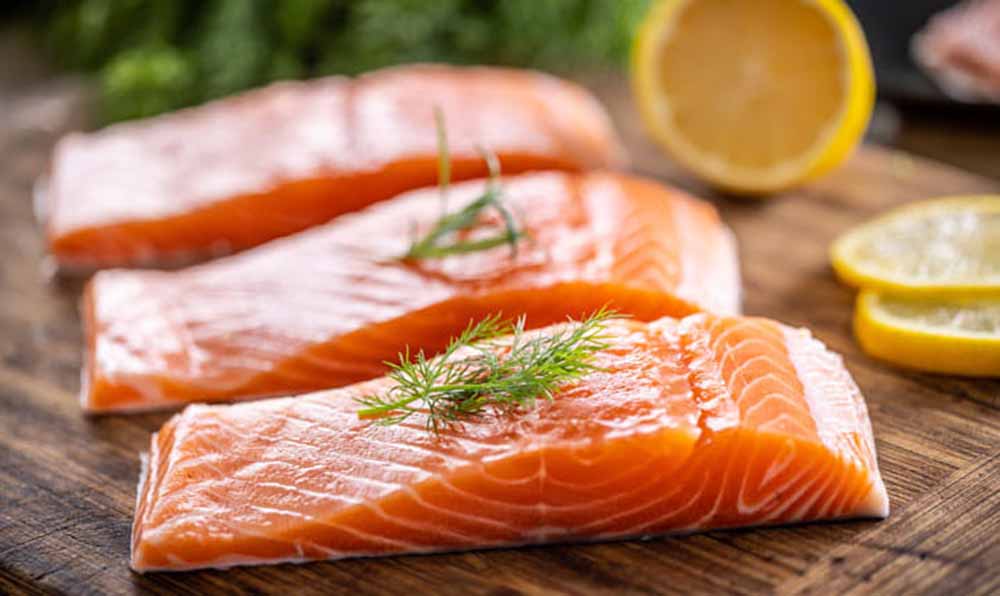
Omega-3 fatty acids from fish reduce cortisol, the stress hormone most directly responsible for visceral fat accumulation. When cortisol stays elevated – from stress, poor sleep, or a high-sugar diet – your body preferentially stores fat around the abdomen (International Journal of Obesity, 2021). Eating fatty fish 3-4 times per week (or daily if portion is small) provides 1.5-3 grams of EPA and DHA, the two omega-3 forms with the strongest evidence for reducing abdominal fat.
How to eat it daily: Canned sardines or mackerel on whole grain crackers are a fast, cheap daily option. Salmon works as a dinner protein 3-4 nights per week.
8. Legumes (Lentils, Chickpeas, Black Beans) – The Best Fiber-Protein Combination
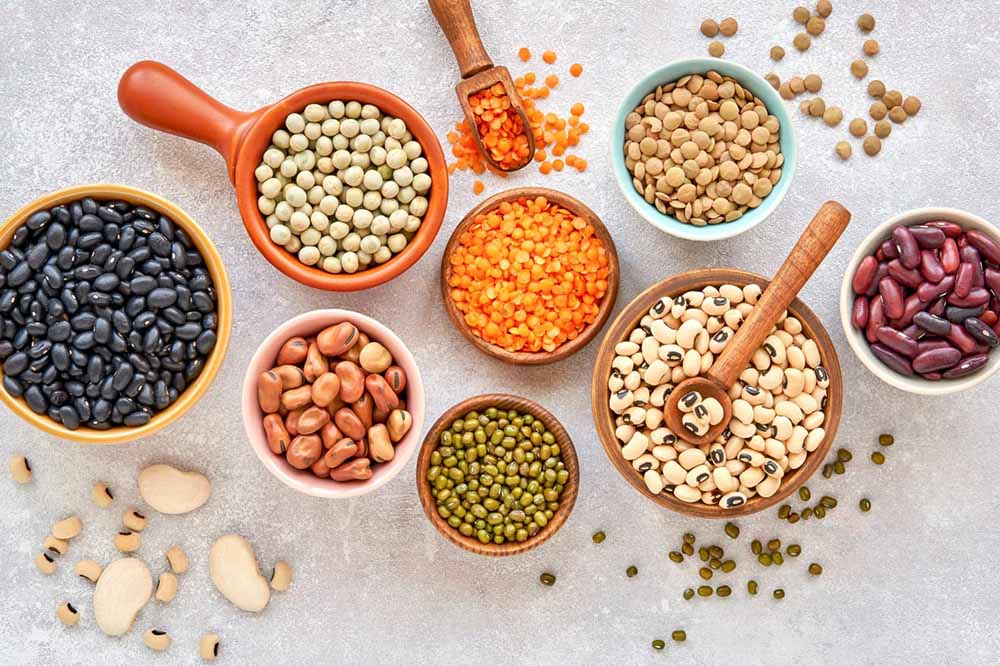
Legumes are the highest-fiber, highest-protein plant food available. A cup of cooked lentils provides 18 grams of protein and 15 grams of fiber – a combination that produces a sustained, stable blood sugar curve and significantly reduces hunger for 4-6 hours afterward. A 2016 meta-analysis in the American Journal of Clinical Nutrition found that people who ate one serving of legumes daily lost more belly fat than those on calorie-equivalent diets without legumes, even without an overall calorie deficit.
How to eat them daily: Add a scoop of canned chickpeas or lentils to any salad, soup, or grain bowl. They require zero preparation from a can.
9. Apple Cider Vinegar – Blood Sugar Buffer Before Meals

Apple cider vinegar (ACV) taken before a high-carb meal reduces the post-meal blood glucose spike by 20-35% (Diabetes Care Journal, 2004 – replicated in multiple studies since). Lower post-meal glucose means lower insulin, which means less fat storage from that meal. The active compound is acetic acid, which slows gastric emptying and improves insulin sensitivity in muscle tissue. The dose that shows results in studies is 1-2 tablespoons in a large glass of water, 15-30 minutes before a meal. ACV in salad dressing also works.
Important: ACV is acidic and can erode tooth enamel. Always dilute it – never drink it straight.
10. Green Tea – EGCG Targets Fat Oxidation

Green tea contains epigallocatechin gallate (EGCG), a catechin that increases fat oxidation, specifically during exercise and at rest. A meta-analysis of 15 randomized trials found that green tea extract reduced waist circumference by an average of 1.93 cm over 12 weeks (Obesity Reviews, 2012). The effect is modest on its own but adds up when combined with other dietary changes. The dose in most studies is 300-400mg of EGCG, which is roughly 3-4 cups of brewed green tea per day.
How to drink it daily: Replace your second or third coffee with green tea. Matcha has 3-4x the EGCG of regular brewed green tea.
11. Almonds – Snacking That Does Not Spike Insulin
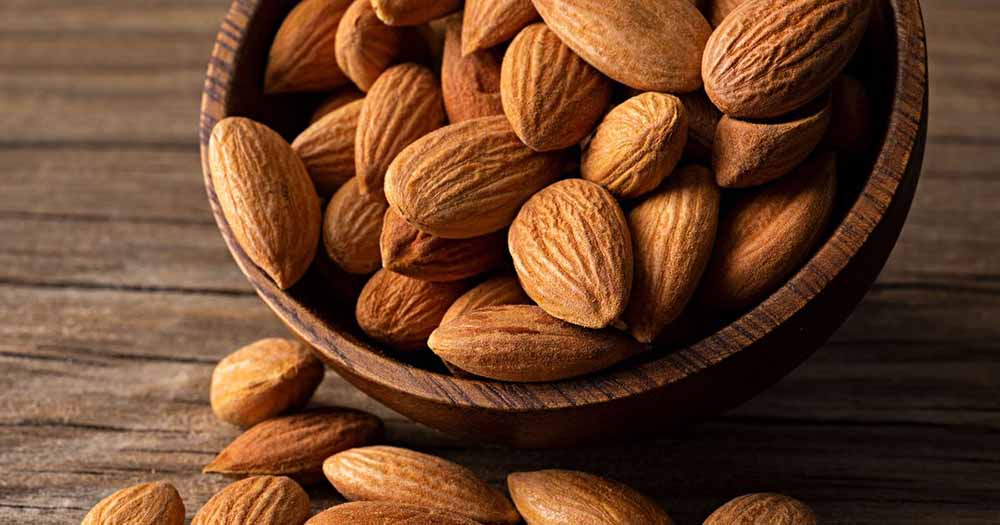
Almonds are one of the few snack foods with clinical evidence for reducing belly fat. A 2015 study in the Journal of the American Heart Association found that people who snacked on 1.5 oz of almonds daily (rather than a high-carb snack with equal calories) reduced belly fat and leg fat over 6 weeks. Almonds are high in magnesium, vitamin E, and monounsaturated fat. The combination suppresses hunger without triggering an insulin response.
Portion note: 1.5 oz is roughly 30-35 almonds. More than that adds significant calories without proportionally more benefit.
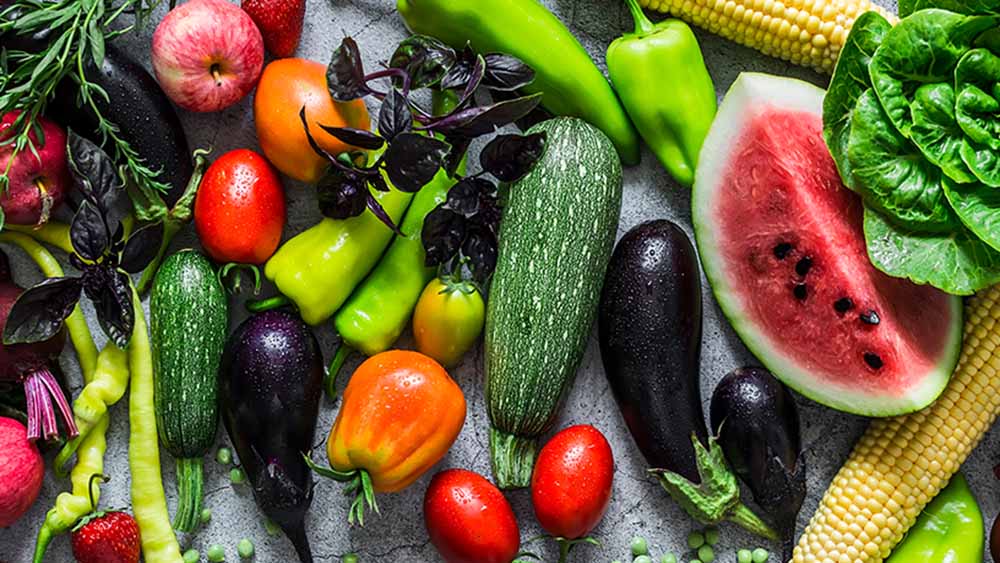
12. Water-Rich Vegetables (Cucumber, Zucchini, Celery) – Bloating Reducers
How to eat them daily:
Sliced cucumber with hummus replaces chips as a snack. Zucchini spiralized or sliced replaces half the pasta in any pasta dish.
Foods That Work Against Belly Slimming (Avoid or Limit)
Eating the 12 foods above works faster if you also reduce the foods that directly cause visceral fat accumulation.
- Added sugar and refined carbohydrates – spike insulin repeatedly throughout the day, driving fat into abdominal storage
- Alcohol – particularly beer and mixed drinks, which combine high calories with cortisol-raising effects
- Processed vegetable oils (soybean, corn, canola in packaged foods) – high in omega-6, which drives inflammation and fat accumulation
- Artificial sweeteners – disrupt gut microbiome balance, reducing the effectiveness of the probiotic foods on this list (Nature Journal, 2022)
How to Build These Foods Into Your Daily Routine
You do not need to eat all 12 every day. Aim for 6-8 consistently.
| Meal | Belly Slimming Foods to Include |
|---|---|
| Breakfast | Oats or eggs + berries + Greek yogurt |
| Snack | Almonds + cucumber slices |
| Lunch | Leafy green salad + legumes + avocado |
| Dinner | Fatty fish + water-rich vegetables |
| Drinks | Green tea + water (with ACV before meals) |
Frequently Asked Questions About Belly Slimming Foods
What foods reduce belly fat the fastest?
Foods that lower insulin the fastest produce the quickest visible results. Avocado, eggs, and leafy greens eaten in combination for breakfast reduce post-meal insulin spikes and start reducing visceral fat within 2-4 weeks of consistent daily eating. Speed also depends on removing high-sugar and high-refined-carb foods from the same meals.
How long does it take to see results from eating belly slimming foods?
Most research shows measurable reductions in waist circumference within 4-6 weeks when dietary changes are consistent. A 2023 Harvard T.H. Chan School of Public Health review found that abdominal circumference reduced by an average of 2-4 cm over 6 weeks in participants who added high-fiber, high-protein foods and removed refined carbs. Individual results vary based on starting diet, stress levels, and sleep quality.
Can you reduce belly fat through food alone without exercise?
Yes, diet change alone reduces visceral fat – and diet has a larger impact on visceral fat than exercise does. A 2022 Johns Hopkins Medicine review found that dietary changes alone reduced visceral fat by roughly twice as much as exercise alone in overweight adults. Exercise amplifies results but is not required for dietary changes to work.
Are there belly slimming foods that also reduce bloating?
Yes. Cucumbers, celery, ginger, and Greek yogurt are the strongest options for reducing both visceral fat and bloating simultaneously. Bloating is often caused by water retention (addressed by high-water vegetables) or gut microbiome imbalance (addressed by probiotic foods like yogurt). Reducing sodium intake alongside these foods accelerates the bloating reduction.
What is the best belly slimming food for people over 40?
After 40, cortisol management becomes more relevant because cortisol sensitivity increases with age, driving more visceral fat accumulation under stress. Fatty fish (for omega-3s that lower cortisol) and magnesium-rich foods like leafy greens and almonds are the most relevant choices for this age group. Greek yogurt is also important because gut microbiome diversity declines with age, and probiotics help reverse this.
Do belly slimming foods work differently for men and women?
The core mechanisms (insulin, cortisol, fiber, protein) work the same for both. The main difference is fat distribution: women tend to accumulate more subcutaneous fat (under the skin), while men accumulate more visceral fat (around the organs). Visceral fat responds faster to dietary changes, which often means men see faster visible abdominal results early on. Long-term outcomes at 12+ weeks are comparable (American Journal of Clinical Nutrition, 2021).
Key Takeaways
Visceral fat responds to diet change faster than subcutaneous fat, with most people seeing measurable results in four to six weeks. The mechanism matters more than the food name, so you should aim for foods that reduce insulin spikes, lower cortisol, add fiber, and deliver protein.
Avocado, oats, eggs, Greek yogurt, and fatty fish are the highest-evidence daily foods for reducing abdominal fat. Removing added sugar and refined carbs from the same meals amplifies every result on this list.
Consistency over six-plus weeks beats intensity over one week, so pick six to eight of these foods and eat them most days.
Recommended Article
Vitamin E for Skin: What It Does, How to Use It, and DIY Methods That Actually Work
12 Low-Calorie Foods That Actually Keep You Full (Not Just Less Hungry)
The 9 Foods That Fight Wrinkles *and* Burn Belly Fat (Yes, at the Same Time)