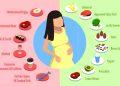



Your 30s are when small daily habits start producing visible, long-term health outcomes — for better or worse. Hormonal shifts, declining bone density, and rising cortisol levels all begin in this decade, according to the American College of Obstetricians and Gynecologists (2024). The 12 habits below cover nutrition, mental health, sleep, and hormonal health—the four areas with the highest impact for women in this age group, and you do not need to overhaul your life at once to see results. Adding two or three habits at a time produces better adherence than full lifestyle resets (NIH Behavior Change Consortium, 2023), and the bottom-line recommendation is to start with sleep and protein intake, as they affect every other system on this list.

What Makes Your 30s a Critical Window for Women’s Health
Your 30s are not a health decline — they are a health decision point. Estrogen levels begin a gradual decrease after 32 (Endocrine Society, 2024), bone density peaks around 30 and starts a slow drop, and cortisol sensitivity increases, making stress harder to shake off than it was in your 20s. The habits you build now determine your baseline for your 40s and beyond, as women who establish consistent sleep, nutrition, and stress management routines in their 30s show measurably better cardiovascular and hormonal outcomes by age 50 (Women’s Health Initiative, 2023).
What to Look for in a Healthy Lifestyle Habit
Not every wellness trend is worth your time, which is why each habit on this list was selected using specific criteria. These criteria ensure that every recommendation is evidence-backed, sustainable at low effort, hormonally relevant, and offers compounding benefit over time.
| Criterion | Why It Matters |
|---|---|
| Evidence-backed | Supported by peer-reviewed research, not influencer claims |
| Sustainable at low effort | Works within a normal schedule, not a 2-hour morning routine |
| Hormonal relevance | Directly supports estrogen, cortisol, or thyroid function |
| Compounding benefit | Gets easier or more effective the longer you do it |
1. Eat 25-30g of Protein at Every Meal
Protein intake directly affects muscle retention, blood sugar stability, and satiety hormones like leptin and ghrelin. Women in their 30s who consistently hit 1.2-1.6g of protein per kilogram of body weight retain significantly more lean muscle mass over a decade (Journal of the International Society of Sports Nutrition, 2023). This habit is best for blood sugar control, body composition, and appetite regulation, and you can start by adding one palm-sized serving of chicken, fish, eggs, lentils, or Greek yogurt to every meal.
2. Prioritize 7-9 Hours of Sleep — Non-Negotiable
Sleep is where hormonal repair happens, as during deep sleep, your body produces growth hormone, regulates cortisol, and consolidates insulin sensitivity. Women who sleep under six hours per night show a 37% higher risk of metabolic disorder compared to those sleeping seven or more hours (CDC Sleep and Chronic Disease Report, 2024). This habit is best for cortisol balance, weight regulation, and mental clarity, and you can start by setting a consistent bedtime — the same time every night, weekends included — because consistency matters more than total hours.
3. Do Strength Training at Least Twice a Week
Cardio is not enough on its own in your 30s, as resistance training directly counteracts the muscle loss that begins in this decade (sarcopenia starts around age 30 at a rate of 3-5% per decade, per the American Academy of Orthopaedic Surgeons, 2024). It also improves insulin sensitivity and supports bone density, making it best for bone health, metabolism, and hormonal balance. You can start with two 30-minute sessions per week, which is enough to produce measurable results, and bodyweight squats, deadlifts, and push-ups need no gym membership.
4. Cut Added Sugar Below 25g Per Day
The World Health Organization recommends under 25g of added sugar daily for adult women (WHO, 2023), as excess sugar spikes insulin, which disrupts estrogen-progesterone balance and increases inflammation. These effects drive PMS severity, skin issues, and energy crashes, so this habit is best for hormonal balance, skin health, and energy stability. To start, read labels on sauces, yogurts, and drinks first — that is where most hidden sugar lives.
5. Track Your Menstrual Cycle for Health Data, Not Just Fertility
Your cycle is a monthly report card on your hormonal health, as irregular periods, heavy bleeding, or severe PMS are early signals of thyroid issues, PCOS, or estrogen dominance — all of which are easier to address when caught early (American College of Obstetricians and Gynecologists, 2024). This habit helps you understand your body’s patterns and empowers you to have informed conversations with your healthcare provider about any concerns that arise.
Comparison Table: 12 Habits at a Glance
| Habit | Primary Benefit | Start Small |
|---|---|---|
| Daily Walk | Insulin regulation, mood stability | 15 minutes afternoon walk |
| Earlier Dinner | Sleep quality, metabolic repair | Eat dinner at least 3 hours before bed |
| Limit Caffeine After 10am | Better deep sleep, lower anxiety | Switch to water or herbal tea after 10am |
| Real Protein at Breakfast | Blood sugar stability, satiety | Target 25–30g protein at breakfast |
| Cycle-Tracking | Hormonal awareness, energy planning | Use a tracking app for three months |
| Daily Stress Limit | Cortisol control, thyroid health | 10 minutes of breathwork or walking |
| Vitamin D & Iron Testing | Energy, immunity, hormonal support | Request specific ferritin and D tests |
| Cruciferous Vegetables | Estrogen balance, liver health | One cup, three times per week |
| Late-Night Screen Limits | Sleep quality, melatonin regulation | Phone in another room at set time |
| Fermented Foods Daily | Gut-hormone balance, digestion | One serving of yogurt, kimchi, or kombucha |
| Social Connection | Cortisol reduction, longevity | One non-screen interaction per week |
| Annual Blood Panel | Early detection, preventive care | Print and request targeted panel from doctor |
| Habit | Primary Benefit | Time Required | Difficulty |
|---|---|---|---|
| 25-30g protein per meal | Muscle, blood sugar | 0 extra mins | Low |
| 7-9 hours sleep | Hormones, metabolism | Routine shift | Medium |
| Strength training 2x/week | Bone, muscle | 60 mins/week | Medium |
| Cut added sugar | Hormonal balance | Label reading | Medium |
| Cycle tracking | Hormonal awareness | 2 mins/day | Low |
| Daily stress limit | Cortisol control | 10 mins/day | Low |
| Vitamin D + iron test | Energy, immunity | One appointment | Low |
| Cruciferous veg 3x/week | Estrogen balance | Meal planning | Low |
| No screens 2 hrs before bed | Sleep quality | Routine shift | High |
| Daily fermented foods | Gut-hormone health | 0 extra mins | Low |
| Weekly social connection | Mental health | 1-2 hrs/week | Medium |
| Annual blood panel | Early detection | One appointment | Low |
Frequently Asked Questions About Healthy Lifestyle Habits for Women in Their 30s
What are the most important healthy lifestyle habits for women in their 30s?
Sleep and protein intake have the broadest impact across all other systems — hormonal, metabolic, and mental. If you can only start with two habits, start there. Both produce results within two to four weeks and make every other habit easier to maintain.
When do hormonal changes start affecting women’s health?
Estrogen levels begin a slow, gradual decrease after age 32 according to the Endocrine Society (2024). This is not menopause — it is a normal shift that affects energy, mood, sleep quality, and body composition years before perimenopause begins. Building hormone-supportive habits now reduces the severity of those later transitions.
How does diet affect hormonal health in your 30s?
Excess sugar, low protein, and poor gut health all disrupt estrogen and cortisol balance. Cruciferous vegetables support liver estrogen clearance. Fermented foods support the estrobolome. Consistent protein intake stabilizes insulin and reduces cortisol spikes through the day.
How much sleep do women in their 30s actually need?
Seven to nine hours per night is the clinically supported range for adult women, according to the CDC (2024). Consistency of sleep timing matters as much as total duration — irregular sleep schedules disrupt circadian cortisol patterns even when total hours look adequate.
Is strength training necessary if I already do cardio?
Yes. Cardio and strength training address different physiological systems. Cardio supports cardiovascular health and mood. Strength training preserves muscle mass, improves insulin sensitivity, and maintains bone density — three outcomes cardio alone does not produce. Both are necessary in your 30s.
Final Verdict
The single best starting point for women in their 30s is this: fix your sleep first, then add protein to every meal. Those two habits stabilize blood sugar, cortisol, and energy — which makes every other habit on this list easier to sustain. From there, add cycle tracking and a blood panel to get a clear picture of your hormonal baseline. Build from data, not guesswork.