


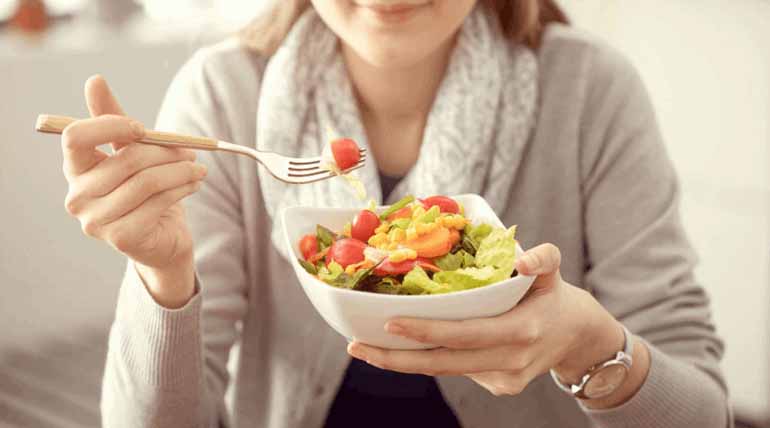
Healthy eating does not require cooking skills or hours in the kitchen—small, consistent swaps matter more than perfect meals. The biggest reason beginners fail is trying to change too much too fast, but research shows that focusing on one habit at a time dramatically improves success rates. You do not need to count calories, go organic, or buy special food to eat well, and this guide gives you five steps to build a sustainable routine in under four weeks.
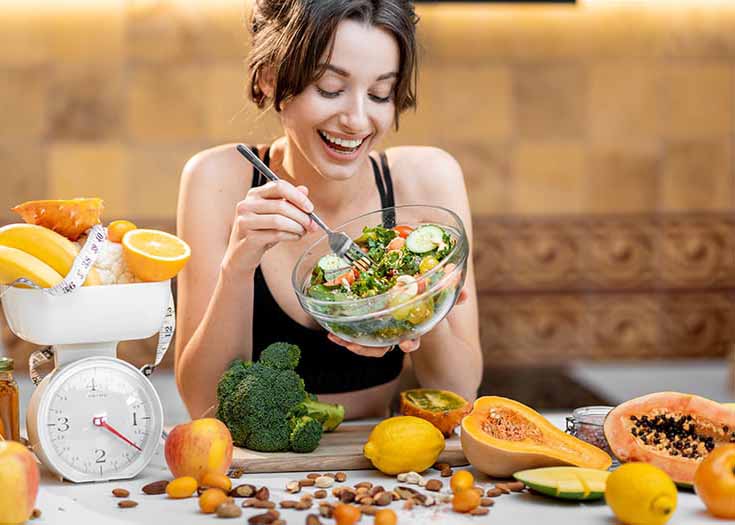
What “Eating Healthy” Actually Means for Beginners
Healthy eating is not a strict diet but rather a pattern of food choices that gives your body consistent energy, controls hunger, and reduces your risk of chronic disease over time. For someone just starting out with no cooking background, healthy eating comes down to three practical shifts: eating more whole foods like vegetables, fruits, proteins, and whole grains, eating less processed food such as packaged snacks, fast food, and sugary drinks, and eating at regular intervals so hunger does not force bad decisions. You do not need a meal plan, a nutritionist, or any special equipment to begin because what you need is a starting point—and this guide gives you one.
Why Most Beginners Quit in Week Two (And How to Avoid It)
Most people fail at healthy eating because they try to fix everything at once, cutting sugar, starting meal prepping, eliminating takeout, and counting macros all in the same week. Research published in the Journal of Health Psychology in 2022 found that people who changed one eating habit at a time were three times more likely to maintain it after 12 weeks compared to those who attempted multiple changes simultaneously. The fix is simple: pick one change, make it automatic, then add the next one, which is exactly the approach this guide uses.
Step 1: Do an Honest Food Audit Before Changing Anything
Before you swap a single food, spend three days writing down everything you eat and drink—including snacks, coffee add-ins, and late-night bites—without judging it, just recording it. At the end of three days, look for two things: your worst habit by volume (the food or drink that appears most often and adds the least nutrition) and your easiest win (something you already eat that is reasonably healthy and could anchor a better meal). This audit takes ten minutes a day and tells you exactly where to start, because skipping it means you are guessing at your own diet.
- What to track: time of eating, what you ate, how hungry you were beforehand (1-5 scale), and how you felt after.
Step 2: Fix Breakfast First – It Sets the Tone for the Day
Breakfast is the easiest meal to upgrade because it is the most routine—most people eat the same three or four breakfasts on rotation, and changing one of those is a single decision with daily payoff. A healthy breakfast for a busy person with no cooking experience has two things: protein and fiber, where protein keeps you full and fiber slows digestion to prevent the mid-morning energy drop. Below are no-cook breakfast options that actually work, all under five minutes, so pick one and eat it every weekday for two weeks before moving to Step 3.
| Option | Protein | Fiber | Prep Time |
|---|---|---|---|
| Greek yogurt + banana | 15g | 3g | 1 min |
| Boiled eggs (prep night before) + fruit | 12g | 2g | 0 min morning |
| Overnight oats (rolled oats + milk + fruit) | 10g | 5g | 3 min night before |
| Cottage cheese + berries | 14g | 2g | 1 min |
| Whole grain toast + peanut butter | 8g | 4g | 2 min |
Step 3: Replace One Processed Food Per Week – Not All of Them
Processed foods are not all equal, but ultra-processed foods like chips, packaged cookies, sugary cereals, and fast food are the ones worth targeting because they are high in calories, low in nutrition, and engineered to override your hunger signals according to the NOVA Food Classification System. You do not need to eliminate them all at once—instead, you need to replace them one at a time. Identify your most-eaten processed food this week, find one whole-food swap that satisfies the same craving, eat the swap when you would normally eat the processed version, and remember to replace rather than restrict.
- Common swaps that work for busy beginners: Swap chips for air-popped popcorn or roasted chickpeas, replace sugary cereal with oatmeal topped with fresh fruit, and trade fast food burgers for a whole-grain wrap with lean protein and vegetables.
What are simple, healthy alternatives to my current snacks?
Start by identifying the three snacks you eat most often and replace each one with a better alternative. The key is matching the same eating experience so you do not feel like you are missing out on anything. Quick swaps that work include chips during an afternoon break, which you can swap for a small handful of mixed nuts or rice cakes with peanut butter. Sugary cereal at breakfast can be swapped for oats with honey, which takes about the same amount of time to prepare. Soda with lunch works well replaced by sparkling water with a squeeze of lemon or lime, and candy after dinner can give way to a piece of dark chocolate at 70% or higher or a small bowl of grapes.
Do one swap per week. After four weeks, you will have replaced four habits without feeling deprived.
Step 4: Build a Simple Grocery List That Removes Decision Fatigue
Healthy eating fails at the grocery store more than anywhere else. When you go in without a list, you buy what looks good or what is convenient, and that usually means processed food. A beginner-friendly grocery list does not need to be long — it needs to cover five categories: protein, vegetables, fruit, whole grains, and healthy fats. Everything else is optional.
A weekly starter grocery list for one person:
Protein (pick 2-3):
- Eggs
- Greek yogurt
- Canned tuna or salmon
- Rotisserie chicken (pre-cooked, requires zero effort)
- Canned or dried beans (chickpeas, black beans)
Vegetables (pick 3-4 you actually like):
- Baby carrots
- Frozen spinach or mixed vegetables (frozen is as nutritious as fresh — Harvard T.H. Chan School of Public Health, 2021)
- Cherry tomatoes
- Cucumber
- Pre-washed salad greens
Fruit (pick 2):
- Bananas
- Berries (fresh or frozen)
- Apples
Whole grains (pick 1-2):
- Rolled oats
- Whole grain bread
- Brown rice or microwavable rice packets
Healthy fats:
- Peanut butter or almond butter
- Olive oil
- A small bag of mixed nuts
This list covers breakfasts, snacks, and simple lunches without requiring cooking. Rotisserie chicken, canned tuna, and pre-washed greens mean you can assemble a meal in three minutes.
Step 5: Handle the Two Situations That Derail Every Beginner
Two situations wreck healthy eating more than anything else: being too busy to cook and eating out. Neither has to be a problem if you plan for them in advance.
When you are too busy to cook:
Keep three “assembly meals” in your head — meals that require zero cooking and take under five minutes:
- Rotisserie chicken + pre-washed greens + olive oil drizzle + any vegetable
- Canned tuna + whole grain crackers + cherry tomatoes
- Greek yogurt + fruit + handful of nuts
These are not exciting. They are reliable. Reliable beats exciting when you are tired and hungry.
When you eat out:
You do not need to avoid restaurants. You need a two-second rule: before ordering, scan for the option with the most protein and vegetables. It does not need to be the healthiest item on the menu — just better than your default. Specific swaps that work at most restaurants include swapping fries for a side salad or steamed vegetables when offered, ordering grilled instead of fried protein, asking for sauces and dressings on the side (this one change reduces calorie intake by an average of 100-200 calories per meal according to the American Journal of Clinical Nutrition, 2020), and choosing water or unsweetened drinks instead of soda.
How Long Before You See Results
You will not feel different in three days. That is not how nutrition works, and anyone who promises otherwise is selling something. Here is a realistic timeline based on general nutrition research (Academy of Nutrition and Dietetics, 2023):
| Timeline | What You Notice |
|---|---|
| Week 1-2 | Less afternoon energy crash, more stable mood after meals |
| Week 3-4 | Better sleep quality, reduced sugar cravings |
| Month 2-3 | Noticeable change in energy levels, digestion, and body composition |
| Month 3+ | New defaults — healthy options feel normal, not like effort |
The goal is to reach Month 3. Most people quit in Week 2. The five-step approach in this guide is designed specifically to get you past that drop-off point by keeping each change small enough to stick.
Frequently Asked Questions About Starting to Eat Healthy
What is the easiest first step to eating healthy for beginners?
Fix breakfast before anything else. It is the most routine meal in most people’s day, requires no cooking skill, and the improvement compounds daily. Start with a protein and fiber combination — Greek yogurt with fruit, overnight oats, or boiled eggs — and eat it consistently for two weeks before changing anything else.
How do you start eating healthy when you have no time to cook?
Use assembly meals instead of cooked meals. Rotisserie chicken, canned fish, Greek yogurt, pre-washed greens, and canned beans require zero cooking and can be combined into a full meal in under five minutes. Batch-boiling eggs on Sunday night is the single highest-value ten-minute task for busy eaters.
Do you have to give up all junk food to eat healthy?
No. The goal is not elimination — it is replacement. Swapping one processed food per week for a whole-food alternative is more effective long-term than cutting everything at once. Research consistently shows that restriction-based approaches have higher relapse rates than substitution-based ones (Journal of the Academy of Nutrition and Dietetics, 2021).
Is frozen food healthy?
Yes, for most vegetables and fruits. Frozen produce is typically picked at peak ripeness and flash-frozen, which preserves most of its nutrients. The Harvard T.H. Chan School of Public Health (2021) notes that frozen vegetables are nutritionally comparable to fresh ones in most cases, and are often cheaper and easier for beginners to use consistently.
How many calories should a beginner aim for when starting to eat healthy?
Do not count calories at the start. Focus on food quality and hunger signals first. Counting calories as a beginner adds a layer of complexity that increases dropout rates without proportional benefit. Once your food patterns stabilize — usually after 6-8 weeks — you can add tracking if needed for a specific goal.
What should I drink when eating healthy?
Water is the default. Aim for roughly 2 liters (about 8 cups) per day. Black coffee and unsweetened tea are fine. The biggest drink change for most beginners is cutting sugary drinks — sodas, juices, and flavored coffees add significant sugar with no nutritional value. A single can of regular soda contains roughly 39 grams of sugar, more than the American Heart Association’s recommended daily limit for women (25g) and approaching the limit for men (36g) (American Heart Association, 2021).
Key Takeaways
These five principles form the foundation of a sustainable healthy eating approach. They are designed to reduce friction, prevent common pitfalls, and build long-term habits:
- Audit what you currently eat before changing anything — you cannot fix what you cannot see.
- Fix one meal at a time, starting with breakfast.
- Replace processed foods one per week using direct swaps, not restriction.
- Build a five-category grocery list to eliminate in-store decision making.
- Plan for your two failure points — being too busy and eating out — before they happen.
Recommended Article
12 Best Belly Slimming Foods to Eat Every Day in 2026





Comments 1