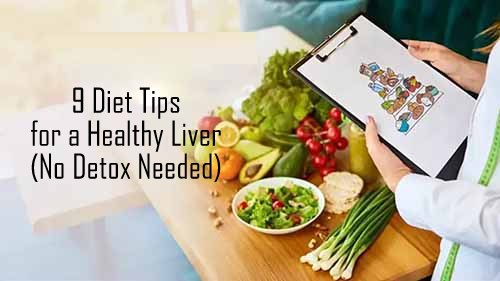
Your liver does not need a detox. It needs you to stop making its job hard. That is the real truth. I spent years watching people come in sure they needed some costly cleanse or juice fast, but their liver was tired because they ate the wrong foods every day. The good news? Once they learned what really works, things changed fast. Very fast.
If you have heard words like “fatty liver,” “high liver enzymes,” or “watch your diet” and felt lost about what to eat, this is for you. You are not failing. You just got bad advice. Here is what you will get: nine simple, science-backed diet tips that work because they are not tricks, no kale shakes you hate, and no rules that make life hard.
Just smart food choices that taste great. By the end, you will know what to eat, why it helps, and the one change that makes the biggest difference.
What You Are Really Looking At
This is not a strict “liver diet.” It is an anti-inflammatory, blood sugar-friendly way to eat that is great for your liver. Think of it as a Mediterranean diet mixed with low-sugar, high-fiber foods and smart protein timing. The key nutrients you need include 25–35g of fiber each day from veggies, fruits, and whole grains, omega-3s from fish or plants, monounsaturated fats like olive oil and avocados, choline from eggs and lean meats to help move fat out of liver cells, and antioxidants like vitamin E and polyphenols from coffee and berries.
Who should do this? Anyone with non-alcoholic fatty liver disease (NAFLD), high liver enzymes (ALT/AST), or a family history of liver issues. But even if your liver is fine now, this plan keeps it that way. The big myth: Your liver does not need a detox. It detoxes itself. What it needs is for you to stop feeding it bad carbs and junk fats that make its job harder.
1. Eat Cruciferous Vegetables Daily — But Do Not Overcook Them
Broccoli, Brussels sprouts, cauliflower, and kale have sulforaphane. This compound turns on your liver’s detox enzymes. Think of it like flipping a light switch on your liver’s clean-up crew. Most people skip these veggies or boil them until they are gray and dead, which kills the very compounds that help.
How to do this right: Eat 1 cup daily (about the size of your fist), roast or lightly steam at 350°F for 10–12 minutes, and add a pinch of mustard powder or eat them with raw radish to boost absorption. Overcooking kills sulforaphane — this matters a lot. Here is what I have seen: people who roast their veggies eat more of them because the taste makes them want more. Boiled? They skip them.
The nutrition part: These veggies have 25–35 calories per cup, 2–3g of fiber, and loads of glucosinolates — sulfur compounds your liver needs to detox. The trap: Boiling veggies until soft kills up to 90% of the good stuff. Also, if you have thyroid issues, do not eat large amounts raw (cooking is fine).
2. Drink Coffee Like It Is Your Job (But Not Too Much)
This one shocked most of my patients. Studies show that people who drink 2–3 cups of coffee each day have much lower rates of liver fibrosis, cirrhosis, and liver cancer. Coffee helps cut fat in liver cells. I was not sure at first, but the research is clear.
The right way to do it: Aim for 2–3 cups per day — more than that gives you no extra liver help. Drink it black or with a splash of milk; heavy cream, sugar, and syrups turn it into a sugar bomb and ruin the benefit. When to drink: Morning and early afternoon. Caffeine after 2 PM hurts sleep, and sleep matters for your liver.
Why it works: Coffee has chlorogenic acid and cafestol. These lower oxidative stress and boost insulin sensitivity. Less stress means less liver swelling. Better insulin means your liver does not get the signal to store fat. The catch: If you have GERD or anxiety, stick to 1 cup or try cold brew (it is less acidic). Also, cheap coffee has more mold toxins. Spend a bit more.
3. Swap White Rice and Bread for Legumes and Lentils
White rice and white bread spike your blood sugar. When blood sugar spikes, your liver gets the signal to store fat. Legumes do the opposite. Their fiber and starch slow down sugar absorption and help your liver push fat out instead of keeping it. This is where I see the biggest change in my patients’ blood tests.
How to do it: Swap half your rice or pasta for lentils or beans — you do not feel deprived, but your liver gets good signals. Rinse canned beans well to cut sodium by up to 40% and help digestion. Try lentil pasta or chickpea rice for 2–3x more fiber than regular pasta. The numbers: One cup of cooked lentils has 16g fiber and 18g protein. White rice? 0g fiber, 4g protein. That fiber helps flush out bile acids.
A real warning: Do not eat a full cup of beans all at once. Your gut will fight back. Start with ¼ cup per meal and add more slowly over 2–3 weeks.
4. Eat Oily Fish Twice a Week — Canned Tuna Does Not Count
Salmon, sardines, and mackerel have EPA and DHA omega-3s. These fats can cut liver fat by 25–50% and stop the swelling that hurts liver cells. The right amount: Two 4–6 ounce servings each week (about the size of your palm). Canned sardines or salmon cost less, have less mercury, and work just as well when packed in water or olive oil. If you are vegan, take an algae-based DHA pill, 500–1000mg daily.
Why this helps: Omega-3s turn on areas in liver cells that burn fat instead of storing it. They also cut down swelling. It is like telling your liver to send fat out. What to skip: Farmed salmon is fine, but avoid fish oil pills with added sugar or weird tastes — that means low quality. And whole fish is better than pills anyway.
5. Make Olive Oil Your Go-To Fat — But Do Not Cook Everything With It
Extra virgin olive oil has monounsaturated fats and polyphenols (especially oleocanthal) that lower liver fat and boost insulin. The catch? Heat breaks down polyphenols. For cold use only: dressings, drizzles on veggies, bread dipping. For cooking, use avocado oil instead (handles heat better). Daily amount: aim for 2–3 tablespoons.
How it works: Monounsaturated fats lower your liver’s fat-making process. Polyphenols cut oxidative stress — the spark that starts liver swelling. The key detail: “Light” or “pure” olive oil has no polyphenols. Buy extra virgin in dark bottles. Never deep-fry with it. Yes, it costs more. It is also the only choice that works.
6. Eat Eggs (Yes, the Whole Egg) — They Are Not Bad for Your Liver
Eggs are one of the best sources of choline. Choline is what moves fat out of liver cells. No choline means fat gets stuck. And the choline is in the yolk. Not the white. How many to eat: 1–3 whole eggs each day is usually safe. Pair with veggies for fiber and antioxidants. If you have diabetes or high cholesterol, 1 whole egg plus extra whites daily.
Why it works: One large egg has 147mg choline — about 25% of your daily need. Choline turns into phosphatidylcholine, which packs fat into particles that leave your liver. The mistake people make: Scrambling eggs in butter or with processed cheese. Use olive or avocado oil spray instead.
7. Eat Berries Like They Are Candy — Fresh or Frozen, Not Dried
Blueberries and strawberries have anthocyanins. These compounds cut liver fat by stopping the swelling pathways that cause harm. How much to eat: 1 cup each day (about a small bowl). Frozen berries work just as well as fresh — they are picked ripe and flash-frozen, keeping the good stuff. Mix with oatmeal, yogurt, or smoothies.
Honest truth: I skipped frozen berries for years, thinking fresh was better. They are basically the same for this. If frozen berries help you eat them, buy frozen. The science: Anthocyanins stop the NF-kB swelling pathway and boost insulin sensitivity. This cuts the signal for your liver to store fat. The trap: Dried berries are like candy — some have as much sugar as chocolate bars. Stick to fresh or frozen.
8. Walk for 15 Minutes After Your Biggest Meal
After-meal blood sugar spikes tell your liver to store fat. A simple 15-minute walk after your biggest meal (often dinner) lowers sugar spikes and helps insulin work better for up to 48 hours. This is exercise that really works. No gym. No sweat. No excuses.
How to do it: Start walking within 5–10 minutes after eating. Speed does not matter — a slow walk around the block works. If the weather is bad, march in place in your living room. I have seen this one change lower liver enzyme levels in 6 weeks. It works that well.
9. Cut Back on Alcohol — Even the “Healthy” Kind
Your liver processes alcohol. When your liver already has fat, alcohol is a second hit. Wine, beer, craft cocktails — it does not matter. They all get processed the same way. The real limit: If you have fatty liver, aim for zero, or at most 1 drink per week. If your liver is healthy, moderate use (1 drink daily for women, 2 for men) is usually okay. “One drink” = 5 oz wine, 12 oz beer, 1.5 oz spirits. I know this tip is not popular, but if you want your liver to get better, this matters.
The One Thing to Remember
Your liver does not need a cleanse or a detox plan. It needs you to eat foods that make its job easy instead of hard. Broccoli, fish, berries, beans, olive oil, eggs, and coffee — these are not magic foods. They are just foods that match how your liver works at the cell level.
FAQ
Q: Do I need a liver cleanse or detox pill?
No. Your liver cleans itself. If you want to help it, eat the foods in this article. Pills that say they “detox” your liver are ads, not science.
Q: How long until I see changes?
6–8 weeks to feel better. 3–4 months to see better liver enzyme numbers in blood tests. Keep with it.
Q: Can I reverse fatty liver with food alone?
Yes. Fatty liver disease gets better with diet changes, especially if you also lose 5–10% of your body weight.
Q: What if I do not like fish?
Canned sardines or salmon work and cost less. Or take an algae-based DHA pill. But try the canned option first — it tastes great with the right recipe.
Q: Do I need to count calories?
No, not if you eat whole foods from this list. These foods help your body control hunger and blood sugar on their own. Counting calories often makes things too hard.
The Takeaway
You do not need a miracle diet or costly pills. You need to know what your liver actually likes and eat that. These nine tips are not limits — they are a green light to eat real food that tastes great and works. Start with the two or three changes that feel easiest, get those right, then add more. That is how real change happens. Your liver will thank you. For real.
Recommended Article
The Complete Low Cholesterol Diet Plan: A 7-Day Heart-Healthy Meal Plan to Lower LDL Naturally