

If you’ve ever finished a 300-calorie “diet” salad only to feel hungrier than before you ate it, you know the problem isn’t willpower—it’s the food itself. Not all low-calorie foods are built the same, as some leave you physically satisfied while others leave your stomach growling an hour later, making you question why you’re even bothering with a diet at all. I’ve worked with hundreds of people trying to lose weight, and the biggest difference between those who stick with it and those who quit isn’t discipline—it’s choosing foods that actually make your body feel full.
Here’s the thing most diet articles won’t tell you: your brain doesn’t just care about calories. It cares about satiety signals—the physical and chemical signs that tell you you’re done eating. When you ignore those signals and eat low-calorie foods that don’t trigger them, you’re fighting your own biology. In this article, I’ll walk you through 12 specific foods that demolish hunger without blowing your calorie budget. More importantly, you’ll understand why they work so you can make smarter choices on your own.
Why These Foods Actually Work (The Science Part, Simplified)
Before I throw a list at you, you need to know what makes a food “filling” beyond just calories. Your body triggers fullness through three main mechanisms: fiber, protein, and water volume. Fiber slows digestion and keeps blood sugar stable, so your stomach stays fuller for longer. Protein activates hormones like peptide YY and GLP-1 that signal your brain, “You’re satisfied. Stop eating.” This is the biggest leverage point for appetite control. Water volume physically stretches your stomach, and your brain registers this stretch and interprets it as fullness. It’s why a big bowl of broth-based soup fills you up more than a 200-calorie candy bar, even though the candy technically has more calories. The best satiety foods combine all three.
The 12 Foods That Actually Fill You Up
1. Popcorn — The Airy Volume Trick

Popcorn is a great food for your belly because it fills you up with air and crunch. Three cups of air-popped popcorn clock in around 90–100 calories, but here’s what matters: those three cups take up real space in your stomach, so your stretch receptors fire off and your brain gets the fullness signal. Most people underestimate how much volume matters, as you can feel physically full on popcorn in ways you never will on the same calories of crackers or chips. Air-pop it and season with salt, a light spray of olive oil, and nutritional yeast if you want umami flavor without calories. It works best as an afternoon snack or the “filler” food at the end of dinner when you want something to chew. Avoid bagged microwave popcorn with butter flavoring and those movie theater buckets—the portions are deceptive, and the calories sneak up fast.
2. Greek Yogurt — The Protein Powerhouse

Greek yogurt is thick and creamy, so it feels like a treat, not diet food. A single 7-ounce serving of plain Greek yogurt has 15–20 grams of protein, which is massive for appetite control because protein has the highest thermic effect of any macronutrient, meaning your body burns calories just digesting it. Plus, the thick, creamy texture feels indulgent, and your brain registers it as a “real” food, not diet food. Eat it plain and unsweetened, then add your own toppings: berries, a drizzle of honey, cinnamon, or granola for crunch. Avoid flavored yogurts, as a single container can have 15–25 grams of added sugar, essentially making it dessert you’re calling breakfast.
3. Eggs — The Breakfast Anchor

Eggs are cheap and full of protein, and they keep you full for hours. They’ve been studied to death, and the results are consistent: they reduce ghrelin (the hunger hormone) and keep you satisfied for hours. One study found that people who ate eggs for breakfast consumed fewer calories throughout the entire day. Plus, eggs are protein-dense and affordable. Eat them hard-boiled or poached. Scrambled is fine too, but avoid frying them in butter or oil—that’s where hidden calories creep in. The truth is that a 70-calorie egg is one of the best hunger-fighting foods you can eat, so treat it that way.
4. Oatmeal — The Steady Fullness Food

Oatmeal sticks with you and keeps your belly happy for a long time. It contains beta-glucan, a soluble fiber that forms a gel-like substance in your digestive system, which slows everything down, keeping you feeling full longer and preventing blood sugar spikes. Steel-cut oats work better than rolled oats, which work better than instant packets, and the chunkier texture also makes you chew more, signaling satiety faster. Cook with water (not milk, which adds calories), then add protein powder to boost satiety even more. Top with berries or a tablespoon of almond butter, and avoid instant packets loaded with sugar, as a single packet can have 12+ grams of added sugar.
5. Berries — The Guilt-Free Sweet

Berries taste sweet but are mostly water, so you can eat a lot of them. They are about 85–92% water and loaded with fiber, satisfying sugar cravings without the insulin spike that comes from candy or desserts. You can eat a massive bowl of berries for fewer calories than a single chocolate chip, and the combination of fiber, water, and volume means fullness without the crash. Eat them fresh, or frozen and thawed for a juicy texture. Add them to yogurt, oatmeal, or eat them straight, and avoid dried berries, which concentrate the sugar—a handful of dried blueberries has 3× the sugar of fresh ones.
6. Broccoli and Cauliflower — The Volume Kings

These veggies are big and filling because they take up lots of room in your tummy. They are 90% water and packed with fiber, so a massive plate of roasted broccoli is only 100–150 calories, giving you fullness from volume and fiber with minimal calorie cost. I’ve found that people who struggle most with hunger are the ones who aren’t eating enough vegetables—a 4-ounce chicken breast is satisfying, but a 4-ounce chicken breast with two cups of roasted broccoli is genuinely filling. Roast them with garlic, salt, and a light olive oil spray to bring out natural sweetness, and avoid smothering them in cheese sauce, which defeats the entire purpose.
7. Skinless Chicken Breast — The Lean Protein Standard
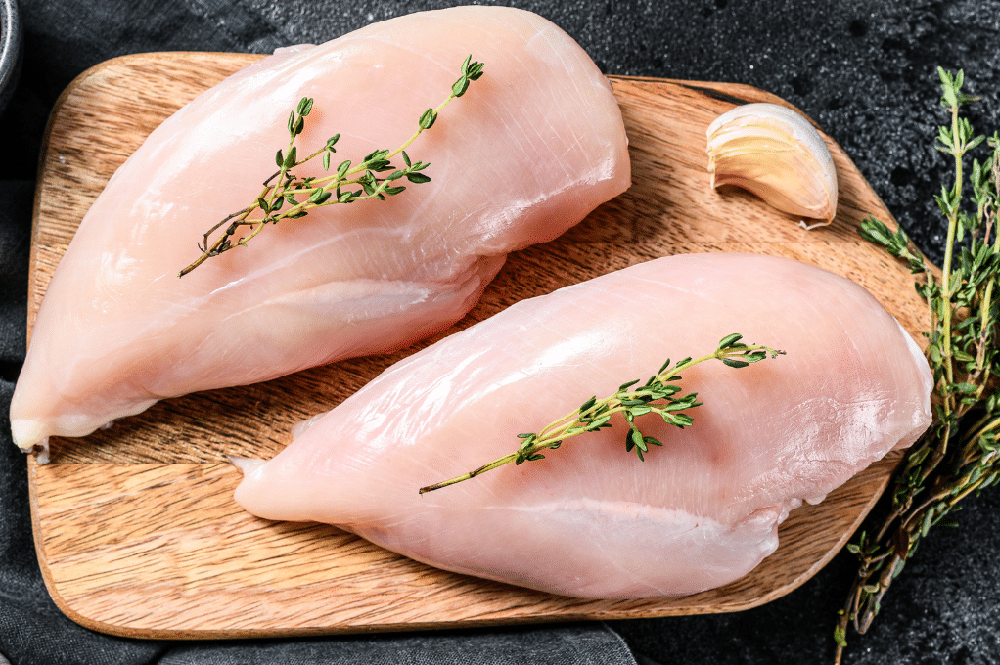
Chicken breast is pure protein that stops hunger in its tracks. A 3.5-ounce chicken breast has 31 grams of protein and only 165 calories, which is the satiety-to-calorie ratio you’re after. Chicken breast gets boring, though—most people cook it dry and then wonder why they don’t like eating it, but that’s a mistake. Grill or bake it and season it well with garlic, paprika, lemon, or hot sauce to make it taste good enough that you actually want to eat it regularly. Avoid fried chicken and anything with creamy sauces, as that’s where the calorie explosion happens.
8. Cottage Cheese — The Underrated Option

Cottage cheese is full of protein and water, so it fills you up fast. It’s high in protein (14 grams per half cup) and has a high water content, and the unique curds-and-liquid structure creates physical fullness that exceeds what you’d expect from the calories. Honestly, cottage cheese gets dismissed because of its texture, but that texture is exactly why it works so well. Eat it straight from the container, or mix with berries and a touch of honey. It’s also great savory with everything bagel seasoning or hot sauce, but watch out for sodium content—buy low-sodium versions and you’re fine.
9. Lentils and Beans — The Fiber-Protein Combo
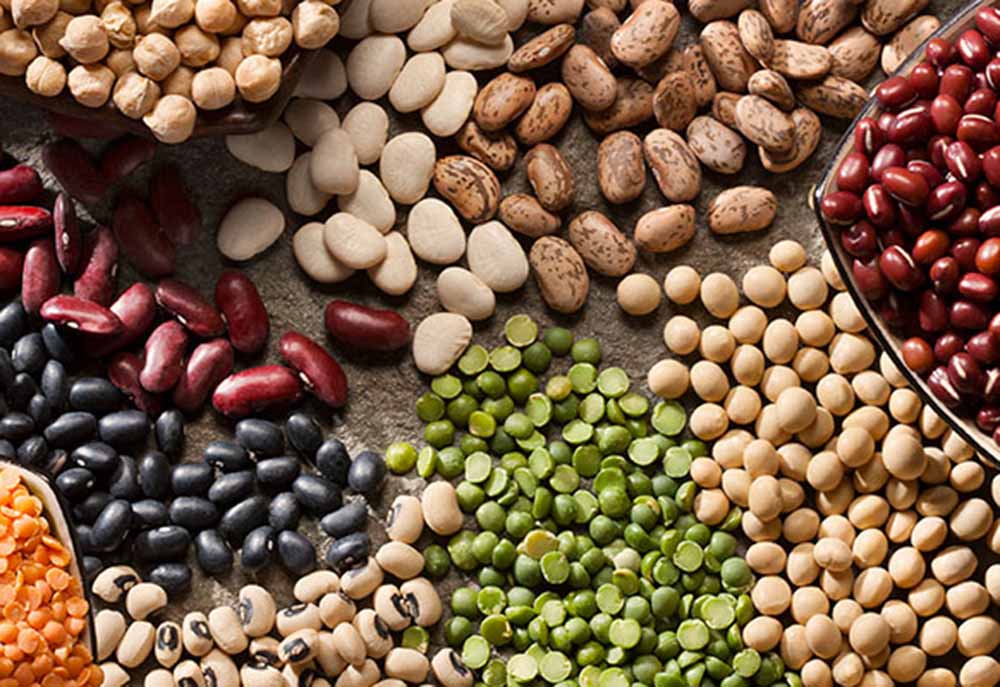
Lentils and beans are tiny but mighty, giving you fiber and protein at once. Lentils have 9 grams of fiber and 9 grams of protein per cooked cup, and beans are similar. This combination—fiber and protein together—is one of the most powerful satiety tools available. A bowl of lentil soup keeps you full longer than chicken and rice because of the fiber load, as your digestive system works harder and you stay satisfied longer. Use them in soups, curries, or as a base for grain bowls, or as a meat replacement in tacos or chili. Avoid canned versions with added sodium or sugar, and opt for dry beans that cost pennies and cook easily, or find low-sodium canned options.
10. Watermelon — The Hydration Hack

Watermelon is mostly water, so it fills you up without many calories. It’s 92% water, and when you eat something that large and hydrating, your stomach stretches and your brain gets a fullness signal. Plus, the natural sweetness satisfies sugar cravings. A cup of watermelon is only 46 calories but feels substantial because of the volume, making it a genuinely refreshing and filling choice on hot days. Eat it cold, cubed, or cut into balls for the best experience.
11. White Fish — The Lean Protein That’s Actually Tender

White fish is soft and light, giving you lots of protein with few calories. Cod, tilapia, and halibut are as protein-dense as chicken breast but with a more delicate texture that’s harder to overcook, so you get the satiety of protein without the dryness that makes people give up on lean proteins. A 4-ounce fillet is about 100 calories and 20 grams of protein, and it’s best baked with lemon or pan-seared with minimal oil. Add herbs and spices—the flavor matters to keep you coming back.
12. Shirataki Noodles — The Volume Hack for Pasta Lovers

These noodles are almost calorie-free, so you get the pasta feel for very little. They’re made from konjac root fiber, and a 200-calorie serving of regular pasta becomes just 40 calories of shirataki noodles. You get the volume and the ritual of eating noodles without the calorie load. They aren’t trying to be “pasta”—accept them for what they are: a vehicle for sauce and protein. Use them in soups, stir-fries, or tossed with sauce and protein, and rinse them well first to remove any residual smell.
The Real Strategy: Combine These Foods
Here’s what I’ve noticed: the people who stick with lower-calorie eating aren’t the ones eating sad salads. They’re the ones eating satisfying, delicious food that happens to be lower in calories. A typical day might look like breakfast with eggs, toast, and berries, lunch with grilled chicken and roasted broccoli, a snack of Greek yogurt with granola, and dinner with salmon, cauliflower rice, and lentil soup. You’re not hungry, you’re not deprived, and you’re eating real food that tastes good.
The One Thing to Remember
The foods that keep you full aren’t a mystery. They’re foods with protein, fiber, and volume. When you choose these instead of processed “diet” foods, you stop fighting your hunger and start working with it.
FAQ
Q: Can I eat these foods and still lose weight? A: Yes. These foods are lower in calories because they’re less calorie-dense, not because they’re “diet foods.” Eat them in reasonable portions, and weight loss follows.
Q: Do I have to eat chicken breast every day? A: No. Rotate between eggs, fish, Greek yogurt, cottage cheese, and legumes. The variety keeps it interesting and hits different nutrient profiles.
Q: What about hunger on a calorie deficit? A: Some hunger is normal, but constant, all-day hunger means you’re eating the wrong foods—usually processed stuff with high calories and low volume.
Q: How much of these foods should I eat? A: Enough until you’re genuinely full, not stuffed. Aim for 0.8–1 gram of protein per pound of body weight, and eat as many vegetables as you want—that’s the baseline.
Q: Do I need to count calories if I eat these foods? A: Not obsessively. These foods are naturally portion-controlled by satiety, but tracking for a week or two helps you understand portions.
Final Thought
Hunger on a diet isn’t a character flaw—it’s a signal that you’re eating the wrong foods. Switch to foods that actually trigger satiety—protein, fiber, and volume—and you stop white-knuckling your way through a deficit. The best diet is the one you can stick to, and you can only stick to it if you’re not starving. Pick three of these foods to add to this week and notice how differently your body responds.
Recommended Article
12 Best Belly Slimming Foods to Eat Every Day in 2026