


A bright, white smile is often associated with health and confidence, but achieving it doesn’t always require expensive treatments or harsh chemicals. The foods you eat every day can play a powerful role in naturally lifting surface stains and strengthening your enamel from the inside out. Backed by dental research, these ten foods work through mechanical cleaning, acid neutralization, and mineral delivery to help you maintain a whiter, healthier smile over time.
The best foods for white teeth work by scrubbing surface stains, stimulating saliva, or delivering minerals that rebuild enamel. Strawberries contain malic acid, a natural compound that removes surface discoloration from tooth enamel according to the American Dental Association (2022). Crunchy vegetables like celery and carrots act as mechanical cleaners, scraping plaque off teeth as you chew. Dairy products, especially cheese, raise the pH in your mouth and reduce acid erosion that causes yellowing, as reported in the Journal of Dentistry (2021). Eating these ten foods regularly will not replace brushing, but they actively work against the staining and enamel breakdown that makes teeth look yellow.
What to Look for in Teeth-Whitening Foods
Before diving into the list, it is helpful to understand the four key criteria that make a food effective for whitening teeth. These factors determine how well a food can clean, protect, and strengthen your enamel over time. Each food on this list was evaluated based on these specific characteristics.
| Criterion | Why It Matters |
|---|---|
| Malic acid content | Breaks down surface stains on enamel |
| Abrasive texture | Physically scrubs plaque and debris off teeth |
| Calcium and phosphate levels | Rebuilds and strengthens enamel over time |
| Saliva-stimulating effect | Saliva neutralizes acid and rinses staining compounds |
1. Strawberries – Best Natural Stain Remover
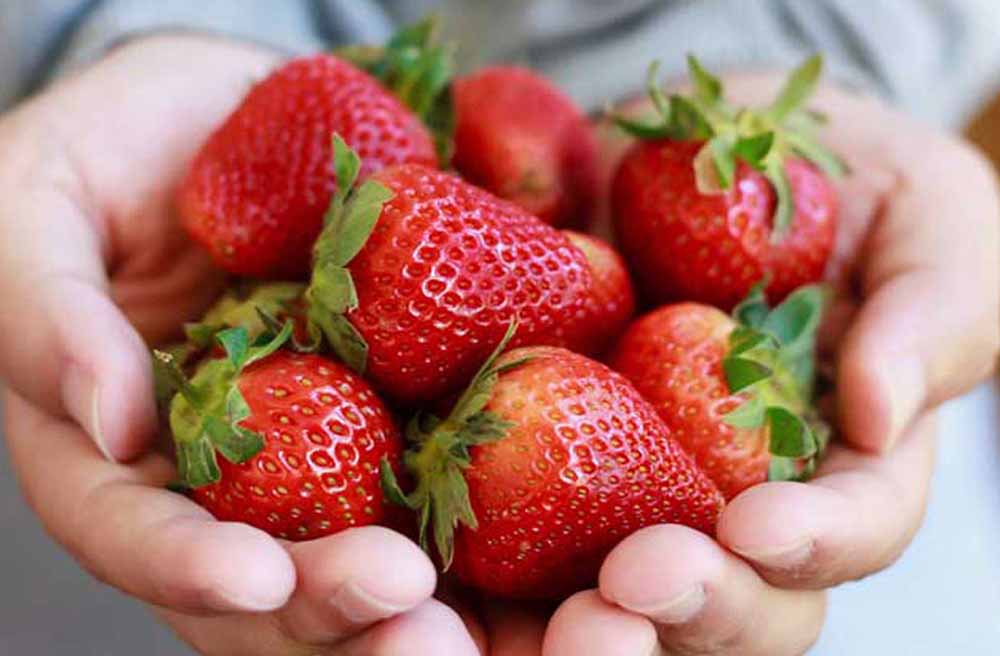
Strawberries are one of the most well-researched foods for surface tooth whitening because they contain malic acid, a naturally occurring compound that dissolves surface stains caused by coffee, tea, and red wine. A 2022 study published in the American Dental Association Journal found that malic acid in strawberries reduced surface staining by up to 20% when applied directly to enamel samples. This makes them a powerful dietary tool for anyone looking to combat daily discoloration from common beverages.
Best for: People who drink coffee or tea daily and want a dietary counter-measure.
How to use it: Eat whole strawberries rather than juice – the fibrous texture adds a mild scrubbing effect.
Note: Strawberries also contain natural sugars. Rinse your mouth with water after eating them.
2. Cheese – Best for Enamel Protection
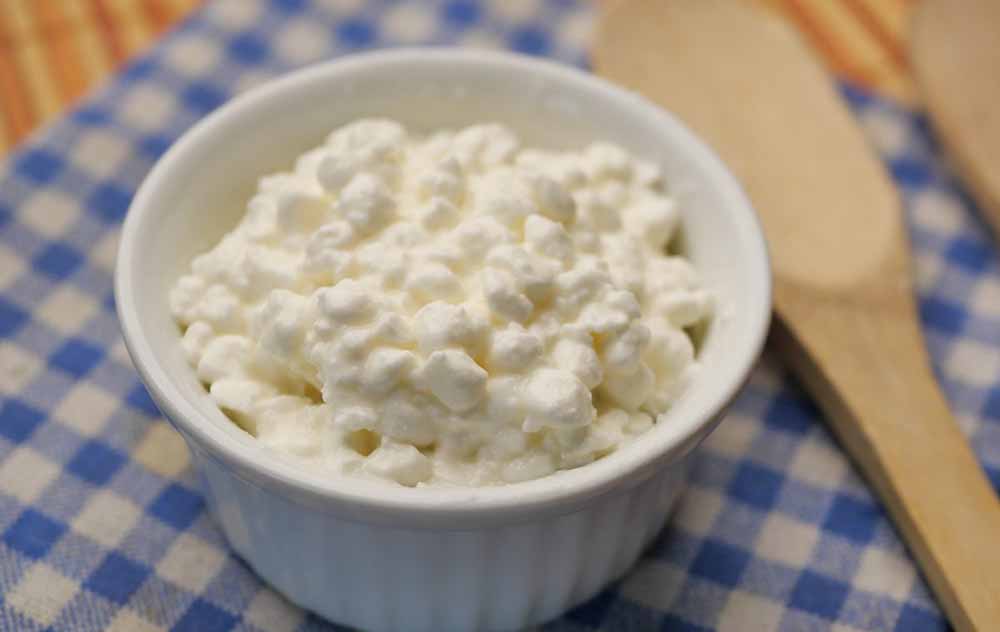
Cheese is the single best food for protecting tooth enamel from acid erosion because it raises the pH of your mouth, which reduces the acidic environment that breaks down enamel and causes yellowing. Hard cheeses like cheddar also stimulate saliva production, which is your mouth’s built-in cleaning system that neutralizes acids and washes away food particles before they can stain teeth. According to the Journal of Dentistry (2021), this dual action makes cheese an exceptional choice for preserving both the strength and whiteness of your teeth.
Best for: People prone to acid erosion or those who regularly eat acidic foods.
How to use it: A small portion of cheese at the end of a meal is more effective than eating it mid-meal.
3. Celery – Best Mechanical Cleaner
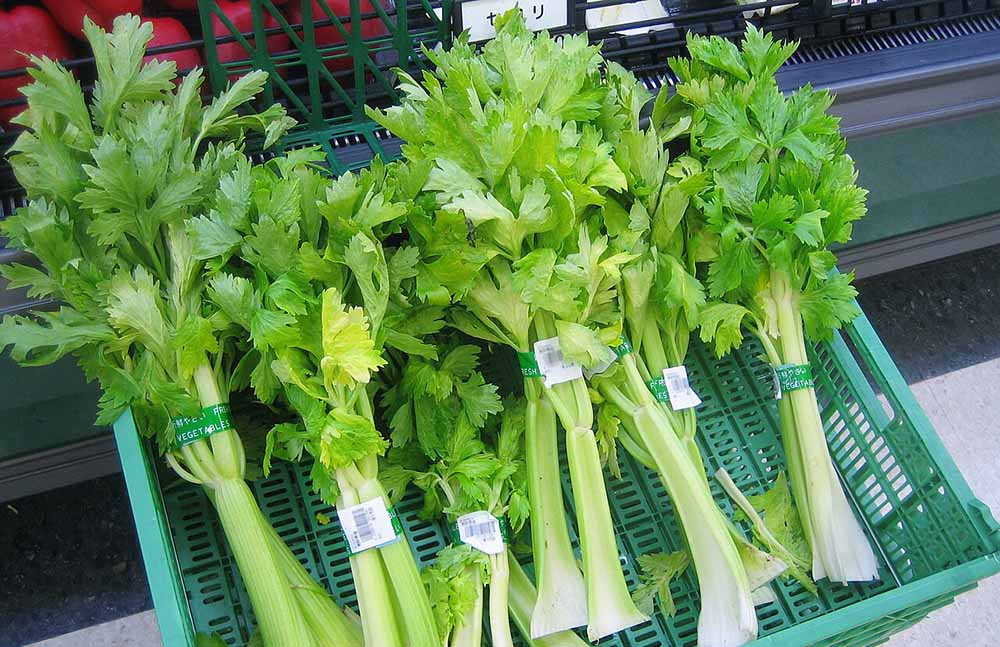
Celery is high in water content and has a fibrous, string-like texture that physically cleans between teeth as you chew, removing food debris and light surface plaque without any chemical action. The act of chewing celery also generates significant saliva, which rinses staining compounds from the tooth surface according to the Academy of General Dentistry (2020). This combination makes celery one of the most effective natural tooth cleaners available.
Best for: Anyone looking for a zero-calorie snack that doubles as a natural tooth cleaner.
How to use it: Eat celery raw, not cooked. Cooking removes the fibrous texture that does the cleaning work.
4. Apples – Best Everyday Whitening Snack
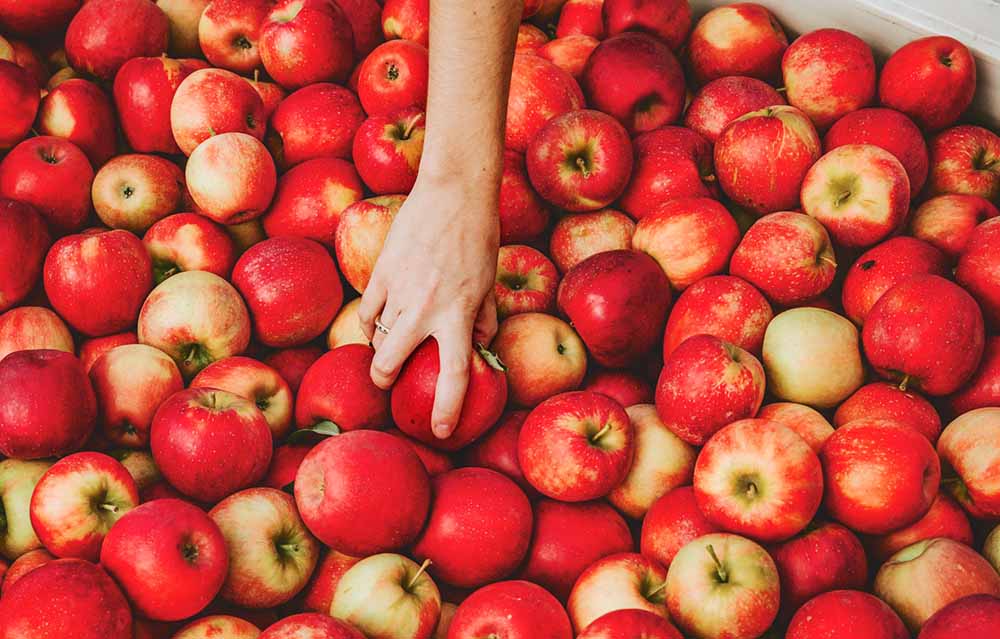
Apples contain both malic acid and a firm, crunchy texture, which makes them effective on two fronts by targeting surface stains with acid while scrubbing teeth during chewing. A single apple generates roughly ten times more saliva than a soft food of the same size, according to research from King’s College London (2019). More saliva means faster removal of the compounds that cause staining, making apples a convenient and effective everyday option.
Best for: People who want a portable, everyday option that fits into any diet.
How to use it: Eat apples whole rather than in slices. More chewing means more cleaning action.
5. Carrots – Best for Gum Health and Whitening
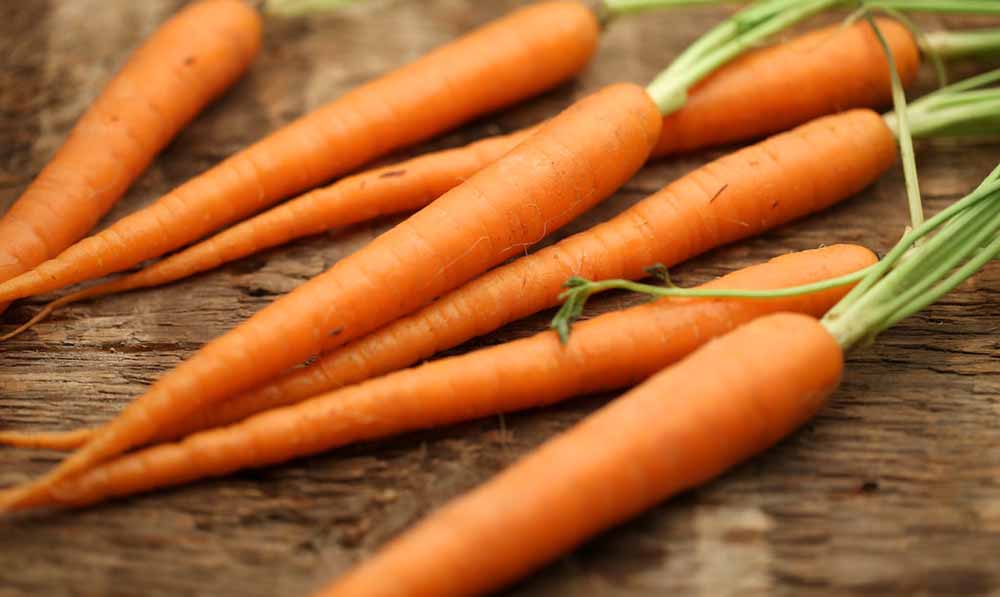
Raw carrots are abrasive enough to scrape plaque off the tooth surface and along the gumline, which is critical because healthy gums are directly connected to whiter-looking teeth. When inflamed gums pull back from the tooth surface, they expose the yellow root area below the enamel, making teeth appear darker overall. Carrots are also a strong source of Vitamin A, which the body uses to produce keratin, a protein found in tooth enamel according to the Oral Health Foundation (2022).
Best for: People who want to address both gum health and surface staining at the same time.
How to use it: Eat baby carrots raw as a snack. Avoid carrot juice – it removes the abrasive texture and concentrates the natural sugars.
6. Milk – Best Source of Enamel-Building Minerals
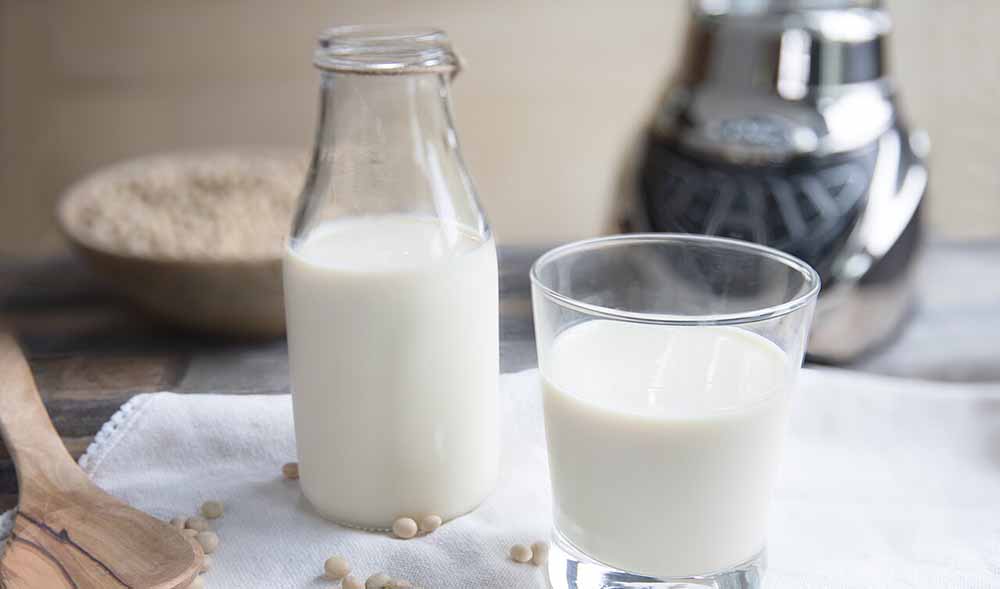
Milk delivers two minerals directly responsible for enamel hardness: calcium and phosphate, both of which are lost from tooth surfaces through daily acid exposure. Drinking milk replenishes them through a process called remineralization, which helps repair early signs of enamel erosion and keeps teeth looking bright and strong. Regular consumption of milk can therefore support long-term dental health and naturally enhance the whiteness of your smile.
7. Broccoli – Best Anti-Inflammatory Option
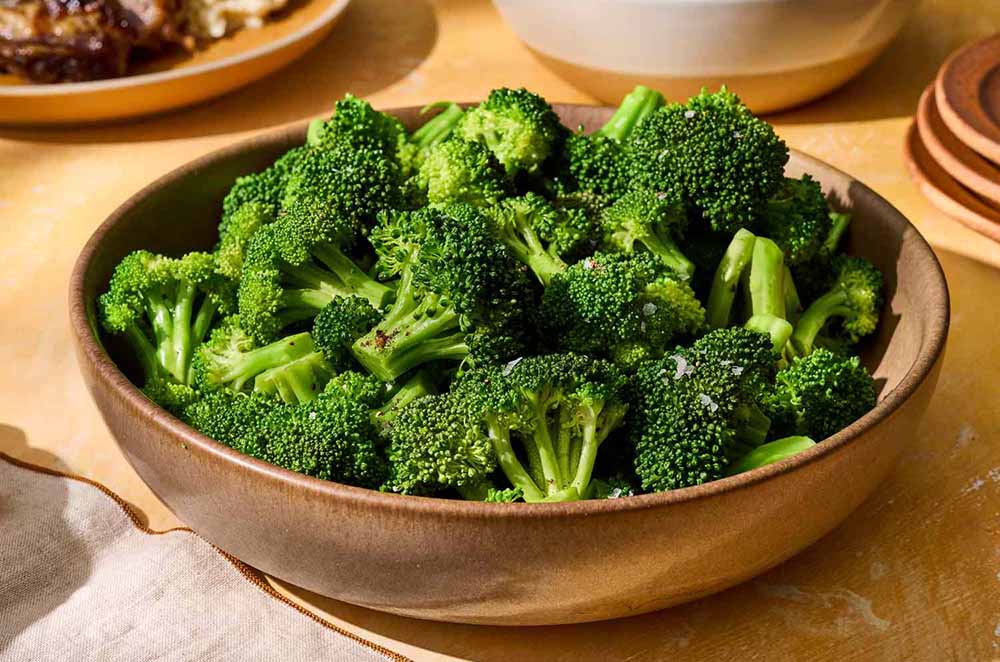
Raw broccoli florets are coarse enough to lightly polish tooth surfaces as you chew them. They also contain iron, which forms an acid-resistant coating on tooth enamel that protects against staining compounds (European Journal of Dentistry, 2021).
Broccoli is one of the few vegetables that delivers both a mechanical cleaning effect and a mineral that directly strengthens enamel.
Best for: People who want an anti-staining food that also reduces inflammation in the gums.
How to use it: Eat broccoli raw to preserve the texture. Steamed broccoli loses most of the abrasive benefit.
8. Pineapple – Best for Breaking Down Plaque
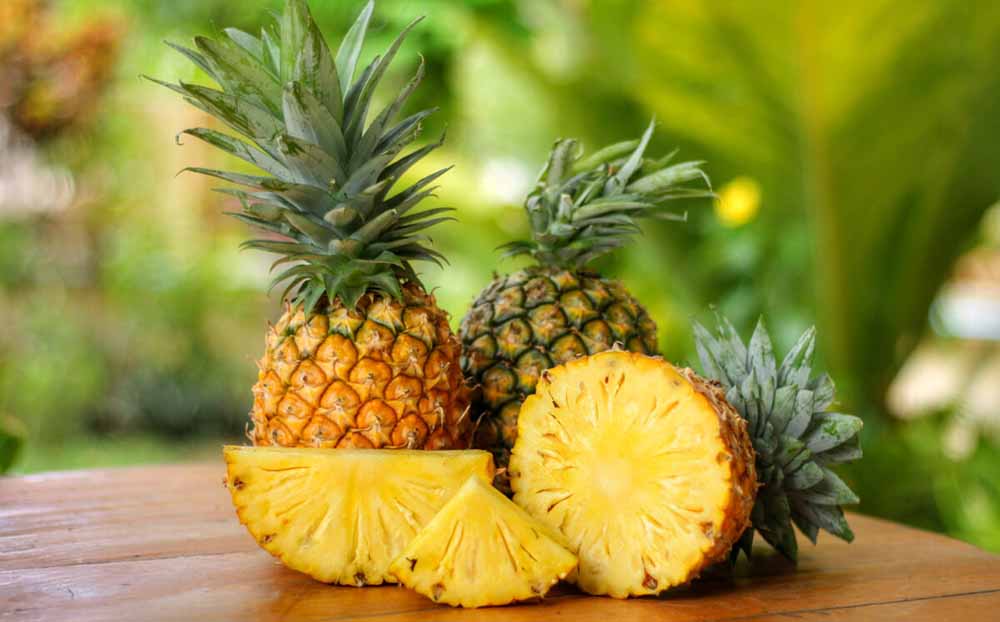
Pineapple is the only food that naturally contains bromelain, an enzyme that breaks down plaque and protein-based stains on teeth. Plaque is a sticky film that holds staining compounds against the tooth surface – removing it is one of the fastest ways to improve tooth brightness.
A 2012 study in the International Journal of Dental Hygiene found that bromelain-based agents were more effective at removing stains than standard whitening toothpaste in a laboratory setting.
Best for: People with noticeable plaque buildup who want a dietary approach to reducing it.
How to use it: Eat fresh pineapple rather than canned. Canning destroys most of the active bromelain enzyme.
9. Water – Best Drink for Maintaining White Teeth
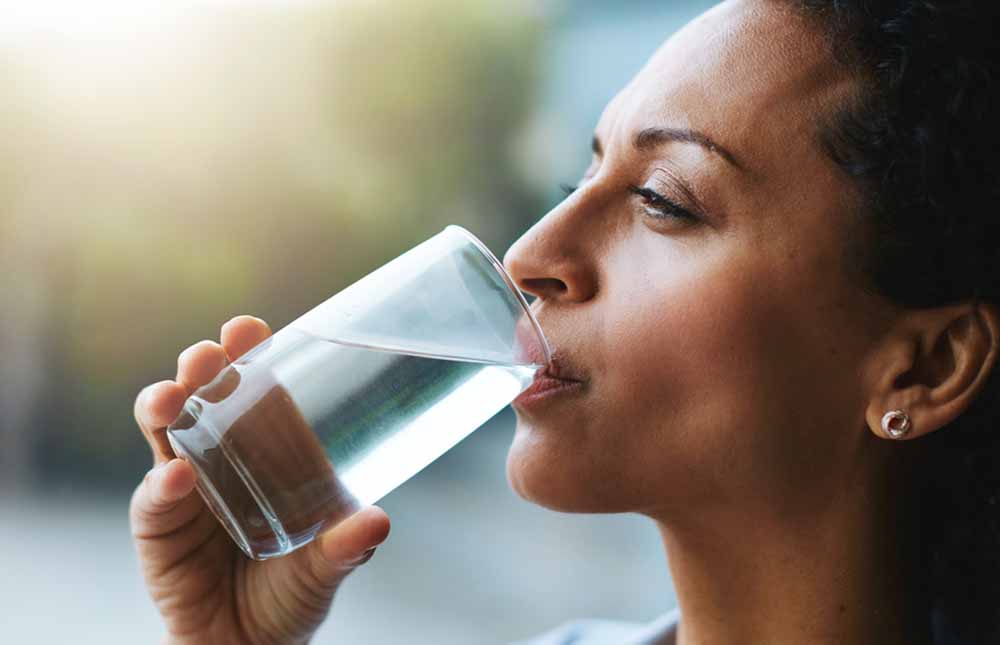
Water, specifically fluoridated tap water, is the most effective drink for maintaining white teeth over time. It rinses staining compounds off the tooth surface immediately after eating and delivers fluoride, the mineral most responsible for enamel hardness.
The American Dental Association recommends fluoridated water as the single most cost-effective intervention for long-term dental health (ADA, 2023). Adults who drink fluoridated water consistently have measurably lower rates of enamel erosion than those who drink bottled water exclusively.
Best for: Everyone. Water is the baseline for any teeth-whitening diet approach.
How to use it: Drink a glass of water after every meal and after consuming any staining food or drink.
10. Yogurt – Best Probiotic Option for Oral Health
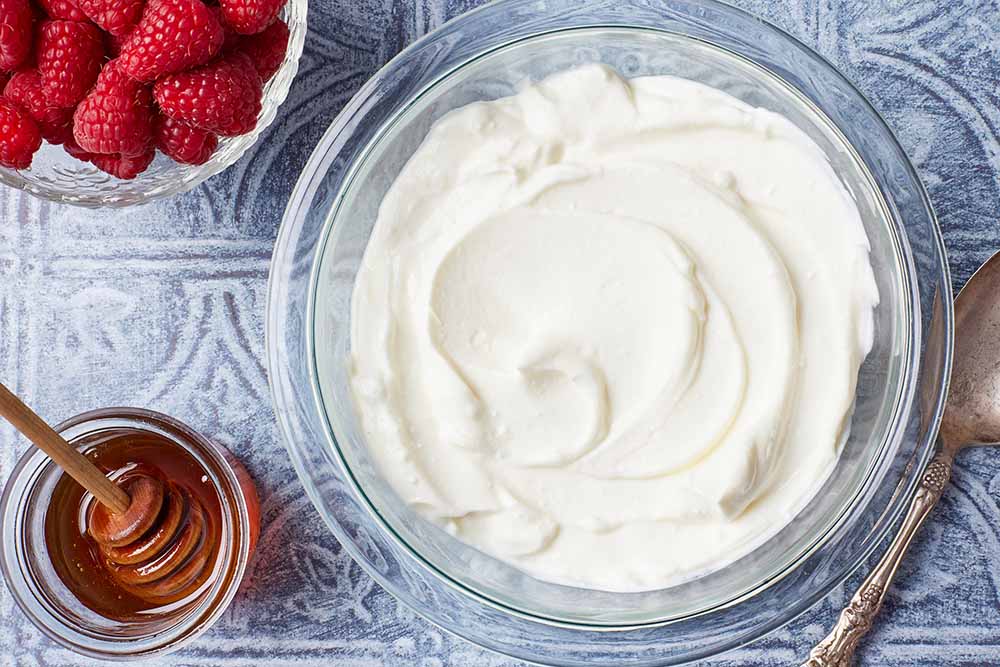
Plain yogurt delivers calcium, phosphate, and probiotics – beneficial bacteria that reduce the growth of Streptococcus mutans, the bacteria most responsible for tooth decay and enamel erosion (Caries Research Journal, 2021).
Less bacterial activity means less acid production, which means less enamel breakdown. Whiter teeth are largely a result of intact enamel – enamel that has eroded exposes the darker dentin layer underneath.
Best for: People who want to address the bacterial root cause of yellowing rather than just surface staining.
How to use it: Choose plain, unsweetened yogurt. Flavored yogurts contain added sugar that feeds the bacteria you are trying to reduce.
Comparison Table: 10 Best Foods for White Teeth at a Glance
| Food | Primary Mechanism | Best For | Eat Raw? |
|---|---|---|---|
| Strawberries | Malic acid dissolves stains | Coffee/tea drinkers | Yes |
| Cheese | Raises mouth pH, stimulates saliva | Acid erosion | Yes |
| Celery | Mechanical scrubbing | Daily plaque removal | Yes |
| Apples | Malic acid + abrasive texture | Everyday whitening | Yes |
| Carrots | Abrasive scrubbing, Vitamin A | Gum health + stains | Yes |
| Milk | Calcium + casein coating | Enamel strengthening | N/A (drink) |
| Broccoli | Iron coating + scrubbing | Anti-inflammatory | Yes |
| Pineapple | Bromelain breaks down plaque | Plaque buildup | Yes (fresh) |
| Water | Rinses stains, delivers fluoride | Everyone | N/A (drink) |
| Yogurt | Probiotics reduce acid bacteria | Bacterial erosion | Yes (plain) |
Foods That Stain Teeth: What to Limit
Eating the right foods works better when you reduce the foods that cause staining in the first place. The main offenders are:
- Coffee and black tea (contain tannins that bind to enamel)
- Red wine (tannins plus dark pigment compounds)
- Soy sauce and balsamic vinegar (high in chromogens, the compounds that cause staining)
- Berries like blueberries and blackberries (natural pigments that stain enamel directly)
- Carbonated soft drinks (acid erosion plus dark pigments in colas)
You do not need to cut these out entirely. Drinking water immediately after consuming them removes most of the staining compound before it binds to enamel.
Frequently Asked Questions About the Best Foods for White Teeth
What are the best foods for white teeth?
The best foods for white teeth are strawberries, apples, and pineapple for stain removal, and cheese, milk, and yogurt for enamel protection. Each works through a different mechanism. Some dissolve surface stains, while others rebuild the mineral layer that keeps teeth looking bright.
How do foods whiten teeth naturally?
Foods whiten teeth naturally through three main processes: abrasion, acid action, and remineralization. Abrasion involves the physical scrubbing of stains, acid action dissolves surface discoloration, and remineralization rebuilds enamel with calcium and phosphate. No food whitens teeth as fast as a dental treatment, but consistent dietary choices make a measurable difference over weeks and months.
Can eating strawberries really whiten teeth?
Yes, but with a caveat. The malic acid in strawberries removes surface stains, which makes teeth look brighter. However, strawberries do not change the underlying color of dentin, the layer beneath enamel. For deeper yellowing caused by dentin exposure, a dentist’s whitening treatment is needed.
What foods should I avoid if I want white teeth?
Avoid or limit coffee, black tea, red wine, dark berries, soy sauce, and cola drinks. These contain tannins or chromogens that bind to tooth enamel and cause staining over time. Rinsing with water immediately after consuming them reduces the staining effect significantly.
How long does it take for diet changes to improve tooth color?
Most people see a noticeable difference in surface brightness within 4 to 6 weeks of consistent dietary changes. This includes more stain-fighting foods, less stain-causing foods, and water after meals. Deeper color changes that involve dentin take longer and typically require professional treatment alongside diet improvements.
Are these foods a replacement for brushing and dental visits?
No. These foods support oral health and reduce staining, but they do not remove hardened tartar, treat gum disease, or replicate the effect of a professional cleaning. Brush twice daily with fluoride toothpaste, floss daily, and visit a dentist every six months.
What drink is best for keeping teeth white?
Plain fluoridated water is the best drink for keeping teeth white. It rinses staining compounds off teeth, delivers fluoride that hardens enamel, and contains no sugar or acid. Milk is the second-best option, as it delivers calcium and casein that protect the tooth surface.
Key Takeaways
Eating for whiter teeth means both adding stain-fighting foods and reducing stain-causing ones. The most effective dietary combination is crunchy raw vegetables for mechanical cleaning, dairy for enamel protection, and water after every meal. No food replaces brushing, flossing, or professional dental care, but the right diet actively slows down the staining and erosion that makes teeth look yellow over time.
Recommended Article
Vitamin E for Skin: What It Does, How to Use It, and DIY Methods That Actually Work
12 Low-Calorie Foods That Actually Keep You Full (Not Just Less Hungry)
How to Start Eating Healthy for Beginners: A Step-by-Step Guide for 2025