


Your nails can serve as a revealing window into your overall nutritional health, often showing the first signs of deficiency through splitting, peeling, or slow growth. Fortunately, many common kitchen staples are packed with the precise nutrients your nails need to grow stronger, faster, and more resilient. In this guide, we break down the ten best foods for strong and healthy nails, backed by the latest nutritional science for 2026.
Why Food Affects the Health of Your Nails
Nails are made almost entirely of keratin – a protein your body builds from amino acids, vitamins, and minerals sourced from food. When your diet is low in key nutrients, nails become the first visible sign: they split, peel, grow slowly, or develop ridges. The nutrients with the most direct impact on nail health are biotin (vitamin B7), protein, iron, zinc, omega-3 fatty acids, and vitamins C and E, each playing a specific role in nail structure and growth.
Biotin supports keratin structure, iron carries oxygen to nail cells, and zinc regulates cell division and growth. Getting these consistently from food is more reliable than sporadic supplementation for most people, making dietary choices a foundational strategy for long-term nail health.
10 Best Foods for Strong and Healthy Nails
1. Eggs – The Best Single Source of Biotin for Nails
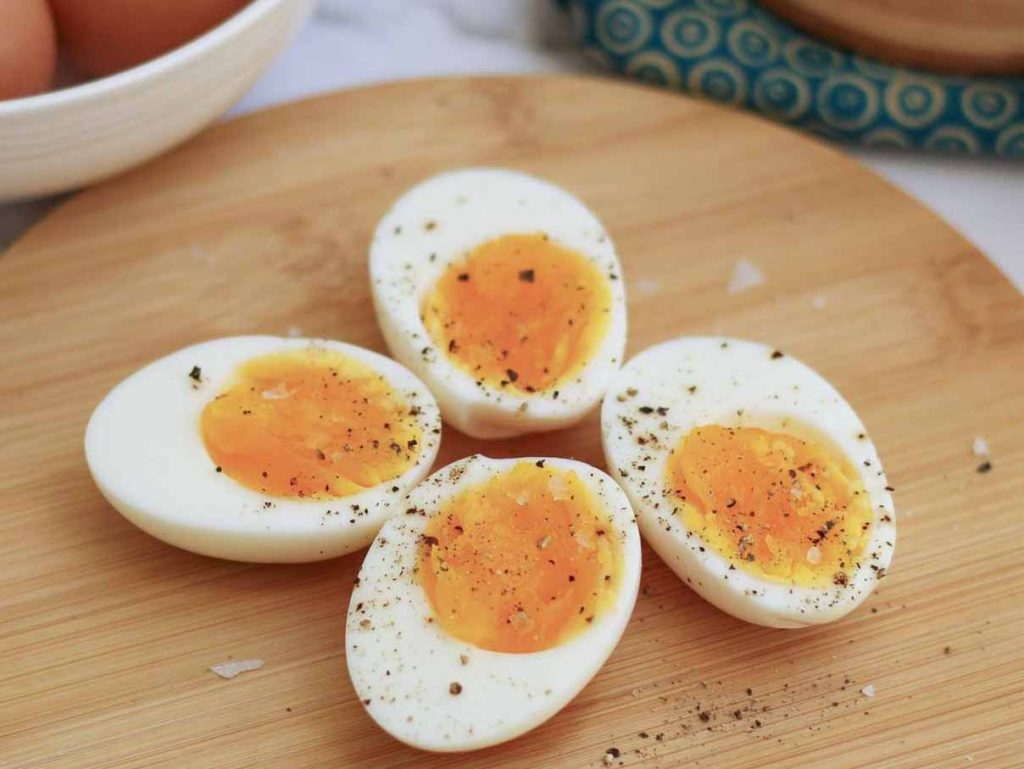
Eggs are the most efficient food source of biotin for nail health, with one large egg providing about 10 micrograms of biotin – roughly 33% of the daily recommended intake for adults according to the National Institutes of Health (2023). Biotin directly supports keratin production, which is what nails are built from. Eggs also supply protein and sulfur-containing amino acids (methionine and cysteine), both of which the body uses to build the keratin matrix.
The yolk is where most of the biotin lives, so whole eggs matter more than egg whites alone. This makes eggs the best choice for daily nail nutrition across all nail concerns.
2. Salmon – Omega-3s and Protein in One Food
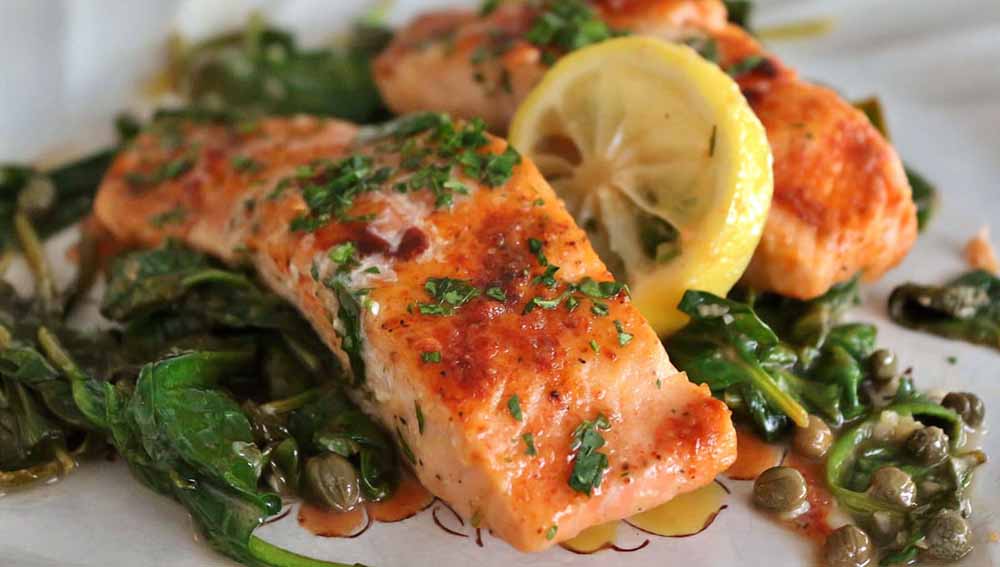
Salmon supplies two things nails need: omega-3 fatty acids and high-quality protein. Omega-3s reduce nail inflammation and keep the nail bed hydrated, which prevents peeling and brittleness at the free edge. A 3-ounce serving of wild Atlantic salmon delivers around 1.8 grams of omega-3 fatty acids according to the USDA Food Database (2024). Salmon also contains vitamin D, which supports calcium absorption – and calcium is part of the mineral matrix that gives nails their density.
This combination makes salmon particularly effective for people dealing with peeling, dry, or brittle nails, providing both structural support and moisture retention.
3. Spinach – Iron and Folate for Nail Growth Rate
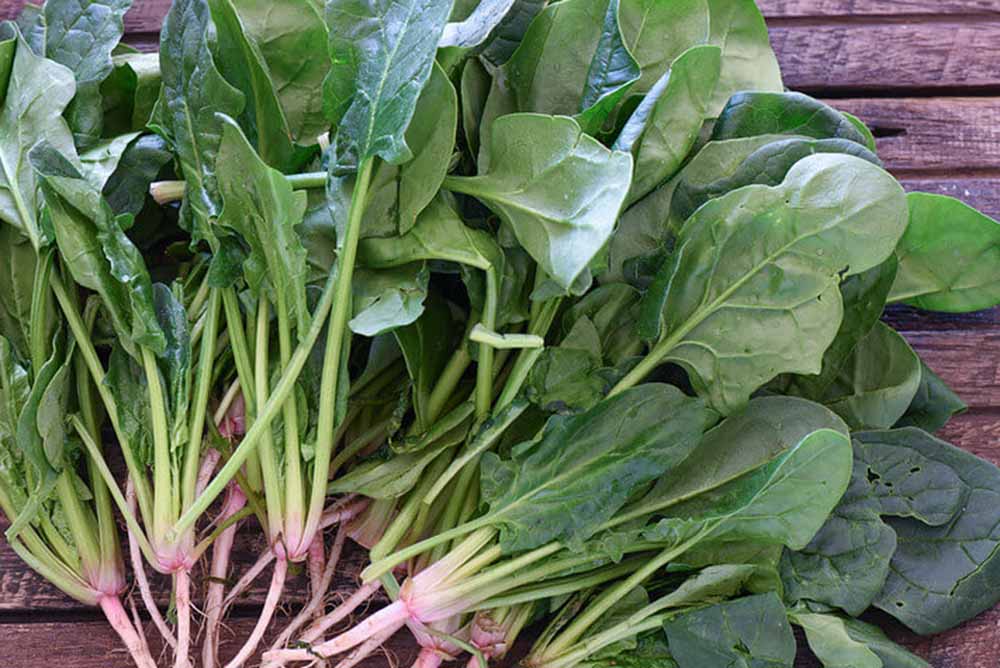
Spinach is one of the most iron-dense plant foods available, and iron deficiency is directly linked to koilonychia – a condition where nails become spoon-shaped and thin according to the American Academy of Dermatology (2024). Even mild iron deficiency without full anemia can slow nail growth noticeably. One cup of cooked spinach provides 6.4 milligrams of iron (USDA Food Database, 2024), which is 36% of the daily value for women.
Spinach also contains folate, which supports rapid cell division – the mechanism behind nail growth itself. This makes it an ideal food for addressing slow nail growth and thin, soft nails.
4. Pumpkin Seeds – The Highest Plant Source of Zinc
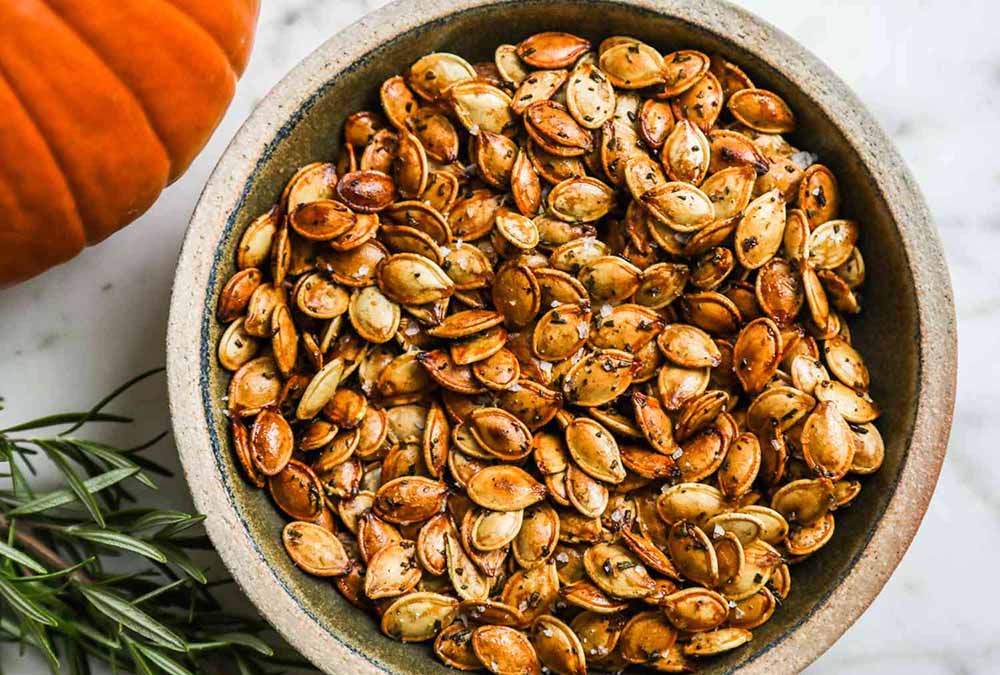
Zinc regulates the rate at which nail cells divide and mature, and a zinc deficiency often shows up as white spots on nails, horizontal ridges (called Beau’s lines), or nails that break at the tip rather than at the edge. One ounce of pumpkin seeds contains 2.2 milligrams of zinc – about 20% of the daily value (USDA Food Database, 2024). Pumpkin seeds are also a source of magnesium, which works alongside zinc in protein synthesis.
As the most concentrated plant-based zinc source available without needing a supplement, pumpkin seeds are specifically beneficial for white spots, ridges, and tips that break easily.
5. Sweet Potatoes – Beta-Carotene Converts to Vitamin A for Nail Cells
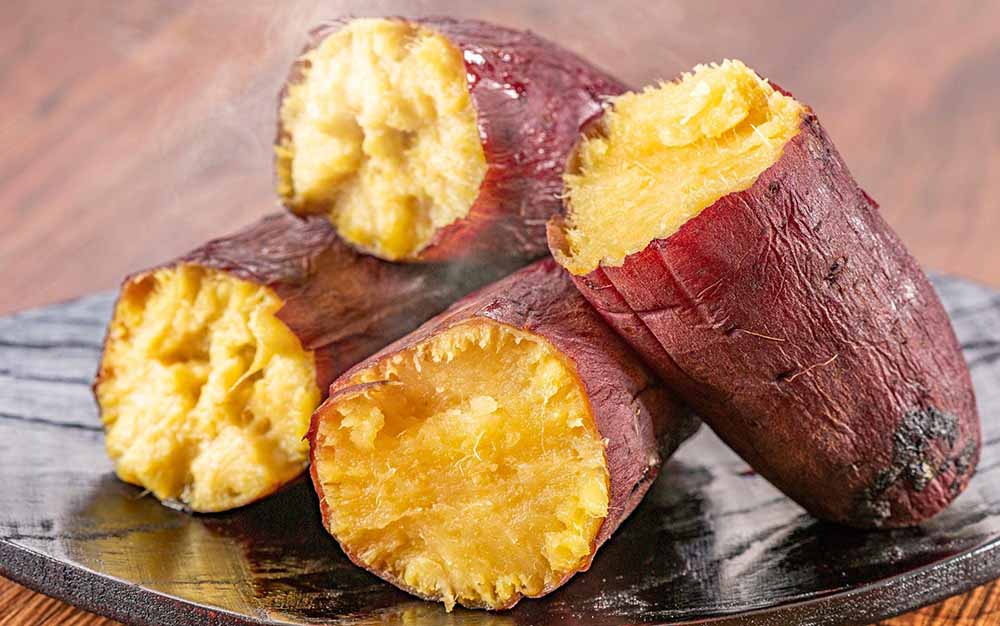
Vitamin A maintains the moisture content of nail cells and supports the renewal of skin around the nail bed (cuticle area), and without enough vitamin A, the skin around the nail thickens and peels while nails can become dry and brittle. Sweet potatoes are one of the highest sources of beta-carotene, which the body converts to vitamin A, and one medium sweet potato provides over 100% of the daily recommended intake (USDA Food Database, 2024). Unlike preformed vitamin A from animal sources, beta-carotene from plants is self-regulating – the body only converts what it needs.
This makes sweet potatoes an excellent choice for dry cuticles, rough nail texture, and brittle nails, providing safe and effective vitamin A support.
6. Greek Yogurt – Protein and Calcium Without the Fat Load
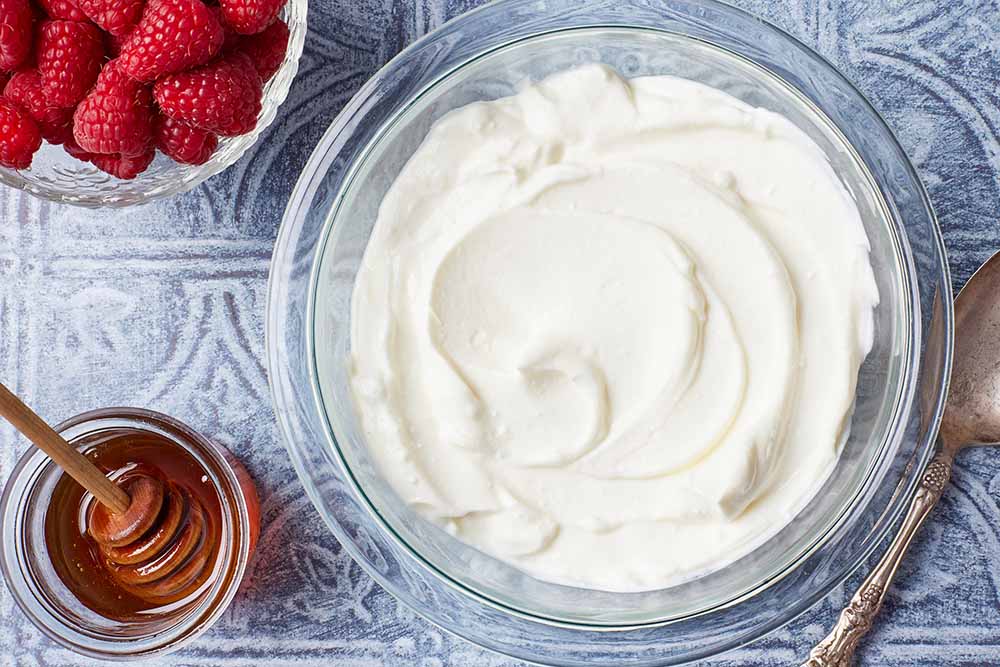
Nails need protein for structure and calcium for density. Greek yogurt delivers both efficiently. A 6-ounce serving of plain full-fat Greek yogurt provides 15 to 17 grams of protein and about 200 milligrams of calcium (USDA Food Database, 2024).
Calcium does not make nails grow faster, but it contributes to the hardness of the nail plate itself. People who cut calcium from their diets due to dairy avoidance or caloric restriction often notice softer, more flexible nails within a few months.
Best for: Soft nails that bend rather than break cleanly.
7. Sunflower Seeds – Vitamin E to Protect Nail Cells from Oxidative Damage
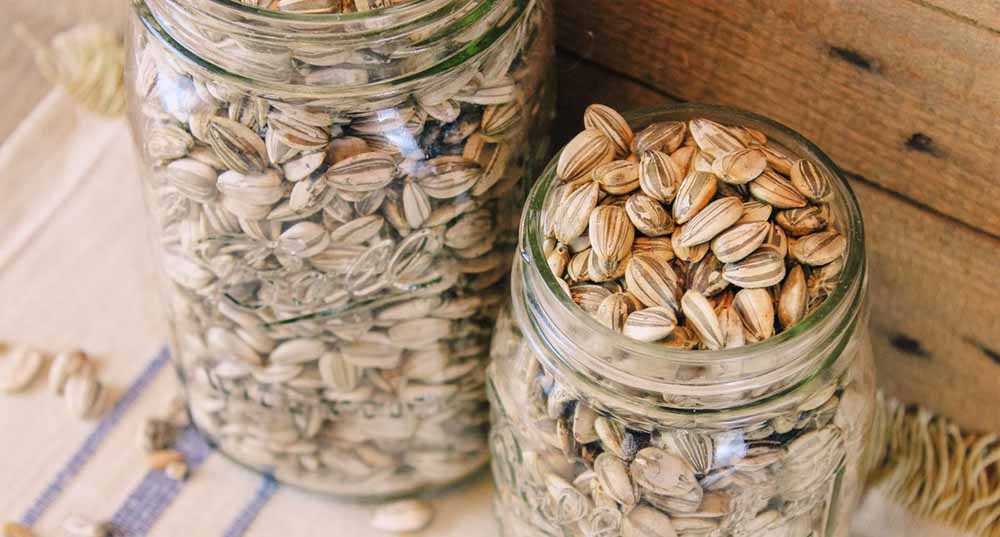
Vitamin E is an antioxidant that protects the cells in the nail matrix, the area under the base of the nail where new nail cells form. When oxidative stress damages the matrix, nails grow unevenly or develop surface irregularities.
One ounce of sunflower seeds provides 7.4 milligrams of vitamin E, which is 49% of the daily value (USDA Food Database, 2024). This makes sunflower seeds one of the most efficient foods for vitamin E delivery. They also contain copper, which helps maintain the structural proteins in connective tissue around the nail.
Best for: Uneven growth, surface irregularities, and nails exposed to heavy UV or chemical contact.
8. Lentils – Protein and Biotin for People Who Do Not Eat Meat
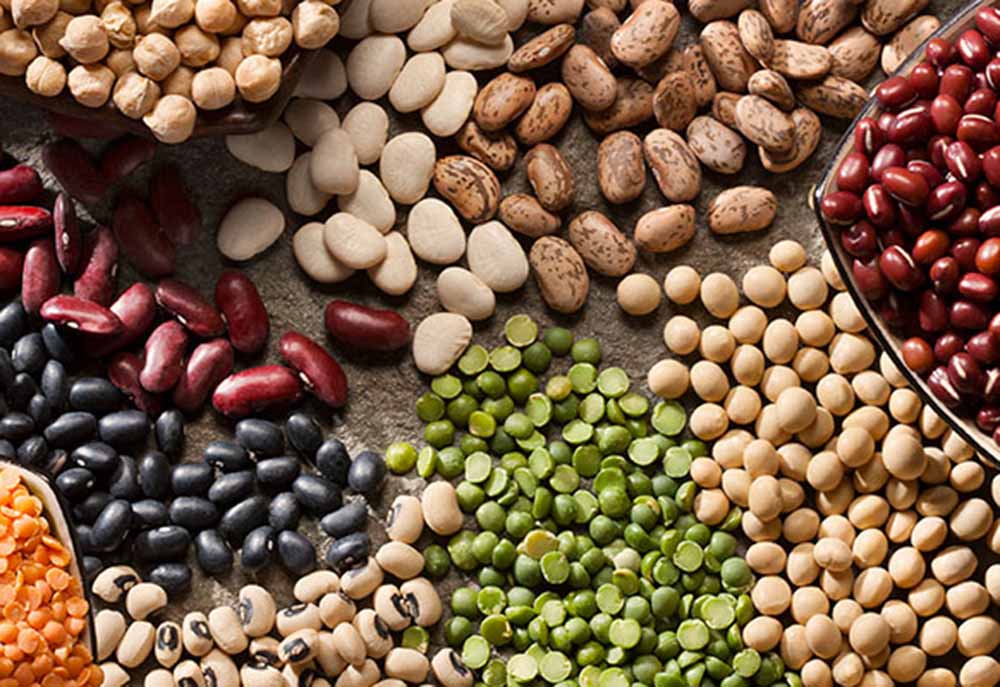
Lentils are one of the few plant foods that supply both biotin and protein in meaningful amounts. One cup of cooked lentils provides about 18 grams of protein and contributes to daily biotin intake, along with folate and iron (USDA Food Database, 2024). For people on vegetarian or vegan diets, lentils are one of the most practical nail-health foods available.
The iron in lentils is non-heme iron, which is less absorbable than animal iron, but combining lentils with a vitamin C source like tomatoes or bell pepper significantly improves absorption.
Best for: Vegans or vegetarians with slow nail growth or brittleness.
9. Bell Peppers – Vitamin C for Collagen Around the Nail Bed

Vitamin C is required for collagen synthesis. Collagen is not part of the nail plate itself, but it forms the connective tissue of the nail bed, the skin the nail rests on. When that tissue is weak, nails detach more easily, lift at the edges, or develop irregular attachment.
One medium red bell pepper contains 152 milligrams of vitamin C, nearly twice the daily recommended intake (USDA Food Database, 2024). Red bell peppers contain significantly more vitamin C than green ones because they are fully ripened.
Best for: Nails that lift, peel from the bed, or have uneven attachment at the edges.
10. Brazil Nuts – Selenium for Nail Plate Integrity
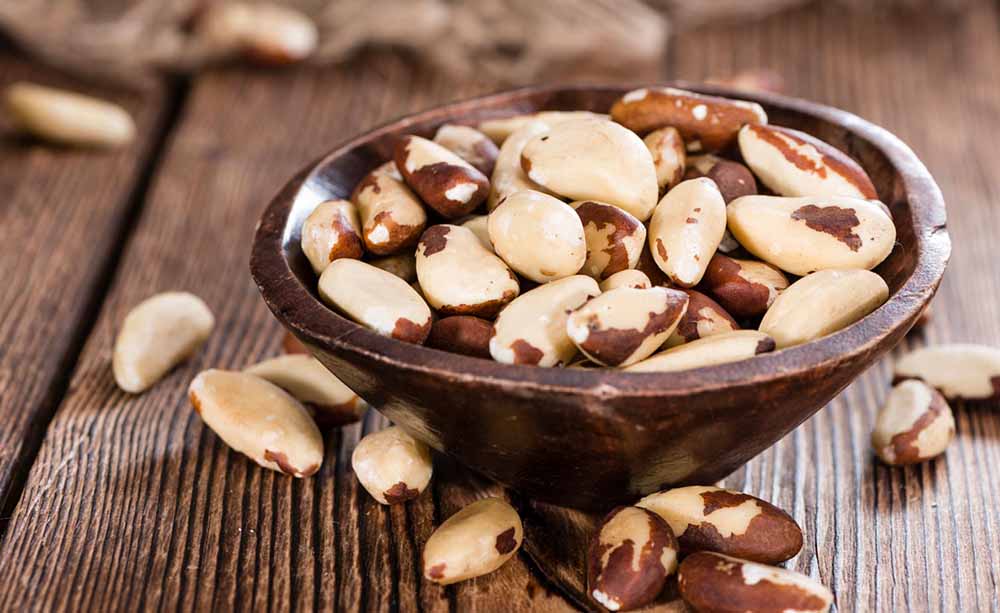
Selenium is a trace mineral that protects nail cells from oxidative damage and supports the thyroid hormones that regulate nail growth cycles. Selenium deficiency can cause nails to become fragile and develop a white discoloration (National Institutes of Health, 2023).
Brazil nuts are by far the most concentrated food source of selenium. One single Brazil nut provides 68 to 91 micrograms of selenium, which meets or exceeds the daily recommended intake of 55 micrograms for adults (USDA Food Database, 2024). Eating one to two per day is enough. Eating handfuls regularly can lead to excess.
Best for: Fragile nails with discoloration, or anyone with low thyroid function.
Nutrient Comparison Table: What Each Food Delivers
| Food | Key Nutrient | Amount Per Serving | % Daily Value |
|---|---|---|---|
| Eggs (1 large) | Biotin | 10 mcg | 33% |
| Salmon (3 oz) | Omega-3 fatty acids | 1.8 g | – |
| Spinach (1 cup cooked) | Iron | 6.4 mg | 36% |
| Pumpkin seeds (1 oz) | Zinc | 2.2 mg | 20% |
| Sweet potato (1 medium) | Vitamin A | 1,400 mcg RAE | 156% |
| Greek yogurt (6 oz) | Protein | 17 g | 34% |
| Sunflower seeds (1 oz) | Vitamin E | 7.4 mg | 49% |
| Lentils (1 cup cooked) | Protein | 18 g | 36% |
| Red bell pepper (1 medium) | Vitamin C | 152 mg | 169% |
| Brazil nuts (1 nut) | Selenium | 68-91 mcg | 124-165% |
What to Eat Daily vs. a Few Times Per Week
Not every food on this list needs to appear in every meal. The table below shows a practical frequency guide based on nutrient density and daily requirements.
Food Frequency Guide
Not all nutrient-rich foods need to be eaten every day. Some nutrients are water-soluble and need regular replenishment, while others are fat-soluble and can be stored by the body. This table breaks down recommended frequencies for the top nail-healthy foods based on how the body processes their key nutrients. Following these frequencies helps you maintain steady nutrient levels without overcomplicating your meal planning.
| Food | Recommended Frequency | Reason |
|---|---|---|
| Eggs | Daily | High biotin, easy to include |
| Spinach | Daily or every other day | Iron and folate needs are ongoing |
| Bell peppers | Daily | Vitamin C depletes quickly |
| Greek yogurt | Daily | Protein and calcium are daily needs |
| Salmon | 2-3 times per week | Omega-3s accumulate over time |
| Lentils | 3-4 times per week | Practical protein staple |
| Pumpkin seeds | 3-4 times per week | Zinc needs are consistent |
| Sweet potatoes | 3-4 times per week | Beta-carotene stores build up |
| Sunflower seeds | A few times per week | Vitamin E is fat-soluble, stores well |
| Brazil nuts | 1-2 per day, maximum | Selenium toxicity risk above 400 mcg/day |
Common Nail Problems and the Foods That Address Them
If you are dealing with a specific nail issue, you can target your diet more precisely. Each common nail problem points to a likely nutrient gap. Once you identify the problem, you can add the right foods to address the specific deficiency. This approach helps you avoid unnecessary dietary changes and focus on what will actually help your nails recover.
| Nail Problem | Likely Nutrient Gap | Best Foods to Add |
|---|---|---|
| Brittle, splitting nails | Low biotin or omega-3s | Eggs, salmon |
| Slow growth | Low iron or folate | Spinach, lentils |
| White spots | Low zinc | Pumpkin seeds |
| Peeling from the bed | Low vitamin C or collagen | Bell peppers |
| Soft, bendy nails | Low calcium or protein | Greek yogurt |
| Surface ridges | Low zinc or B vitamins | Pumpkin seeds, eggs |
| Fragile with discoloration | Low selenium | Brazil nuts (1-2/day) |
| Dry cuticles | Low vitamin A | Sweet potatoes |
Frequently Asked Questions About Foods for Nail Health
What foods make nails stronger and harder?
Eggs, Greek yogurt, and lentils are the best foods for nail hardness because they supply the protein and biotin the body uses to build keratin – the structural material nails are made of. Calcium from dairy sources like Greek yogurt also adds density to the nail plate itself.
How long does it take for diet changes to improve nail health?
Most people see visible changes in nail quality within 3 to 6 months of consistent dietary improvement (American Academy of Dermatology, 2024). This is because nails grow slowly – about 3 millimeters per month on average – so improvements only become visible as new nail grows in from the base.
Can you fix brittle nails with food alone, without supplements?
Yes, for most people. The most common causes of brittle nails – low biotin, iron, or zinc – can be addressed through food. Supplements are only necessary when a blood test confirms a deficiency that diet alone cannot resolve in a reasonable timeframe.
Are there foods that damage nail health?
High sugar intake, excessive alcohol, and very low-calorie diets all reduce the availability of nutrients the body allocates to nail growth. Alcohol specifically depletes zinc and B vitamins. Crash diets cause nails to become thin and slow-growing within weeks because the body deprioritizes non-essential tissue.
Does drinking more water improve nail strength?
Hydration affects the flexibility of nails but not their structural strength. Dehydrated nails are more likely to crack and break, but water alone will not fix brittleness caused by a nutrient deficiency. Eating foods with high water content (cucumbers, bell peppers) and adding omega-3s from salmon is more effective than increasing water intake alone.
What is the single best food to eat for nail health?
Eggs come closest to a single best food for nails. They supply biotin, protein, and sulfur amino acids – three of the most direct nutritional inputs for keratin production. No single food covers every nail-relevant nutrient, but eggs address the most common deficiency (biotin) and pair well with iron-rich and vitamin C-rich foods.
Key Takeaways
- Nail strength depends on protein, biotin, iron, zinc, vitamin C, and omega-3 fatty acids – all available from real food.
- Eggs and spinach are the most practical daily staples for nail health.
- Nail changes from diet take 3 to 6 months to become visible because nails grow slowly.
- Brazil nuts are the most potent food for selenium but should be limited to 1 to 2 per day.
- Combining iron-rich foods (spinach, lentils) with vitamin C sources (bell peppers) increases iron absorption significantly.
Recommended Article
Vitamin E for Skin: What It Does, How to Use It, and DIY Methods That Actually Work
12 Low-Calorie Foods That Actually Keep You Full (Not Just Less Hungry)
The 9 Foods That Fight Wrinkles *and* Burn Belly Fat (Yes, at the Same Time)
How to Start Eating Healthy for Beginners: A Step-by-Step Guide for 2025