
Insulin resistance happens when your body’s cells stop responding properly to insulin – the hormone that moves sugar from your blood into your cells for energy. When cells ignore insulin’s signal, your pancreas pumps out more and more of it to compensate, which can lead to high blood sugar, weight gain, and eventually prediabetes or Type 2 diabetes. Diet is one of the fastest levers you can pull to manage this condition, as certain foods cause sharp blood sugar spikes while others slow digestion and reduce insulin demand. Choosing the right foods consistently is what makes the difference, and over 96 million American adults have prediabetes – most of which is diet-related and reversible with early action according to the CDC (2024).
An insulin resistance diet food list centers on foods that keep blood sugar steady and reduce the demand on your pancreas to produce insulin. The best foods to eat include non-starchy vegetables, fatty fish, legumes, nuts, and whole grains with a low glycemic index (GI), while foods to avoid include white bread, sugary drinks, processed snacks, and refined carbohydrates. Eating the right foods will not cure insulin resistance on its own, but it is one of the most effective ways to manage it according to the American Diabetes Association (2024). This list covers 25+ foods across six categories, plus a full “foods to avoid” section and a simple meal timing tip.
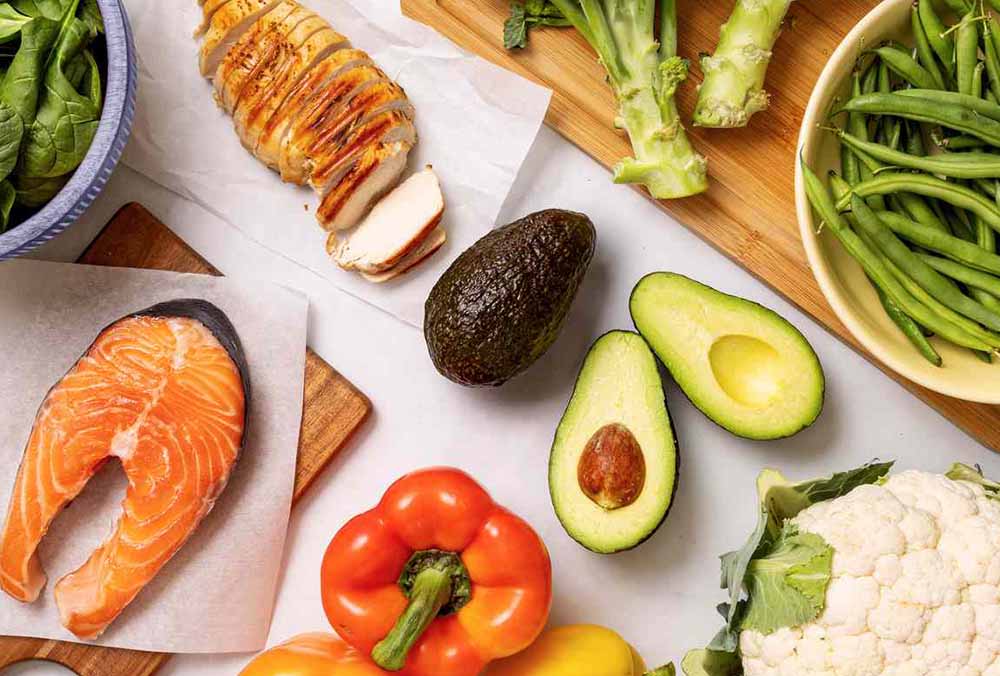
How to Use This Insulin Resistance Diet Food List
Before diving into the specific foods, it helps to understand what makes a food beneficial or harmful for insulin resistance. Each food on this list was evaluated based on five key criteria that directly impact blood sugar control and insulin sensitivity. The table below breaks down these criteria and explains why they matter for your metabolic health.
| Criterion | Why It Matters |
|---|---|
| Glycemic Index (GI) | Lower GI foods cause slower, smaller blood sugar rises |
| Fiber content | Fiber slows glucose absorption and feeds healthy gut bacteria |
| Healthy fat content | Unsaturated fats improve insulin sensitivity in cells |
| Anti-inflammatory properties | Chronic inflammation worsens insulin resistance |
| Protein content | Protein slows digestion and reduces post-meal blood sugar spikes |
Glycemic Index (GI) is a scale from 0 to 100, where foods scored 55 or below are considered low GI. Foods above 70 are high GI and spike blood sugar quickly, making them less suitable for an insulin resistance diet. Understanding these criteria will help you make informed choices even beyond the specific foods listed here.
1. Non-Starchy Vegetables – The Foundation of Any Insulin Resistance Diet
Non-starchy vegetables are the single best food group for insulin resistance because they are high in fiber, low in carbohydrates, and packed with antioxidants that fight the inflammation linked to insulin resistance (Harvard T.H. Chan School of Public Health, 2023). These vegetables provide bulk and nutrients without significantly impacting blood sugar, making them an essential component of every meal. Here are the best options to include in your diet regularly.
- Spinach and kale. Both are high in magnesium, a mineral that plays a direct role in insulin signaling. Low magnesium levels are linked to a higher risk of Type 2 diabetes (National Institutes of Health, 2022).
- Broccoli. Contains sulforaphane, a compound shown in early research to reduce insulin resistance markers (University of Gothenburg, 2017).
- Bell peppers. Low in carbs and high in vitamin C, which some studies link to lower fasting blood sugar (American Journal of Clinical Nutrition, 2021).
- Zucchini and cucumber. High water content, very low GI, and easy to add to most meals without changing the calorie count much.
- Cauliflower. A reliable substitute for rice or mashed potatoes – same texture, far fewer carbohydrates.
To get the most benefit from non-starchy vegetables, fill half your plate with them at every meal. Raw, steamed, or roasted all work well, but avoid frying them in refined oils or coating them in sugary sauces that can counteract their benefits.
2. Lean Proteins – Slow Down Blood Sugar Without Adding Carbs
Protein does not raise blood sugar on its own, and it plays a crucial role in stabilizing glucose levels by slowing down how quickly carbohydrates from the same meal enter your bloodstream (Diabetes Care, 2023). Including a source of lean protein at every meal helps prevent sharp blood sugar spikes and keeps you feeling fuller for longer. Here are the best protein choices for managing insulin resistance.
- Skinless chicken breast. A versatile, low-fat protein that’s easy to incorporate into salads, stir-fries, or grilled dishes without adding unnecessary calories.
- Turkey. Similar to chicken but slightly leaner, making it an excellent option for those watching their fat intake closely.
- Fish and shellfish. Fatty fish like salmon, mackerel, and sardines are particularly beneficial due to their high omega-3 content, which reduces inflammation.
- Eggs. A complete protein source that provides essential amino acids and has minimal impact on blood sugar when eaten without high-carb accompaniments.
- Tofu and tempeh. Plant-based proteins that are low in carbohydrates and rich in isoflavones, which may improve insulin sensitivity in some studies.
Aim to include a palm-sized portion of lean protein at each meal to help stabilize your blood sugar and support muscle health. Pairing protein with vegetables and healthy fats creates a balanced, blood-sugar-friendly plate that works well for managing insulin resistance.
One of the most important dietary changes for managing insulin resistance is choosing the right protein sources. Protein helps stabilize blood sugar by slowing the absorption of carbohydrates and promoting satiety. The best options provide high-quality protein without excess saturated fat.
- Eggs. One of the most complete protein sources available. Research from the University of Eastern Finland (2019) found that men who ate eggs regularly had a lower risk of developing Type 2 diabetes.
- Chicken breast and turkey. Lean, versatile, and high in protein with minimal saturated fat.
- Canned sardines and mackerel. High in omega-3 fatty acids, which reduce inflammation and improve insulin sensitivity. Budget-friendly and shelf-stable.
- Tofu and tempeh. Plant-based proteins with a low GI. Tempeh also contains probiotics, which support gut health – an area increasingly linked to insulin regulation (Cell Host & Microbe, 2022).
- Greek yogurt (plain, unsweetened). High in protein and probiotics. Choose plain – flavored versions often contain 15-20g of added sugar per serving.
How you time your protein intake matters as much as the type you choose. Pair protein with every meal, not just dinner. Adding a protein source to breakfast is one of the most effective ways to reduce blood sugar swings throughout the day.
3. Healthy Fats – Improve Insulin Sensitivity at the Cell Level
Healthy fats – specifically monounsaturated and polyunsaturated fats – help cells respond better to insulin. They also slow digestion and reduce post-meal blood sugar spikes when eaten alongside carbohydrates (Journal of the American College of Nutrition, 2020).
Best options for incorporating healthy fats into your diet include:
- Avocado. High in monounsaturated fat and fiber. Half an avocado with a meal can measurably lower the post-meal blood sugar response (Nutrition Journal, 2019).
- Extra virgin olive oil. The primary fat in the Mediterranean diet, which consistently ranks as one of the most effective eating patterns for insulin resistance (New England Journal of Medicine, 2018).
- Walnuts and almonds. Both slow carbohydrate digestion when eaten with a meal. A small handful (30g) is enough – they are calorie-dense.
- Chia seeds and flaxseeds. High in omega-3 fats and soluble fiber. Soluble fiber forms a gel in the gut that physically slows glucose absorption.
- Fatty fish (salmon, trout). Omega-3 fats in fish reduce inflammation linked to insulin resistance. Aim for two servings per week (American Heart Association, 2023).
It is equally important to know which fats to avoid. Saturated fats from processed meats and trans fats from fried foods have the opposite effect – they worsen insulin resistance at the cell level.
4. Low-GI Whole Grains – Carbs That Work With Your Blood Sugar
Not all carbohydrates are bad for insulin resistance. The type and amount of carbohydrate matter. Low-GI whole grains digest slowly, produce a gradual blood sugar rise, and provide fiber that feeds healthy gut bacteria (Nutrients Journal, 2022).
Best options for low-GI whole grains include:
- Oats (steel-cut or rolled). GI of 42-55. The beta-glucan fiber in oats is particularly effective at blunting blood sugar spikes after meals.
- Barley. One of the lowest GI grains available (GI: 28). High in soluble fiber and shown to improve insulin sensitivity in multiple clinical trials (European Journal of Clinical Nutrition, 2021).
- Quinoa. Technically a seed, not a grain, but cooks like one. High in protein and fiber, with a GI of around 53.
- Brown rice. A better choice than white rice (GI: 50 vs 72), though portion size still matters. Keep servings to around half a cup cooked.
- Whole grain rye bread. Lower GI than most wheat breads. The dense structure slows digestion compared to standard whole wheat loaves.
Portion control remains essential even with low-GI grains. Even low-GI grains raise blood sugar when eaten in large amounts. A serving size of half to three-quarters of a cup cooked is the right range for most adults.
5. Legumes – High Fiber, High Protein, Low GI
Legumes are one of the most underrated food groups for insulin resistance. They are low GI, high in both soluble fiber and plant protein, and they fill you up without spiking blood sugar (British Journal of Nutrition, 2022).
Best options for legumes include:
- Lentils. GI of 21-30. One cup of cooked lentils provides 18g of protein and 16g of fiber. Fast to cook compared to most dried legumes.
- Black beans and kidney beans. GI under 40. Both provide resistant starch, a type of carbohydrate that bypasses digestion in the small intestine and does not raise blood sugar.
- Chickpeas. GI of 28-36. Roasted chickpeas work as a high-fiber snack that replaces chips or crackers.
- Edamame. Young soybeans with a GI of 18. High in protein and convenient as a snack or side dish.
Incorporating legumes into your meals is simple and effective. Replace white rice or pasta with lentils or beans two to three times per week. Canned versions work fine – just rinse them to reduce sodium.
6. Low-Sugar Fruits – Natural Sweetness Without the Spike
Whole fruit is not off-limits for insulin resistance. The fiber in whole fruit slows the release of natural sugars. The key distinction is whole fruit vs. fruit juice – juice removes the fiber and concentrates the sugar (American Diabetes Association, 2024).
Best options:
Berries, including blueberries, strawberries, and raspberries, rank among the lowest GI fruits available with a glycemic index between 25 and 40. These fruits are high in antioxidants that reduce inflammation linked to insulin resistance, making them an excellent choice for blood sugar management.
- Berries (blueberries, strawberries, raspberries). Among the lowest GI fruits available (GI: 25-40). High in antioxidants that reduce inflammation linked to insulin resistance.
- Cherries. GI of 22. Tart cherries in particular contain compounds shown to improve insulin sensitivity in early research (Journal of Medicinal Food, 2019).
- Apples and pears. Medium GI (38-42) with high fiber when eaten with the skin on. The skin is where most of the fiber lives.
- Grapefruit. Low GI (25) and shown in some studies to improve insulin sensitivity. Note: grapefruit interacts with several medications – check with a doctor if you take prescriptions.
- Kiwi. GI of 39-52. High in vitamin C and fiber. Two kiwis per day were linked to lower fasting blood sugar in a small clinical study (Asia Pacific Journal of Clinical Nutrition, 2021).
What to limit: Watermelon, pineapple, and ripe bananas are higher GI and should be eaten in small portions. Dried fruit concentrates sugar and is easy to overeat.
Foods to Avoid on an Insulin Resistance Diet
These foods cause fast, sharp blood sugar spikes and increase the amount of insulin your body has to produce. Removing them – or sharply reducing them – is as important as adding the right foods.
| Food Category | Examples | Why It’s a Problem |
|---|---|---|
| Sugary drinks | Soda, fruit juice, energy drinks, sweetened coffee | Liquid sugar hits the bloodstream with no fiber to slow it down |
| Refined carbs | White bread, white rice, regular pasta, bagels | High GI, stripped of fiber during processing |
| Processed snacks | Chips, crackers, cookies, pretzels | High in refined starch and often contain trans fats |
| Added sugars | Table sugar, high-fructose corn syrup, honey in large amounts | Direct blood sugar spike; fructose specifically linked to liver insulin resistance |
| Fried foods | French fries, fried chicken, doughnuts | Trans and saturated fats worsen insulin sensitivity at the cell level |
| Alcohol (excess) | Beer, sweet cocktails, wine in large amounts | Disrupts liver glucose regulation and adds empty calories |
| Ultra-processed breakfast foods | Sugary cereals, flavored instant oatmeal, pastries | High sugar content despite breakfast positioning |
Simple Meal Timing Tip That Amplifies the Food List
The foods you eat matter. When you eat them also matters. Eating carbohydrates earlier in the day – when insulin sensitivity is naturally higher – produces a smaller blood sugar response than eating the same carbohydrates at night (Cell Metabolism, 2022).
A practical approach: eat your largest carbohydrate portions at breakfast and lunch. Keep dinner protein and vegetable-heavy. This does not require fasting or skipping meals – just shifting when carbs land in your day.
Comparison: Best vs. Worst Food Swaps for Insulin Resistance
| Instead of… | Eat this… | Reason |
|---|---|---|
| White rice | Barley or lentils | 3x lower GI, higher fiber |
| Fruit juice | Whole berries | Fiber intact, lower sugar load |
| Flavored yogurt | Plain Greek yogurt | Removes 15-20g hidden sugar |
| White bread | Whole grain rye | Slower digestion, lower GI |
| Chips or crackers | Roasted chickpeas or walnuts | Fiber and healthy fat replace refined starch |
| Sugary cereal | Steel-cut oats | Beta-glucan fiber blunts blood sugar |
| Soda | Sparkling water with lemon | Zero sugar, same texture |
Frequently Asked Questions About Insulin Resistance Diet Food Lists
What foods are best for reversing insulin resistance?
The most effective foods for managing insulin resistance are non-starchy vegetables, legumes, fatty fish, nuts, and low-GI whole grains like oats and barley. These foods keep blood sugar stable and reduce how much insulin your pancreas needs to produce. No single food reverses insulin resistance – the overall pattern of eating is what matters (American Diabetes Association, 2024).
Can I eat fruit if I have insulin resistance?
Yes. Whole fruit is fine in moderate amounts because fiber slows the sugar release. Berries, cherries, apples, and grapefruit are the best choices due to their low glycemic index. Avoid fruit juice and dried fruit – both remove or concentrate the sugar without the fiber that makes whole fruit safe.
Is rice bad for insulin resistance?
White rice has a high glycemic index (GI: 72) and can spike blood sugar quickly, so it is worth limiting. Brown rice is a better swap (GI: 50), and barley or lentils are better still. If you do eat white rice, keep the portion to half a cup cooked and pair it with protein and vegetables to slow absorption.
How many carbs should I eat per day with insulin resistance?
There is no single number that fits everyone. Most registered dietitians recommend getting 40-45% of daily calories from carbohydrates for people with insulin resistance, prioritizing low-GI sources. A 2,000-calorie diet at 40% carbs equals about 200g per day. Work with a registered dietitian (RD) to set a target based on your specific situation.
What is the best breakfast for insulin resistance?
The best breakfast combines protein, healthy fat, and low-GI carbohydrates. Good examples: plain Greek yogurt with berries and chia seeds; scrambled eggs with spinach and avocado; steel-cut oats with walnuts and a boiled egg on the side. Skip sugary cereals, pastries, and flavored instant oatmeal – all spike blood sugar early and set off a cycle of hunger and energy crashes.
Is coffee ok with insulin resistance?
Plain black coffee is generally fine and some research suggests it may improve insulin sensitivity over time (Diabetes Care, 2021). The problem is what goes into coffee – sugary syrups, flavored creamers, and added sugar turn coffee into a high-GI drink. Stick to black coffee or add a small amount of unsweetened milk or a plant-based alternative.
Does intermittent fasting help insulin resistance?
Early research suggests intermittent fasting can improve insulin sensitivity by giving the body extended periods without blood sugar spikes (New England Journal of Medicine, 2019). It is not required to improve insulin resistance, and it is not right for everyone. If you want to try it, talk to a doctor first – especially if you take any medications that affect blood sugar.
Key Takeaways: Insulin Resistance Diet Food List
These key takeaways summarize the most important principles for managing insulin resistance through diet. Focus on the overall pattern rather than individual foods.
- Fill half your plate with non-starchy vegetables at every meal – they are the foundation of the diet.
- Add a protein source to every meal, including breakfast, to reduce blood sugar swings.
- Replace high-GI carbohydrates (white bread, white rice) with low-GI alternatives (barley, lentils, oats).
- Cut sugary drinks first – they are the fastest way to reduce daily blood sugar load.
- Eat whole fruit, not fruit juice – fiber is what makes fruit safe for insulin resistance.
- No single food fixes insulin resistance. The overall pattern – consistent, low-GI, high-fiber eating – is what produces results.